Buyukada, the largest of the Princes’ Islands, sits in the Marmara Sea about an hour from the heart of Istanbul. If you have never visited, you should know this is not another city neighborhood: it is a car-free island of pine forests, wooden mansions, horse-drawn phaetons, and sea swimming. A short ferry ride replaces the traffic of Istanbul with the clip of hooves and the scent of pines. This guide walks you through everything a first-time visitor needs, from choosing the right ferry to climbing the hill of St George, picking a beach, and understanding the gentle rhythm of island life.
What Makes Buyukada Special
Buyukada means “big island,” and it earns the name: it is the largest of the nine Princes’ Islands and by far the most visited. Its charm comes from what is missing. There are no cars, no traffic lights, and no rush hour. Instead you get pine-covered hills, cobbled lanes, and the sharp smell of the sea. The island has drawn Istanbul residents for more than a century, first as a place of exile, then as a summer retreat, and now as the city’s favorite day trip.
Everything moves at a slower pace. The clip-clop of phaeton horses, the ring of bicycle bells, and the calls of seagulls replace the noise of engines. Within an hour of arriving you will understand why people return summer after summer.
The island is compact enough to explore in a single day yet big enough to feel like a genuine escape. You can walk the whole of it in a few hours, cycle it in one, or spend a week and still find a new cove or a quiet lane each afternoon.
Taking the Ferry Across the Marmara
The only way to reach Buyukada is by sea. Public ferries run from several Istanbul piers, with the most popular departures from Kabatas on the European side and Bostanci on the Asian side. The crossing from Kabatas takes roughly an hour and a quarter, passing the other islands one by one before Buyukada appears, the largest and greenest on the horizon.
Buy your ticket before boarding and keep it until the trip ends. In summer, arrive early, because ferries fill quickly on weekends. Sit outside if you can; the approach to the island, with the town climbing the hill behind the harbor, is one of the best views of the trip.
Ferries run less often in winter and on weekdays, so check the timetable the evening before. Some sailings are direct, while others stop at every island along the way; the direct ones are faster, but the stopping ones make a pleasant sightseeing ride in themselves.
Arriving at the Harbor
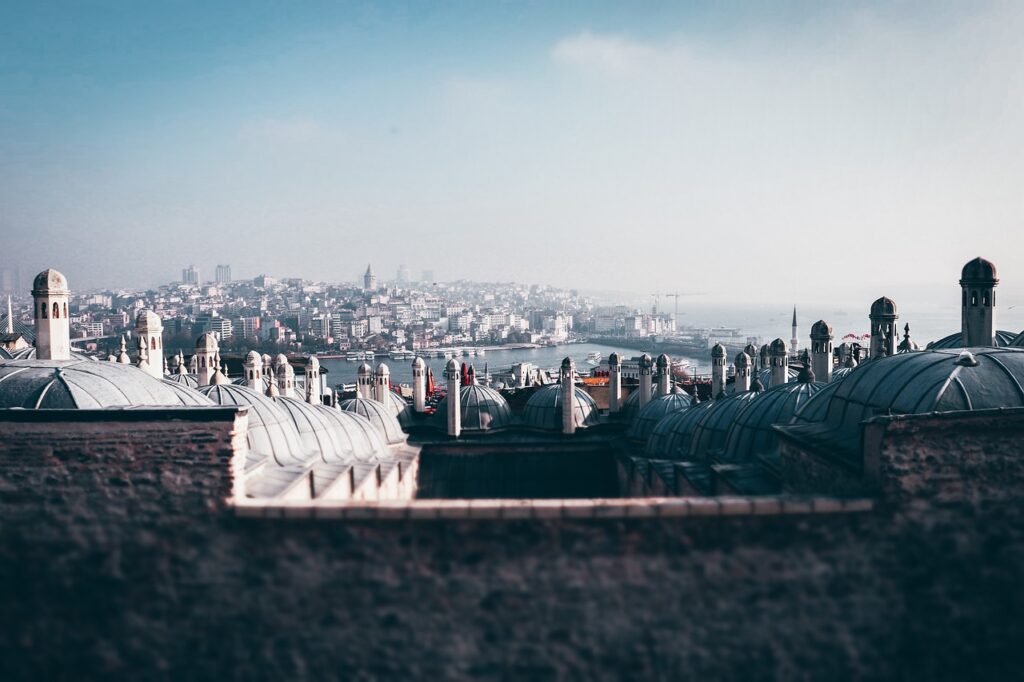
The ferry sets you down at the main pier in the center of town, and the island opens up in front of you in one glance. A square of cafes lines the waterfront, the main shopping street runs inland, phaetons wait in their queue, bicycle rentals line the side streets.
Take your time before moving on. The harbor is the social heart of the island, where ferry commuters, day-trippers, and locals all cross paths. If you need a map, a hat, or a cold drink, this is the place to sort yourself out. The main streets are clearly signed, and almost every path leads back to the water.
One caution: the island’s transport options, from phaetons to bicycles, depart from the harbor area, so it pays to settle your plan before wandering off. Most visitors either walk uphill first, while the energy is high, or hire a bicycle and leave the climb for the afternoon.
The Car-Free Streets and Phaetons
Buyukada banned private cars long ago, and the horse-drawn phaeton remains the island’s traditional transport. The carriages wait at the harbor and offer set routes, most famously the long climb up to the monastery of St George. The ride is slow, measured, and surprisingly romantic, with the horses stepping steadily through the pine forest.
The phaetons follow fixed routes with published fares, so there is no haggling in the street. Agree on the destination before you climb in. In high summer the horses work hard, and many visitors walk or cycle for that reason, leaving the carriages to those who need them.
If you prefer your own wheels, bicycle rental shops cluster near the harbor, and the island’s ring road is gentle enough for most riders. The only rule is common sense: the road is shared by walkers, carriages, and cyclists, so keep a relaxed pace.

Climbing to St George Monastery
The island’s signature outing is the walk or ride to the monastery of St George, which sits on one of the island’s highest hills, wrapped in forest and silence. The climb on foot takes the better part of an hour from the harbor and passes through pine woods that smell wonderful in the afternoon heat.
The monastery itself is small, simple, and ancient, with a courtyard, a chapel, and a terrace that opens onto a sweeping view of the Marmara and the neighboring islands. On clear days you can see the Asian shore of Istanbul and, far off, the silhouette of the city’s towers.
A string of stalls lines the path up the hill, selling tea, prayer ribbons, and small souvenirs. The climb is gentle but steady, so wear comfortable shoes and carry water. Go early in the morning for cooler air and smaller crowds, or late in the day for the light.
Cycling the Island Circuit
The ring road around Buyukada is roughly eleven kilometers, and it is the island’s great gift to cyclists. Most of it is flat or gently rolling, hugging the coast with views of the sea, and you can complete the circuit in about an hour, stopping whenever the water tempts you.
Rental shops at the harbor offer bicycles for the day, and there are no steep passes to fear on the coastal route. Watch for phaetons and walkers sharing the road.
Halfway around you will pass the island’s beaches and swimming coves, where a dip can interrupt the ride with zero planning. The southern shore, facing the open Marmara, is the wilder stretch, with fewer houses and more pine forest, and it is where the island feels most like an island.
Beaches and Swimming
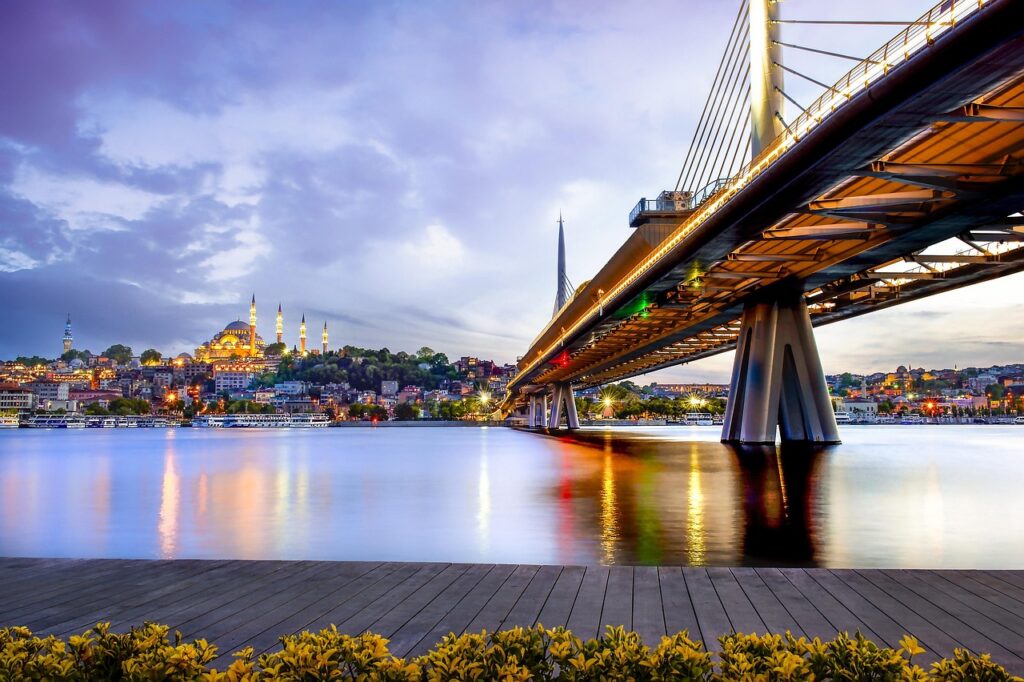
For many visitors, the whole point of Buyukada is swimming. The island has a handful of beaches, mostly on the southern and eastern shores, with clear water and views across to the other islands. Some are organized, with changing rooms and cafes; others are simple rocky coves where you find a flat rock and dive in.
The water is at its warmest from late June through September, and the beaches are busiest on summer weekends. If you want peace, come on a weekday or in the shoulder months, when the sea is still inviting but the crowds are gone.
There are no wide sandy expanses here; most island swimming is from concrete platforms, small beaches, or rocky shelves, and the seabed can be stony, so water shoes are a sensible addition to your bag.
The Wooden Mansion Streets
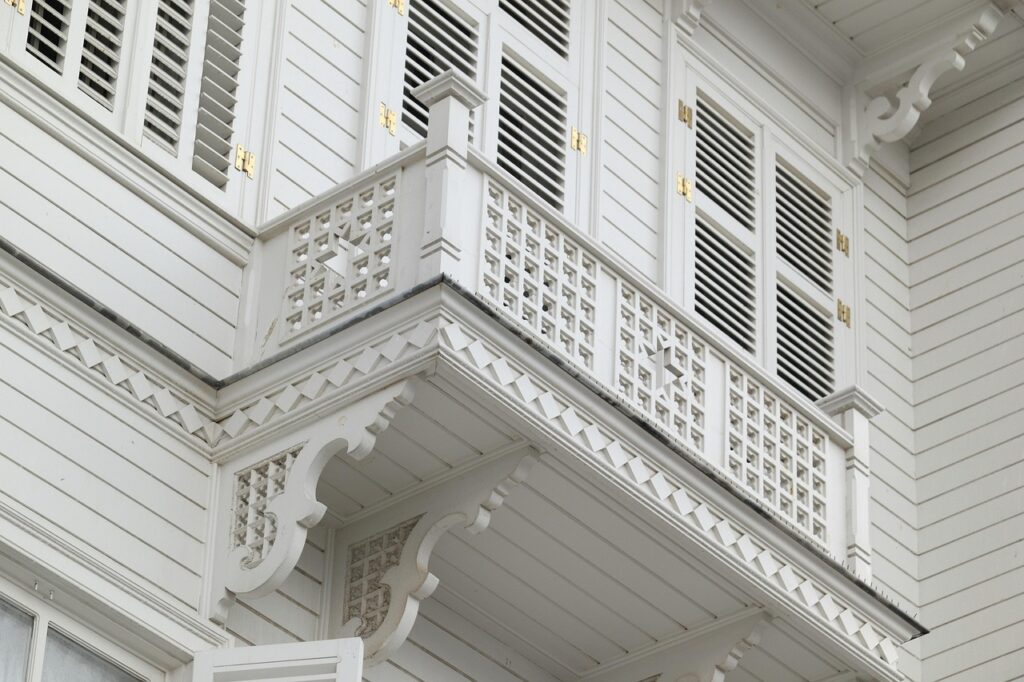
Buyukada’s historic wooden mansions, built in the nineteenth century as summer houses for wealthy Istanbul families, are one of the island’s greatest treasures. They line the quieter streets of Nizam and Maden in rows of painted wood, with bay windows, carved balconies, and gardens full of fig trees and bougainvillea.
Many of these houses are still private homes, carefully restored, while others have become guesthouses and restaurants. Walk slowly and look up: the details, from ornate doorways to decorative trim, reward a second glance. The best streets to wander are on the hillsides above the harbor, where the views match the architecture.
These mansions are fragile, and a fire in one wooden house can threaten its neighbors, which is why you will see restoration scaffolding on almost every street. Respect the private homes, keep to the public lanes, and you can enjoy a neighborhood that has changed little in a hundred years.
Eating and Drinking on the Island
The harborfront is lined with restaurants where the specialty is fresh fish, served simply with meze and salad as the sun drops behind the sea. Prices by the water tend to run higher than in the side streets, where the same family kitchen traditions feed the island’s residents.
For breakfast, the island’s cafes serve the classic Turkish spread: cheese, olives, eggs, tomatoes, honey, and fresh bread, with tea. For lunch, a plate of fried fish or a meze selection is the standard. Ice cream stands and simit carts appear wherever crowds gather, and the tea gardens up the hill are perfect for an afternoon pause.
There are no fast-food chains of note on the island, which is part of its charm.You eat what the sea and the gardens provide.
Practical Advice for Your First Visit
A few small preparations will make your first day on Buyukada smoother. Take cash, because not every small shop, phaeton driver, or tea garden accepts cards. Carry water and a hat in summer, and a light layer for the evening, when the sea breeze can surprise you. Comfortable shoes matter most.
Decide how long to stay. A day trip is enough to walk the town, climb to the monastery, and swim, but an overnight visit reveals the island after the last ferry leaves, when the streets empty and the place belongs to the islanders. If you can, book a night.
Finally, remember that Buyukada is a working community, not a theme park. Residents commute, children go to school, and the horses have a real day of work. Treat the island with the same courtesy you would show any neighborhood, and it will treat you warmly in return.
Frequently asked questions
How long should I spend on Buyukada?
A day trip works well if you plan ahead: arrive on the first morning ferry, walk the town, climb to St George, and swim before the last boat home. For a more relaxed experience, stay one night. The evening after the ferries leave is the island at its most peaceful, and a second morning lets you cycle the full circuit.
Can I use a car on Buyukada?
No. Private cars are not allowed on the island, and the streets are designed for walking, cycling, and horse-drawn carriages. The only motor vehicles are service and emergency vehicles,. You get around on foot, by bicycle, or by phaeton from the harbor.
When is the best time to visit Buyukada?
The island is at its best from late spring through early autumn, when swimming is possible and the ferries run often. September is a favorite: the sea is still warm, the crowds thin, and the light is golden. Winter has its own quiet beauty, but many cafes and some hotels close, and the weather is unpredictable.

All Over Information
The All Over Information editorial team researches and writes practical English-language guides to Turkey. Facts are checked against official and local sources before publication, prices are published as dated ranges rather than quotes, and guides are revised when things change. We accept no sponsored posts, paid placements or paid links.
More guides like this
Buyukada in Summer: A Complete Travel Guide
Summer is Buyukada's season of full bloom.

Nightlife Guide to Buyukada
Buyukada is not Istanbul, and its nightlife does not try to be.

48 Hours in Buyukada: The Perfect Itinerary
Two days on Buyukada is the ideal amount of time to experience the largest of the Princes' Islands properly.

Family-Friendly Activities in Buyukada
Buyukada is one of the most family-friendly destinations near Istanbul, and Istanbul families have known it for generations.

Buyukada in Winter: What to Expect
Most travelers see Buyukada in the warm months, when the beaches fill and the ferries run like clockwork. Winter is a different…
Buyukada on a Budget: Money-Saving Travel Tips
Buyukada is one of Istanbul's most affordable escapes, because the island's greatest pleasures, the sea, the pines, the walking, and the swimming,…