Bitlis is a small province with a giant landscape. The city holds one of the most dramatic medieval settings in Turkey, a castle above a river gorge, and the countryside around it adds a volcanic crater lake, a Seljuk necropolis, and the shore of Lake Van. This list gathers the best things to do in and around Bitlis, ordered so that a day in the city flows naturally into the days beyond it.
1. Climb to the Castle of Bitlis
The castle is the reason Bitlis looks the way it does. It crowns the volcanic rock in the middle of the city, its walls following the contours of the summit, and it has guarded the town and the gorge since the medieval centuries.
The climb is steep and takes you through the lower town, past the old houses and the mosques, before the final ascent to the walls. The view from the top is the payoff: the whole valley, the river, the town, and the mountains closing the horizon.
Go in the morning or the late afternoon, when the light is low and the heat is gone. The summit is quiet, and the feeling of having the city at your feet is the strongest image of Bitlis you will take home.
2. Wander the Old Town Below the Castle
The old town of Bitlis is the living monument of the province, and wandering it is the essential experience. The stone houses climb the valley sides, built for the cold and the snow, with courtyards, wooden details, and lanes that follow the contours.
The quarter is authentic because it is lived in: the shops, the bakeries, the tea gardens, and the daily life of the town flowing around the medieval fabric. There is no tourist strip here, and that is the point.
Allow a morning for the lanes, with no plan beyond following the interesting ones. The mosques appear around corners, the bridges cross the river, and the town reveals itself at its own pace.
3. See the Ulu Mosque
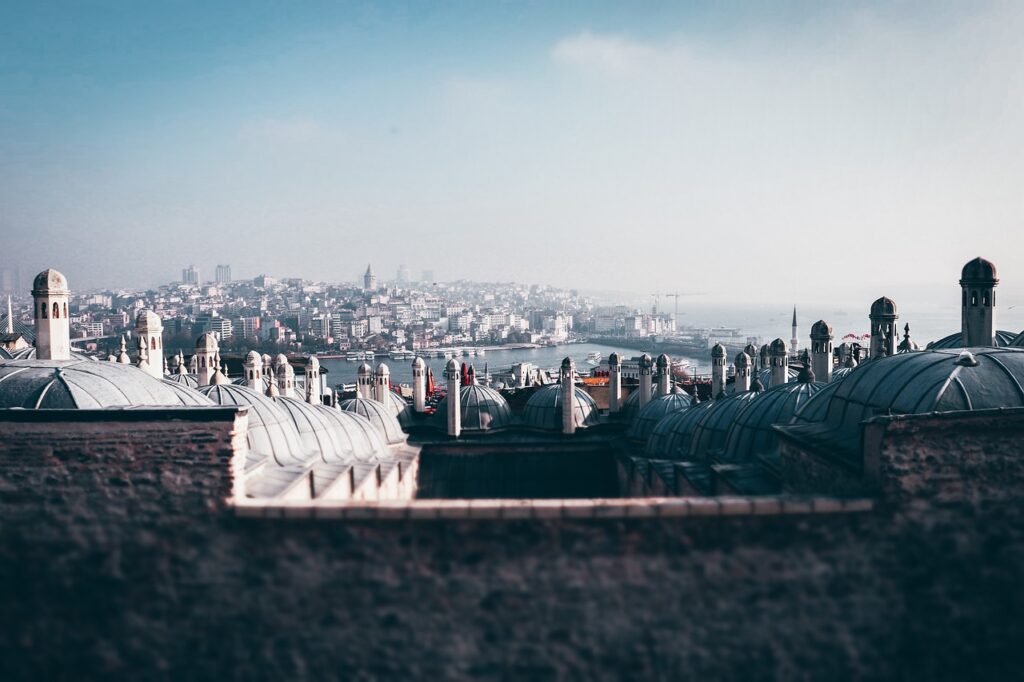
The Ulu Mosque of Bitlis is one of the oldest Seljuk mosques in Anatolia, built in the twelfth century, and it anchors the old town with the confidence of a building that has been in use for nine centuries.
The architecture is the sturdy stone style of the eastern Seljuk world: massive walls, a simple plan, and a minaret that has watched over the town through all its changes. The interior is plain and dignified, a place of worship rather than a museum.
The mosque sits at the heart of the old town, so it appears naturally on any walk. Step inside respectfully, take in the calm, and appreciate a building that has served the same purpose since the Middle Ages.
4. Visit the Ihlasiye Medrese
The most beautiful building in Bitlis is the Ihlasiye Medrese, the medieval college built in the thirteenth century. Its courtyard, with a pool at the center, is framed by stone arches that catch the light all day.
The medrese is a complete medieval complex: the prayer hall, the student rooms, and the courtyard where the teaching happened, all carved in the fine stonework of the Seljuk age. It is the monument that first-timers photograph most.
The medrese sits close to the mosque and the old town, so it belongs in any itinerary. Allow time to sit in the courtyard, because the building works its effect slowly, and the pool and the arches deserve the patience.
5. Walk the Bridges of the River
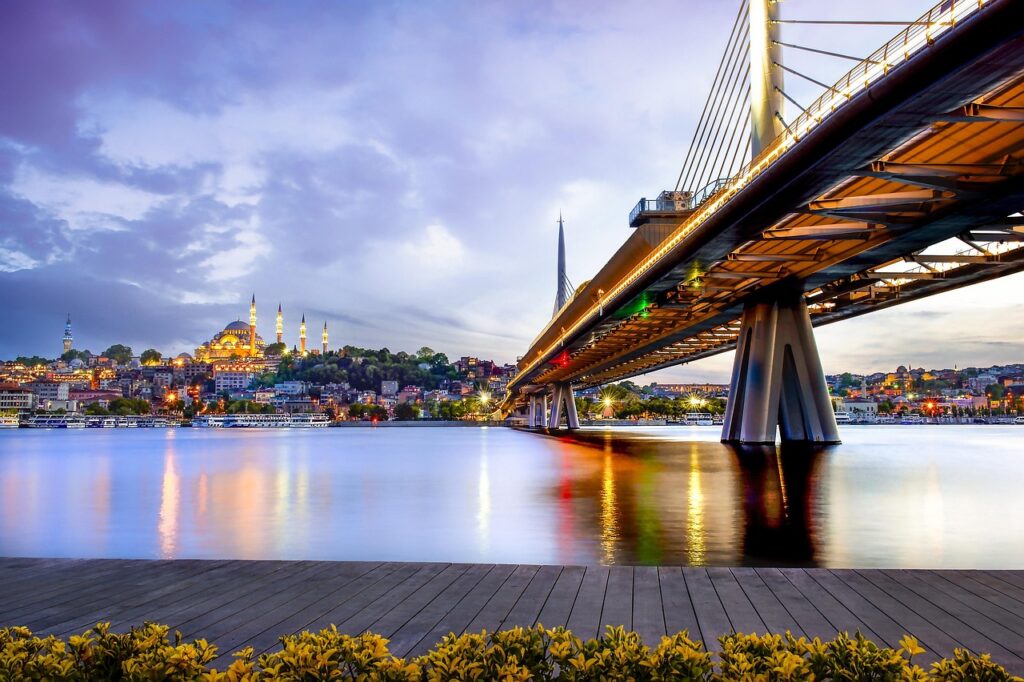
The Bitlis River runs through the city at the bottom of the gorge, and its bridges are the town’s quiet architectural treasures. They cross the water at every level of the valley, connecting the quarters of the town.
The old stone bridges, some of them centuries old, carry the daily traffic of the town, and standing on one gives you the classic Bitlis view: the water below, the houses above, and the castle on its rock.
Crossing the river back and forth, looking up at the town, is the best way to understand the city’s strange, beautiful situation. The river is the reason Bitlis exists, and the bridges are where you feel it.
6. Drive to the Lake at Tatvan
The province’s northern face is Lake Van, and Tatvan is the town that opens it. The lakeside promenade, the mountains rising from the water, and the boats and ferries that link the lake towns give the province its resort atmosphere.
The lake dominates the view: vast, blue, and framed by volcanoes, with the peak of Suphan rising beyond the shore. The town itself is easy and friendly, with fish restaurants along the water serving the lake’s famous catch.
A day at Tatvan, with a lakeside walk, a fish lunch, and the sunset over the water, is the province’s most relaxed experience. It is also the natural base for the volcano excursions.

7. Explore the Seljuk Cemetery at Ahlat
Ahlat, on the lake shore, holds one of the great medieval sites of Turkey: a vast cemetery of the Seljuk age, its ground thick with carved tombstones and memorial towers. It is one of the most important burial grounds of its kind in Anatolia.
The stones are the art: tall slabs carved with geometric patterns, inscriptions, and the figures of their age, standing in rows that stretch across the field. The tomb towers nearby, the works of the medieval rulers of the region, complete the site.
Ahlat is a half day from Bitlis, and it is the province’s most important historical site after the city itself. The silence of the cemetery, with the lake beyond, is one of the great experiences of eastern Turkey.
8. Look into the Crater Lake of Nemrut
The Nemrut volcano rises above the lake region, and its caldera holds a crater lake that is one of the largest in the world of its kind. The road climbs through the mountain, and the crater opens suddenly: a vast basin of rock and water.
The crater lake, fed by the volcano’s springs, lies at the bottom of the caldera, and the rim walks give views over the whole region: Lake Van, the mountains, and the plains. The landscape is otherworldly, and the silence at the top is complete.
Nemrut is a full day from Bitlis, and the altitude and the road make it a serious outing. It is the province’s greatest natural sight, and the day at the crater is the one you will tell everyone about.

9. Taste the Buryan and the Kaymak of the Province
The food of Bitlis is the food of the eastern highlands, and its specialties are worth planning around. The signature is buryan, the lamb kebab cooked in a stone-lined pit, tender and smoky, served on the flatbread of the region.
The dairy is the other pride: the butter of the highlands, the kurut of the winter larder, and above all the kaymak of Adilcevaz, the clotted cream of the lake shore that is famous across the region. The breakfast table, with the cream and the honey, is a ceremony.
The fish of Lake Van, the pearl mullet, appears grilled in the lake towns, and the tea of the highlands runs through everything. Eating here is the fast way into the culture.
10. See the Tomb Towers and the Skyline
The skyline of Bitlis is notched with the tombs of its medieval centuries, and the towers give the town its last architectural signature. The tomb of the medieval rulers stands among the houses, its carved stone and its conical roof rising above the rooftops.
The towers belong to the Seljuk and later traditions of the region, the same tradition that built the great tombs of Ahlat, and they reward a closer look: the carving, the proportions, and the age of the stone.
The tomb towers are the quiet end of the Bitlis circuit, and the skyline they make, with the castle above and the mountains beyond, is the image of the city. Find the viewpoint, look up, and the town’s whole history is in the silhouette.
11. Catch the Light Over the Valley
Bitlis is a city of light as much as of stone. The gorge is deep, and the sun arrives late and leaves early, which means the light works the town’s surfaces all day: the castle rock warming at midday, the houses catching the last rays while the valley floor is already in shadow.
The classic hour is the late afternoon, when the west-facing slopes of the gorge glow and the minarets and the tomb towers catch the sun against the darkening mountain behind them. Find a tea garden on the upper terraces, or walk the old road above the town, and watch the day close over the valley.
Photographers will want the morning too, when the light comes down the gorge and the river runs bright below the old bridges. Give the town these two moments, and you will leave with the images that explain why Bitlis is unforgettable.
Frequently asked questions
How long do you need at the castle?
The climb from the old town takes twenty to thirty minutes at a steady pace, and the walls and the summit deserve at least half an hour more, with time for the views. Give the castle an hour to an hour and a half in total, and pair it with a wander through the old town below.
Can you see Nemrut in a day from Bitlis?
Yes, but it is a full day. The drive from Bitlis to the crater takes a couple of hours each way, and the crater itself deserves two to three hours on the rim and by the water. Start early, pack food and water, and check the road and the weather before setting out.
What is the best way to combine the lake sights?
Base yourself at Tatvan for the lake: the shore is on your doorstep, Ahlat is a short drive along the coast, and the Nemrut road leaves from the same area. From the city of Bitlis, the lake is a day trip each way. For two or three days, split the nights between the city and the lake.

All Over Information
The All Over Information editorial team researches and writes practical English-language guides to Turkey. Facts are checked against official and local sources before publication, prices are published as dated ranges rather than quotes, and guides are revised when things change. We accept no sponsored posts, paid placements or paid links.
More guides like this

A First-Timer’s Guide to Bitlis
Bitlis is eastern Turkey at its most dramatic: a medieval city squeezed into a river gorge, beneath a castle on a volcanic…
Best Local Food in Bitlis
The food of Bitlis is the food of the eastern highlands, built for cold winters, high pastures, and the shores of a…

Where to Stay in Bitlis
Bitlis is not a province of resort hotels, and that is part of its appeal.
History and Culture of Bitlis
Bitlis is a province where history sits in layers, from the ancient fortress on its rock to the medieval cemetery by the…