Tokat is one of those cities that rewards the traveler who stops. Sitting on the Yeşilırmak river at the meeting point of ancient trade routes, it combines a dramatic citadel, Seljuk and Ottoman monuments, a restored old town, and a celebrated cave system. It is compact enough to explore in a day or two, yet rich enough to fill a longer stay.
Here are the top things to do in Tokat, in the order worth thinking about.
1. Climb the Citadel
The Tokat citadel crowns the rocky hill above the city, and climbing it is the essential Tokat experience. The fortress is ancient in origin, with walls that rise directly from the cliffs, and it has watched over the river crossing for centuries. The path up winds through the old town before the final steep ascent.
The reward is a panoramic view over the red-tiled roofs, the river, and the mountains beyond, a sight that explains at once why the city was founded here. Go in the late afternoon, when the light softens and the shadows lengthen across the valley. The climb takes about half an hour each way, and the view alone makes it worth every step.
2. Walk Sulu Sokak
The restored Ottoman street of Sulu Sokak is the heart of old Tokat and the symbol of the city’s renewal. Lined with carefully restored houses whose wooden upper floors lean over the cobbles, it feels like stepping into a nineteenth-century town. The street is lively with cafes, workshops, and locals going about their day.
Take your time and follow the side lanes to the courtyards, fountains, and smaller houses that the main street hides. Several of the historic buildings are open to visitors, offering a glimpse of how the merchants of Tokat lived. The street is at its best in the morning, when the light is soft and the day is just beginning.
3. Visit Gök Medrese and the Museum
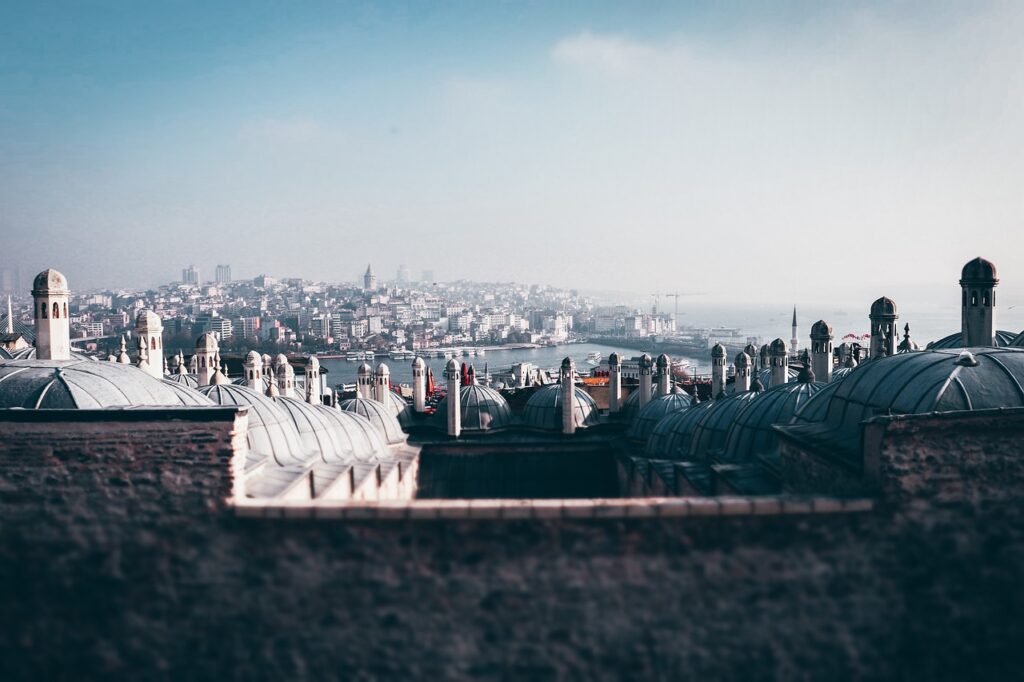
Gök Medrese is the finest Seljuk building in Tokat, a thirteenth-century theological school whose carved stone facade and twin minarets are masterpieces of the period. Today it houses the city museum, and the combination makes it the cultural centerpiece of Tokat. The building alone is worth the visit.
Inside, the collections cover the region’s long history, from ancient settlements to the Ottoman era, including the crafts and daily life of the old town. The courtyard, with its arcades and fountain, is a peaceful place to sit. Give yourself at least an hour to appreciate both the architecture and the exhibits.
4. Explore Taşhan
Taşhan, the great stone inn of Tokat, is one of the largest and best-preserved caravanserais in Anatolia. Built in the Seljuk period to shelter the merchants and caravans on the trade routes, it encloses a vast courtyard ringed by two floors of rooms and arcades. Walking through it, you can almost hear the camels and the traders of centuries past.
The han has been restored and now hosts shops, workshops, and cafes, giving it new life while preserving its character. Climb to the upper gallery for the best view of the courtyard below. Taşhan is the perfect place to understand why Tokat mattered so much to the medieval world.

5. Discover Ballıca Cave
Half an hour from the city, near the town of Pazar, Ballıca Cave is one of the finest show caves in Turkey. Its vast chambers are filled with stalactites, stalagmites, and terraced pools, and the guided walk through the formations takes about an hour. The scale of the interior genuinely surprises most visitors.
The cave is cool all year round, so bring a light layer even in summer, and the walkways are well maintained. Outside, the forested countryside around Pazar offers picnic spots and easy walks. Combine the cave with lunch in the town below, and you have one of the best half-days in the region.
6. Shop the Bazaar for Local Crafts
The bazaar of Tokat continues a commercial tradition centuries old. Around the bedesten and the workshops of the old market, you will find copperware, textiles, and the printed fabrics for which the city is famous. These are working workshops, and the craftsmen are usually happy to show their work.
The printed cloth of Tokat, made with traditional block-printing techniques, makes a distinctive souvenir, as do the copper pots and trays. Buy tea, spices, and local produce from the food stalls, and do not be surprised if you are offered a glass of tea while you browse. The bazaar is the living heart of the city.
7. Try Tokat Kebabı and Local Food
Tokat’s cuisine is built on the produce of the Yeşilırmak valley, and the city’s signature dish is Tokat kebabı, meat and eggplant cooked together into a rich, satisfying plate. Batırık, a cool yogurt meze with vegetables, is the essential summer companion, and the famous vine leaves of the region appear as dolma across the menus.
Breakfast is a generous spread of local cheeses, honey, and bread, and the bakeries of the city are excellent. In season, the walnuts and fruit of the valley finish the meal. Eat at the lokantas where the locals gather, and let the seasonal produce guide you through the Tokat table.
8. Visit Niksar
An hour from Tokat, the town of Niksar has a history that rivals its neighbor. Once the capital of the Danishmend dynasty, it is dominated by its own castle above the town, with the ruins of the medieval city spread beneath. The town also preserves fine mosques and hans from its centuries of importance.
The castle climb and the old quarter make Niksar a rewarding day trip, and the town’s position in the green valley of the Kelkit river adds to the scenery. Combine it with a look at the surrounding countryside, and you will understand why this small town played such a large role in the region’s history.

9. See the Ruins of Komana
A short drive from Tokat, the ancient site of Komana was a sacred city of considerable importance in antiquity, home to a great temple complex and a wealthy priesthood. The ruins, spread over the countryside near the village of Gümenek, are less restored than the grander sites of Turkey, which is part of their appeal.
Walking the site, you will find scattered stones, the outlines of buildings, and the remains of the ancient settlement stretching along the river plain. The setting, with the river and the mountains, is beautiful in any season. For travelers interested in the deeper history of the region, Komana is a quiet and atmospheric detour.
10. Explore the Yeşilırmak Valley
The river that runs through Tokat gives the whole region its character. The Yeşilırmak valley combines orchards, walnut groves, and green fields with steep, forested slopes, and the roads along the river are among the most pleasant drives in northern Turkey. In spring, the valley is at its most beautiful, when the trees are in bloom.
There are easy walks along the river and picnic spots in the shade, and the small villages along the way preserve a way of life that has changed little. The valley also connects the sights of the region, from the cave at Pazar to the ancient sites around Tokat. It is the green thread that ties the whole area together.
11. Visit Zile and Its Fortress
The old town of Zile, about an hour and a half from Tokat, is one of the most historically layered places in the region. Its great fortress rises from a cone-shaped hill at the center of the town, surrounded by the lanes of the old quarter. Zile is famous in history as the place where Julius Caesar is said to have announced his swift victory, and the town is proud of the story.
The climb to the fortress gives a wide view over the plains and the town below, and the old quarter around the hill is worth exploring for its traditional houses and lively market. Combine Zile with the return road through the countryside for a full and interesting day out from Tokat.
12. Relax in a Historic Hammam
No visit to a city of this age is complete without a Turkish bath, and Tokat has a fine historic hammam in the Ottoman style. These bathhouses are part of the social life of the city, and a visit is as much about the ritual of washing, scrubbing, and resting as it is about the building itself.
The experience follows the traditional sequence: a warm stone room, a hot marble platform, a thorough scrub, and a quiet rest with tea afterward. It is a wonderful way to end a day of walking the citadel and the old town, and it gives you a direct connection to the daily habits of the people who built this city.
Frequently asked questions
How many days do I need to see Tokat?
Two days is ideal. The first day covers the citadel, Sulu Sokak, Gök Medrese, Taşhan, and the bazaar, and the second adds Ballıca Cave and a trip to Niksar or Komana. If you are passing through, even a single night allows you to see the old town and the citadel at a relaxed pace.
What is Tokat’s most famous attraction?
The citadel is the symbol of the city, but the restored Ottoman street of Sulu Sokak and the Seljuk Gök Medrese are equally unmissable. Ballıca Cave is the region’s greatest natural wonder. The bazaar and the food, especially Tokat kebabı, complete the picture of this historic trade city.
Is Ballıca Cave suitable for all visitors?
Yes, for most visitors. The cave has maintained walkways and stairs, and the guided route takes about an hour at a gentle pace. It is cool inside, so bring a layer, and wear shoes with grip. The cave is not suitable for visitors who cannot manage stairs, but the surrounding countryside offers easier alternatives.

All Over Information
The All Over Information editorial team researches and writes practical English-language guides to Turkey. Facts are checked against official and local sources before publication, prices are published as dated ranges rather than quotes, and guides are revised when things change. We accept no sponsored posts, paid placements or paid links.
More guides like this

Day Trip Ideas from Tokat
Tokat sits at the center of a region rich in history and scenery, and it makes an excellent base for exploring it.
Best Local Food in Tokat
Tokat's kitchen is a hidden treasure of Turkish cuisine, built on the rich produce of the Yeşilırmak valley.

A First-Timer’s Guide to Tokat
Tokat sits on the Yeşilırmak river at the crossroads of ancient trade routes, a city that has hosted caravans, sultans, and merchants…

Where to Stay in Tokat
Tokat is not a resort, and that is part of its charm. It is a real, working city with a beautifully preserved…
History and Culture of Tokat
Tokat has been a crossroads for most of its history, a place where the routes between the Black Sea, central Anatolia, and…