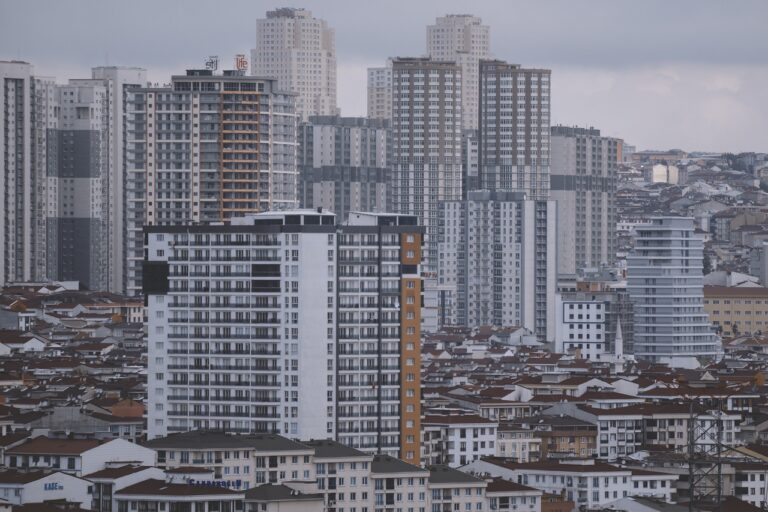
Sariyer sits at the far northern end of Istanbul’s European shore, where the Bosphorus widens into the Black Sea. First-time visitors usually meet it as a day trip: a ferry ride up the strait, a fish lunch by the water, and a cruise back past the old mansions. But a full visit shows more: a working fishing town, elegant Bosphorus villages, a vast forest with walking trails, and an open sea coast with beaches. This guide walks you through all of it, from the ferry pier to the forest gate.
Why Sariyer Works for First-Timers
Sariyer is the northernmost district on the European bank of the Bosphorus, bordering the Black Sea. It is far from the tourist crowds of the old city, yet easy to reach by ferry, bus, or metro, and it shows a side of Istanbul that Sultanahmet cannot: a place where fishing boats, forests, and grand waterside mansions sit side by side.
The district rewards first-timers because it is honest. The village center is a real market town, not a stage set. Fishermen still mend their nets at the piers, the weekly market still feeds the neighborhood, and the forest beyond the last houses is genuinely wild.
That authenticity does not mean rough edges: the waterfront is well kept, the promenades are easy walking, and the cafes are friendly.
Getting to Sariyer
The most scenic way in is by sea. Public ferries run from Eminönü and Beşiktaş up the Bosphorus, stopping at the coastal villages and ending at Rumeli Kavağı, at the strait’s mouth. The ride takes about an hour and a half, with fortresses, palaces, and mansions sliding past the window.
On land, the metro reaches Haciosman at the district’s inland edge; from there, buses and minibuses run down to the coast. Coastal buses also climb the whole Bosphorus road, and the minibuses that shuttle between the villages are fast and cheap.
If you drive, expect weekend traffic, because the coastal road is one of the city’s favorite escape routes. A simple plan: go up by ferry, come back by bus, and you will have seen the district from both angles.
The Village Center and the Fish Market
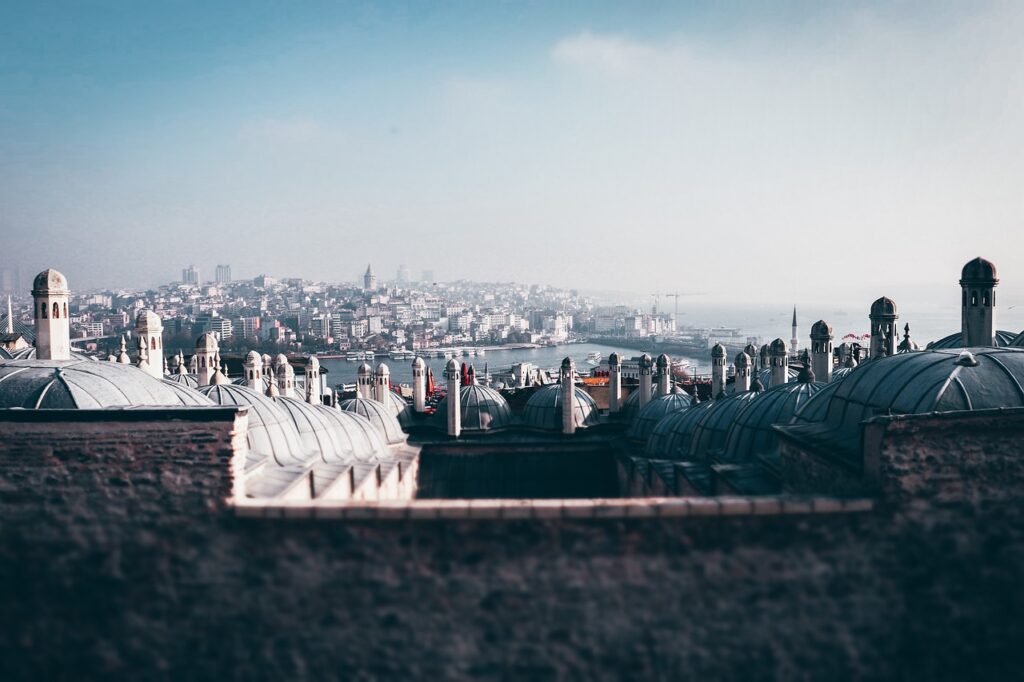
The heart of Sariyer is the village center, a compact warren of streets behind the ferry landing. The main square is a meeting point where minibuses turn around, men play backgammon at the tea gardens, and the day starts early with the arrival of the boats.
Behind the square lies the fish market, where the morning catch is displayed on ice. You can buy fish to cook yourself or simply watch the traders at work. Around it, a lively street sells olives, cheese, vegetables, and bread.
The center is also where to taste Sariyer’s most famous food: Sariyer böreği, a flaky pastry filled with cheese or meat that the town has baked for generations.
Riding the Ferry Up the Bosphorus
For most visitors, the ferry is the gateway to Sariyer, and it deserves attention of its own because it is half the experience. The crossing passes under the three bridges, past the fortress of Rumeli Hisarı, and along a shoreline of wooden houses and parks.
The traditional ferries make the full run in about an hour and a half, and the upper deck is the place to be: wind in your hair, gulls following the wake, and the city’s skyline shrinking behind you. On a clear day you can see all the way to the Black Sea at the end of the channel.
Time your ride for the morning, when the light falls on the European shore, and return in the late afternoon, when the sun warms the Asian hills. Either way, the boat turns the journey into the first item on your itinerary.

The Bosphorus Villages of the Coast
Between the central city and Sariyer, the coast is strung with villages that were once separate fishing communities. İstinye wraps around a deep bay and is now a marina. Tarabya, with its long promenade, was long a favorite of ambassadors. Yeniköy shows rows of restored wooden houses behind its fish restaurants.
Each village has its own pier, park, and character, and they are close enough that you can walk between several in a single afternoon, following the waterfront paths that link them. In Büyükdere you will find a quiet village with an important private museum; in Emirgan, a grand park planted with tulips in spring.
Because these villages line the water, the simplest way to see them is from the deck of the ferry, hopping off wherever a village catches your eye and boarding the next boat onward. That is the classic Bosphorus day, and Sariyer’s coast is its finest stretch.
Rumeli Kavağı: The End of the Line
At the very end of the European Bosphorus sits Rumeli Kavağı, the ferry terminus and the most village-like spot in the district. The strait is wide here, the water greener, and the current strong as it draws toward the Black Sea.
Rumeli Kavağı’s life is built around fishing. Small boats bob at the quay, nets dry on the rails, and the restaurants along the shore cook whatever came in that morning. It is quiet by Istanbul standards: just water, boats, and a great sky.
The village is also the natural turnaround point for your boat trip. Ferries pause here long enough for a quick walk and a snack before heading back, or you can stay longer and take a later boat. Across the channel, Anadolu Kavağı plays the same role on the Asian side, and the two villages face each other across the widening strait.
Belgrade Forest and the Atatürk Arboretum
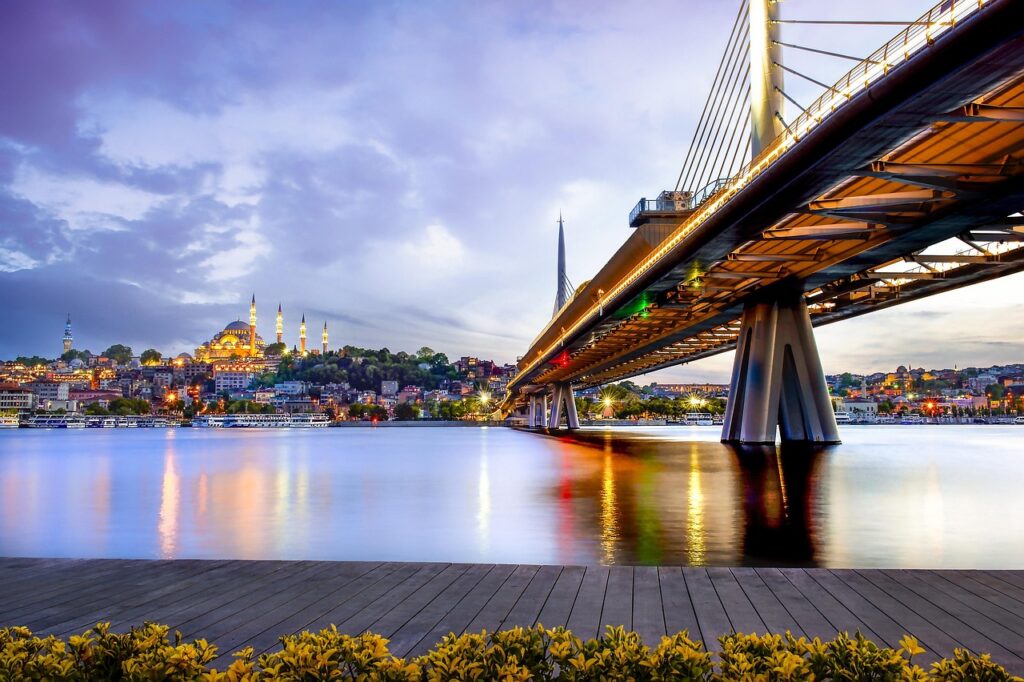
Just inland from the coast, the district rises into the Belgrade Forest, a vast woodland that stretches over the hills behind Sariyer. Named for the villagers settled here in the sixteenth century, it has long been a source of water for the city, and its old dams and aqueducts still stand among the trees.
Walking trails wind through beech, oak, and pine, with picnic clearings and viewpoints. The forest is a favorite weekend escape for Istanbul families, and its paths suit walkers of every level. In summer it is noticeably cooler than the city.
Beside the forest lies the Atatürk Arboretum, a scientific collection of trees and shrubs from around the world. Its ponds, bridges, and labeled specimens make it part botanic garden, part park. Access is limited and seasonal, so check current rules before planning your visit.
The Black Sea Coast at Kilyos
North of the forest, the land ends at the Black Sea, and there Sariyer owns a stretch of open coast around the village of Kilyos, also known as Kumköy. The beaches here are different from anything on the Bosphorus: wide sands, strong waves, and a horizon with no far shore.
Kilyos is a summer place. In warm months, crowds arrive by bus and car for the beach, the simple seafood restaurants, and the sunset. The water is colder and rougher than the Marmara, and swimming is best on guarded beaches and in calm weather.
The village has quiet charms in other seasons: long empty walks, dunes, a small historic fort on the headland, and that open-sea feeling rare so close to a great city. Even without swimming, the ride from the center passes forest and farmland in a few kilometers.

Where to Eat on a First Visit
Eating is the heart of any Sariyer visit, and the first rule is to follow the fishing calendar. The best meals happen in the autumn and winter months, when the Bosphorus and Black Sea fish are at their peak; summer is busy, but the boats still land plenty of sea bass and other favorites.
The waterfront is lined with fish restaurants, though locals often prefer the quieter tables at Rumeli Kavağı and the neighboring villages, where the menu changes with the catch. Order meze to start, a whole grilled fish to follow, and tea or raki according to taste.
For a cheap and essential taste of the town, do not skip Sariyer böreği, the local pastry specialty, and the breakfast spots that feed the market crowds in the morning. Save room for the tea gardens, where a glass of tea and the harbor view are the traditional dessert.
First-Timer Practical Tips
A few notes make a first visit smoother. Carry an Istanbulkart, the city’s reloadable transit card, which works on ferries, buses, and metro, and you can tap a contactless card on most readers. Check the ferry timetable before you go; the boats thin out in the evening and on winter weekdays.
Dress for the weather in layers. The strait can be windy and the forest damp, even when the center of Istanbul is warm, and the temperature drops noticeably as you head north. Sun protection matters on the water, and comfortable shoes matter everywhere, because the villages are best seen on foot.
Finally, allow a full day and do not try to see everything. A ferry ride, a village lunch, an hour in the forest, and an evening by the harbor are already a perfect introduction. Sariyer rewards return visits, and there will be time to explore more next time.
Frequently asked questions
How much time should I plan for a first visit to Sariyer?
Plan a full day, from mid-morning to evening. The boat ride up the Bosphorus takes about an hour and a half, the village and fish market deserve a couple of hours, and a meal by the water needs another two. Add an afternoon in the forest or a trip to the Black Sea coast and you will use every daylight hour. If you want to combine coast, forest, and beach, consider staying overnight or splitting the visit across two days.
Is the ferry to Sariyer worth taking, or should I go by road?
The ferry is worth it. It turns the journey into a sightseeing cruise past the fortresses, palaces, and waterfront mansions of the Bosphorus, and it lets you watch the villages go by from the water, which is how the strait makes sense. It is also relaxing: no traffic, no parking. The road is faster only if you are already driving. Many visitors take the boat north and a bus or minibus back, which gives you both perspectives.
Can I swim in Sariyer?
On the Bosphorus side, swimming is generally not recommended: the current is strong, and the water is a busy shipping lane. The place for swimming is the Black Sea coast at Kilyos, where beaches open in summer and guarded stretches suit families. Even there, the water is cooler and rougher than the Marmara Sea, and it is sensible to swim only where lifeguards are present and in calm conditions. Ask locally about the current conditions before you go in.

All Over Information
The All Over Information editorial team researches and writes practical English-language guides to Turkey. Facts are checked against official and local sources before publication, prices are published as dated ranges rather than quotes, and guides are revised when things change. We accept no sponsored posts, paid placements or paid links.
More guides like this

Best Local Restaurants in Sariyer
The food of Sariyer is the food of the water: fresh fish, meze, and the famous flaky pastry called Sariyer böreği.
Sariyer Airport and Transport Guide
Getting to Sariyer is a journey across the whole of Istanbul, and knowing the transport options turns that journey into part of…
Best Time of Year to Visit Sariyer
Sariyer is a district of four distinct seasons, and each one shows a different face of the northern shore.


Family-Friendly Activities in Sariyer
Sariyer is a district built for family outings.