Turkey has become a serious destination for remote workers, and the internet is a big part of the reason. The major cities offer fast fiber connections, mobile data that handles video calls, and a growing network of coworking spaces and laptop-friendly cafes. The experience varies by location, and a little planning turns connectivity from a risk into a certainty. This guide covers what to expect from Turkish internet, how to get the best speeds at home and on the move, and how to build a backup plan so your work never depends on a single connection.
Turkey’s Internet in a Nutshell
The honest summary of Turkish internet is that it is good in the cities and thinner in the countryside. In Istanbul, Ankara, Izmir, and the other urban centers, fiber broadband and 4G mobile data serve most of the population, and the speeds support video calls, large uploads, and cloud work comfortably.
The average speeds have risen steadily, and the networks keep expanding, but the experience still varies block by block. One apartment may have fiber to the door, while a street away relies on older copper, so checking the actual connection at your accommodation before you commit is always worth doing.
For remote workers the practical picture is positive: the big cities have everything you need, and even mid-sized towns are well connected. The countryside and the mountain regions are the places where the connection gets slower and the backup plan gets more important.
Mobile Data Speeds
Mobile data is the remote worker’s best friend in Turkey, and the networks are fast and widespread. The 4G coverage reaches deep into the cities, the towns, and much of the countryside, and the 5G rollout is under way in the city centers, with speeds that rival home broadband.
The prepaid data bundles from the three operators offer generous allowances, and the top-up apps make buying more data a two-minute task. For remote workers, a data-heavy prepaid plan can even substitute for home internet for short stays.
The practical tip is to test the mobile speed when you arrive, because coverage can differ between operators and between neighborhoods. If your apartment’s Wi-Fi disappoints, the mobile network is your immediate fallback, and a good data plan makes it a strong one.

Home Broadband
For longer stays, home broadband is the serious option. The fiber networks in the big cities deliver the kind of speeds that make video calls and large uploads feel effortless, and the apartments in the modern buildings are usually connected to fiber.
The practicalities of getting a connection depend on your housing. Many furnished rentals for remote workers include internet in the rent, which is the smoothest path, because you avoid contracts in Turkish and installation delays. If the apartment has no connection, the operators can install one, but the process involves a contract, an installation visit, and some patience.
The realistic advice is to confirm the internet situation before signing a rental agreement: ask for the speed test result, check whether fiber reaches the building, and verify that the router is in working order. Remote workers who skip this step often regret it.
Public Wi-Fi
Public Wi-Fi in Turkey is common but variable. Cafes, restaurants, shopping malls, and hotel lobbies all offer it, and the connection in the modern venues is usually decent. The catch is that open networks are not secure, and the speeds can drop when the place fills up.
For remote work, public Wi-Fi is a backup, not a base. The security risk matters most: never log into banking or work systems on an open network without a VPN, and assume that anyone on the same network could see unencrypted traffic.
When you use public Wi-Fi, the sensible habits are the standard ones: use a VPN, avoid sensitive transactions, and keep the work that needs stability for your own connection. As a place to answer email or join a casual call, public Wi-Fi in Turkey is fine; as a workplace, it is not enough.

Working From Cafes
The cafe culture in Turkey is a gift to remote workers, because cafes expect people to sit with a laptop and a glass of tea or coffee for hours. The big city neighborhoods are full of them, from minimalist specialty coffee bars to traditional tea gardens with long tables.
The wifi quality varies with the venue. The specialty coffee places in Istanbul, Ankara, and Izmir tend to have fast connections and power outlets, while the traditional teahouses may have neither. Reading the reviews and asking locals quickly identifies the laptop-friendly spots.
The etiquette is simple: order something every couple of hours, keep the table reasonable, and leave politely when it gets busy. The laptop-friendly cafes are usually marked by their clientele, and the habit of working from cafes is so established that you will rarely feel out of place.
Coworking Connectivity
The coworking spaces in Turkey’s cities are built for connectivity, and they are the safest bet for serious remote work. The connection is fast and symmetrical, the power is everywhere, and the meeting rooms are equipped for video calls, which removes the two biggest risks of working from a cafe.
Beyond the internet, the coworking spaces offer desks, printers, coffee, and community, and the daily rates make them affordable for short visits. They are also the fastest way to meet other remote workers and locals, which matters when you are new to the city.
The practical advice is to buy a day pass at a coworking space in your first week and use it as a benchmark for the connection and the work culture. If you like it, a monthly membership gives you a stable base, and if you do not, the day pass told you so cheaply.

Video Calls and VPNs
Video calls are the stress test of any connection, and Turkey generally passes. The fiber and 4G connections in the cities handle video calls well, and the major platforms work without problems. The occasional hiccup usually traces to a weak Wi-Fi signal rather than the network itself.
VPNs deserve a special note. Some services are restricted in Turkey, and many remote workers use a VPN to access their home country’s services and to secure public Wi-Fi. The VPNs themselves are legal to use, and the major providers work reliably, though the connection through a distant server can slow things down.
The practical advice is to choose a VPN server close to you for everyday traffic, reserve far servers for the services that need them, and test your video call setup with a colleague before an important meeting. A wired connection from the router to your laptop beats Wi-Fi for calls every time.
Power and Adapters
Connectivity has a silent partner: electricity. Turkey uses the European two-pin plug, and the mains voltage is compatible with most devices from Europe and much of Asia, while North American devices need a plug adapter and, for some appliances, a voltage converter.
For remote workers the practical kit is simple: a plug adapter for every device, a power bank for the days out, and a multi-outlet extension for the desk. The electricity supply in the cities is stable, but short outages happen everywhere, and a laptop battery plus a charged power bank covers most surprises.
One more detail: the phone chargers, laptop chargers, and adapters sold locally are inexpensive, so a forgotten adapter is a five-minute shopping trip rather than a crisis. Pack the essentials, but do not carry the burden of preparing for every eventuality.

Connectivity in Smaller Cities
Turkey’s smaller cities are better connected than many travelers expect. Antalya, Eskisehir, Konya, and the university towns all have fiber and 4G, and their coworking scenes are growing, because remote work has arrived there too. For a quieter work base, they are real options.
The differences from the big cities are subtle: fewer coworking spaces, cafes that close earlier, and a network that is fast but less redundant. If the fiber goes down, the mobile network is the backup, and the operators’ data plans cover that easily.
For the coasts and the mountain towns, the picture is rosier every year, with fiber arriving in the resort towns and mobile data covering most of the countryside. The rule of thumb is simple: the bigger the town, the better the options, and anywhere with a university has solid connectivity.
Building a Backup Plan
The golden rule of remote work in Turkey is that one connection is never enough. The standard setup is fiber or a strong Wi-Fi as the base, a generous mobile data plan as the first backup, and a plan for where to go when both fail, which is usually the nearest coworking space or a better-connected cafe.
Building the backup takes an afternoon: test the mobile speed, find the closest coworking space, and save the login details for the hotel lobby Wi-Fi, if you are in a hotel. Remote workers who set this up on day one never scramble for it later.
The final piece of the plan is communication. Tell your team the time difference and your usual working hours, share your calendar, and have the phone numbers of your contacts, because internet-dependent messaging is not the only way to reach people. With the base, the backup, and the plan, Turkey is an easy place to work.
Frequently asked questions
Is Turkish internet fast enough for remote work?
In the major cities, yes. Fiber broadband and 4G mobile data handle video calls, large uploads, and cloud work comfortably. Coverage is thinner in the countryside and mountain regions, so check the actual connection at your accommodation and keep a mobile data backup.
Do I need a VPN in Turkey?
Not to work, but it helps. Some international services are restricted, and a VPN lets you access them and secures public Wi-Fi. VPNs are legal and the major providers work well. Choose a nearby server for everyday traffic and test your video calls through it.
Can I work from cafes in Turkey?
Yes, easily. Turkish cafe culture welcomes laptop workers, and the specialty coffee places in the big cities have fast Wi-Fi and power outlets. Order something every couple of hours, and for important calls, use a coworking space with a proper connection.

All Over Information
The All Over Information editorial team researches and writes practical English-language guides to Turkey. Facts are checked against official and local sources before publication, prices are published as dated ranges rather than quotes, and guides are revised when things change. We accept no sponsored posts, paid placements or paid links.
More guides like this

Everything You Need to Know About Navigating the Istanbulkart System
The Istanbulkart is Istanbul's universal fare card, the single piece of plastic that unlocks every mode of the city's vast transportation network.

A Foreigner’s Guide to Haggling at the Bazaar
Haggling at a Turkish bazaar is a conversation, not a confrontation, and once you understand that, it becomes one of the most…
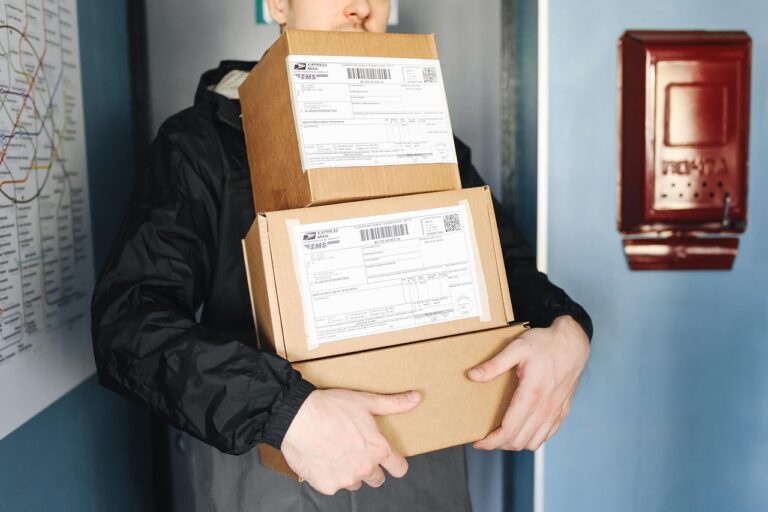
A Foreigner’s Guide to Using Turkish Postal Services (PTT)
When you move to Turkey, the national postal operator, known as PTT, becomes part of everyday life.

Everything You Need to Know About Buying a Local SIM Card or eSIM
Buying a Turkish SIM card is a rite of passage for every newcomer, and the process hides more detail than it first…

A Foreigner’s Guide to Understanding Tipping Etiquette
Tipping in Turkey confuses many first-time visitors because the rules are neither as rigid as in North America nor as rare as…

Everything You Need to Know About Understanding Turkish Taxes as an Expat
Taxes are the subject every expat must master eventually, and Turkey's system rewards understanding.