Sardis, the ancient capital of King Croesus, is one of Turkey’s great archaeological sites and also one of its most relaxed. Tucked into the countryside of Manisa province, it receives a fraction of the visitors that flood the coastal sites, which makes it a joy to explore. This practical guide covers tickets, hours, getting there, and the tips that make a visit to the city of gold smooth and rewarding.
Where Sardis Is and How It Fits Your Route
Sardis lies in the valley of the Hermus river, about ninety kilometers east of Izmir, near the modern town of Salihli. The site sits in open farmland at the foot of the mountains, close to the village of Sart, which preserves the ancient name in modern form.
Its position makes it an easy stop on the routes between the Aegean coast and the interior of Turkey. Drivers heading between Izmir and destinations like Pamukkale, or exploring the countryside of Manisa province, can visit Sardis with only a small detour from the main roads.
The site is also a natural day trip from Izmir. The drive takes about an hour and a half each way, and the site itself needs three to four hours, which leaves time for lunch in the region and a relaxed return. For history lovers, it is one of the best day trips the region offers.
Tickets and Entry
Sardis is a state-run archaeological site, and tickets are sold at the entrance, near the main parking area. The pricing is standard for Turkish sites of its type, and the ticket is valid for the main excavated area, which includes the gymnasium, the synagogue, and the temple of Artemis.
The site is divided into two main parts. The first, around the gymnasium and the synagogue, is entered through the main gate, while the temple of Artemis stands a short distance away in its own enclosure, and both are covered by the same ticket.
Check the current arrangements when you plan, since Turkish sites sometimes adjust their entry rules, hours, and pass systems. Various museum and tourist passes may apply, depending on the regulations in force at the time of your visit.

Opening Hours and Best Time of Day
Sardis generally opens in the morning and closes in the late afternoon or early evening, with longer hours in summer and shorter ones in winter. The exact schedule varies by season, so confirm it before you go, especially if you are traveling out of the main tourist season.
The morning is the best time to visit. The light is soft, the temperature is pleasant, and the site is at its quietest. By midday, the heat can be intense on the exposed ground, especially in summer, and the ruins offer little shade.
The late afternoon is the second-best window. The light turns golden, the air cools, and the empty ruins take on a special atmosphere. Most visitors spend three hours or so, and an early start lets you finish comfortably before the heat of the day.
Getting There: From Izmir and Salihli
Most visitors reach Sardis by car, and the roads are straightforward. From Izmir, you follow the highway east toward the interior, then turn south toward Salihli and the site. The journey takes about an hour and a half, and the final stretch winds through farmland and orchards.
Public transport is possible but requires planning. Buses and minibuses run from Izmir to Salihli, and from Salihli you can take a local minibus or a taxi to the site. The connections work, but they take time, so a car or a hired driver is the easier option.
The site has parking near the entrance, and the area is well signposted. If you are combining Sardis with other sights in the region, like the ancient city of Philadelphia or the nearby lake and mountains, a self-driven day is the most flexible way to see them all.
The Temple of Artemis
The temple of Artemis is the first great sight of Sardis, and one of the largest temples of the ancient world. It was begun in the Hellenistic period, in the years after Alexander the Great, and it was built on a colossal scale that was never quite completed.
The temple’s setting is beautiful. It stands alone in its enclosure, its columns rising above the fields, with the mountains behind. The surviving columns, some still standing to their full height, give a powerful sense of the building’s intended scale.
The temple also carries the story of Sardis’s religions. Built for the Greek goddess Artemis, it was later touched by the Jewish and Christian communities of the city, and its history reflects the changing faiths of the region over the centuries.
A small museum area at the temple enclosure displays finds from the site, including sculpture and inscriptions found in the temple’s precinct. It is worth a quick stop to orient yourself before moving on to the main complex.
The Gymnasium and the Synagogue
The centerpiece of a visit to Sardis is the great gymnasium and bath complex of the Roman period, with the famous synagogue built into its heart. The complex is one of the largest and best-preserved buildings of its kind in Turkey.
The gymnasium was the city’s center of exercise and education, with courts, halls, and bathing rooms arranged on a grand scale. Its massive walls and vaults survive, and the marble court, the palaestra, still gives a sense of the building’s imperial splendor.
Within the complex stands the synagogue, one of the most important Jewish monuments of the ancient world. Reconstructed after excavation, its hall, its mosaics, and its inscriptions have made Sardis a key site for understanding the Jewish communities of the Roman empire.

The Byzantine Shops and the Main Street
Running through the heart of the site is the main street of the Roman and Byzantine city, and along its southern side stretches a remarkable row of buildings known as the Byzantine shops. These shops, reconstructed in part, give a vivid picture of commercial life in the late antique city.
The shops were excavated with their contents, and they preserve the remains of workshops, storerooms, and even their goods. The reconstruction lets you walk past the doorways and imagine the merchants of Sardis selling their wares in the shadow of the great bath complex.
The street itself was the city’s main artery, and it connected the gymnasium with the wider city. Walking its length, past the shops and the public buildings, you trace the daily life of a city that had already lived for over a thousand years.
The Acropolis and the Pactolus
Above the lower city rises the acropolis of Sardis, the steep rock that was the Lydian fortress and the seat of Croesus’s power. The climb is demanding and the site is not fully excavated, but the view from the summit over the valley and the ruins below is extraordinary.
The acropolis also tells the story of the city’s defenses. Its sheer cliffs made it nearly impregnable, and its fortifications were rebuilt through the centuries by Lydians, Persians, Greeks, and Romans. Standing at the top, you understand why Sardis was so hard to conquer.
In the fields below, the stream of the Pactolus still flows, the river that legend said carried gold. Panning the stream in antiquity would have produced the metal that made Croesus rich, and the story of the golden river is one of the great legends of the site.

The Museum and Local Connections
The finds from Sardis are displayed in the Archaeological Museum of Manisa, the provincial capital, and a visit to the site pairs naturally with the museum. The collection includes Lydian gold work, sculpture, inscriptions, and the treasures recovered from the excavations.
The museum in Manisa holds the famous Lydian gold jewelry and the objects from the Pactolus that illustrate the city’s legendary wealth. It is one of the finest regional museums in Turkey, and it brings the ruins of Sardis to life.
Closer to the site, the village of Sart and the town of Salihli offer food and accommodation, with simple local restaurants serving the region’s dishes. The area is not a tourist strip, which is part of its charm, and the hospitality is genuine.
Practical Comfort and Etiquette
Sardis is an open, exposed site, and the practical essentials are the same as for any Turkish ruin. Sturdy shoes matter, since the ground is uneven and the stones are old; a hat, sunscreen, and water are essential in the warmer months.
The site is spread out, and the two main parts, the gymnasium area and the temple, are a short distance apart. A car makes the connection easy, but the walk between them is pleasant through the fields, especially in the cooler seasons.
Respect the site as you would any great monument. Stay off the fragile areas, do not climb on the reconstructed walls, and take nothing away with you. Sardis has waited two and a half thousand years for visitors; it deserves to be treated well.
Frequently asked questions
How much time do you need at Sardis?
Plan for three to four hours to see the gymnasium and synagogue complex, the Byzantine shops, and the temple of Artemis, with time to linger. If you also climb the acropolis or visit the museum in Manisa, allow a full day for the complete experience.
Is Sardis worth a detour?
Yes, especially for anyone interested in history. Sardis was the capital of Croesus, the birthplace of coinage, and the seat of a Persian satrap and one of the Seven Churches of Asia. The synagogue and the gymnasium are world-class monuments, and the site is wonderfully uncrowded.
What is the most impressive structure at Sardis?
The synagogue, with its restored hall, mosaics, and inscriptions, is the site’s most famous and most complete monument. The gymnasium and bath complex that houses it is equally impressive in scale, and the temple of Artemis is the most dramatic single ruin.

All Over Information
The All Over Information editorial team researches and writes practical English-language guides to Turkey. Facts are checked against official and local sources before publication, prices are published as dated ranges rather than quotes, and guides are revised when things change. We accept no sponsored posts, paid placements or paid links.
More guides like this

Why Termessos Should Be on Your Turkey Bucket List
Turkey is full of ancient cities, but there is only one Termessos.

Visiting Pamukkale Travertines: Tickets, Hours, and Tips
The white terraces of Pamukkale are among the most famous sights in Turkey, and visiting them is a unique experience: you walk…
Why Sardis Should Be on Your Turkey Bucket List
Most travelers to Turkey know Ephesus and Pergamon, but far fewer know Sardis, the city where King Croesus ruled, where money was…
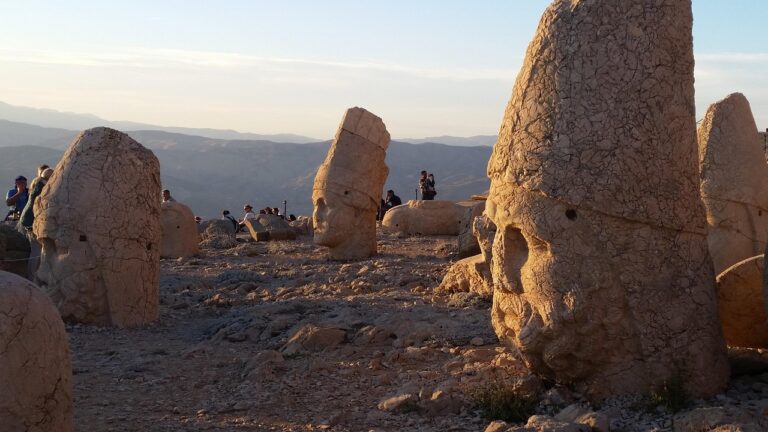
Best Time to Visit Mount Nemrut to Avoid Crowds
Mount Nemrut is one of the few ancient sites where the crowds gather at a specific hour, and that makes timing everything.

The Architecture of Zeugma Mosaic Museum Explained
The Zeugma Mosaic Museum is not only a home for great art; it is a work of architecture in its own right.

Visiting Priene: Tickets, Hours, and Tips
Priene is one of the most beautiful and rewarding ancient sites in Turkey, and also one of the most demanding.