Menemen is everywhere in Turkey, but not all menemen is equal. The dish is simple enough that its quality depends on the tomatoes, the oil, the heat, and the confidence of the cook, which means the best versions are found where the ingredients are honest and the tradition is alive. This guide takes you to the places where menemen is made with pride, from the Aegean town that gave the dish its name to the breakfast cafes of Istanbul and the farm tables of the countryside.
The Dish That Belongs to the Morning
Menemen is first and foremost a breakfast dish, and the best way to find it is to go looking in the morning. Across Turkey, breakfast is an event, and the menemen pan is its hot center, surrounded by cheese, olives, honey, and fresh bread.
The rhythm is the same everywhere: you sit down, order tea, and wait for the pan to arrive, hissing and bubbling, ready to be shared. The setting matters as much as the recipe, since the dish tastes best in a place that respects the slow morning.
As a traveler, your strategy should be simple. Eat menemen where the locals eat it, order it in the morning rather than at night, and trust places that serve it in the pan, cooked to order, with bread already on the table.
Izmir and the Aegean Heartland
The Aegean coast is the spiritual home of menemen, and Izmir is its capital. Here the dish is made with excellent local olive oil, ripe tomatoes, and the mild green peppers of the region, and the soft, saucy style of the Aegean rules the table.
In Izmir, breakfast cafes and lokantas serve menemen from early morning until the pans run out, and the versions range from the strict classic to generous spreads with cheese, sucuk, and herbs. The Aegean style favors tomatoes over eggs, so the sauce is deep and the curds stay soft.
The same style extends along the coast through Cesme, Alacati, and the villages of the peninsula, where the breakfast tables are long and the menemen is cooked over real flame. If you want to taste the dish in its purest regional form, this is the coast to travel.

The Town of Menemen Itself
Just north of Izmir lies the town of Menemen, which gave the dish its name, and eating menemen here carries a particular sense of place. The town treats the dish as part of its identity, and local cooks guard their versions with friendly pride.
The menemen of the region is the classic Aegean style: olive oil, green peppers, tomatoes, and soft eggs, served in the pan with bread. There is no great secret to it, which is exactly the point; the dish is a celebration of simple, excellent ingredients.
A visit to the town is a small pilgrimage for anyone who loves Turkish food. You can arrive in the morning, order menemen and tea, and enjoy the knowledge that you are eating the dish where its story began.
Istanbul’s Breakfast Cafes
Istanbul is the great stage of Turkish food, and menemen is one of its most requested breakfasts. Across the city, from the historic peninsula to Kadikoy and Besiktas, breakfast cafes serve menemen throughout the day, not only in the morning.
The Istanbul versions are often more elaborate than the Aegean classic. Cooks may add cheese, sucuk, pastirma, mushrooms, or a handful of herbs, and the pans arrive with theatrical sizzle, set on wooden boards with side plates of bread and olives.
Because the city never sleeps, menemen is also a beloved late-night dish here, served in neighborhood kitchens after the evening hours. In Istanbul you can eat menemen at sunrise, at noon, or at midnight, and each hour has its own character.

The Mediterranean Coast
Along the Mediterranean, from Antalya to the bays of the southwest, menemen takes on the flavors of the region. The tomatoes are sun-ripened and sweet, and the olive oil is often the peppery green oil of the local groves.
In the coastal towns, menemen appears on breakfast spreads at hotels and pensions, and it is also made in the simple lokantas where the workers eat. The seaside version is often lighter and more herby, with a handful of fresh greens finding their way into the pan.
The Mediterranean approach is to let the tomatoes lead. The sauce is bright and sweet, the eggs are folded in gently, and the dish is served with the regional breads, cheeses, and a pot of tea, making the morning feel like a small holiday.
The Black Sea Table
The Black Sea coast has its own breakfast culture, and menemen there is a different creature. Butter is more common than olive oil in this region, and the dish takes on a richer, more substantial character.
The Black Sea version often includes more peppers and a heartier hand with the eggs, and it is frequently served alongside the region’s famous breakfast cheeses, honey, and corn breads. The tomatoes may be cooked down into a deeper, more concentrated sauce.
For a traveler, the Black Sea table is a lesson in how one dish changes with the land. The menemen of Trabzon or Rize tastes of the mountains and the rain, and it proves that the dish is flexible enough to belong to every corner of the country.

Anatolian Cities and Breakfast Houses
In the cities of central and eastern Anatolia, breakfast houses have made menemen a reliable favorite. In Ankara, Konya, Kayseri, and beyond, the neighborhood breakfast spot serves menemen all morning, cooked to order in small pans.
The Anatolian versions often sit somewhere between the Aegean softness and the heartier inland style, and they are usually served with the local breads, clotted cream, and honey that define the region’s tables. The dish is treated as comfort food, simple and generous.
The advantage of the Anatolian breakfast house is its honesty. There is no theater and no menu of twenty variations; there is simply a good pan of menemen, cooked the way it has always been cooked, and a pot of tea that keeps coming. For many travelers, this unassuming version is the most memorable of the whole trip. These are family-run places where the same cook has been making the same pan for years, and the menemen has the quiet confidence of a dish that has been practiced every single morning.
Village Breakfasts and Farm Eggs
The very best menemen is often the one you did not plan. In the Turkish countryside, village breakfasts built around farm eggs, garden tomatoes, and home-pressed olive oil produce a menemen that no restaurant can quite match.
Many guesthouses and village homestays offer breakfast spreads where the menemen is made from eggs collected that morning and tomatoes picked the day before. The pan is often brought out with a basket of bread and a plate of local cheese, and the meal becomes an event in itself, with the family happy to talk about the garden and the hens. The difference is real: the yolks are deep orange, the tomatoes are perfumed, and the oil tastes of the grove.
To find these tables, look beyond the tourist centers. Stay in a village guesthouse along the Aegean or Mediterranean coast, ask for the traditional breakfast, and let the farmers and their families show you what the dish can be at its source.

What to Look For in a Good Menemen
A good menemen reveals itself in the first minutes. The pan should arrive sizzling, with the eggs soft and glossy, folded through a deep, concentrated tomato sauce rather than swimming in pale liquid.
The oil should be visible and generous, the peppers tender, and the seasoning confident but simple. If the eggs are hard and dry or the sauce tastes of water and not of tomato, the cook has rushed the dish, and you can do better elsewhere.
The setting matters too. The best menemen is cooked to order in a small pan, served with bread already warm, and eaten with tea. These are the small signs that the kitchen respects the dish and the tradition behind it.
Practical Tips for Ordering
Ordering menemen in Turkey is easy once you know the code. Ask for menemen with a pan, and if you want the classic version, simply order menemen without additions; if you want the heartier versions, ask for cheese or sucuk menemen.
Breakfast is the safest time, and most places will happily cook the dish at any hour if the kitchen is open. The dish is usually listed on breakfast menus, and it is almost always served with bread, so check whether the bread is included before you add a separate order.
The pan should be small and individual, because the dish is cooked to order and eaten straight from the pan. If the menemen arrives in a large shared pan with the eggs already mixed in, it may have been sitting, and a fresh small pan is almost always the better choice.
Finally, order tea with your menemen and let the morning stretch. The combination of the sizzling pan, fresh bread, and a glass of black tea is the authentic Turkish experience, and it is the one you will remember long after you leave the table.
Frequently asked questions
Where was menemen invented?
Menemen is named after the town of Menemen, north of Izmir on the Aegean coast, and the dish is traditionally associated with that region. The Aegean style, made with olive oil, green peppers, tomatoes, and soft eggs, is considered the classic form.
Is menemen served all day in Turkey?
Yes. Menemen is a breakfast classic, but breakfast cafes and neighborhood kitchens in the big cities serve it all day, and it is also a beloved late-night dish. In Istanbul especially, you can order menemen at almost any hour.
What is the difference between menemen in Izmir and Istanbul?
The Izmir and Aegean version is the pure classic: olive oil, green peppers, tomatoes, and soft eggs, with the tomatoes leading. Istanbul versions are often more elaborate, adding cheese, sucuk, pastirma, mushrooms, or herbs to the pan.

All Over Information
The All Over Information editorial team researches and writes practical English-language guides to Turkey. Facts are checked against official and local sources before publication, prices are published as dated ranges rather than quotes, and guides are revised when things change. We accept no sponsored posts, paid placements or paid links.
More guides like this
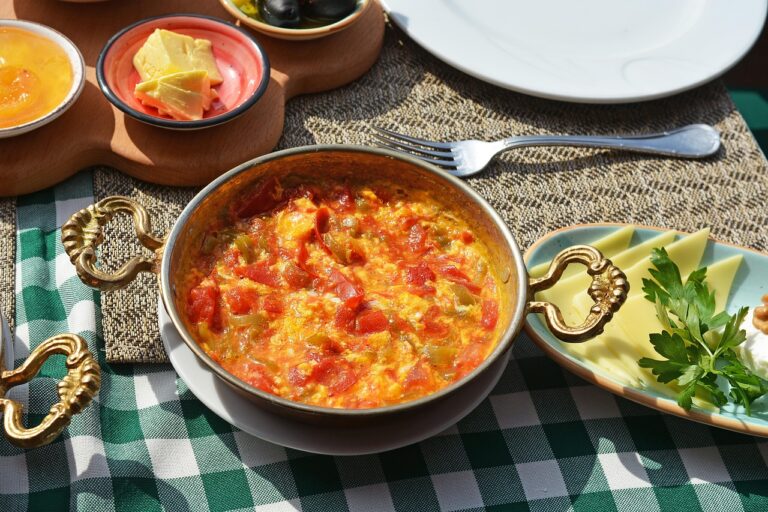
The Ultimate Guide to Menemen
Menemen is the soul of the Turkish breakfast table, a simple dish of eggs, tomatoes, and peppers simmered gently in olive oil…

The Ultimate Guide to Manti (Turkish Dumplings)
Manti are the tiny folded dumplings of Turkish cuisine: little parcels of thin dough wrapped around a spiced meat filling, boiled and…

The History Behind Testi Kebab (Pottery Kebab)
Testi kebab is a dish with a deep past and a thin paper trail.
Turkish Delight (Lokum): A Taste of Turkish Culture
Turkish delight is a sweet that has traveled the world, yet it remains deeply rooted in Turkish daily life. In Turkey it…

Where to Find the Best Adana Kebab in Turkey
Adana kebab is served in every city of Turkey, and the general standard is remarkably high, because the dish is taken seriously…

Turkish Soups (Corba) Vs. International Variations: What Makes It Turkish
Every culture on earth has a soup, yet Turkish corba feels unmistakably itself.