The food market is where Turkish life is at its loudest, most colorful, and most generous. Beyond the famous bazaars built for tourists lies a network of daily and weekly markets where locals buy everything they eat: vegetables, cheese, olives, fish, bread, and spices. Learning to shop there is one of the most rewarding skills a traveler can gain. This guide explains the kinds of markets, the buying habits, and the tricks that make you look like a regular in any town.
The Market Day Rhythm
Every Turkish town has its market rhythm, and the weekly market day is the heartbeat of it. On the appointed morning, the streets fill with stalls, and the neighborhood gathers to shop for the week. The rhythm is fixed and known: ask any local what day the pazar comes, and they will tell you without thinking.
The market starts early and peaks by midday. Farmers arrive before dawn, the first shoppers come with the morning light, and by early afternoon the best produce is gone and the vendors begin packing. The savvy shopper goes early, while the tomatoes are still cool from the field and the choice is at its widest.
The rhythm also has a social side. The market is where neighbors meet and news travels, and shopping is not a chore but a small social ritual: browsers taste, vendors call, and everyone takes their time.
The Weekly Pazar: What to Expect
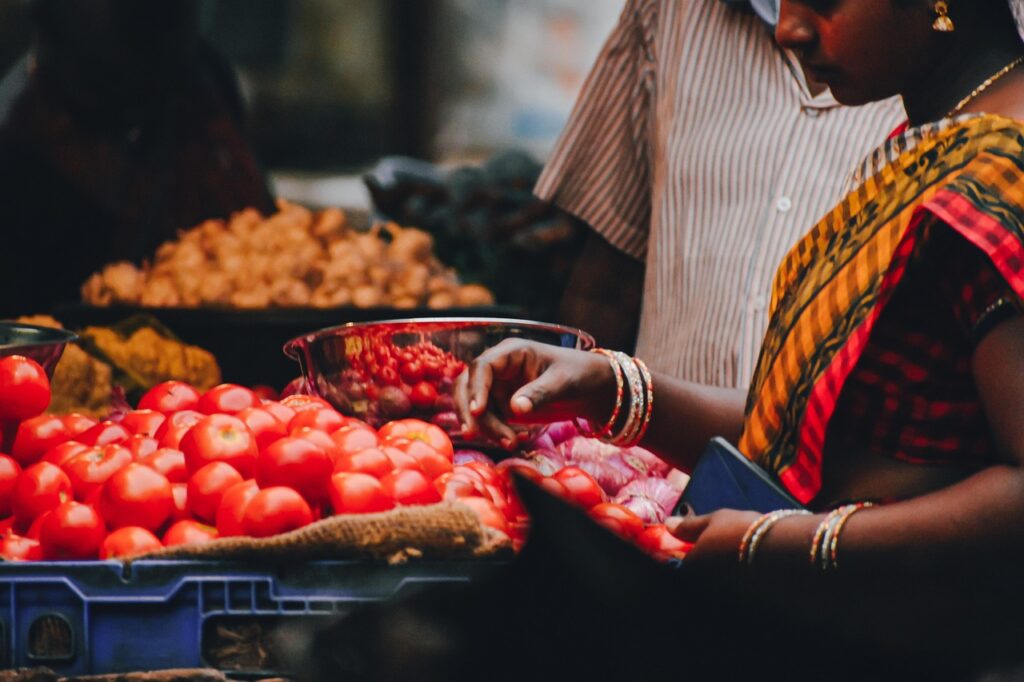
The weekly pazar is the farmer’s market of Turkey, and it is an event. On its day, a square or a long street fills with open-air stalls: pyramids of tomatoes and peppers, sacks of lentils and beans, bins of olives, and tables piled with greens. The produce is seasonal, regional, and priced by the kilo.
The pazar also carries textiles, household goods, and clothing between the food stalls, which makes it a full morning’s outing. For the traveler it is the cheapest and most authentic place to shop.
The etiquette is simple. Vendors expect you to look, touch, and taste before buying, and they price honestly in kilos. Buying in small quantities is normal, and the stallholder will bag your picks and weigh them with a practiced hand. The pazar rewards curiosity, and the vendors enjoy teaching visitors about their produce.
The Bazaars: Spice, Not Just Souvenirs
The historic bazaars of Istanbul and other cities are famous as tourist attractions, but they remain working food markets at heart. The spice bazaars sell the full pharmacy of Turkish cooking: saffron, sumac, pul biber, dried mint, and dozens of spice blends, alongside nuts, dried fruits, and sweets.
The trick for visitors is to look past the souvenirs. The food sections of these bazaars are where locals still buy, and the quality is serious: the spice sellers, the dried fruit merchants, and the olive dealers have been trading for generations. Ask for what you need by name, and the shopkeepers will treat you like a real customer.
The bazaars also teach the geography of Turkish flavor in one afternoon: pistachios from the southeast, olives from the Aegean, honey from the Black Sea, and pepper from the south all gather under one roof.
Greengrocers and Neighborhood Stalls
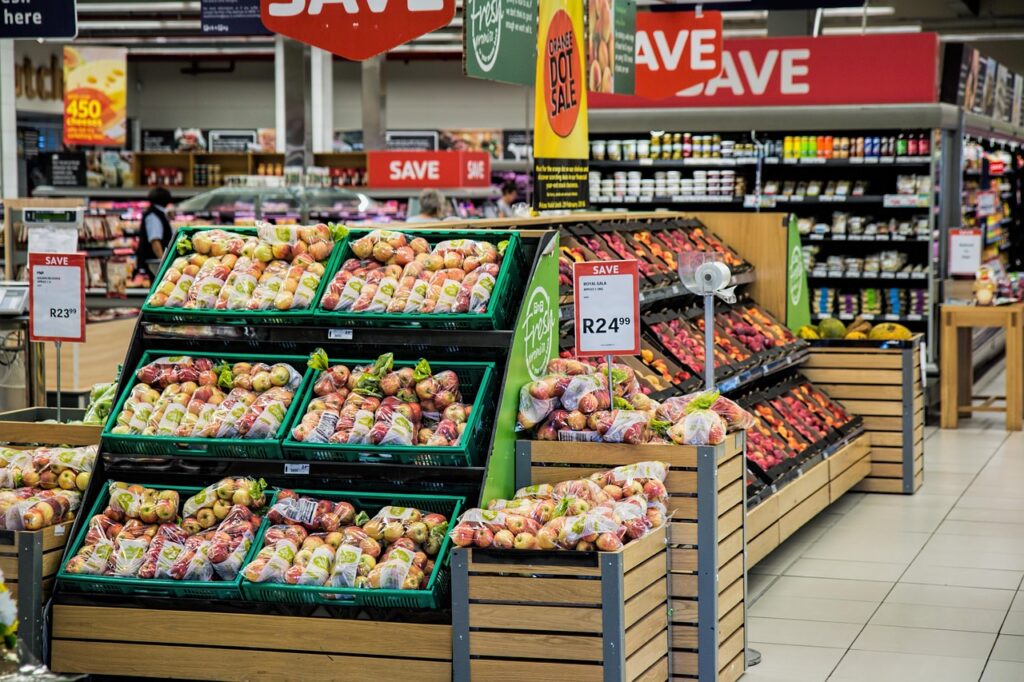
Between the big market days, daily shopping happens at the greengrocer, the manav, which keeps regular hours and stocks whatever is in season. Every neighborhood has one, and the produce is chosen daily.
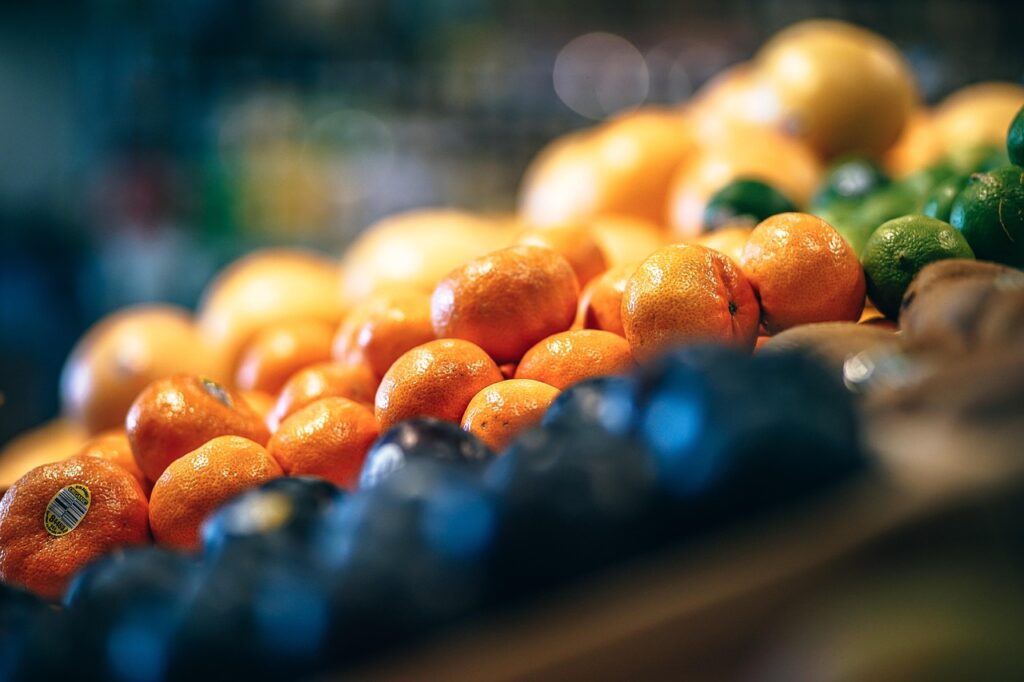
The manav is also where you learn seasonality. The Turkish kitchen follows the calendar closely, and the greengrocer’s shelf tells you what month it is: cherries and apricots in early summer, melons and figs in late summer, citrus and pomegranates in winter. Buying what the manav has most of is buying what is best.
The relationship with the neighborhood greengrocer is personal. Regulars are greeted by name, given the pick of the stock, and sometimes sent home with a taste of something new. For a traveler, a few visits to the same manav turn a stranger into a familiar face, and the greeting becomes part of the neighborhood.
The Fish Market: Timing and Etiquette
The fish market is the most theatrical of Turkish food institutions. In coastal towns and big cities, the fish market fills in the late afternoon, when the day’s catch arrives and the neighborhood gathers to see what the sea has given. The stalls display the catch on ice, and the vendors call out the prices.
The etiquette is to shop late and choose carefully. The fish is best in the afternoon, and the connoisseurs arrive as the selection is at its peak. You buy by the piece, ask the vendor to clean it, and carry it to the nearby restaurants, which cook it for you while you sit and drink tea.
The fish market also teaches the calendar of the sea: anchovy and bonito seasons each have their moment, and locals buy what is abundant. Asking what is best today is the correct question.
Cheese, Olives, and the Dairy Counter
The cheese and olive counters are the heart of the Turkish market’s identity. Turkish white cheese comes in a hundred local variations, from mild and creamy to aged and salty, and every region has its own. The market vendor will let you taste before you choose, and the tasting is half the pleasure.
The olives tell a similar story. Green and black, cured in oil or brine, stuffed with pimento or cracked with herbs, they range from mild table olives to strong, wrinkled ones meant for cooking. Buying a small mix of olives and cheeses is the fastest route to a picnic lunch, and the vendors will help you assemble it.
The dairy counter usually holds yogurt, kaymak, and butter too, and the quality varies with the region. The market is where locals taste before buying, and the vendor’s recommendation carries weight. For the traveler, the cheese and olive counters are the best place to build a snack that tastes like the region.
Bread and the Bakeries of the Market
Bread is bought daily in Turkey, and the market is where the bakeries do their best business. The classic loaf is the round daily bread, baked through the morning, and the simit, the sesame ring, appears on every corner. Buying bread at the market means buying it warm, which is the only way it is fully itself.
The bakery stalls of the market also offer the pastry family: borek layered with cheese or potato, pogaca with olive and herbs, and the flatbreads of the eastern regions. The smell guides you, and the trays empty fast. The bakeries sell by weight or by piece, and they wrap your purchase in paper that keeps the heat.
Daily bread shopping is an easy local custom to adopt: buy a warm loaf on the way home and the meal is half made. The market bread never survives long enough to go stale.
How to Choose, Taste, and Negotiate
The Turkish market has its own shopping grammar, and it is friendlier than it looks. The first rule is to taste: vendors expect you to try the olives, the cheese, the fruit, and even the spices before you commit. Tasting is not impolite; it is the normal way business is done.
The second rule is to buy by weight and trust the scale. Prices are per kilo, the scale is displayed, and the vendor weighs your bag in front of you. The third rule is that haggling has its place, mostly at the bazaars, while the weekly pazar prices are already fair and the negotiation is light.
The final rule is to ask questions. What is ripe today, what is local, how is this cheese eaten, all are welcome questions, and the answers teach you more than any guidebook. The vendors are proud of their produce and happy to share, and a curious customer becomes a remembered one.
What to Buy and How to Carry It
The market rewards a plan. For a picnic, buy bread, white cheese, olives, tomatoes, cucumbers, and fruit, and the market’s own paper and plastic bags will carry it all. For cooking at a rental, add peppers, herbs, lemons, and a bottle of olive oil, and the stallholders will weigh and pack as you go.
For gifts, the market is unbeatable: spices, dried fruits, nuts, and small jars of jam or honey travel well. Ask for vacuum-sealed options at the bazaar stalls and pack them in the middle of your luggage.
The carrying is part of the experience: Turks shop with string bags and manage impressive loads home. For the traveler, the trick is to shop in stages, eat as you go, and let the market fill the day. It gives you food and an afternoon.
Cooking or Packing Your Market Haul
What you do with the haul is up to you. If you have a kitchen, the market makes cooking effortless: a pan of peppers and tomatoes, a plate of cheese with fresh bread, and a bowl of fruit for dessert, and you have eaten like a local for little money. The market produce needs almost nothing but heat and olive oil.
If you are traveling without a kitchen, the market still feeds you. Assemble a picnic for the ferry, buy fruit for the bus journey, and stock your daypack with nuts and dried fruit. The market food carries well, tastes better than any roadside snack, and turns waiting time into pleasure.
The market also works as a mobile larder: spices and tea bought in one city make the next hotel room feel like home. Shopping like a local is a skill that travels with you.
Frequently asked questions
When is the best time to visit a Turkish food market?
Go early, before the peak of the morning. Farmers and vendors arrive at dawn, the first shoppers come with the light, and the choice is widest in the first hours. By early afternoon the best produce is gone and vendors begin packing. Check the local market day first, since the weekly pazar comes only on its appointed morning.
Do I need to bargain at Turkish food markets?
Not much. At the weekly pazar, prices are per kilo and already fair, and the negotiation is light. Bargaining has more room at the historic bazaars, especially for non-food goods. In all cases, tasting before buying is the norm, and asking which produce is best today is the most useful habit.
What should I buy at a Turkish market as a traveler?
Buy what is seasonal and portable: fresh fruit, bread, white cheese, olives, and vegetables for a picnic, plus spices, nuts, dried fruit, and tea as gifts. Small jars of honey or jam travel well. Ask vendors what is local and ripe, and the market will hand you the best of the region.

All Over Information
The All Over Information editorial team researches and writes practical English-language guides to Turkey. Facts are checked against official and local sources before publication, prices are published as dated ranges rather than quotes, and guides are revised when things change. We accept no sponsored posts, paid placements or paid links.
More guides like this

Where to Find the Best Lahmacun in Turkey
Lahmacun is served in every city of Turkey, but the best versions come from the southern and southeastern regions where the dish…
Testi Kebab (Pottery Kebab): A Taste of Turkish Culture
Most Turkish dishes arrive at the table quietly. Testi kebab does not. It arrives inside a sealed clay pot, and the first…

Where to Find the Best Kofte in Turkey
The best kofte in Turkey is a moving target, because every province believes it holds the title and has the grills to…

Tipping in Turkish Restaurants: What’s Expected
Tipping rules are rarely written down, which makes them confusing for travelers.

Karniyarik: A Taste of Turkish Culture
Karniyarik is not a dish of palaces or festivals; it is the food of the family table, the meal that fills Turkish…

Balik Ekmek (Fish Sandwich) Vs. International Variations: What Makes It Turkish
Fish sandwiches exist all over the world, from the battered fish and chips of Britain to the fish tacos of Mexico, and…