Safranbolu is a town of two parts — the historic old town across the valley and the modern new town above it — and the choice of where to stay is one of the great decisions of the visit. The old town (Çukur and its districts) holds the konaks and the pensions, with the lanes and the history at the door; the new town (yenişehir) holds the modern hotels, with the comfort and the views of the historic place across the valley. Each gives a different experience of the same town, and the choice shapes the trip. This guide maps the areas, explains the kinds of places you will find in each, and helps you match your accommodation to the way you want to spend your visit.
The Layout of the Town
Safranbolu divides into two clear parts, joined by the roads and the slopes:
- The old town (Çukur and the historic districts). The cobbled lanes, the konaks, and the Ottoman town preserved — the heart of the visit.
- The new town (yenişehir). The modern town above the valley — the hotels, the shops, and the everyday life, with the old town below.
Within the old town, the accommodation splits between the restored konaks and the simpler pensions; in the new town, the range runs from the budget to the comfortable hotels.
The Old Town: The Konaks and the Lanes
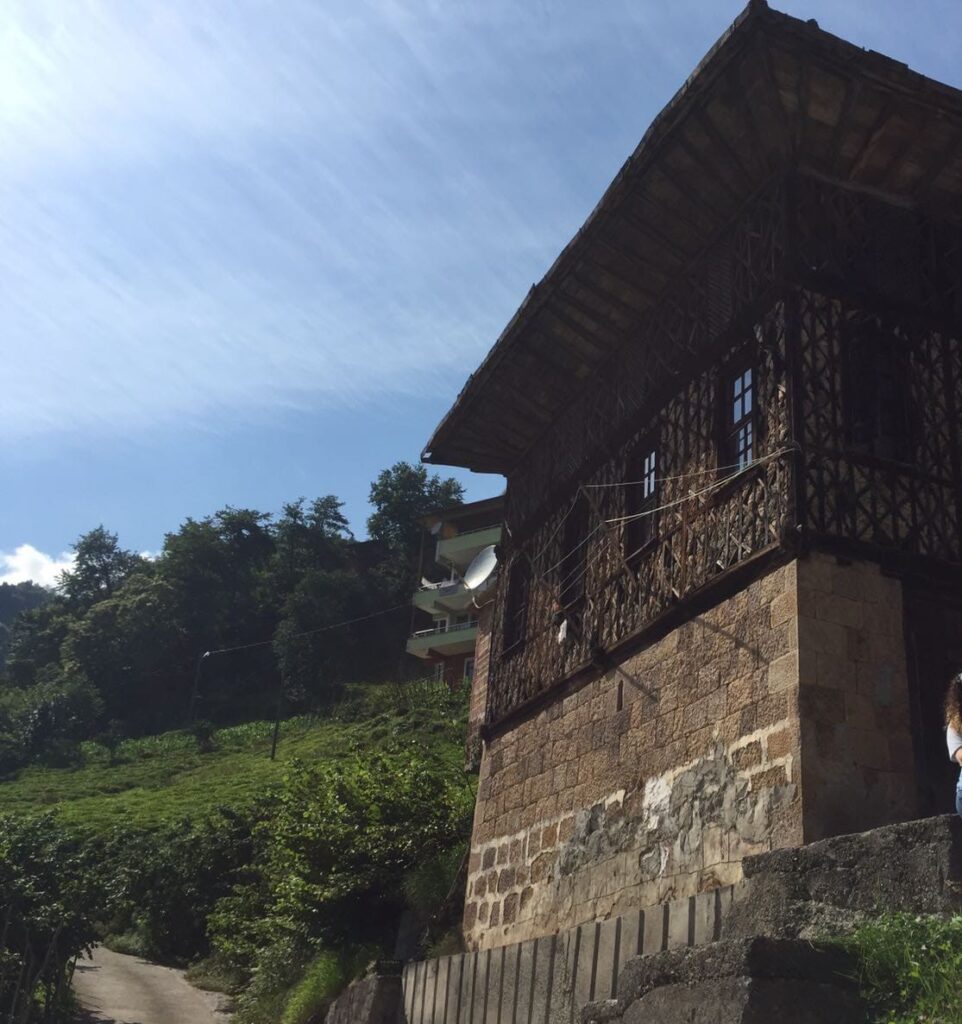
The old town is where the experience lives — the restored konaks and the pensions among the cobbled lanes, with the house museums, the bazaar, and the views at the door.
What you get: the immersion. You wake in a restored Ottoman house, the lanes are outside your door, and the whole historic town is on foot. The konak stay is the signature Safranbolu experience, and the old town location puts everything within reach.
The trade-off: the old town is busy in the peak seasons, the lanes are steep and cobbled (the walking and the luggage are real), and the konaks, being historic houses, trade some modern convenience for their character — thin walls, steep stairs, and the charm of the old.
Who it suits: travelers who want the experience, couples and romantics, photographers, and anyone for whom the immersion is the point.

The New Town: The Comfort and the Views
The new town, above the valley, holds the modern hotels and the pensions — the standard comfort and the everyday life of the town, with the old town’s skyline across the valley as the view.
What you get: the convenience. The hotels have the modern rooms, the parking, and the standard amenities, and the views over the old town from the new town’s edge are the postcard frames. The new town is also the practical base — the transport, the shops, and the services.
The trade-off: you are not in the experience — the old town is a drive, a dolmuş, or a long walk away — and the historic atmosphere is across the valley rather than at the door.
Who it suits: families and travelers who want the comfort, budget travelers, and anyone who will trade the immersion for the convenience.
The Middle Ground: The Edges and the Hillsides
Between the two, the slopes and the edges of the old town hold a middle ground — the pensions and the smaller hotels with the old town’s character and a little more convenience, and the viewpoints that give both worlds.
What you get: the balance. The places on the edges and the hillsides give the old town’s atmosphere with easier access and, often, the views over the whole historic place.
The trade-off: the middle ground is more spread out — the walking to the old town’s heart is a little further, and the character is between the two.
Who it suits: travelers who want a bit of both, and anyone who wants the views without the steepest climbs.
The Practical Comparisons
The immersion
- Old town: the konaks and the lanes at the door.
- New town: the historic town across the valley.
- Edges and hillsides: the atmosphere with a little distance.
The comfort
- Old town: the charm of the historic houses, with their quirks.
- New town: the standard modern rooms.
- Edges and hillsides: the middle range.
The access
- Old town: everything on foot, with the hills and the cobbles.
- New town: the transport and the services at hand, the old town a ride or a walk.
- Edges and hillsides: the balance.
Best for
- Old town: the experience, couples, photographers.
- New town: families, budget travelers, the comfort.
- Edges and hillsides: the balance, the views.
The Kinds of Places to Choose From
- The restored konaks. The signature Safranbolu stay — the Ottoman mansion houses restored as boutique pensions, with the wooden interiors, the courtyards, and the character.
- The old town pensions. The smaller, simpler guesthouses of the historic quarter — the atmosphere at honest prices.
- The new town hotels. The modern range, from the budget to the comfortable, with the standard rooms and the views over the old town.
- The hillside and edge stays. The middle ground, with the atmosphere and the views.

Booking Tips for Safranbolu
- Book well ahead. Safranbolu is one of Turkey’s great historic destinations, and the konaks fill far in advance in the peak seasons — and even in the shoulder seasons. Reserve as soon as your dates are fixed.
- Choose the konak for the experience. The restored houses are the reason many travelers come — the wooden rooms and the courtyards are worth the premium and the quirks.
- Consider the walking. The old town is steep and cobbled — if the stairs and the hills are a concern, the new town or the edges are the practical choice.
- Ask about parking. The old town’s lanes are tight and the parking is limited — confirm the arrangements if you are driving.
- Match the base to the season. The konaks are the winter’s warmth and the summer’s charm; the new town gives the comfort in any season.
Matching the Base to Your Plan
It is worth thinking about how you will spend your days before you choose your nights, because the bases suit different itineraries. If the visit is built around the old town itself — the lanes at dawn, the museums, the bazaar, and the evening views — the old town konaks are the natural choice, with everything on foot and the immersion at the door. If the trip is about the region — the valleys, the villages, and the countryside, with the old town as the centerpiece — the new town gives the convenient base with the parking and the services. And if the visit is a short stop or a family trip where the comfort matters, the new town or the edges deliver it. There is no wrong answer, only a question of matching the base to the way you want to spend the days — and many travelers find the balance best: a night or two in a konak for the experience, with the practicalities handled around it.

The Seasonality of the Stay
The character of the accommodation changes with the season, and the choice should too. In the summer, the old town is at its liveliest — the konaks full, the lanes busy, and the long warm evenings — and the new town offers the retreat and the comfort. In the shoulder seasons, the old town is quieter and more atmospheric, and the konaks are at their best value and their most charming. In the autumn, the light turns golden over the rooftops and the old town’s stays photograph the season best. And in the winter, the konaks come into their own — the warmth of the wooden rooms, the courtyards quiet, and the snow dusting the rooftops making the old town the winter’s retreat, while the new town offers the standard comfort for those who prefer it. Match the base to the season, and the stay delivers the town at its best for that time of year.
The Takeaway
The base choice in Safranbolu is a choice between the experience and the convenience. Sleep in the old town for the konaks and the lanes at the door, in the new town for the comfort and the views across the valley, or on the edges and the hillsides for the balance. Whichever you choose, the same town waits for you — the Ottoman lanes, the houses, and the history. Match the base to your priorities, and Safranbolu will give you the rest.
Frequently asked questions
Where is the best area to stay in Safranbolu?
The old town for the konaks and the immersion, the new town for the comfort and the views, and the edges and the hillsides for the balance.
Is the konak stay worth it?
Yes — sleeping in a restored Ottoman mansion is the signature Safranbolu experience, and it is the reason many travelers come.
Is the old town walkable?
Very — though the lanes are steep and cobbled, and the walking and the luggage call for comfortable shoes and the right expectations.
Which base is best for families?
The new town — the standard rooms, the parking, and the convenience suit families best.
Which base is best for couples?
The old town konaks — the atmosphere, the courtyards, and the immersion are the romantic choice.
Should I stay in the old town or the new town?
It depends on your priorities — the old town for the experience, the new town for the comfort, and the edges for the balance.

All Over Information
The All Over Information editorial team researches and writes practical English-language guides to Turkey. Facts are checked against official and local sources before publication, prices are published as dated ranges rather than quotes, and guides are revised when things change. We accept no sponsored posts, paid placements or paid links.
More guides like this
48 Hours in Safranbolu: The Perfect Itinerary
Two days in Safranbolu is enough to feel the town properly — the old quarter's lanes and konaks, the house museums, the…

A First-Timer’s Guide to Safranbolu
Safranbolu is a town that stops first-time visitors in their tracks: a perfectly preserved Ottoman city of whitewashed houses, cobbled streets, and…

Family-Friendly Activities in Safranbolu
Safranbolu is a town that works wonderfully for families — not because it is a resort with kids' clubs, but because it…
The Best Day Trips from Safranbolu
Safranbolu is a town you could happily never leave — the Ottoman lanes, the konaks, and the views could fill a week…
Hidden Gems of Safranbolu Most Tourists Miss
Safranbolu is one of Turkey's great historic towns, and the crowds follow a well-worn circuit — the main lanes of Çukur, the…
Top 10 Things to Do in Safranbolu
Safranbolu is a town where the best experiences are the simplest — walking the lanes, seeing the houses, and living the rhythm…