Two days in Assos is the right amount of time to understand why the town captivates people. Forty-eight hours lets you climb the acropolis in the good light, see the theatre and the ancient city properly, swim in the bay, eat long meals at the harbor, and watch the sunset from the Temple of Athena twice. This itinerary sequences it all so nothing is rushed and nothing essential is missed.
How to Shape Your 48 Hours
The key to a perfect two days is matching the town’s rhythm. The mornings are for the ruins, when the light is clear and the heat is kind; the middays are for the water, the shade, and a meal; and the evenings belong to the harbor and the sunset. Arrange your days around this pattern and Assos does half the work.
The geography helps. Everything is on one hill and its foot: the acropolis at the top, the ancient city and theatre on the slopes, and the harbor, the village, and the beaches at the bottom. Nothing is more than a short walk or drive from anything else, so the itinerary can be relaxed.
Plan for two sunsets. The sunset from the Temple of Athena is the great Assos experience, and a two-day visit lets you watch it twice: once as the finale of your first evening, and again with the knowledge of the town you have gathered in between. Both will be different, and both worth it.
Day One Morning: The Acropolis and the Temple
Start your first morning early, when the site is quiet and the light is clean. The climb from the village to the acropolis takes only minutes, but the views open up with every step, and arriving at the top while the day is still fresh gives you the temple almost to yourself.
Spend time with the Temple of Athena. The surviving columns of this sixth-century Doric temple are the heart of Assos, and the platform gives you a full circle of views: the harbor below, the coastline curving away, and the island of Lesbos steady on the horizon. Walk the whole circuit slowly.
Take photographs while the light is soft, then sit and simply look. The morning is when the site feels most like the ancient world and least like a tourist attraction. Then follow the paths down through the upper ruins and let the ancient city unfold at its own pace.

Day One Midday: The Theatre and the Ancient City
From the acropolis, work your way down to the theatre. Cut into the slope, it is one of the most beautifully placed theatres in the ancient world, its seating opening onto the sea. Walk down through the rows, stop at the top for the view, and imagine the performances that once filled this curve of stone.
Continue through the remains of the city as the day warms: the walls, the agora, and the scattered buildings of the classical town. The site is open and atmospheric, and the wandering is the point. Use the shade of the old stones and keep the water bottle close.
Finish the morning in the village, where the lanes of Behramkale wind between the stone houses. A coffee in the village, with the sea visible over the rooftops, is the perfect pause before descending to the harbor for lunch. The morning has covered the city; the afternoon belongs to the water.
Day One Afternoon: The Harbor and a Swim
Descend to the harbor for the classic Assos lunch. The tables along the quay serve the fish of the day and the meze of the region, and a long lunch here, with the boats in front and the acropolis rising behind, is the meal that defines the town. Take your time and let the afternoon settle.
After lunch, make for the water. The bay below the town has beaches and coves where swimming rewards the morning on the stones, and the clear Aegean water is the perfect antidote to the heat. The most popular spot, Kadirga Bay, is a short drive away, with shallow water and a family atmosphere.
The afternoon is also the time for the quieter pleasures: a siesta in the shade, a walk along the coast, or sitting at the water with a book. Assos does not demand constant activity, and those who enjoy it most let the afternoon drift. Save your energy, because the evening has a plan.

Day One Evening: Sunset and Dinner
As the afternoon light turns golden, climb back up the hill for the first sunset of your stay. The Temple of Athena at sundown is the sight that defines Assos, and the evening crowd gathers early, so climb with time to spare. The temple against the changing sky and the sea turning gold make a scene both photographs and memories hold.
After the sunset, descend to the harbor for dinner as the light fades. The evening tables at the water are the heart of Assos nightlife: the seafood, the wine, the boats at rest, and the lights beginning to glow along the quay. An unhurried dinner here closes your first full day properly.
End the evening with a slow walk. The harbor village at night is quiet and lovely, and the short climb back to your room, with the sea glittering below, is a gentle way to finish. Sleep well; the second day starts in the morning light.
Day Two Morning: The Village and the Views
Begin your second day with the village itself. The morning is when Behramkale is most alive, with the everyday business of the working settlement going on around the old stone houses. Walk the lanes, look into the shops and tea gardens, and notice the details of the lives around the ruins.
Then take the walk that many visitors miss: the route around the shoulders of the hill, beyond the main site, where the views open up from new angles. The ancient walls climb the slopes here, and the perspective, looking back at the temple from below, is one of the best in Assos.
The morning light makes this the right time. The sea is clear and bright, the shadows are long, and the site is calm before the day’s visitors arrive. When the heat builds, head back down with the satisfaction of having seen the town from every side.
Day Two Midday: The Beaches
With the ruins and the village done, your second midday belongs entirely to the sea. The coast has a series of beaches and coves, each with its own character, and this is the time to find your favorite. The shallow, sheltered bays suit swimmers and families; the smaller coves offer quiet and rocks for exploring.
Pack for a proper beach day: water, sun protection, and something to eat, and treat the afternoon as a gift. The water is clear and the setting, with the acropolis watching over you from the hill, is unique. No other beach in the region has an ancient city above it.
This is also the time for the small adventures. Snorkeling in the clear coves, a picnic on a quiet shore, or floating in the calm water round out a stay in Assos. The morning belonged to history; the afternoon belongs to the Aegean, and the balance is exactly right.
Day Two Afternoon: A Boat on the Bay
If you want to see Assos from its best angle, the one the ancients had, take to the water. The boats give you the full picture: the acropolis rising sheer from the sea, the theatre cut into the cliff, and the harbor village tucked below. The view from the bay puts everything together.
The boat trips are simple and unhurried. They follow the coast, stop for swimming in clear coves, and show you the scale of the town, far more dramatic from the water than from the land. In summer the trips run regularly, and the pace suits a relaxed afternoon.
If you prefer to stay on land, a slow drive along the coast works just as well. Either way, the afternoon completes your picture of Assos.

Day Two Evening: A Second Sunset, Done Differently
Your second evening gives you the gift of a second sunset, and you should do it differently. Where the first was the classic one from the temple, the second can be from the water or the coast, watching the light leave the acropolis from below. The perspective changes the experience completely.
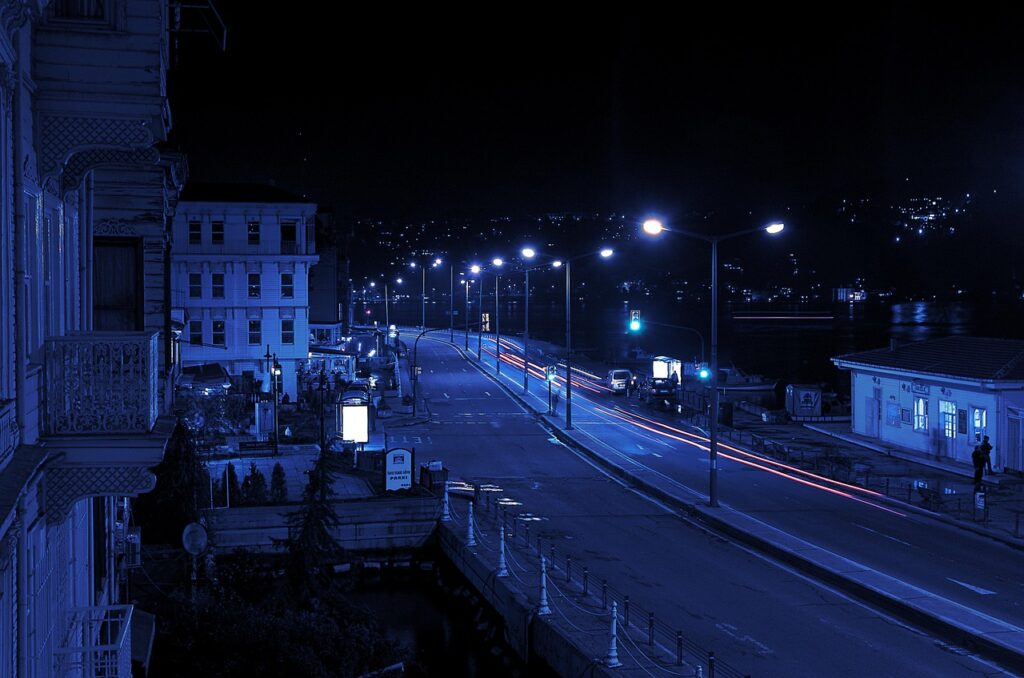
The harbor is the other great position. As the sun goes down, the light on the boats, the quay, and the stone houses turns warm and golden, and the view across the bay to the temple silhouetted on its hill is the closing image of Assos. Find a table and watch the town perform its daily finale.
Then give your last evening its proper dinner. The harbor restaurants reward a second visit, and the meal tastes better for the time you have spent here. Take the long way back to your room, under the stars and the lights of the village.
If You Have More Time
Forty-eight hours covers the essentials, and a little more time lets Assos reveal its quieter corners. With a third day you can explore the surrounding coast properly and return to the acropolis at leisure, without the pressure of a schedule.
The wider region is full of extensions. The ancient sites and mountain scenery of the Biga peninsula lie within easy reach, and the visitor with time to spare is never short of options.
The honest advice, though, is to spend any extra time simply being in Assos. Another morning at the temple, another long lunch at the harbor: the town rewards repetition, because the light and the mood change every day. Two days is enough to fall for Assos.
Frequently asked questions
Can I really see Assos in 48 hours?
Yes. Two days covers the acropolis, the temple, the theatre, the ancient city, the harbor, the village, and the beaches, with two sunsets and plenty of unhurried meals. The itinerary above sequences everything to fit naturally. For the fullest experience, a third day allows deeper exploration of the coast and the surrounding region.
Where should I stay for 48 hours in Assos?
Stay in the village of Behramkale for the atmosphere and the views, or at the harbor for the water at your door. Both put you within minutes of the ruins and the beaches. The village is quieter and historic, the harbor livelier and more romantic; either works perfectly for a two-day visit.
What if I want to add something to my two days?
The natural additions are a boat trip around the bay, a day at the beaches, or a drive to the nearby sights of the Biga peninsula. If you only have 48 hours, keep the core itinerary intact and add one extra element, a boat ride or a beach afternoon, rather than trying to do everything.

All Over Information
The All Over Information editorial team researches and writes practical English-language guides to Turkey. Facts are checked against official and local sources before publication, prices are published as dated ranges rather than quotes, and guides are revised when things change. We accept no sponsored posts, paid placements or paid links.
More guides like this

A Foodie’s Guide to Assos
For a food lover, Assos is a small town with a deep table.
A First-Timer’s Guide to Assos
Assos is one of the most dramatically sited ancient cities in Turkey, and one of the most rewarding for a first visit.

Assos in Winter: What to Expect
Assos in winter is the same town in a completely different key. The crowds are gone, the beaches are empty, and the…

Top 10 Things to Do in Assos
Assos packs a remarkable amount into a small space, and its list of must-dos is short enough to manage yet rich enough…

Shopping Guide: What to Buy in Assos
Shopping in Assos is a pleasure because the village is small, the shops are personal, and almost everything on sale comes from…

A Solo Traveler’s Guide to Assos
Assos is one of the most rewarding places in Turkey to travel alone.