Assos is one of the most dramatically sited ancient cities in Turkey, and one of the most rewarding for a first visit. Perched on a steep hill above the Aegean, it combines a real ancient city, with its Temple of Athena and theatre, with a living village of stone houses and a working harbor far below. The philosopher Aristotle once taught here. This guide covers everything a first-timer needs.
Why Assos Belongs on Your Itinerary
Assos earns its place on any Aegean itinerary through sheer setting. The ancient city stands on a volcanic hill that rises directly from the sea, and the Temple of Athena crowns the top, looking down on the harbor and across the water to the island of Lesbos on the horizon. Few sites in Turkey combine history and scenery as completely.
The site is also genuinely walkable. The acropolis, the theatre, and the main ruins sit close together on the hill, and the harbor village waits at the bottom, so a day can cover the ancient city, a swim, and a seaside meal without complicated logistics. The scale is human, ideal for a first visit.
Assos has a story to match its setting. Aristotle spent time here in the fourth century BC, running a school of philosophy, and the city was wealthy and important in the ancient world. Between the history, the ruins, and the views, Assos gives first-timers a complete package.
Getting to Assos
Assos lies on the southern coast of the Biga peninsula, in the province of Canakkale, about an hour from the town of Ayvacik, the nearest hub. There is no airport in Assos itself, so visitors fly to a regional airport and complete the journey by road.
The road approach is part of the experience. The route winds through pine-covered hills and olive groves, and the first view of the acropolis rising above the sea is an arrival moment travelers remember. Most visitors drive or take a transfer, and a car helps for exploring the region.
Public transport exists but takes more planning. Buses and minibuses connect the area with Ayvacik and the regional hubs, and a minibus or taxi completes the journey. For a first visit with limited time, private options are worth the cost.

The Temple of Athena and the Acropolis
The Temple of Athena is the heart of Assos, and the reason most travelers make the climb. Built in the sixth century BC, it is one of the oldest Doric temples in Anatolia, and although only part of its columns still stand, its position is unmatched: it crowns the acropolis with the sea and islands spread below it. The surviving columns were re-erected in modern times.
The climb is steep but short, and it is the walk every visitor makes. The path rises through the upper part of the ancient city, and at the top the reward is total: the harbor far below, the coastline curving away, and Lesbos a constant presence on the horizon.
The temple is at its best at the end of the day. The sunset from the acropolis, with the temple silhouetted against the changing sky and the sea turning gold, is one of the great sights of the Turkish coast. Plan your visit so that at least one sunset finds you at the top.
The Ancient Theatre
Below the acropolis, cut into the slope of the hill, lies the theatre of Assos, one of the most beautifully positioned theatres in the ancient world. Its seating looks out over the sea rather than into a conventional stage, and the view from the top rows, across the curve of the seats to the water, is extraordinary.
The theatre was built in the Greek period and modified in the Roman era, and it could seat a substantial crowd in its day. The cavea, the seating area, is the surviving heart of the building, and walking its rows gives you a sense of the city’s public life. The whole scene is remarkably evocative.
The theatre rewards both the historian and the photographer: the construction details tell the story of civic life, while the ancient stone, the curving lines, and the sea beyond make a composition that never gets old. Walk down through the rows to feel the building as the ancients did.
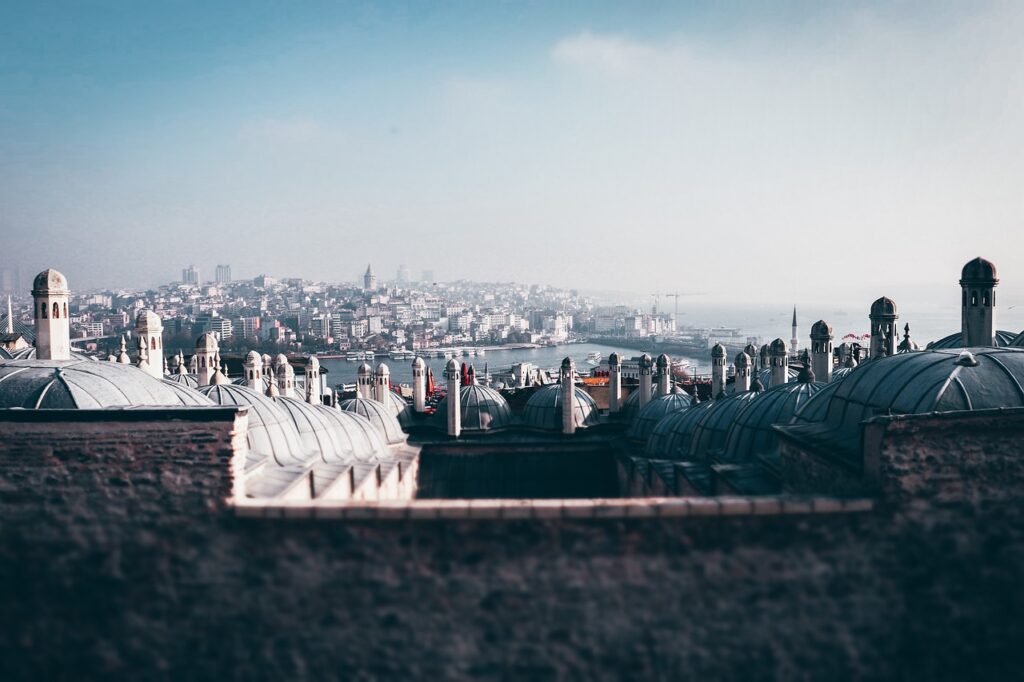
The Ancient City: Walls, Agora, and Ruins
Beyond the temple and the theatre, Assos is a full ancient city, and its remains cover the hill. The circuit of walls, built in the fourth century BC, is one of the best-preserved parts of the site, and walking along stretches of it gives you a sense of the city’s scale and defenses.
The agora, the city’s market and civic center, lies on the slopes below the acropolis. Here you can trace the layout of the ancient public square, with the remains of the council house and the stoas, and the gymnasium and cemeteries outside the walls fill out the picture.
The ruins are not fenced into a sterile museum; they are part of the hillside, and you wander among them freely, which is one of the pleasures of Assos. The site rewards a couple of hours of wandering, and the ruins, sea views, and wild flowers make the exploration a pleasure rather than a duty.
The Harbor Village
At the foot of the hill, far below the acropolis, sits the harbor of Assos, one of the most charming spots on the Aegean. A small village of stone houses climbs the slope from the water, and the harbor is a simple curve of quay with boats, cafes, and tables at the water’s edge.
The harbor is the place for the classic Assos meal. The restaurants along the quay serve the seafood and meze of the region, and eating with the boats in front of you and the acropolis rising behind defines the town.
The village at the harbor has its own quiet life. The lanes between the stone houses are made for strolling, the evening light is soft and golden, and the pace is slow and restful.

Behramkale: The Village on the Hill
At the top of the hill sits Behramkale, the modern village that shares the site with the ruins. Its stone houses, some centuries old, cluster around the foot of the acropolis, and the village gives Assos its everyday life: the shops, the tea gardens, the guesthouses, and the simple restaurants.
The village is where the practical side of a visit lives. It is the natural place to stay, with guesthouses in the old stone houses, and its position on the shoulder of the hill means many terraces have views out over the sea.
Behramkale is also a working village, and its daily life is part of its charm. The market, the mosque, and the everyday comings and goings remind you that Assos is not just an ancient monument but a living place. Walking between the stone walls and under the vines is one of the quieter pleasures of a visit.
The Beaches Below
Assos is not only ruins and harbor; it also has beaches, and they are part of the first-timer’s day. The coves and bays along the coast below the hill offer swimming with a view, and the beaches range from sand to pebbles, with clear water and, in summer, a relaxed family atmosphere.
The most famous swimming spot is Kadirga Bay, a long, sheltered cove with shallow water popular with families. The other bays along the coast offer quieter alternatives where you can swim and picnic without much company. The water is clean and clear, and the views back toward the acropolis are superb.
A day in Assos can follow a perfect shape: the ruins in the morning, a swim in the early afternoon, and the harbor for a long lunch and a slow evening. First-timers should not skip the beaches.

Eating and Sleeping in Assos
The food of Assos is the food of the Aegean coast, and it is one of the strengths of a visit. The harbor tables serve the fish of the day and the meze of the region, while the village restaurants offer olive oil dishes, local cheeses, and the simple, generous food of the countryside.
For sleeping, the choice is between the hill and the harbor. Behramkale offers guesthouses in the old stone houses, with views and a quiet, historic atmosphere; the harbor offers the water, the boats, and the restaurants at your door. Both are memorable.
Book well ahead in summer, when Assos fills with visitors and the best rooms and tables go quickly. The town is small and its capacity is limited, which is part of its charm but also its challenge. With advance planning you can secure the stone-walled room or the waterfront table that makes the stay perfect.
Practical Tips for First-Timers
A few practical notes make a first visit smoother. Wear good shoes for the hill; the climb to the acropolis is short but steep, and the stones of the ancient city are uneven underfoot. Carry water, especially in summer, and visit the ruins in the morning or late afternoon, when the light is better and the heat is less.
Plan the day around the light and the sea. The morning is for the ruins and the view; the middle of the day is for the beach, the shade, and a meal; and the evening belongs to the harbor and, if you can manage the climb again, the sunset from the temple.
Finally, give Assos the time it deserves. Many visitors try to see it in a rushed afternoon and miss the point entirely; the town is at its best when you slow down, eat a long lunch, swim in the bay, and let the evening come to you. Those who stay a night or two leave with something deeper than a checklist.
Frequently asked questions
How much time do I need in Assos?
The essentials, the acropolis, the theatre, and a harbor meal, fit into a full day. To add a beach, a sunset at the temple, and time in the village, stay a night or two. A rushed afternoon does not do the town justice, since the light, the sea, and the atmosphere need time to work their magic.
Is Assos the same as Behramkale?
Yes, the two names describe the same place. Assos is the ancient city, and Behramkale is the modern village built around it, on and below the acropolis hill. The harbor village at the bottom is also part of Assos. Visitors use the names interchangeably, and all the parts belong to one destination.
Is the Temple of Athena worth the climb?
Absolutely. The climb is short and steep, and the reward is one of the best views on the Turkish coast: the sea, the harbor, the coastline, and the island of Lesbos on the horizon. The temple itself, one of the oldest Doric temples in Anatolia, is the finest ancient monument in the region, especially at sunset.

All Over Information
The All Over Information editorial team researches and writes practical English-language guides to Turkey. Facts are checked against official and local sources before publication, prices are published as dated ranges rather than quotes, and guides are revised when things change. We accept no sponsored posts, paid placements or paid links.
More guides like this

Hidden Gems of Assos Most Tourists Miss
Assos is a small town, but its hidden depths are real.

A Solo Traveler’s Guide to Assos
Assos is one of the most rewarding places in Turkey to travel alone.
Nightlife Guide to Assos
If you imagine nightlife as loud clubs and neon signs, Assos will surprise you.

Assos in Winter: What to Expect
Assos in winter is the same town in a completely different key. The crowds are gone, the beaches are empty, and the…

The Best Day Trips from Assos
Assos is a destination that keeps giving, and the region around it is full of day trips that reward a base in…

History and Culture of Assos
Assos is one of the most complete ancient cities in Turkey, a place where the archaeology is only part of the story.