Burdur is the kind of Turkish city that surprises travelers who stop only because the road to Antalya passes through it. This provincial capital in the Lakes Region of southwestern Turkey has a genuinely old town, a saline lake at its doorstep, and, within an hour or two, some of the most remarkable landscapes and ruins in the country: the white beaches of Salda Lake and the mountain city of Sagalassos. For first-timers it is a compact, friendly and inexpensive introduction to a part of Turkey that most visitors rush past, and this guide covers everything you need to plan the trip.
Why Burdur Is Worth Your Time
Burdur is a real working city rather than a tourist product. Its center has kept traditional houses, a fine old mosque, and a pace of life that belongs to the Anatolian plateau rather than the Mediterranean coast, even though the coast is only an hour and a half away. The hills around the city, with their pine woods and their views, are a reminder that the Taurus begins at the town’s edge.
The setting is the surprise. The city sits at the eastern edge of Lake Burdur, a large saline lake that changes color with the light, with the Taurus rising behind it.
The region is also rich in archaeology. The prehistoric settlement of Hacilar, the Pisidian cities of Sagalassos, Kremna and Kibyra, and the finds in the Burdur Museum together make this one of the richest archaeological corners of Anatolia.
Getting There and Getting Around
Burdur sits on the main highway between Denizli and Antalya, about an hour and a half from either coast. The nearest airport is at Isparta, about half an hour away, while the larger hubs of Antalya and Denizli are each about two hours by road.
Intercity buses serving the Denizli-Antalya route stop in Burdur, and there are direct connections from Ankara and Istanbul. Within the city, the old center is compact and walkable, and a handful of minibus lines connect the center with the lake shore and the outlying districts.
For the excursions that matter, a car is the practical answer; Sagalassos, Salda Lake and Kibyra are all easiest with your own wheels. The roads are good and the traffic is light by Turkish standards.

When to Visit
Burdur has a continental climate with altitude: hot, dry summers, cold winters with regular snow, and two long, lovely shoulder seasons. Spring, from April to June, is the best time, when the hills are green, the wildflowers are out and the water level of the lakes is at its highest.
Autumn, from mid-September to November, is nearly as good, with warm days, cool nights and the harvest in the markets. Summer is hot, but the altitude keeps the nights bearable, and the lakes offer swimming. Winter is cold and snowy; the city is atmospheric, but the mountain sites like Sagalassos are often closed or difficult to reach.
One practical note: the lakes region fills with domestic tourists on summer weekends, so weekdays and the shoulder seasons are the quietest times to visit.
Getting Oriented: The Old Town
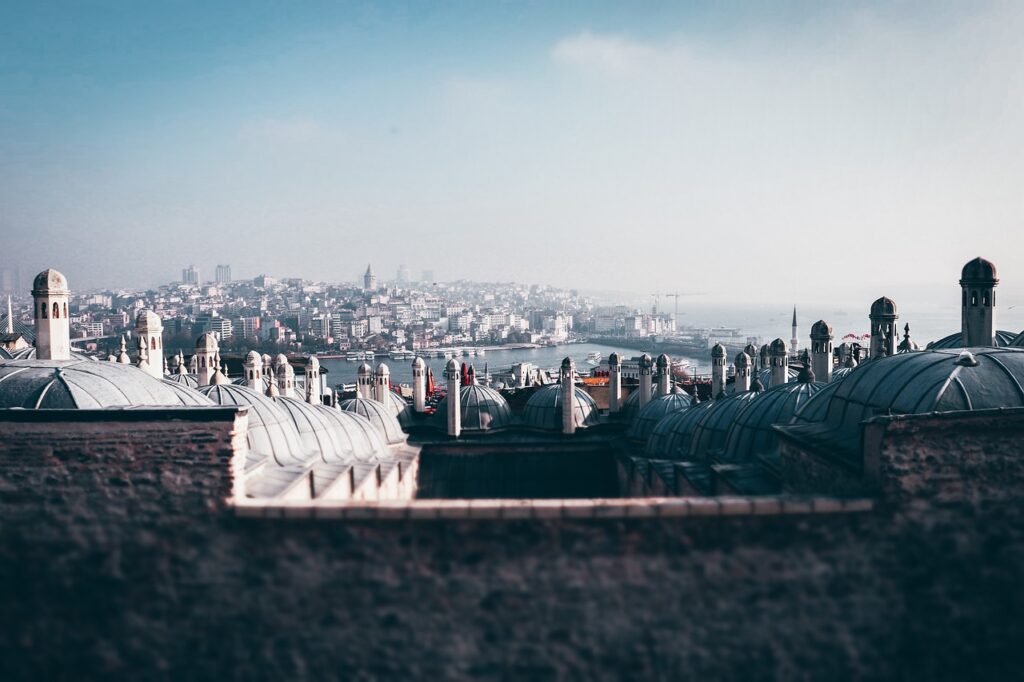
Burdur’s historic core clusters around the Grand Mosque, the Ulu Cami, a handsome early fifteenth-century mosque with a broad prayer hall and a fine stone portal. The streets around it hold the best of the old town: traditional Burdur houses with jutting upper floors, narrow lanes, fountains and small mosques.
The museum district is the second pole of the center. The Burdur Archaeological Museum is one of Turkey’s best regional museums, famous for the Neolithic finds from Hacilar and the sculpture and inscriptions from the Pisidian cities, and it deserves a proper two hours.
Between the two, the market street and the tea gardens give you the everyday life of the city. The center is small enough that you can see it all on foot in a single morning, which makes Burdur an easy first stop or a rest day in a longer itinerary.
The Grand Mosque and the Historic Center
The Ulu Cami of Burdur, built in the early fifteenth century, is the architectural anchor of the old town. Its wide, low prayer hall is supported on a forest of columns, and its carved stone entrance is one of the finest pieces of early Ottoman-era architecture in the Lakes Region.
The building belongs to the transitional period between the Hamidid lords who ruled this region and the expanding Ottoman state, and it shows both influences. The recent restoration has returned the interior to its quiet, dignified state, and the courtyard remains a meeting place for the neighborhood.
Around the mosque, the lanes of the old town reward aimless wandering. Look for the traditional houses with their carved doors and wooden bay windows, the street fountains, and the small neighborhood mosques, then finish with tea in the square.
Lake Burdur: The Salty Shore
Lake Burdur, one of the largest lakes in Turkey, lies at the western edge of the city, and its shoreline is a ten-minute walk from the old town. The lake is saline, fed by streams from the Taurus, and its water shifts between blue and grey-green with the weather.
The lake is a Ramsar wetland site, and its shallow bays are important for waterbirds, including flamingos in season. The simplest way to experience it is the lakeside road, with its views, picnic spots and the pink fringe of flamingos on the far shore in spring.
The lake has shrunk in recent decades as water has been drawn for agriculture, yet it remains an atmospheric body of water, and the sunset over its surface from the west side of town is one of Burdur’s best free experiences.
Sagalassos: The Essential Excursion
Sagalassos is the reason many travelers find their way to Burdur at all. This ancient Pisidian city sits at about 1,500 meters on the flank of the Taurus, above the village of Aglasun, and its setting, high above the plain with the peaks behind it, is among the most dramatic in Turkey.
The city flourished under the Roman Empire, and its ruins are remarkable: the Antonine fountain, a two-story nymphaeum that once poured water down a sculpted facade; the Roman baths; the theater; the agora with its honorific columns; and the bouleuterion, the council house.
Excavations have been running for decades and the site is still being restored, which means you may see archaeologists at work. The steep, winding road up from Aglasun takes about an hour from Burdur, and the altitude makes the site cool even in summer. Plan a half-day at least.
Salda Lake: The White Beach
Salda Lake, in the district of Yesilova about an hour and a half southwest of Burdur, is the region’s most famous natural wonder. Its water is a vivid turquoise, and its beaches are made of white sand and magnesium-rich mud, which gives the lake its strange, almost tropical beauty.
The lake is a crater lake of volcanic origin, one of the deepest in Turkey, and its clear water is a magnet for swimmers in summer. The main beach areas, especially at the southern end, can be crowded on summer weekends, so go early or in the shoulder season.
Scientists study the lake because its mineral deposits resemble those found on Mars, a detail that adds to its otherworldly feel. Bring water, shade and food, since the facilities are simple, and spend the day swimming and walking the white shore.

Eating and Sleeping in Brief
Burdur’s food is the honest cooking of the Turkish interior: lamb, bulgur, beans, yogurt and mountain herbs, with breakfast spreads that can occupy an entire morning. The lokantas serve daily dishes, and the tea gardens around the old town are the social heart of the place.
For sleeping, the center offers a handful of modest hotels within walking distance of the old town, and Aglasun, Yesilova and Golhisar have basic pensions that suit the nearby sites. A night or two in the center plus a night near Salda Lake is a good pattern.
There are no famous restaurants or luxury resorts here, and that is the point: Burdur is a place to eat where the locals eat and sleep without the tourist markup.
A First-Timer’s Mini-Itinerary
With two days, the classic pattern is simple. Day one: the city, with the old town, the Grand Mosque, the museum and the lake shore, plus the cool afternoon escape of Insuyu Cave, just ten kilometers away. Day two: Sagalassos in the morning, when the light is best, then Salda Lake for a swim and an evening by the water.
With three days, add Kibyra near Golhisar, with its stadium and its famous Medusa mosaic, or push on to Pamukkale or the Antalya coast, both about two hours away.
Practical Tips for First-Timers
Carry cash, because the smaller restaurants and the villages are not reliably set up for cards. Dress in layers, since the altitude makes mornings and evenings cool even in summer, and check the mountain sites in winter, when snow can close the road to Sagalassos.
Learn a few words of Turkish if you can; outside the few tourist sites, English is thin on the ground, and the effort is repaid with remarkable friendliness. And respect the sites and the lakes: the archaeology is fragile, so stay on paths and take your rubbish home.
Frequently asked questions
How far is Sagalassos from Burdur?
Sagalassos is about an hour by road from Burdur, climbing from the village of Aglasun up a steep mountain road to about 1,500 meters. The site is large and takes a half-day to see properly, and the altitude keeps it cool even in summer, so plan for good walking shoes and layers.
Is Salda Lake safe to swim in?
Yes. Salda Lake is a popular swimming spot in summer, and its clear, turquoise water draws crowds on warm weekends. The water is alkaline and the shoreline is white sand and mud, so wear water shoes and rinse off afterward. Weekdays and the shoulder seasons are far quieter.
How many days should I spend in Burdur?
Two days is the sweet spot for most travelers: one for the city, the museum and the cave, and one for Sagalassos and Salda Lake. With a third day you can add Kibyra or push on to Pamukkale or the Antalya coast, both roughly two hours away.

All Over Information
The All Over Information editorial team researches and writes practical English-language guides to Turkey. Facts are checked against official and local sources before publication, prices are published as dated ranges rather than quotes, and guides are revised when things change. We accept no sponsored posts, paid placements or paid links.
More guides like this

Where to Stay in Burdur
Burdur is not a city of famous hotels, and that is quietly good news: staying here means staying where the province actually…
Day Trip Ideas from Burdur
Burdur's position in the Lakes Region of southwestern Turkey makes it a superb base for exploring, because some of the country's most…

Top Things to Do in Burdur
Burdur is a compact city with a surprising concentration of sights within an hour's drive: a great Roman city on a mountainside,…
Best Local Food in Burdur
Burdur sits where the Mediterranean and the Anatolian interior meet, and its kitchen has the best of both: olive oil and mountain…
History and Culture of Burdur
Burdur is a small provincial city with an enormous archaeological hinterland.