Isparta is the rose capital of Turkey, a city in the heart of the lakes district where the hills turn pink with rose gardens every spring and the air carries the scent of the harvest. Yet the city is more than its flowers: it sits at the center of a region of great freshwater lakes, old towns, and mountain scenery, and it carries the memory of one of modern Turkey’s most important leaders, born in this province. This first-timer’s guide covers the roses, the lakes, the old town, and the practical details that make a visit work.
Why Isparta: The City of Roses
Isparta’s identity is inseparable from the rose. The city and its surrounding hills are the heart of Turkey’s rose oil production, growing the damask rose that is distilled into the perfumes and rose waters used across the world. In late spring, the gardens turn the landscape pink, and the harvest fills the region with its scent.
The rose is not just a crop but a culture. The harvest is done by hand in the early morning, the petals are distilled within hours, and the whole region organizes its calendar around the short flowering season. The rose industry has made Isparta the largest producer of rose oil in Turkey, and the craft is a source of deep local pride.
For visitors, this means a landscape and a calendar with a rhythm of their own. Come in June for the harvest and the rose festival, or come at any time and visit the gardens, the distilleries, and the shops that sell the region’s rose products, and you will understand why the city is called the rose capital.
When to Go
The rose season defines the Isparta calendar. The harvest begins in late May and peaks in June, when the gardens are at their fullest and the distilleries are working at their busiest. This is the best time to visit, with the rose festival adding color and the region at its most fragrant.
The rest of the year has its own appeal. Spring and autumn are mild and pleasant for the lakes and the mountains, and the autumn apple harvest brings a different kind of color to the countryside. Summer is hot but the lakes offer swimming and breezes, and winter is cold and occasionally snowy, with the Davraz mountain above the city offering skiing.
The practical advice is to plan around the roses if they are your reason for coming: aim for June, book accommodation early, and remember that the harvest happens at dawn, so the gardens are at their most beautiful in the early morning light.
How to Get There
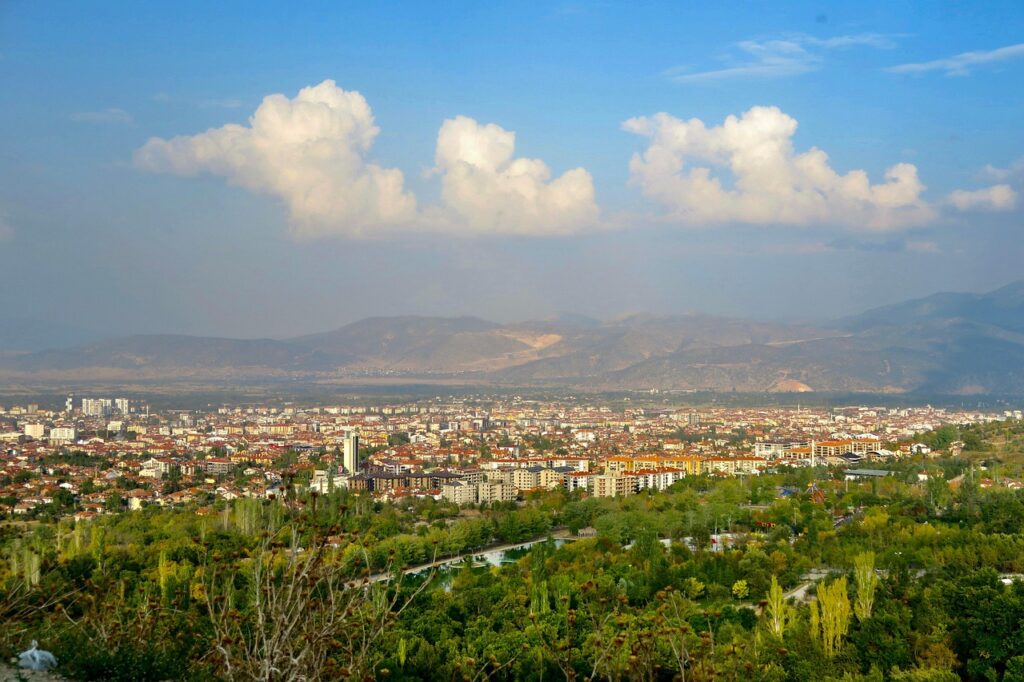
Isparta is well connected despite its inland position. The city has its own airport, named for the province’s most famous son, Süleyman Demirel, with domestic flights that connect the region to Istanbul and other hubs. The airport sits on the plain between Isparta and the neighboring city of Burdur.
By land, Isparta is reached by good roads and regular buses from Antalya, Denizli, Konya, and the other cities of the region. The drive from Antalya, through the mountains to the south, is one of the most scenic approaches in Turkey, climbing from the Mediterranean coast into the lakes district.
The high-speed rail network has also been drawing closer to the region, and the combination of train, bus, and car makes Isparta an easy stop on a wider itinerary. However you arrive, the city’s compact center is easy to navigate once you are there.
Getting Around
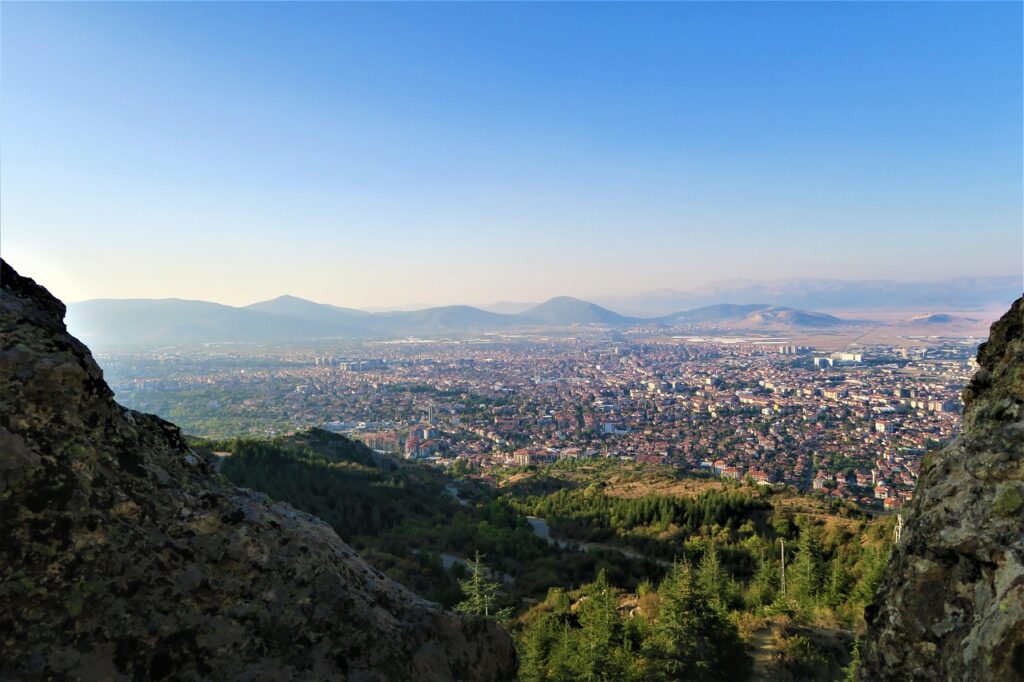
Isparta city is small enough to explore on foot. The old town, the mosques, the bazaar, and the museums sit within a walkable center, and the main avenues hold the modern commerce and services of the city. A walking day will cover the urban highlights without difficulty.
For the region, the situation changes: the lakes, the rose gardens, and the mountain resorts are spread across the countryside, and a car is the most practical way to see them at your own pace. Rental agencies operate in the city, and the roads are good.
The local minibuses connect the city with the district towns, including Eğirdir, and the organized tours that run in season cover the classic circuit of roses, lakes, and villages. For most first-timers, a combination of walking, a rental car for a day or two, and the minibuses works perfectly.
Where to Stay
Isparta’s accommodation is practical and affordable, reflecting a city that sees fewer tourists than its beauty deserves. The center offers modern hotels and business-style stays, while the districts and lakeside towns hold pensions and family guesthouses with more character.
For the full experience, consider a night by the lake at Eğirdir, where the island and lakeshore hotels offer the region’s most atmospheric rooms, or a stay among the rose country in the villages, where the gardens surround you. The lakeside options are the ones travelers remember.
The practical notes are simple: book ahead in June for the rose season, and for weekends when the city fills with visitors from the region. Whatever your choice, the prices are honest, the breakfasts are local, and the welcome is genuine.
The Rose Country
The heart of the Isparta experience is the rose country itself, the rolling hills around the city where the gardens stretch in neat pink rows. The fields belong to the district of Gönen and the surrounding countryside, and in the harvest season they are a sight unlike anything else in Turkey.
Visiting the gardens is best done early, when the pickers are at work and the flowers are at their freshest. The rose is picked by hand, petal by petal, and watching the harvest, and joining it if you are invited, is one of the most memorable experiences of a visit.
The distilleries, where the petals are steamed to extract the precious oil and water, are also open to visitors in season. The process is simple and ancient: it takes enormous quantities of petals to produce even a small bottle of oil, and the math explains why the product is so precious.

Egirdir and the Lake
The jewel of the region is Eğirdir, a town on the shore of one of Turkey’s largest freshwater lakes. The lake, deep and clear, is ringed by mountains, and the town stretches along its shore, with the old quarter climbing the hill and two islands connected to the mainland by a causeway.
The islands are the classic Eğirdir experience: walk out along the causeway, past the waterfront restaurants and the small hotels, and you reach a world of quiet lanes, old houses, and lake views in every direction. Swimming, boat trips, and the lake fish of the local restaurants complete the picture.
Above the town, the old castle and the lanes of the historic quarter repay a slow climb, and the evenings, with the light on the water and the mountains turning gold, are among the most beautiful in the region. Eğirdir alone justifies a trip to Isparta.
The Old Town
Back in the city, the old town of Isparta holds the history. The lanes below the modern avenues preserve traditional houses, mosques, and the market buildings of the Ottoman town, and the great mosque of the city, with its long history of rebuilding after fires and earthquakes, anchors the quarter.
The old market, the bedesten, has been restored and now houses shops and cafes, and the surrounding streets retain the feel of a working provincial center. The historic mosques of the city, with their tiled minarets, are among the finest monuments of the region.
A walk through the old town, from the mosque to the market and up into the residential lanes, gives the visitor the sense of Isparta’s depth: a city that has been a provincial center for centuries, rebuilding itself through the region’s turbulent history.

Eating in Isparta
The food of Isparta reflects the lakes district: freshwater fish from the lakes, lamb from the high pastures, and the produce of the region’s orchards and gardens. The rose appears even here, in jams, syrups, and sweets, and the region’s honey is among the best in Turkey.
The classic dishes are the hearty cooking of the southwest: kebabs and grills, stuffed vegetables, the dough dishes of the region, and the puddings and pastries that finish every meal. The lokantas of the city serve the daily rotation at honest prices, and the lakeside restaurants at Eğirdir specialize in the lake’s fish.
Save room for the local specialties: rose petal jam with clotted cream, the apple dishes of the autumn, and the sweets of the bazaar. The cuisine of the lakes district is a quiet pleasure, and it rewards the traveler who eats with the region.
Practical Tips for Your Visit
A few practical notes will smooth your visit. The rose season is the peak of the local calendar, so book accommodation early if you come in June, and plan the garden visits for the morning hours, when the light and the harvest are at their best.
The lakes district is best explored with time: Eğirdir deserves a full day, the rose country a morning, and the mountains a day of their own. Carry layers even in summer, since the lakes and the mountains stay cool, and take sunscreen and water for the summer sun.
Finally, remember the local pride. Isparta is proud of its roses, its lakes, its apples, and its famous son Süleyman Demirel, and the people are happy to talk about all of them. Ask, listen, and accept the tea that will surely be offered, and your visit will be the richer for it.
Frequently asked questions
When is the best time to visit Isparta for the roses?
The rose harvest runs from late May through June, and early June is the peak, when the gardens are fullest and the rose festival takes place. The flowers are picked at dawn, so the gardens are most beautiful in the early morning.
How far is Egirdir from Isparta city?
Eğirdir is about half an hour’s drive from the city center. The town on the lake is the region’s most atmospheric destination, with its islands, castle, and old quarter, and it makes an easy day trip or a memorable place to stay.
What should I buy in Isparta?
Rose products are the classic souvenirs: rose water, rose oil, rose petal jam, and rose-flavored sweets. The region also produces excellent honey and is a major apple-growing area, so the markets are full of local produce in season.

All Over Information
The All Over Information editorial team researches and writes practical English-language guides to Turkey. Facts are checked against official and local sources before publication, prices are published as dated ranges rather than quotes, and guides are revised when things change. We accept no sponsored posts, paid placements or paid links.
More guides like this

Day Trip Ideas from Isparta
Isparta sits at the heart of Turkey's Lakes Region, a pocket of inland Anatolia where the Taurus foothills meet a chain of…

History and Culture of Isparta
Isparta is a city that most travelers pass through on the way to somewhere else, yet few Turkish provinces carry a clearer…
Best Local Food in Isparta
Isparta sits in the middle of the lakes district, where the cooking draws on the water, the orchards, and the rose gardens…

Top Things to Do in Isparta
Isparta is the rose capital of Turkey and the heart of the lakes district, and it offers a rare combination of experiences:…
Where to Stay in Isparta
Isparta offers two very different kinds of travel, and your choice of accommodation decides which one you get.