Most travelers see Buyukada in the warm months, when the beaches fill and the ferries run like clockwork. Winter is a different island entirely: quieter, colder, and in many ways more beautiful. The pine hills hold the low light of the season, the sea turns slate and silver, and the town closes in on itself like a house settling for the night. This guide tells you what to expect from a winter visit, and why the off-season might be the best time of all.
The Winter Transformation
The first surprise of winter on Buyukada is the silence. In summer the harbor hums with ferries, music, and crowds; in winter the same square holds a handful of people, a few gulls, and the wind in the rigging. The island feels twice its size.
The light changes everything. The low winter sun paints the wooden mansions in warm gold against cold air, and the sea, stripped of its summer blue, takes on the grays and greens of the season. Photographers find the island at its most expressive now.
The pace slows to match. Shops open later and close earlier, the restaurant terraces are empty, and the island’s daily rhythm belongs to the residents. For the visitor, it is a chance to see Buyukada undressed, without the summer show.
Getting There in Winter
The ferry remains the only way to reach Buyukada, but the winter timetable is thinner. Sailings are fewer, the last boat leaves earlier, and some routes run only at certain hours, so the timetable deserves your full attention.
The ferries themselves are warmer than you expect, with heated cabins and the sea air kept at the door. On stormy days the crossing can be rough, and the deck, such a pleasure in summer, is best admired through the windows in January.
Fog is the winter traveler’s real obstacle. When visibility drops, sailings may be delayed or canceled, so build flexibility into your plans and check the morning announcements before you set out.

Walking the Empty Streets
Winter is the season for walking, and the empty streets of Buyukada are a gift. The harbor promenade, the mansion lanes of Nizam and Maden, and the forest paths all belong to you and a scattering of islanders.
The air is clean and cold, the smells of woodsmoke and pine mix with the sea, and every step crackles through the quiet. The winter walker sees details the summer crowd misses: the carved doorways, the garden walls, the cats in their winter coats.
Bundle up and walk without a plan. The island’s modest size makes it safe to wander, and the cold, which might seem a drawback, actually keeps you moving, turning a walk into a brisk adventure.
Winter Light and Photography
For photographers, winter is Buyukada’s secret season. The low sun throws long shadows across the cobbles, the bare branches trace fine lines against the sky, and the mist that sometimes settles over the sea turns the island into a study in soft grays.
The harbor at dawn, the monastery hill in fog, and the mansion streets in the late afternoon light are all at their best in the cold months. Even the ferries, crossing a slate sea, compose themselves into pictures.
Bring gloves that let you operate a camera, because the light waits for no one, and keep a lens cloth handy for the sea spray. The winter island rewards patience with images the summer visitors never see.
The Monastery in the Cold
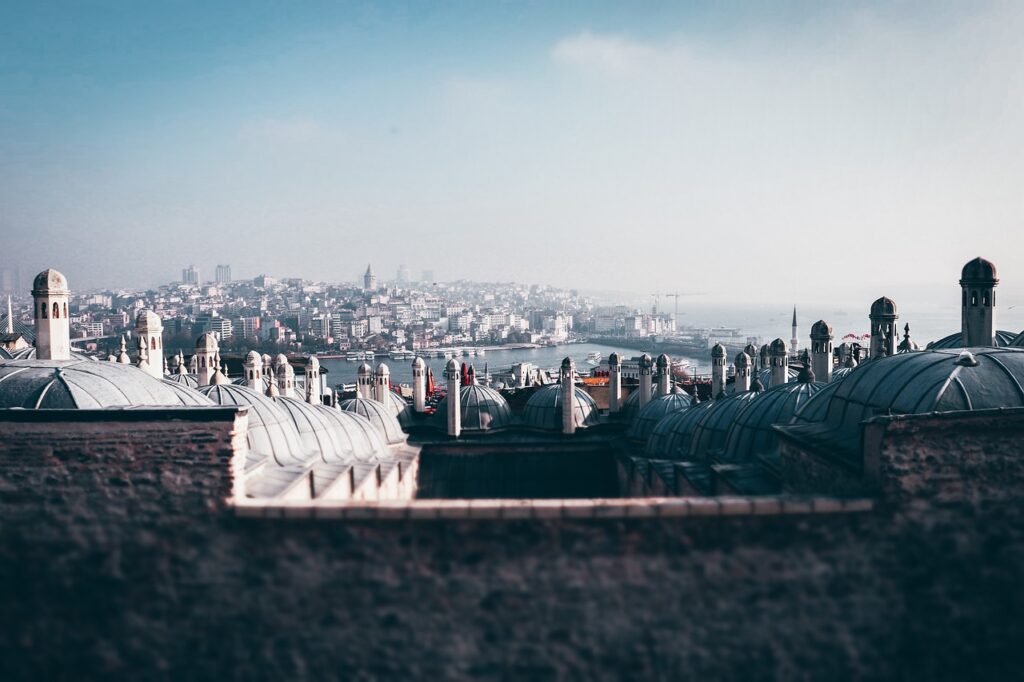
The climb to the monastery of St George becomes a different pilgrimage in winter. The path is quieter, the stalls that line it in summer are mostly shuttered, and the forest is bare and still, with the sea visible through the branches at every turn.
At the top, the view is the clearest of the year. Winter air is the clearest air, and on bright days the whole chain of islands, the Asian shore, and the distant city towers stand out with a sharpness summer never offers.
The monastery itself is warm and welcoming, a place of candles and quiet, and the tea served nearby tastes better in the cold. The climb that takes an hour in summer may take longer now, because the silence asks you to stop and listen.
Cozy Cafes and Tea Houses
Winter concentrates the island’s social life into its few open cafes and tea houses, and they become the season’s living rooms. Wood stoves, tea glasses, and windows fogged from the outside cold create a warmth that summer terraces never match.
The islanders gather here for the day’s news and the day’s chess, and the conversation is unhurried. As a visitor you are welcome to join, and the winter traveler is a rare enough guest to be treated with extra hospitality.
Order tea, then more tea, and let the afternoon disappear. A winter afternoon in a Buyukada tea house is the closest the island comes to a fireplace, and it is exactly as good as it sounds.

Island Community Life
In winter, Buyukada stops being a resort and becomes a town. The summer populations of visitors and seasonal workers depart, and the year-round residents, the island’s true heart, come into view.
You will see the community’s real routines: the school run, the shopping trips by handcart, the repair work on the wooden houses, and the small businesses that keep the island alive through the quiet months. It is the authentic island, and it is not performed.
The season also has its calendar of events, from winter markets to religious feasts, and the locals are happy to explain them. Winter visitors are not just tolerated; they are a small curiosity, and the welcome is genuine.
What’s Closed in Winter
Winter’s trade-offs are real, and the biggest is the shuttered island. The majority of the waterfront restaurants, the seasonal cafes, the bicycle rentals, and many of the guesthouses close from late autumn until spring.
The phaetons run in reduced numbers, and on the coldest days the horses rest, leaving walking as the island’s only transport. The souvenir shops thin out, and the ferry service, as we have seen, follows its own seasonal logic.
Plan around the closures: confirm that your restaurant is open, book a hotel that operates year-round, and treat the shuttered shutters as part of the atmosphere rather than an inconvenience.
Packing for Winter
Packing for a winter visit is a matter of layers. The island’s temperature can swing through the day, from crisp morning to mild afternoon to cold evening, and the sea wind adds its own chill, so a coat, a scarf, and a hat earn their space.
Sturdy, waterproof shoes matter more than in summer, because the cobbles stay damp and the paths can be muddy. A warm layer for the ferry, where the deck air bites, and a pair of gloves for photography complete the sensible kit.
Pack light enough to carry easily, because the winter island still has no cars, and your luggage makes its own journey from the pier. Everything else, the island supplies, including the appetite for tea.
Why Winter Is Worth It
The case for a winter visit is simple: you get the island to yourself, at its most beautiful and most honest. The crowds, the queues, and the summer prices vanish, and what remains is Buyukada as it actually is.
The low season also gives you the clearest views, the best light, the warmest hospitality, and the rare pleasure of a place that is usually crowded, empty. Winter travelers come home with stories the summer visitors cannot match.
If you can be flexible with your dates, choose the cold months and the quiet. Buyukada in winter is a hidden gem, and it is hiding in plain sight.
A Winter’s Day on the Island
A winter day on Buyukada has its own natural shape. Arrive on the morning ferry, when the harbor is still and the light is low, and walk the waterfront before the shops decide to open, watching the islanders go about their quiet business.
Late morning belongs to the mansion streets and the forest trails, with a rest in a tea house as the cold begins to bite. Lunch, in one of the few open restaurants, is a warm and simple affair, and the afternoon is best spent on one long walk or in a photography session along the shore.
End the day as the sun drops early, with tea by a window and the evening ferry waiting to carry you back across the darkening sea. The winter day is shorter, but it is full, and it finishes with a satisfaction summer never quite delivers.
Staying Overnight in the Quiet Season
The bravest travelers stay the night, and winter rewards them. With the last ferry gone, the island goes completely quiet, and the few lights in the windows of the open guesthouses shine like invitations.
A winter night on Buyukada means a dinner in a nearly empty restaurant, a walk under the stars with the sea breathing below, and a morning that belongs to you alone before the first ferry returns. It is the island at its most intimate.
Check carefully that your guesthouse operates year-round, and expect the comfort to be simple rather than luxurious. What you give up in facilities, you gain in solitude, and that trade is the season’s truest bargain.
Frequently asked questions
Is Buyukada worth visiting in winter?
Absolutely, for the right traveler. If you want swimming and beach life, no; if you want empty streets, clear winter light, a real sense of the island’s community, and the monastery view at its sharpest, winter is superb. Check that your chosen cafes and hotel are open, and you will have the island almost to yourself.
Do ferries run in winter?
Yes, but less often. The winter timetable offers fewer sailings with earlier last boats, and fog can cause delays or cancellations, so check the schedule and the morning announcements. The crossings themselves are comfortable, with heated cabins, and the shorter daylight simply means planning your day around the boats.
What should I pack for a winter day?
Dress in layers and bring a warm, windproof coat, a scarf, a hat, and sturdy waterproof shoes. Add gloves if you plan to photograph, and a warm layer for the ferry deck. With the right clothes, the winter island is bracing rather than bitter, and the tea houses are always ready to warm you back up.

All Over Information
The All Over Information editorial team researches and writes practical English-language guides to Turkey. Facts are checked against official and local sources before publication, prices are published as dated ranges rather than quotes, and guides are revised when things change. We accept no sponsored posts, paid placements or paid links.
More guides like this

Top 10 Things to Do in Buyukada
Buyukada, the largest of the Princes' Islands, packs an extraordinary amount into a car-free landscape of pine hills and sea.
Buyukada in Summer: A Complete Travel Guide
Summer is Buyukada's season of full bloom.

Buyukada Airport and Transport Guide
Buyukada has no airport, and that is a large part of its charm, but reaching it from the sky and from the…

Shopping Guide: What to Buy in Buyukada
Shopping on Buyukada is a small, personal affair, and that is its charm.

The Best Day Trips from Buyukada
Buyukada makes a wonderful base, and not only because the island itself is worth days of exploration.
Buyukada on a Budget: Money-Saving Travel Tips
Buyukada is one of Istanbul's most affordable escapes, because the island's greatest pleasures, the sea, the pines, the walking, and the swimming,…