Bebek is the Bosphorus village that Istanbul keeps for itself. Smaller and calmer than Ortakoy, more refined than Beşiktaş, it is where the city’s wealthy come to stroll, to brunch, and to watch the water — and where first-time visitors discover the Bosphorus at its most beautiful. The village is compact: a crescent of cafés along the shore, a famous park, a waterfront promenade, and a university campus in the hills behind. You can see it all in a day, and you will want to stay longer.
Getting Your Bearings
Bebek sits on the European shore of the Bosphorus, about halfway between Beşiktaş and the Rumeli Hisarı fortress, roughly three kilometers north of Ortakoy. The heart of the village is the small square at the water’s edge, where the ferries land and the cafés line up along the promenade. One main street runs parallel to the shore, with the lanes climbing the hill behind — the homes of ambassadors and celebrities, the campus of Boğaziçi University, and a string of viewpoints over the strait. Everything a visitor needs is within a ten-minute walk of the square.
The Waterfront Promenade
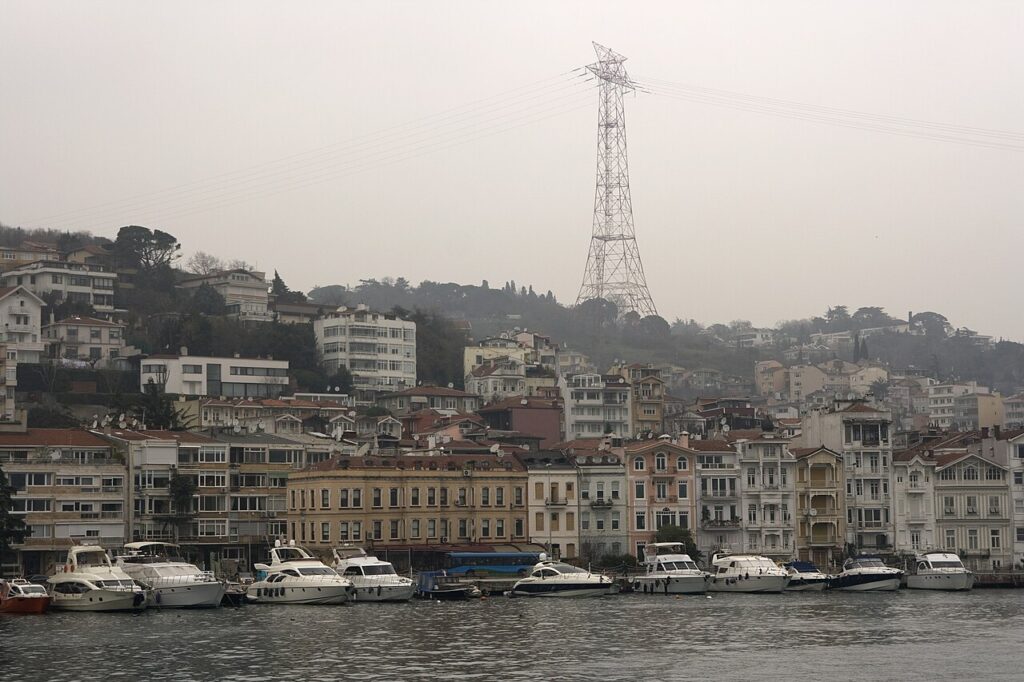
Start your visit on the promenade, the paved walkway that runs along the shore. This is Bebek’s living room: joggers in the morning, strollers at midday, families and dogs in the evening, and always someone sitting on a bench watching the ferries cross between the continents. The views are the best on the European shore — the Asian hills opposite, the Maiden’s Tower far to the south, the bridges visible on clear days. Walk the promenade both ways, from the ferry landing north toward Arnavutköy, and you will understand in twenty minutes why Bebek is Istanbul’s favorite waterfront.
Bebek Park: The Village Green
At the heart of the village is Bebek Park, the green space that gives the neighborhood its gathering place. The park runs along the shore behind the cafés, with lawns, flower beds, and a playground that draws families from across the city. It is the perfect spot for a picnic, a book, or simply a long sit in the shade with the Bosphorus glittering beyond the trees. On summer weekends the park fills with couples and families; on weekday mornings it belongs to the joggers and the nannies with strollers. Enter from the square end and walk its length for the best views.
The Cafes and the Brunch Culture
Bebek is famous across Istanbul for its café culture, and the waterfront is lined with them — the glass-fronted cafés where the city’s fashionable come to be seen over coffee and cake. Brunch is the local religion: the weekend brunch tables at the waterfront cafés are booked days in advance, and the spread — eggs, cheese, olives, pastries, honey — is the standard by which the rest of the city measures its own. If you visit on a weekend, book ahead or arrive early. On a weekday, simply take a seat, order a Turkish coffee, and watch the village do what it does best: nothing, beautifully.

The Walk to Rumeli Hisarı
The single best excursion from Bebek is the short walk north along the shore to Rumeli Hisarı, the great Ottoman fortress that commands the narrowest point of the Bosphorus. The fortress was built in 1452 by Sultan Mehmed II in preparation for the conquest of Constantinople, and its massive walls and towers still dominate the hillside. The walk takes about twenty minutes along the promenade, and the fortress rewards the effort with ramparts to climb and views down the strait. Combine the walk with a visit, and you have the perfect Bebek morning.
The Hills and Boğaziçi University
Behind the village, the streets climb toward Boğaziçi University, one of Turkey’s most prestigious institutions, housed in the former palace grounds on the hill. The campus is worth a wander — the old mansion buildings, the lawns, and above all the view from the university’s terrace over the Bosphorus, the best panorama in the neighborhood. The lanes around the campus are lined with the mansions of the wealthy, and the evening promenade along the hill roads, with the strait glittering below, is a local ritual. The climb is steep but short, and the reward is the view.

Practical Notes for Your First Visit
Bebek is small enough that you need no detailed plan — the village works best as a slow day. Arrive by ferry for the full experience, or by taxi from Beşiktaş if you are in a hurry. Bring an Istanbulkart for the ferry, cash for the smaller cafés, and comfortable shoes for the hills. The weekend brings crowds and booked brunch tables; the weekday morning is the village at its calmest. And remember the local etiquette: this is a place where people come to linger, so order your tea, take your time, and let the Bosphorus set the pace.
The Walk to Arnavutköy
The promenade continues north from Bebek into Arnavutköy, and the walk is one of the village’s essential experiences. Arnavutköy is famous for its rows of wooden waterfront mansions — the yalıs of the Ottoman shore, painted in soft colors and leaning over the water. The walk takes about twenty minutes along the flat, scenic shore, and it delivers the most beautiful stretch of residential waterfront on the European side. The mansions are private, so the pleasure is in the looking, but the looking is extraordinary: the carved wood, the weathered facades, the gardens spilling to the strait. Do the walk in the late afternoon, when the light is low and the facades glow.

The Language of the Village
You will not need Turkish in Bebek — the cafés and shops handle English comfortably — but a few words open doors and smiles. “Merhaba” for hello, “teşekkürler” for thank you, “çay” for tea, “hesap lütfen” for the bill. The residents are used to visitors and mostly happy to help, and the effort is always appreciated. The village’s own vocabulary includes the yalı, the waterfront mansion, and the kumpir’s distant cousin — Bebek does not do kumpir, but it does do brunch, and the local word for the morning meal is the universal “kahvaltı.” A little language goes a long way, and the smiles it buys are the best currency in the village.
The Respectful Visit
Bebek is a residential village, and a little courtesy keeps it welcoming. The waterfront belongs to everyone, but the back streets are home to the residents, so keep voices down in the lanes and respect the private gardens and gates. The mosque at the village — like all working mosques — asks for modest dress and shoes off at the door. The cafés are happy to have you linger, but the table you hold is also a business for them, so order enough to justify the seat. The cats and the dogs of the village are loved and fed by the residents; a kind word is welcome, but leave the feeding to the locals. A little respect goes a long way, and the village repays it with the warmth it shows its regulars.
A final practical note on getting there: the ferry is the arrival that matches the village’s character. The landing at Bebek is a short walk from the square, and the crossing — whether from Beşiktaş, from the Asian side, or from a village further north — frames the visit properly, the village appearing across the water as it has for centuries. The buses and taxis work too, but they deliver you to the edge of the village without the ceremony. Arrive by water, and your first steps in Bebek carry the salt and the spray of the strait; it is the arrival the village was built for, and it costs the same as the bus.
The Takeaway
Bebek is the Bosphorus at its most refined — a village built around the water, the café table, and the slow pleasure of watching the strait. It rewards visitors who match its pace: walk the promenade, sit in the park, linger over coffee, climb the hills for the view. Istanbul shows many faces, and this is one of its loveliest.
Frequently asked questions
What is Bebek known for?
Bebek is known for its waterfront promenade, its famous café and brunch culture, Bebek Park, and its position at the foot of Rumeli Hisarı fortress.
How do I get to Bebek?
Ferries connect Bebek with other Bosphorus piers, and buses and taxis run from Beşiktaş and Taksim. The ferry is the most scenic option.
Is Bebek expensive?
The waterfront cafés are among the priciest in Istanbul, but the promenade, the park, and the walk to Rumeli Hisarı are free, and the back streets have budget-friendly spots.
How long should I spend in Bebek?
Half a day is enough for the village itself; a full day works best when combined with the walk to Rumeli Hisarı and the hill viewpoints.
Is Bebek safe for tourists?
Completely — the village is safe at all hours, and the waterfront and back streets are well lit and well traveled.
Do the cafés in Bebek accept credit cards?
The waterfront places do, but the smaller back-street spots and the bakery queues are often cash-only — carry some lira.

All Over Information
The All Over Information editorial team researches and writes practical English-language guides to Turkey. Facts are checked against official and local sources before publication, prices are published as dated ranges rather than quotes, and guides are revised when things change. We accept no sponsored posts, paid placements or paid links.
More guides like this
Where to Stay in Bebek: Neighborhood Guide
Bebek is one of the most desirable addresses in Istanbul, and staying there puts the Bosphorus at your doorstep.

Shopping Guide: What to Buy in Bebek
Bebek is not a shopping district in the Grand Bazaar sense — there are no carpets and no haggling — but it…


History and Culture of Bebek
Bebek's history is the history of the Bosphorus in miniature: a fishing village, an imperial retreat, a fashionable suburb, and now the…
Bebek on a Budget: Money-Saving Travel Tips
Bebek has a reputation as one of Istanbul's most expensive neighborhoods, and the waterfront cafés do their best to live up to…

Nightlife Guide to Bebek
Bebek's nightlife is not the club scene of Beşiktaş or the bar crawl of Karaköy — it is something rarer and, in…