Welcome to Galata, the historic quarter that climbs the hill above the Golden Horn beneath the shadow of its famous medieval tower. For first-time visitors, Galata is the perfect introduction to Istanbul’s layered past: a medieval Genoese trading colony transformed into one of the city’s most creative neighborhoods. Cobbled lanes hide galleries, boutiques, coffee shops, and rooftop terraces, while the legendary Galata Tower anchors everything above. This guide walks you through the essentials: riding the historic Tünel funicular, finding the Kamondo Steps, exploring the boutiques and view terraces, and understanding how Galata connects to the waterfront neighborhood of Karaköy. By the end, you will know exactly where to go and how to make the most of your first visit.
First Things First: Where Is Galata?
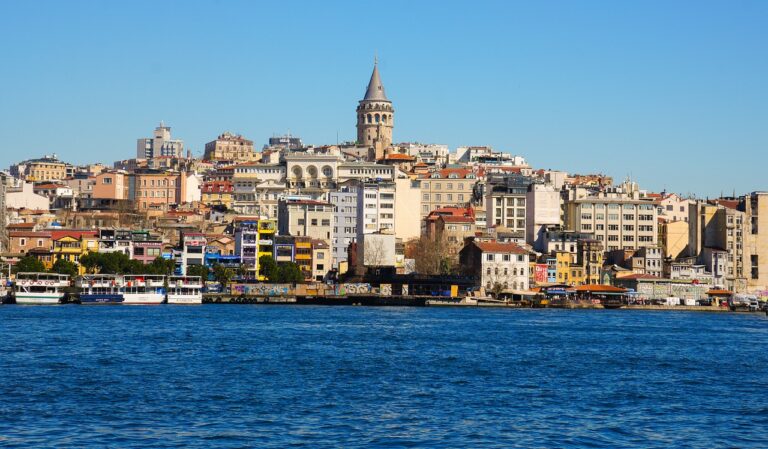
Galata sits on the European side of Istanbul, on the northern shore of the Golden Horn, directly across the water from the Old City. The district climbs steeply from the ferry port of Karaköy at sea level up to the crest of the hill, where the Galata Tower has stood since the fourteenth century. Administratively, it belongs to the larger Beyoğlu district, and its upper edge meets İstiklal Avenue near Tünel Square.
Understanding the geography helps you plan your time. The lower streets near the water bustle with ferries, tram lines, and fish restaurants, while the upper lanes around the tower are quieter, largely pedestrian-friendly, and lined with cafes and boutiques. Everything is connected by steep cobbled alleys, so comfortable shoes matter more than any map.
Keep the tower in view and you will rarely get lost. Most lanes lead either downhill toward Karaköy and the Galata Bridge or uphill toward Tünel and İstiklal Avenue. That simple mental map turns Galata from a confusing maze into one of the most walkable neighborhoods in Istanbul.
Start at the Galata Tower
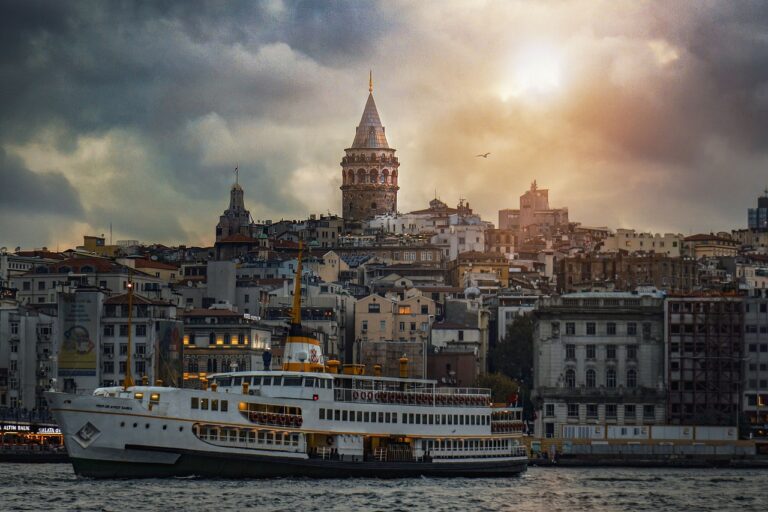
The Galata Tower is the symbol of the quarter and the natural starting point for any first visit. Built in 1348 by the Genoese as part of their fortifications, it was known as the Tower of Christ and has served as a watchtower, a prison, a fire lookout, and now a beloved observation deck. Rising above the rooftops, it dominates views from almost every lane in the district.
For most visitors, the highlight is the climb to the top. The viewing gallery wraps around the tower and offers a sweeping panorama of the Golden Horn, the Bosphorus, the Old City with its domes and minarets, and the rooftops of Galata itself.
Go early in the morning or late in the afternoon to beat the queues. Even if you skip the climb, the tower is beautiful from below, and the lanes around its base are full of life.

Wander the Cobbled Lanes
Once you have seen the tower, the real pleasure of Galata begins in its cobbled lanes. Serdar-ı Ekrem Street is a favorite, lined with vintage shops, designer boutiques, and cafes spilling onto the pavement. Galip Dede Street, which leads downhill toward Tünel, is famous for its music shops, where guitars hang in the windows and the sound of instruments drifts into the street.
Cezayir Street, often called French Street, is a short, flower-decked lane packed with small restaurants and bars. Wander without a fixed route and you will find courtyards, stairways, and tiny squares that never appear on standard maps.
The lanes are also where you will find the boutique hotels and galleries that give modern Galata its character. Take your time, look upward at the ornate facades, and step into any doorway that catches your eye. Getting intentionally lost is the best way to understand this quarter.
Find the Kamondo Steps
Tucked between the busy streets, the Kamondo Steps are one of Galata’s most photographed landmarks. Built in the 1860s for the prominent Kamondo banking family, these curved stone steps connect the old financial street of Bankalar Caddesi to the upper lanes of the quarter. Their elegant, double-curved shape was ahead of its time and is often compared to later works of modern architecture.
From the top of the steps, you look down toward the Golden Horn, with the towers of the Old City rising beyond. From below, the staircase appears to sweep upward like a ribbon, making it a favorite spot for photographers. The steps are also a working route, used daily by residents, so be ready to share them.
To reach them, follow Bankalar Caddesi from the Karaköy end. Early morning is the quietest time for photos.

Ride the Tünel Funicular
The Tünel is more than a practical shortcut; it is a piece of history you can ride. Opened in 1875, it is the second-oldest underground funicular railway in the world, after London’s Underground. It runs a short distance between Karaköy at the water and Tünel Square at the top, climbing the hill in about a minute.
The ride itself is charming, with old-fashioned carriages and the feeling of stepping back in time. The route connects the ferry and tram hub of Karaköy to the top of Galata, saving you the steep climb. Locals still use it daily.
Use the Tünel to arrive at Galata from Karaköy or to return to the waterfront after exploring. At Tünel Square, you will find the start of İstiklal Avenue in one direction and the lanes of Galata in the other. It is also one of the cheapest rides in Istanbul.
Stop at the Cafes and View Terraces
Galata is a neighborhood built for lingering, and its cafes are part of the experience. Traditional coffeehouses sit alongside specialty coffee shops, tea gardens, and patisseries, all spilling onto the cobbles when the weather allows. Order a Turkish coffee or a glass of tea, add a simit, and settle in to watch the quarter go by.
The real treat is the view terraces. Many hotels, restaurants, and bars use the steep slopes to their advantage, offering rooftop seating with panoramic views of the Golden Horn and the Old City. Some are open to the public, while others are reserved for hotel guests.
Timing matters: golden hour, just before sunset, transforms the rooftops into shades of amber and rose, and the minarets of the Old City glow in the distance. If you can manage only one terrace, choose one that faces the Golden Horn and arrive before sunset to secure a seat.

Browse the Boutiques and Galleries
Modern Galata is a creative quarter, and shopping here is a delight for those who love one-of-a-kind finds. Boutiques sell contemporary Turkish design, jewelry made by local ateliers, textiles, and ceramics, often in tiny shops tucked into old buildings. Unlike the Grand Bazaar, the emphasis here is on originality rather than souvenirs.
Galleries dot the neighborhood, showing everything from painting and photography to installation art and design. Many are small, independent spaces that are free to enter, and walking from one to the next is a relaxed way to spend an afternoon. Şişhane, at the upper edge of the quarter, is particularly known for its gallery and design scene.
Prices reflect the craft involved, but browsing costs nothing, and the shopkeepers are happy to talk about their work. If you buy, you carry home something genuine, made in Istanbul.
Descend to Karaköy
Galata and Karaköy are two halves of one hillside, and no visit is complete without experiencing both. Karaköy is the waterfront quarter at the foot of the hill, where ferries depart for the Asian side, the tram line runs along the shore, and the Galata Bridge connects to the Old City. Its lanes have filled with galleries, cafes, and design shops in recent years.
Walking down from the tower, you pass through the heart of medieval Galata, past old bank buildings, churches, and synagogues that testify to the quarter’s cosmopolitan past. At the water, you can watch fishermen on the bridge, eat fish sandwiches, or simply sit and watch the ferries cross the Golden Horn.
The connection works both ways. Come by ferry from anywhere in Istanbul, walk up through Karaköy to Galata, and ride the Tünel back down when your legs tire. The two neighborhoods give you water and hill, commerce and culture, in a single compact walk.

Practical Tips for First-Timers
A few practicalities will make your first visit smooth. Wear comfortable shoes, because Galata is steep and cobbled, and expect stairs everywhere. Carry a small amount of cash, as some cafes and tiny shops still prefer it, and keep your belongings secure in crowded spots. A reloadable transport card simplifies every journey.
Time your visit to avoid the midday crowds: mornings are peaceful, and late afternoon brings the golden light. If you want to climb the tower, go early. If you want a terrace table at sunset, arrive well before. Consider carrying a light jacket even in summer, because the evenings by the water can turn cool.
Finally, leave room for spontaneity. The best Galata experiences, the unexpected courtyard, the tiny gallery, the rooftop view you find by accident, happen when you wander. Trust the lanes, take the steps, and let the quarter reveal itself.
A Simple Walking Plan
Here is a simple plan for your first morning. Start at Karaköy, ride the Tünel up to Tünel Square, and walk downhill through Galata toward the tower. Pause on Galip Dede Street for the music shops, then follow the lanes to the Kamondo Steps and Bankalar Caddesi.
Loop back uphill to the Galata Tower, climb it if the line allows, and then drift through Serdar-ı Ekrem and the side streets for cafes and galleries. Finish with a terrace drink as the sun drops over the Golden Horn, then walk down to Karaköy for a fish dinner by the water.
The whole loop takes half a day at a relaxed pace. Follow your curiosity, and the quarter will reward you.
Frequently asked questions
How long should I spend in Galata?
Most visitors enjoy Galata in half a day, but it deserves a full day if you want to climb the tower, browse the boutiques and galleries, and linger over coffee and a terrace view. Combined with Karaköy and the Galata Bridge below, a full day lets you experience both the hilltop atmosphere and the waterfront life of this historic quarter.
Is it worth climbing the Galata Tower?
Yes, if you are comfortable with queues and crowds. The viewing gallery offers one of the best panoramas of Istanbul, taking in the Golden Horn, the Bosphorus, and the Old City. Arrive early or late to shorten the wait, and choose a clear day, since low clouds and rain can hide the views entirely.
How do I get from Karaköy up to Galata?
The easiest way is the Tünel funicular, which climbs from Karaköy to Tünel Square in about a minute and has operated since 1875. You can also walk up the steep lanes, which takes longer but passes through the heart of the old quarter. Both options put you within minutes of the tower.

All Over Information
The All Over Information editorial team researches and writes practical English-language guides to Turkey. Facts are checked against official and local sources before publication, prices are published as dated ranges rather than quotes, and guides are revised when things change. We accept no sponsored posts, paid placements or paid links.
More guides like this
A Foodie’s Guide to Galata
Galata is a neighborhood built on appetite. For centuries, this hillside above the Golden Horn fed sailors, merchants, and bankers, and its…

Hidden Gems of Galata Most Tourists Miss
Every visitor to Galata sees the tower, but the quarter keeps its deepest charms for those who wander off the obvious routes.

Family-Friendly Activities in Galata
Traveling with children in Istanbul is easier than many parents expect, and Galata is one of the most family-friendly corners of the…

Galata Airport and Transport Guide
Getting between Galata and Istanbul's airports is simpler than it looks, because the quarter sits directly above Karaköy, one of the best-connected…

Galata on a Budget: Money-Saving Travel Tips
Galata is one of the most budget-friendly corners of Istanbul, and not only because the walking is free.
Where to Stay in Galata: Neighborhood Guide
Choosing where to sleep is one of the most important decisions you will make in Istanbul, and Galata makes it an easy…