Karaman is the kind of Turkish city travelers skip, and that is exactly the argument for going. Sitting on the high plain between Konya and the Taurus mountains, it is a working provincial town with a genuinely important history: this is where the Karamanoğlu principality made Turkish the official language of its court in the thirteenth century, and where the family of the poet Mevlana lived before moving to Konya. There is a hilltop castle, a handsome old quarter, serious local food, and empty ruins nearby. This guide tells a first-time visitor what to see, where to eat, and how to make sense of it all.
Why Karaman Deserves Your Time
Karaman is often described as Konya’s overlooked neighbor, and the comparison is fair. It has the same high Anatolian plain, the same Seljuk and medieval heritage, and a fraction of the crowds. Most visitors arrive on the way between Konya and the Mediterranean, and most of them move on too fast.
What they miss is a city with real texture. The castle hill, the old quarter of Larende, the tombs and medreses of the Karamanoğlu era, and a museum full of regional finds add up to a compact historical day. Around the city, the Göksu valley, the mountain town of Ermenek, and the Byzantine ruins of Binbirkilise offer some of the emptiest landscapes in central Turkey.
Karaman is also a food city. Its batırık, papara, and etli ekmek are local classics, and the plain around it produces grain, fruit, and the ingredients of a hearty regional table. For travelers who like their history unpolished, Karaman is a rewarding surprise.
Getting to Karaman
Karaman sits about an hour by road from Konya, roughly halfway between Ankara and the Mediterranean coast, and it is well connected for a city of its size. The fastest approach is by bus from Konya, which runs frequently and drops you at the city’s otogar, a short taxi ride from the center.
There is also a rail connection. Karaman station lies on the historic line that runs south from Konya toward the Mediterranean, and the train, while not the fastest option, is a relaxed and scenic way to approach the Taurus foothills. If you are coming from Ankara or Istanbul, change in Konya.
By car, the city is straightforward to reach: the main highways from Konya and from the south through the Sertavul pass are well maintained, and the passes themselves are part of the appeal. In winter, check mountain road conditions, especially on the routes toward the coast.
Karaman Castle and the Old Town
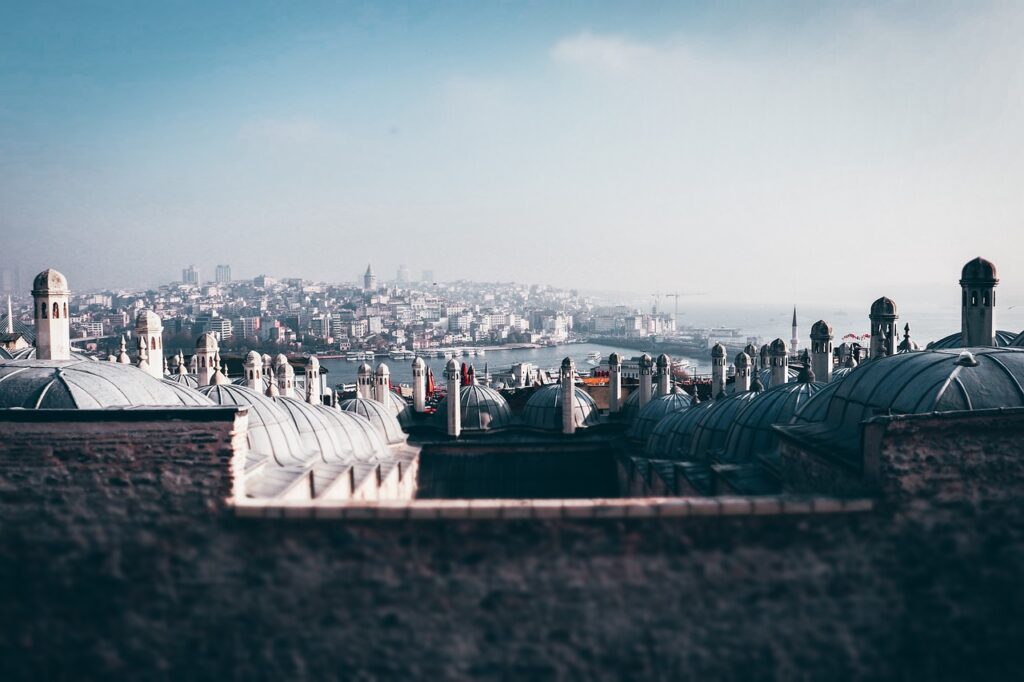
Karaman’s castle stands on a hill above the city, a much-rebuilt fortress whose origins reach back to the Byzantine period. The Karamanoğlu rulers strengthened it in the fourteenth century, and substantial stretches of wall and tower survive, though the interior is largely open ground.
From the castle hill you get the best view of the city: the old quarter spreading below, the minarets, and the plain rolling away to the mountains. The walk up is short, and the summit is a favorite evening spot for locals.
The old town, known historically as Larende, clusters around the castle foot. Its narrow streets hold the city’s most interesting buildings, including old houses, mosques, and the tombs of the Karamanoğlu era. Wandering here is the best way to feel the city’s age, away from the modern center’s traffic and shops.
The Karamanoğlu Legacy and the Turkish Language Decree
The name Karaman itself is a history lesson. The city, known in antiquity as Laranda, was renamed after the Karamanoğlu dynasty, a Turkish principality that ruled the region from the thirteenth century and rivaled the Seljuks, the Mongols, and the early Ottomans.
The dynasty’s most famous act came in 1277, when Karamanoğlu Mehmet Bey issued a decree ordering that Turkish, rather than Persian, be used in the court, the government, and public life. The decree is remembered as a landmark in the history of the Turkish language, and Karaman celebrates this heritage with a pride you can feel in its monuments and museums.
For the traveler, the dynasty left the most visible layer of the city: the mosques, tombs, medreses, and walls that define Karaman’s old quarter. Understanding that this was once the capital of a serious principality, one that nearly shaped Anatolia’s fate, changes how you read the town.

Aktekke Mosque and the Mevlevi Connection
Karaman’s most important religious building is the Aktekke Mosque, built in the fourteenth century during the Karamanoğlu period. Its elegant dome and stonework make it the city’s architectural centerpiece, but its real significance is personal.
The mosque complex holds the tombs of members of Mevlana’s family. The poet, known worldwide as Rumi, spent part of his childhood in the city, then called Laranda, where his father Bahaeddin Veled had settled with the family before the move to Konya. Mevlana’s mother is buried here, and the site draws pilgrims and visitors who know the Mevlevi story.
Visiting the mosque is a quiet experience. The interior is simple and reverent, and the tomb section is kept with care. Dress respectfully, as in any mosque, and take a moment to consider the connection: the most famous poet of the Turkish Sufi tradition began his life’s journey in this city.
Hatuniye Medrese and Seljuk Architecture
A short walk from the mosque, the Hatuniye Medrese is the finest surviving medieval building in Karaman. Built in the late fourteenth century for a Karamanoğlu princess, it served as a school of Islamic learning, and its carved stone portal is a small masterpiece.
The portal’s ornament, with its interlaced patterns and calligraphy, belongs to the same artistic family as the great Seljuk monuments of Konya and Sivas, though on a more modest scale. Inside, the single courtyard and the student rooms around it give a clear sense of how a medieval medrese worked.
The building now sits in the fabric of the old town, and its restoration makes it easy to appreciate. It is free to view from the street, and the quiet courtyard is a pleasant place to pause. For anyone tracing Seljuk and post-Seljuk architecture across Anatolia, this is an essential stop.
The Karaman Museum and the City’s Collections
To make sense of the region’s long history, start at the Karaman Museum, housed in a handsome building near the center. Its collections cover the full arc of local history, from prehistoric finds to the Ottoman period.
The archaeological galleries hold pottery, tools, and sculpture from the region’s ancient settlements, including material connected to the nearby Byzantine churches of Binbirkilise. The ethnographic rooms show the daily life of the plain: carpets, kilims, household objects, and the tools of village crafts.
The museum is compact enough to see in about an hour, and it is the best wet-weather option in the city. Entry is inexpensive, and the staff are used to explaining the collections to curious travelers. It also provides context for the ruins you will see if you take day trips into the countryside.
Eating in Karaman
Karaman’s table is the cuisine of the high plain: honest and filling, built around wheat, dairy, and meat. The dish visitors hear about first is batırık, a cold cracked-wheat preparation mixed with yogurt, garlic, and cucumber, a summer staple that shows the region’s love of yogurt.
Papara, another local classic, layers bread with meat and sauce in a baking dish, a medieval peasant dish that survives on modern menus. Etli ekmek, the elongated flatbread topped with minced meat, is the regional cousin of the famous Konya version, and ayran aşı, a cold yogurt soup with barley, rounds out the local repertoire.
Eat where the locals eat: the busy döner and kebab houses of the center, the soup kitchens that open at breakfast, and the pastry shops that sell börek in the morning. Meals are large and prices are honest, and the tea gardens around the castle are the right place to finish an afternoon.

Day Trips from the City
Karaman’s countryside is one of the emptiest and most rewarding in central Anatolia. The Göksu valley cuts through the Taurus south of the city, with the mountain town of Ermenek at its heart, crowned by a castle and surrounded by canyons and orchards.
The Byzantine churches of Binbirkilise, the so-called Thousand and One Churches, lie scattered around the slopes of Karadağ, a short drive away, with the best-preserved cluster near the village of Madenşehir. These rock-cut and stone churches date from the early Byzantine centuries and stand in a landscape of startling quiet.
Closer still is the Karaman plain itself, where village markets, yayla pastures, and ruined caravanserais make for easy half-day loops. And Konya, with the Mevlana Museum and its great Seljuk monuments, is close enough for a day trip in the other direction, giving you both poles of the region’s medieval story.
Practical Tips for First-Timers
A few practical notes will smooth the visit. Karaman is a conservative, working city, so dress modestly, especially around the old quarter and the mosques, and expect little English to be spoken; a few words of Turkish go a long way. Cash is useful in smaller shops and markets.
The city is compact and walkable, with the castle, museum, and old quarter within easy reach of the center. For the countryside, a car or a hired taxi is essential, as buses are infrequent and the ruins are scattered. Allow two days: one for the city, one for the valleys and churches.
Accommodation is basic but adequate, mostly modern hotels near the center, and there are few international restaurants. Plan meals around the local cuisine rather than expecting variety. Karaman will not be the fanciest stop on your route, but it will likely be among the most memorable.
Frequently asked questions
How do I get to Karaman from Konya?
The fastest way is by bus, with frequent departures from Konya’s otogar taking about an hour on a good highway. There is also a rail connection on the line running south toward the Mediterranean. From Ankara or Istanbul, change in Konya either way. The road is easy, and the first view of the plain is part of the pleasure.
What is Karaman known for historically?
Karaman is known for the Karamanoğlu principality and its 1277 decree making Turkish the official language of the court and public life. The city also holds the tombs of members of Mevlana’s family, who lived here before moving to Konya, and its medieval mosques and medreses survive. The decree of 1277 remains the city’s proudest claim on history.
How many days should I spend in Karaman?
Two days is a comfortable amount: one for the castle, old quarter, museum, and local food, and one for the countryside, including the Göksu valley, Ermenek, and the Byzantine churches of Binbirkilise. A single day still covers the essential city sights at a brisk pace. With a car you could add the valleys and ruins on either day.

All Over Information
The All Over Information editorial team researches and writes practical English-language guides to Turkey. Facts are checked against official and local sources before publication, prices are published as dated ranges rather than quotes, and guides are revised when things change. We accept no sponsored posts, paid placements or paid links.
More guides like this

Top Things to Do in Karaman
Karaman is one of central Anatolia's most underrated cities, and its attractions reward the traveler willing to slow down.

Day Trip Ideas from Karaman
Karaman makes an excellent base for exploring one of the emptiest corners of central Anatolia.

History and Culture of Karaman
Karaman is a city whose history is written into its name.
Best Local Food in Karaman
Karaman's cuisine is the cooking of the high Anatolian plain: generous, honest, and built around wheat, yogurt, and meat.
Where to Stay in Karaman
Karaman is not a resort city, and its accommodation scene is practical rather than glamorous, but it has more options than most…