Karaman makes an excellent base for exploring one of the emptiest corners of central Anatolia. The city itself is worth a day, but its real gift is location: the Taurus mountains begin just to the south, and within a short drive you find river valleys, medieval castles, Byzantine ruins, and high pasture country that most travelers never see. Even Konya, one of Turkey’s great historical cities, is close enough for a day trip. This guide rounds up the best excursions from Karaman, with honest notes on driving times and what each one offers.
Ermenek: The Castle Above the River
The classic Karaman day trip is Ermenek, the mountain town at the heart of the Göksu valley. The drive south follows the river through a narrowing gorge, and the town appears suddenly, crowned by a medieval castle on a rock above the water.
Ermenek’s castle, much rebuilt over the centuries, commands the valley and rewards the climb with views over orchards and cliffs. The old town below has traditional houses, a covered market, and a relaxed pace that feels far from the plain. In summer, the river pools and the town’s swimming spots are the main draw.
The drive takes about an hour and a half each way, so start early and give the town the afternoon. The valley road is spectacular in spring, when the orchards blossom, and in autumn, when the walnut harvest fills the market stalls. It is the single best excursion Karaman offers.
The Göksu River Valley
The valley of the Göksu is less a single destination than a whole day of driving, and it deserves to be traveled as a route rather than a stop. The river cuts through the Taurus on its way toward the Mediterranean, and the road that follows it is among the most scenic in central Anatolia.
Plan a loop that takes in the river’s viewpoints, the tiny villages on the slopes, and the terraced orchards that climb toward the mountains. Springs and picnic spots appear at intervals, and in summer the river itself is the attraction, with clear pools that invite a stop.
Give the valley a full day, carry water and a picnic, and take the side roads when they look promising. In winter the valley roads can ice over, so check conditions before setting out. In fine weather, though, this is the most rewarding drive in the region.

The Churches of Binbirkilise
On the slopes of the extinct volcano Karadağ, a short drive south of Karaman, lie the ruins known as Binbirkilise, the Thousand and One Churches. These early Byzantine churches and monasteries, built between the fifth and ninth centuries, are scattered across the mountain in a landscape of remarkable silence.
The best-preserved group stands near the village of Madenşehir, where substantial walls, apses, and fragments of mosaic survive. The site is open and free, and you will almost certainly have it to yourself. The views across the volcanic slopes toward the plain are as striking as the ruins.
You need a car or hired driver, and the track up the mountain is rough in places, so allow half a day and go slowly. Bring water and sturdy shoes. For atmosphere and solitude, Binbirkilise is one of the most memorable places in the region.
Alahan Monastery
South of Karaman, on the far side of the Taurus in the direction of Mut, the Alahan Monastery sits on a high terrace above the Göksu gorge. This early Byzantine complex, with its two churches, colonnaded walkway, and carved facades, is one of the finest surviving monuments of its kind in Turkey.
The setting is the story: the monastery was built on a cliff edge with views down the gorge, and even in ruins it feels dramatic. The carving on the facades and capitals is remarkably fine, and the site is large enough to absorb an hour of exploration.
Reaching it takes a little under two hours each way from Karaman, crossing the Sertavul pass on the way, so it is a full-day commitment. The road is good, and the pass itself offers wide mountain views. Combine the monastery with a stop in the valley below for a complete day.

Konya: The Great Seljuk Capital
In the other direction, an hour up the highway, Konya offers the grandest day trip from Karaman. The city of the Seljuk sultans is home to the Mevlana Museum, the tomb of the poet Rumi and the heart of the Mevlevi tradition, and to some of the finest Seljuk architecture in Anatolia.
Beyond the museum, the Alaeddin Mosque on its hill, the tile-worked Ince Minare Medrese, and the restored caravanserais and khans of the old market quarter can fill a full day. The city is large, so plan a route and wear comfortable shoes, but its monuments reward the effort.
The contrast with Karaman is part of the pleasure: where Karaman is intimate and unpolished, Konya is monumental and confident. The two cities together tell the story of the medieval Anatolian world from both ends. Start early and return in the evening.
The Taşeli Country and Its Yaylas
Between the Göksu valley and the Mediterranean coast lies the Taşeli country, a high, rugged plateau of limestone mountains, deep valleys, and summer pastures. It is one of the least visited regions of Turkey, and its yayla villages open up in the summer months when the herds move up.
A day trip into Taşeli means slow driving on mountain roads, visits to stone villages, and long views over ridges and gorges. The people are famously hospitable, and the mountain air is cool even when the plain bakes. The yayla meadows, green and flowered in early summer, are the goal.
This is a trip for confident drivers and flexible schedules, since distances are long and facilities few. Carry supplies, ask locally about road conditions, and treat the region with respect. The reward is a day in a Turkey that tourism has barely touched.
Sertavul Pass and the Road to the Coast
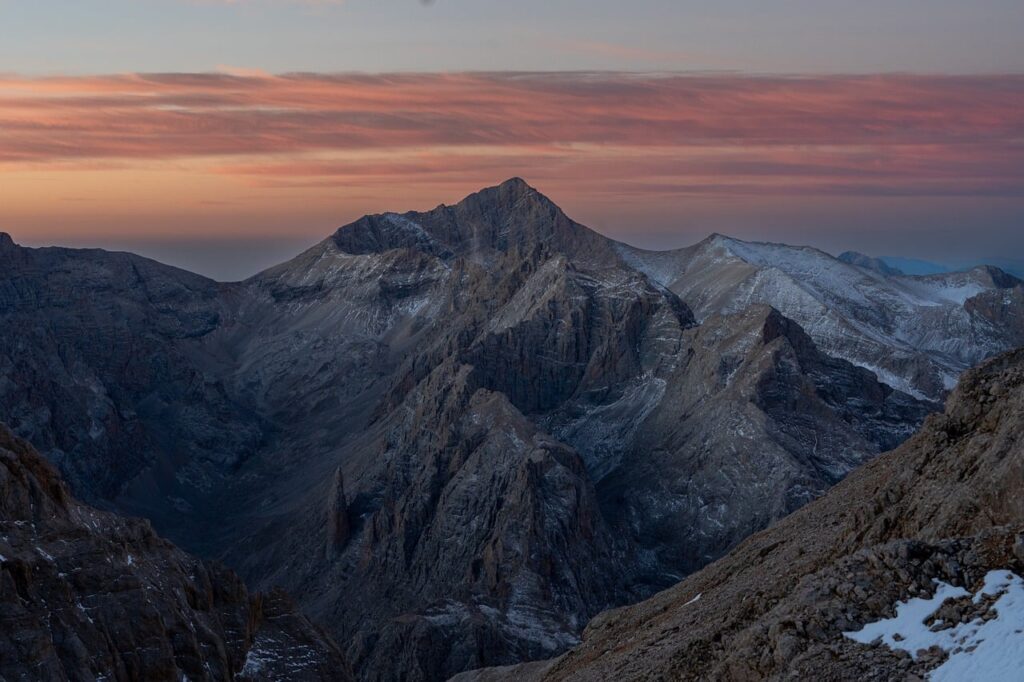
The Sertavul pass, south of Karaman, is the ancient gateway between the Anatolian plateau and the Mediterranean, and driving it is a day trip in itself. The old caravan route climbs through the Taurus with wide views back over the plain, then drops toward the coast and the city of Mersin.
In clear weather the summit is spectacular, with the plateau behind and the Mediterranean haze ahead. The modern highway is good, and the trip down to the coastal plain takes about two hours. Mersin, with its long seafront and harbor, is the natural destination for a coastal lunch.
Make it a round trip, stopping at the pass viewpoints on the way back, and you have had a full and varied day: mountain air, coastal food, and one of Anatolia’s great historical routes. In winter, check the pass conditions before setting out.
The Plain Villages and Village Markets
Closer to home, the Karaman plain offers easy half-day loops through the villages that surround the city. These are working farming settlements, and their interest lies in the rhythms of the rural day: the market, the bakery, the orchards, and the tea garden under the trees.
If you can match a visit to a village market day, do so; the local markets are lively, cheap, and wonderfully un-touristed. Otherwise, any village will do, especially at harvest time, when the plain is busy with fruit and grain. A village breakfast, simple and enormous, is the traditional way to start.
These trips need little planning: pick a road, drive until the village looks interesting, and stop. They are the easiest excursions from Karaman and, in their quiet way, among the most authentic. Carry cash, smile a lot, and let curiosity be your guide.

The Karadağ Countryside
The volcanic massif of Karadağ, south of the city, is more than its churches. Its slopes hold villages, orchards, and seasonal pasture, and its viewpoints look across the entire plain. A drive around the mountain, taking in Madenşehir and the surrounding settlements, is a fine full day.
The higher slopes are cool and green, with beech and juniper in places, and the crater landscapes give the region a distinct character. In summer the yayla settlements wake up, and you can eat simple mountain food and buy local produce.
Combine the churches with a circuit of the mountain’s villages and a picnic on the heights. Allow most of a day, take the rough tracks slowly, and carry water. Karadağ is a place where the land itself is the attraction, and it rewards time spent.
Planning Your Day Trips
A few notes will help you plan. Distances in this region are short on the map and long on the road, so add a third to your driving estimates. Start early, carry water and snacks, and keep your fuel tank topped up, since services thin out in the mountains.
Weather is the main variable. Summer is hot on the plain but pleasant in the valleys and yaylas; winter brings ice and snow on the passes, and some mountain roads close. Spring is the most beautiful season, when the valleys green up and the orchards bloom.
Most of these trips need a car or a hired driver with a car, so budget accordingly. A sensible plan is two days in Karaman itself and two or three for the surrounding country, choosing among the valley, the churches, and Konya according to your interests.
Frequently asked questions
Which day trip from Karaman is the best?
For most travelers, Ermenek and the Göksu valley are the standout choice, combining a dramatic drive, a medieval castle, and genuine mountain atmosphere. If you prefer history, the Byzantine churches of Binbirkilise and Alahan Monastery are the region’s most remarkable ruins. The drive alone, along the river, is worth the day.
How far is Konya from Karaman?
Konya lies about an hour up the highway from Karaman, making it an easy day trip. The Mevlana Museum and the great Seljuk monuments can be covered comfortably in a day, though an overnight allows a more relaxed pace in one of Turkey’s largest cities. An overnight lets you see the museum at its quietest, but the day trip works well.
Do I need a car for day trips from Karaman?
For the countryside destinations, yes. Ermenek, Binbirkilise, Alahan, and the yaylas are all effectively unreachable without a car or hired driver. Konya is the exception, with regular buses from Karaman’s otogar to the city center. The distances are short on the map, but the freedom of your own wheels makes all the difference on the slow mountain roads.

All Over Information
The All Over Information editorial team researches and writes practical English-language guides to Turkey. Facts are checked against official and local sources before publication, prices are published as dated ranges rather than quotes, and guides are revised when things change. We accept no sponsored posts, paid placements or paid links.
More guides like this
Best Local Food in Karaman
Karaman's cuisine is the cooking of the high Anatolian plain: generous, honest, and built around wheat, yogurt, and meat.

Where to Stay in Karaman
Karaman is not a resort city, and its accommodation scene is practical rather than glamorous, but it has more options than most…

A First-Timer’s Guide to Karaman
Karaman is the kind of Turkish city travelers skip, and that is exactly the argument for going.
Top Things to Do in Karaman
Karaman is one of central Anatolia's most underrated cities, and its attractions reward the traveler willing to slow down.
History and Culture of Karaman
Karaman is a city whose history is written into its name.