Kirikkale is a working city of the central Anatolian plain, known across Turkey for its steel mills and its arms factories, and it offers visitors something rare: a genuine, unvarnished look at modern provincial Turkey. The city is green, orderly and easy to navigate, with parks, a museum of national history, and the calm landscapes of the Kizilirmak and Delice rivers around it. This guide covers how to get to Kirikkale, what to see, and how to make the most of a first visit.
Why Kirikkale Works for First-Timers
Kirikkale is not a tourist city, and that is its strength. It is a real provincial capital, built around industry and the railway, with none of the polish of the resort towns and everything of the everyday life of the Anatolian plain.
The city is easy to grasp. The center is modern and walkable, with parks and boulevards, and the great factories of the steel works stand on the edge of town as its defining landmarks. The countryside around is open plain, with the rivers and the villages of the region.
For travelers curious about the real Turkey, the country of factories, railways and provincial life, Kirikkale is a rewarding stop, especially as part of a longer journey between Ankara and the cities of the east. It asks nothing of you but an open mind.
The town is also a place of genuine hospitality, where visitors are a novelty and a welcome one. The tea gardens and the lokantas of the center are full of the easy friendliness of the provinces.
Getting There and Arriving
Kirikkale sits on the main road and railway corridor between Ankara and the cities of central and eastern Anatolia, about an hour’s drive east of the capital. Intercity buses stop in the city on the major routes, and the railway station is served by trains on the line that runs through the region.
The nearest airport is at Ankara, and many visitors combine a stay in the capital with a day or half-day in Kirikkale. From the bus or train station, taxis and dolmuses cover the short distances into the center.
The approach to the city is part of its character: the road runs across the open plain, with the green of the river valleys and the towers of the industrial plants rising ahead. It is a working landscape, and the city appears out of it like a fact of the region.
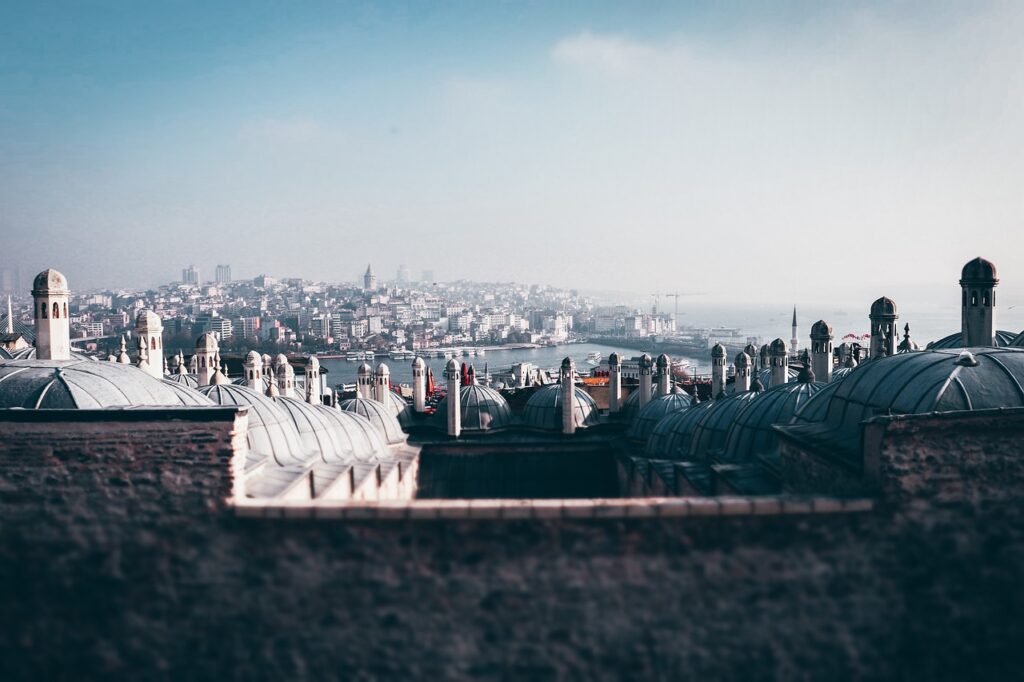
The City Center: Parks, Boulevards and Everyday Life
The center of Kirikkale is a modern, orderly provincial city, rebuilt and expanded through the twentieth century as the town grew around its industries. The streets are wide, the parks are green, and the life of the city is unhurried and friendly.
The Yenişehir park, one of the largest green spaces of the region, is the social heart of the city: a place of lawns, trees and walks where families come in the evenings and on weekends. It is the best place to sit, watch and feel the rhythm of the town.
The center also holds the markets, the restaurants and the buses that connect the city with the surrounding districts. For the visitor, a morning of walking the center and its parks is the honest introduction to Kirikkale.
The Museum of Independence and the National Story
The most important stop for visitors is the museum devoted to the War of Independence, which tells the story of the struggle that founded the Turkish Republic. Kirikkale’s position on the railway made it part of the logistics of that war, and the museum honors the region’s role.
The collections cover the campaigns, the equipment and the people of the war, with documents, photographs and objects that bring the national story into focus. The museum is a serious, moving place, and it connects the city to the founding years of modern Turkey.
For visitors who do not know the history of the War of Independence, the museum is an education; for those who do, it is a respectful and well-made telling of the story. Allow a couple of hours, and it will give the whole region context.
The museum’s setting in the city connects the national story to the everyday: the railway, the factories and the town itself all grew from the same years. It is history with a local face.

The Rivers: The Delice and the Kizilirmak
The rivers are the natural landmarks of the Kirikkale region. The Delice River, which gives its name to one of the districts of the province, flows through the northern lands of the region, and the Kizilirmak, the great Red River of central Anatolia, runs across the south.
The river country is quiet, green and largely unvisited, with the fields and villages of the plain along its banks. The valleys are the best places in the region for a slow walk or a picnic, and the old bridges that cross the waters are among the most beautiful structures of the area.
The most famous of these is the old Ottoman bridge over the Kizilirmak, a long, elegant stone span that has carried the road for centuries. For many visitors it is the single most memorable sight of the region.
The riverbanks are also the picnic places of the region, and on weekends the families of the province gather by the water. The bridges, the willows and the slow water make the gentlest landscapes of Kirikkale.
The Surrounding Plain and the Districts
Beyond the city, the province of Kirikkale spreads across the plain and the river valleys, with districts that each have their own character. The towns of the region are market centers of the Anatolian countryside, with their mosques, their bazaars and their slow provincial life.
The district of Keskin, in the south of the province, is famous for its kilims, the handwoven carpets of the region, and for the traditions of the carpet weavers who have worked there for generations. Visiting the district means markets, tea and the craft of the region.
The plain itself, with its wheat fields and its villages, is the classic landscape of central Anatolia, and driving its roads is one of the quiet pleasures of a visit. The province is small, and a day is enough to see its main districts.
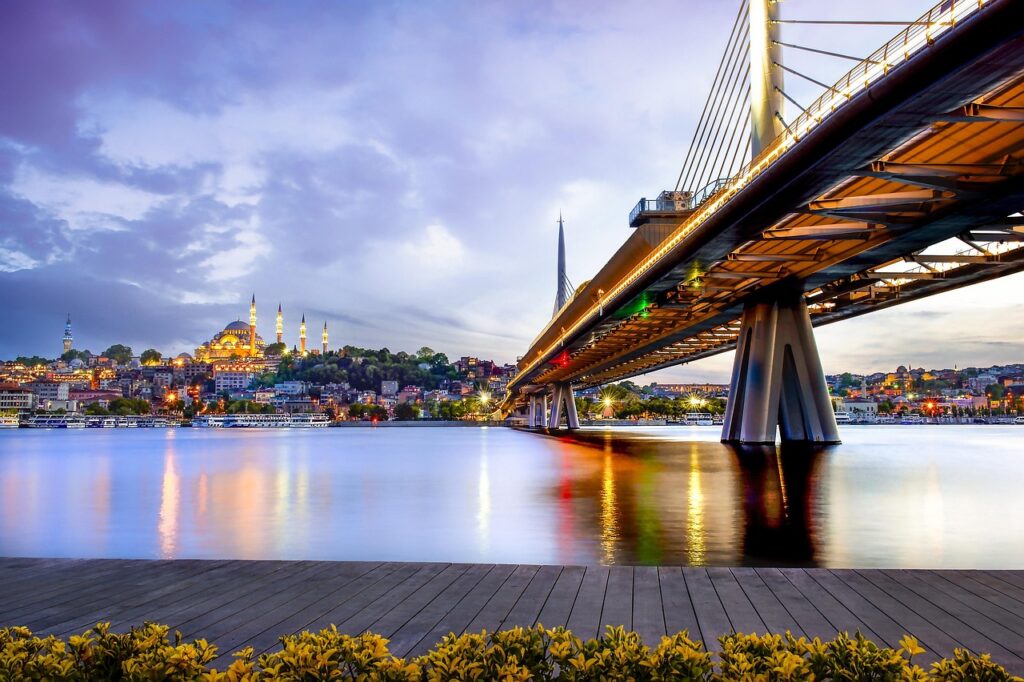
The Industrial Heritage
Kirikkale is an industrial city, and its industries are its identity. The great steel works, among the largest of Turkey, have dominated the economy of the city since the early years of the Republic, and the arms factories of the region gave it its name, which means, in the old usage, the place of the forties.
The industrial plants are not open to casual visitors, but they dominate the city’s skyline and its sense of itself. The workers’ quarters, the factory housing and the institutions that grew around the plants are part of the city’s social history.
For the visitor, the industry is best appreciated from the bridges and the roads that pass the plants, and in the stories of the people of the city, who are proud of the work their town does. It is a different kind of tourism, and a real one.
The town’s people are its best resource, and asking for directions usually brings a conversation. The province is small, safe and easy, and its welcome is warm.
Local Dishes and the Food of the Region
The cooking of Kirikkale is the cooking of central Anatolia: wheat, meat, dairy and the slow dishes of the plain. The lokantas of the city serve the mantis, the keks, the soups and the pastries of the region, and the breakfasts spread the cheese, honey and bread of the countryside.
The region’s villages add their own specialties, from the stuffed vegetables of the summer to the dried and preserved foods of the winter. The market in the city is the place to see the produce of the plain, and the pideci shops bake the flatbreads of the region.
Eating in Kirikkale is simple, honest and cheap, and the restaurants of the city are full of families, which is always the best recommendation in Turkey. Order the regional dishes, add the yogurt, and you will eat like the province.

Practical Tips for a First Visit
The best seasons are spring and autumn, when the plain is green or golden and the temperatures are mild. The summers of the region are hot and dry, and the winters are cold, so plan for the season you choose.
The city is easy to get around on foot in the center, and dolmuses and taxis cover the longer distances. For the river valleys and the districts, a car makes the day simpler, and the roads of the province are good.
Plan a day in the city and its surroundings: the museum, the park, the rivers and the plain. Kirikkale is not a place for a week, but it is a genuine and interesting day, and it fits naturally into any journey across central Anatolia.
Frequently asked questions
How many days should I spend in Kirikkale?
A single day covers the city well: the Museum of Independence, the Yenişehir park, the rivers and the countryside of the plain. Travelers with a car can add the districts and the old bridges of the region, making a full but relaxed day from morning to evening.
Is Kirikkale worth visiting for tourists?
Yes, for the right traveler. Kirikkale offers an authentic look at industrial, provincial Turkey, with its parks, its museum of national history, and the calm landscapes of its rivers and plain. It suits travelers passing between Ankara and the east who want something beyond the guidebook cities.
What is the easiest way to reach Kirikkale?
Kirikkale sits on the main road and railway corridor between Ankara and central and eastern Anatolia, about an hour’s drive from the capital. Intercity buses stop in the city on the major routes, and the railway station is served by trains on the regional lines, making it an easy day trip from Ankara.

All Over Information
The All Over Information editorial team researches and writes practical English-language guides to Turkey. Facts are checked against official and local sources before publication, prices are published as dated ranges rather than quotes, and guides are revised when things change. We accept no sponsored posts, paid placements or paid links.
More guides like this

History and Culture of Kirikkale
Kirikkale is one of the youngest provinces of Turkey, and its history is unlike that of most Anatolian cities.
Where to Stay in Kirikkale
Kirikkale is not the first name most travelers search when planning Turkey, but this compact industrial city about eighty kilometers east of…

Day Trip Ideas from Kirikkale
Kirikkale makes a surprisingly good hub for day trips through central Anatolia.

Top Things to Do in Kirikkale
Kirikkale is not the first name that comes to mind when you think of Turkish travel, and that is exactly why it…
Best Local Food in Kirikkale
Kirikkale sits at the meeting point of central Anatolia's great eating traditions, and its kitchens cook the honest food of the plateau:…