Kirikkale is not the first name most travelers search when planning Turkey, but this compact industrial city about eighty kilometers east of Ankara is a practical, good-value base for the Kızılırmak valley and the central Anatolian countryside around it. This is a working city of steel plants, railway families, and university students, which means honest prices, straightforward hotels, and none of the coastal-season crowds. The center is walkable, taxis are cheap, and quiet river scenery lies minutes from downtown. This guide breaks down the neighborhoods, what each offers, and how to choose the right base.
Choosing Your Base in Kirikkale
Kirikkale is a young city in provincial terms. The province was carved out of Ankara in 1989, and the city grew around the state arms and steel works established in the late 1930s, when the young republic moved heavy industry to central Anatolia. The result is a modern layout of broad avenues and apartment blocks, with the Kızılırmak curving through the northern districts.
For visitors, the consequence is that choices are limited but honest. There are no resort hotels and no boutique heritage quarters. What you get are clean mid-range hotels aimed at business travelers, simple family pensions, and newer options near the university. Prices sit well below Ankara levels, and the city is compact enough that no hotel is more than a short taxi ride from anywhere.
Think about what you want the base for: the city itself, the university, or the surrounding valleys. That decides your neighborhood more than anything else.
The City Center: Around the Main Square
The heart of Kirikkale is the central square, ringed by shops, banks, tea gardens, and the pedestrian streets that radiate from it. Staying here puts you within walking distance of restaurants, the covered market, and the evening stroll routes, making it the natural choice for first-time visitors.
The hotels in this zone are mostly mid-range business properties: comfortable rooms, reception desks with at least basic English, and breakfast included. The square is also where the dolmuş minibuses converge, so onward travel to Yahşihan, the university, or the station needs no transfers.
The trade-off is that the center is busy by day and quiet by night, since this is not a nightlife city. For most travelers that is the point: an early dinner, a walk along the river, and a good night’s sleep at a fair price.

Near Kirikkale University
The university district, on the city’s edge, has grown quickly since Kirikkale University was established in 1992, and it now has its own cluster of student cafes, modest eateries, and small hotels. This is the liveliest part of the city after dark, with students keeping things going later than the rest of Kirikkale.
Staying here suits anyone visiting the university or preferring a younger atmosphere. Rooms are basic but clean, prices are among the lowest in the city, and the surrounding streets offer the cheapest eating in town, from menemen spots to lokantas serving the day’s stews.
The university area is a short ride from the center, so you will need taxis or minibuses for sightseeing. For the river valleys and countryside, the center is more convenient; for people and energy, the university district wins.
The Yahşihan Riverside
Just west of the city, the district town of Yahşihan sits on the bank of the Kızılırmak, and its riverside is the most scenic place to stay in the province. The centerpiece is a nineteenth-century Ottoman stone bridge that still carries foot traffic across the water, and the tea gardens along the bank are the classic Kirikkale afternoon.
Accommodation here is thin, mostly simple pensions and a few small hotels, but the atmosphere repays the search. Mornings begin with river mist, herons work the shallows, and the pace differs entirely from the city’s industrial hum. It is a ten-minute drive back into Kirikkale, which makes Yahşihan ideal for anyone who wants the city’s convenience with a rural evening.
Families and couples like it most. There are walking paths, picnic spots under the poplars, and a quiet the center cannot offer. If your trip is really about the Kızılırmak, base yourself here.
The Station and Factory District
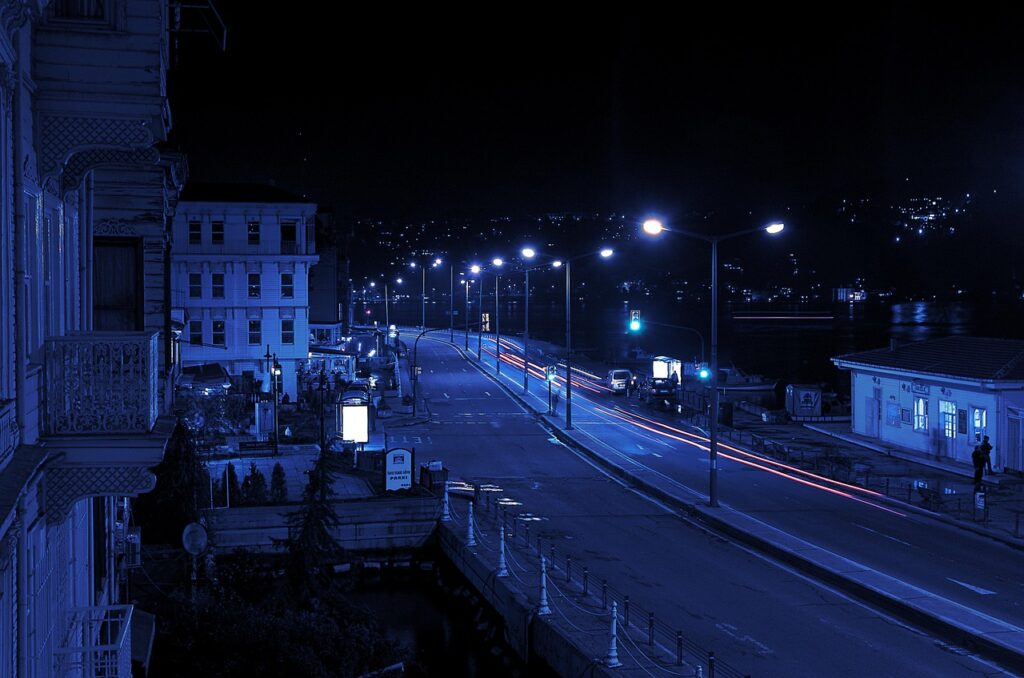
The railway line from Ankara to Kayseri runs straight through Kirikkale, and the station district around it is the city’s most authentic working quarter. This is where the steel-town story is most visible: workers’ cafes, barber shops, and modest lodgings that have served visiting engineers for decades.
Staying here is not for everyone, but it is the cheapest honest option in the city, and it has a character the newer hotels lack. Rooms are simple, breakfasts are hearty, and the early-morning rhythm of trains and shift changes gives you a genuine sense of how the city lives. The station also makes this the easiest base for arriving by rail.
Choose it if you are on a tight budget or want to feel the real Kirikkale rather than the conference version.
Budget Stays and Pensions
For the price-conscious traveler, Kirikkale is a relief after the major cities. The budget segment is dominated by small family pensions and older hotels in the center and near the station, and standards are generally good for the price: clean sheets, hot water, and breakfast included in most cases.
The trick is to book directly or through a Turkish booking site, where the same rooms often cost less than on international aggregators. A few phrases of Turkish go a long way, and the owners, many of them factory or railway retirees, are unfailingly helpful.
The Turkish breakfast is usually the highlight: white cheese, olives, tomatoes, honey, and unlimited tea, served in the small dining rooms where the families themselves eat. Budget accommodation here is a place to sleep well and spend your money elsewhere.

Business and Mid-Range Hotels
The strongest hotel segment in Kirikkale is the mid-range business class, aimed at the engineers, contractors, and government visitors who pass through the industrial city year-round. These hotels cluster around the main square and the eastern avenues, and they offer the most consistent quality in the province.
Expect functional rooms with good beds and strong showers, a lobby with round-the-clock tea, and a buffet breakfast covering the full Turkish spread. Wi-Fi is generally reliable, and the front desks are used to foreign guests, so English is more likely here than anywhere else in Kirikkale.
Many also have meeting rooms and transfer arrangements, and the price difference above the budget segment is small.
Family-Friendly Options
Kirikkale is an easy city for families, and the family-friendly choice is usually a mid-range hotel with connecting rooms or a larger pension where children can have their own space. The center and the Yahşihan riverside are the two best locations, both with easy access to parks, tea gardens, and riverside walks.
Turkish hospitality makes hotels here genuinely welcoming to children, and most properties add a cot or extra bed without fuss. Breakfast is the family moment, with the full Turkish spread offering plenty for picky eaters: eggs, cheese, bread, and honey.
Plan around the river. The Kızılırmak paths at Yahşihan, the central park, and the picnic spots upstream give you free entertainment that suits young legs better than museum-heavy itineraries.

Where to Stay for the Kızılırmak Valleys
If your Kirikkale trip is really a base for the river valleys, the hills, and the province’s small towns, location matters more than the hotel itself. Yahşihan is the best starting point, with Karakeçili and the quieter river stretches a short drive upstream, and district roads fanning out to the valleys of the Delice and the Kızılırmak.
For a day-trip base, the center also works, since the roads to Keskin, Delice, and Sulakyurt all leave from the city’s eastern edge, and the Ankara road west is fast and well maintained. Many visitors keep a central hotel and use the city as a hub.
The practical point is that you need wheels: the valleys are not served by tourist-friendly public transport. With a car, anywhere in the province is within an hour of your hotel, and the base choice becomes a matter of evening atmosphere rather than logistics.
How to Choose and Book
Choosing where to stay comes down to three questions: who you are traveling with, what you want to do, and how much you want to spend. First-timers are best served by the center; families and river lovers by Yahşihan; the budget-minded by the university district or the station pensions.
Book early for weekdays, when business clientele fills the mid-range hotels, and note that weekends are quieter and often cheaper. Most hotels are on the major Turkish booking platforms, and calling the hotel directly, even with a translation app, frequently secures a better rate.
Consider the seasons when you pack, and with those details settled, Kirikkale delivers a simple, honest, well-priced place to rest.
Longer Stays and Apartments
Visitors staying a week or more, whether for work or as a slow base for the region, should look beyond the hotels. The city has a small but growing stock of serviced apartments, usually in modern blocks near the university or the center, with kitchens, washing machines, and weekly rates that undercut the hotels.
For longer stays, the university district is the practical choice: markets, laundries, and student eateries keep the neighborhood self-sufficient, and the apartment blocks are newer than those in the old center. Some are rented through the usual platforms; others are found through local agencies once you arrive.
A weekly apartment turns Kirikkale from a stopover into a genuine base, letting you cook, do laundry, and set out each morning for the valleys, the Ankara day trips, or the Hittite country beyond.
Frequently asked questions
Which area is best for first-time visitors to Kirikkale?
The city center around the main square is the best base for a first visit. It puts you within walking distance of restaurants, the market, and the evening promenade, with the easiest access to minibuses and taxis for the university, Yahşihan, and the valleys. The hotels there are the province’s most consistent in quality.
Should I stay in Kirikkale or base myself in Ankara?
It depends on your goals. Ankara offers far more hotels, museums, and nightlife, and it is only about an hour away by road. But Kirikkale costs a fraction of the capital’s prices and places you closer to the Kızılırmak valleys and the quiet countryside. For a short stop, Kirikkale works beautifully; for a long stay, base in Ankara and visit.
Do hotels in Kirikkale offer breakfast?
Nearly all hotels and pensions in Kirikkale include breakfast in the room rate. It is the classic Turkish spread: white cheese, olives, tomatoes, cucumbers, honey, eggs, bread, and unlimited black tea. The mid-range hotels add a buffet with a few hot dishes. Dinner is rarely included, but the city’s lokantas are inexpensive.

All Over Information
The All Over Information editorial team researches and writes practical English-language guides to Turkey. Facts are checked against official and local sources before publication, prices are published as dated ranges rather than quotes, and guides are revised when things change. We accept no sponsored posts, paid placements or paid links.
More guides like this

Day Trip Ideas from Kirikkale
Kirikkale makes a surprisingly good hub for day trips through central Anatolia.

Top Things to Do in Kirikkale
Kirikkale is not the first name that comes to mind when you think of Turkish travel, and that is exactly why it…
A First-Timer’s Guide to Kirikkale
Kirikkale is a working city of the central Anatolian plain, known across Turkey for its steel mills and its arms factories, and…

Best Local Food in Kirikkale
Kirikkale sits at the meeting point of central Anatolia's great eating traditions, and its kitchens cook the honest food of the plateau:…

History and Culture of Kirikkale
Kirikkale is one of the youngest provinces of Turkey, and its history is unlike that of most Anatolian cities.