Olympos is unlike anywhere else on the Turkish coast, and it takes most first-timers a few hours to adjust to it. There is no airport, no high-rise hotel strip, and no main street lined with souvenir shops. Instead there is a wooded valley, a wide pebble-and-sand beach, a river running through it all, the ruins of an ancient Lycian city, and — in the trees along the river — a loose community of treehouses, wooden bungalows, and guesthouses that operate on a shared-dinner, no-lock-your-door philosophy. It is the anti-resort: a place people come to for the beach, the ruins, the flame on the mountain above, and a version of travel that feels like summer camp for adults. This guide covers everything a first-timer actually needs: what to expect, how to get there, where to sleep and eat, what to see, and how to handle the realities that catch people off guard.
What Olympos Actually Is
Let’s be clear about what you are getting into. Olympos is a national park on the Mediterranean coast of southwestern Turkey, sitting at the bottom of the Olympos Beydağları National Park. The modern village of Çıralı lies a couple of kilometers north along the beach, and the two are linked by the famous flame of Chimaera on the mountain road between them.
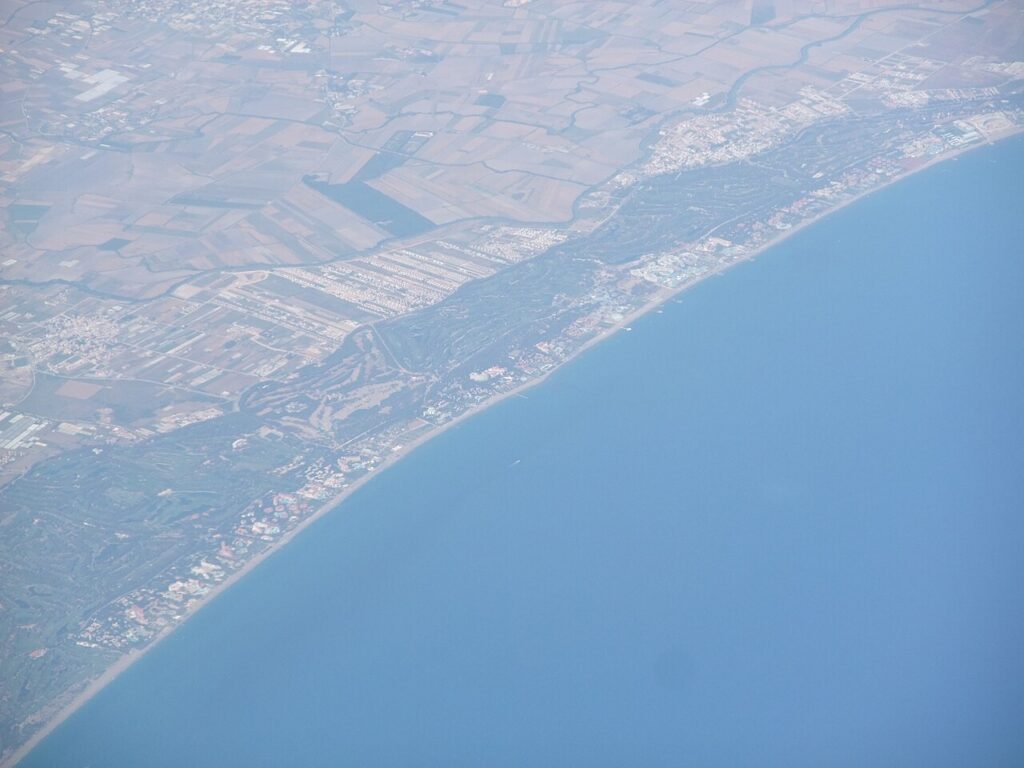
The ancient city of Olympos was a Lycian port town, founded well over two thousand years ago, whose ruins now scatter across the valley floor and the hillsides above the beach. What makes it special for modern visitors is the setting: the ruins are not a sanitized archaeological park but a tumbled, overgrown site where broken walls, a theatre, a Roman bath, and a Byzantine church mix with the forest and the river. You walk through history wearing swim trunks, because the beach and the sea sit at the foot of the whole thing.
The accommodation scene is the other defining feature. In the 1990s and 2000s, Olympos became famous for its treehouses — basic wooden rooms on stilts among the pines, run by family operations that serve enormous shared dinners on long communal tables. The scene has matured: today there are comfortable wooden bungalows, guesthouses with private bathrooms, and even a few small hotels, but the spirit survives. Most places are laid back, sociable, and deliberately simple. This is not a destination for people who need hotel chains and five-star spa treatments.

The Honest Expectations Check
Before you book, weigh these realities:
- It’s rustic. Power can be patchy, Wi-Fi is often weak or absent, bathrooms are frequently shared or basic, and rooms are simple. That is the charm, but it is worth knowing beforehand.
- The beach is pebbles, not powder sand. Olympos beach is a long stretch of pebbles and fine sand where the river meets the sea. It is wild, beautiful, and uncrowded by Mediterranean standards, but bring water shoes for comfort.
- It is not all-inclusive. You buy meals from your guesthouse or the local restaurants, and the famous shared dinners are a genuine highlight worth budgeting for.
- The flame is an excursion. The eternal flame of Chimaera (Yanartaş) burns on the hillside between Olympos and Çıralı. It is a real, remarkable sight — and a worthwhile evening trip.
- Summer is hot and buggy. The valley traps heat, mosquitoes appear at dusk, and the walking is over rough ground. Come prepared.
If all of that sounds good rather than alarming, you have found your place.
Getting to Olympos
The nearest airports are Antalya (AYT), about 90 kilometers to the west, and Dalaman (DLM), a similar distance to the west-southwest on the other side of the bay. Most visitors fly into Antalya and arrange a transfer or drive.
By road from Antalya: the D400 coastal highway runs the whole way, roughly 90 kilometers and about an hour and a half to two hours by car. The route passes the turn for Kemer and then the dramatic coastal stretch below the Olympos Beydağları mountains. At the village of Ulupınar, follow the signs for Olympos, and the road descends into the valley.
By public transport: minibuses (dolmuş) connect Antalya and the coastal towns to the area. From Antalya, take a dolmuş or bus toward Kemer or Adrasan, then transfer; the most practical approach is usually a bus to the Olympos/Çıralı junction and a short local ride from there. Alternatively, many guesthouses arrange shared shuttles from Antalya Airport at reasonable per-person rates — this is the easiest route for most first-timers.
By car from anywhere else: the D400 makes Olympos an easy add-on to a road trip along the Turquoise Coast. It sits between Antalya and Kas, which makes it a natural stop on the classic coastal circuit. Note that the entrance to the Olympos valley itself involves a narrow, winding road down from the main highway, and the accommodation lanes at the bottom are unpaved.

Where to Stay in Olympos
Accommodation splits into two main zones: the treehouse and bungalow cluster inside the Olympos valley (right by the ruins and the beach) and the slightly more comfortable guesthouses and pensions that line the road and the valley approach.
Treehouses and bungalows in the valley. This is the classic Olympos experience. You sleep among the trees in simple wooden rooms, eat family-style dinners with your fellow travelers, and roll out of bed onto a path that leads to the ruins and the beach. Privacy is limited, and the bathroom situation varies, but the sociability is unbeatable. The famous original treehouses (Olympos Trehouse, Kadir’s, Bayrams, and similar long-running places) still operate; newer guesthouses offer private bungalows with better amenities.
Guesthouses and pensions. Slightly more comfortable, with private bathrooms and sometimes a pool or a garden terrace. They cost more but still sit well below resort prices, and many run the same shared dinners.
Çıralı. The village just up the coast is the more civilized neighbor. If the rustic valley is too much, Çıralı offers guesthouses, small family hotels, proper restaurants, a sandier beach, and easy access to Olympos ruins and the flame by a short walk or drive. Many travelers split their time — sleep in Çıralı, day-trip to Olympos.
Book ahead in summer; the best treehouse spots fill weeks in advance. Prices range widely, from very cheap dorms to boutique bungalows that would not look out of place in a design magazine.

What to Do in Olympos
Walk the ancient city. The Olympos ruins occupy the valley floor between the river and the sea. A path leads through the site: the theatre, the Byzantine church, the Roman bath, the acropolis ruins on the hill, and the carved sarcophagi scattered among the trees. There are no ropes and few signs; you wander freely, which is half the pleasure. Allow at least half a day.
Swim on Olympos beach. The beach is the physical and spiritual center of the place. Walk across the river delta, drop your bag on the pebbles, and swim in water that is usually clear, calm, and warm from May to October. It is wild and unspoiled compared with the resort beaches up the coast.
See the Chimaera flame (Yanartaş). The eternal fire on Mount Chimaera is the single most famous thing in the area. From a car park on the road between Olympos and Çıralı, a marked path climbs about thirty to forty minutes to the hillside where dozens of small flames flicker out of the rock — natural methane seeps that have burned for thousands of years, the origin of the myth of the fire-breathing Chimaera. Go in the evening as the light fades; the flames against the dark mountain are the highlight of the trip. Bring a torch (flashlight) for the descent.
Do a boat trip. The small harbours and beach services at the nearby coves offer day trips along the coast — swimming stops, sea caves, and the dramatic cliffs of the peninsula. Trips run from Olympos beach, Çıralı, and the neighboring bays at Adrasan and around Cape Gelidonya.
Hike. The Olympos Beydağları National Park is crisscrossed with trails, including a stretch of the Lycian Way, Turkey’s famous long-distance footpath. The section around Olympos links the ruins, the beach, the flame, and the mountain village of Ulupınar, with its ancient natural springs feeding a river the Romans used. Even a half-day wander along the coast or up the valley rewards you with views over the bay.
Relax. This is the underrated activity. A hammock, a book, a shared dinner, a night walk to the beach to see the stars — Olympos is built for doing very little, and doing it well.
Where to Eat
The shared dinners at the guesthouses are the institution — big family-style spreads of meze, grilled fish or chicken, salads, and rice, eaten around long tables with your fellow guests. Join them at least once; the food is generous and the company is the point.
Beyond the guesthouses, the valley and Çıralı have restaurants serving classic Turkish coast cooking: fresh fish, grilled meats, gözleme (filled flatbreads) cooked on a griddle, and the inevitable salads and meze. The village of Ulupınar, a few minutes up the valley, is famous for its riverside restaurants where trout from the mountain springs are served beside the water. Whatever you choose, expect honest, simple food rather than gourmet ambition — and generous portions at prices far below the resort strips.
Practical Tips for First-Timers
- Money. Cards are accepted at the better guesthouses and restaurants, but cash (lira) is king in the valley, where some small places still prefer it. Bring enough for a few days; the nearest ATM is a drive away.
- Mosquitoes. The river valley breeds them at dusk. Bring repellent, and note that some guesthouses provide nets or coils.
- Footwear. You will walk on pebbles, rough paths, and ruins. Bring water shoes for the beach and sturdy sandals or trainers for the site.
- Electricity and connectivity. The valley’s infrastructure is deliberately light. Charge your devices when you can and treat Wi-Fi as a bonus.
- The sun. There is limited shade on the beach. Sunscreen, a hat, and water are essentials, especially from June to September.
- Timing. Summer is the season, but late May, June, and September give you the best balance of warm sea and tolerable crowds. July and August are hot and busy in the valley.
The Takeaway
Olympos asks you to trade comfort for wonder, and most people who accept the trade never quite get over it. Come for the ruins you can walk through in a swimsuit, the pebble beach with no crowds, the flame on the mountain that has burned since the age of myth, and the dinners with strangers who become friends. Pack light, bring cash and mosquito repellent, and let go of the idea that a holiday needs a buffet and a pool. The valley gives back exactly as much as you are willing to slow down and take.
Frequently asked questions
What is Olympos famous for?
The combination of a wild beach, the ruins of an ancient Lycian city in a river valley, the treehouse accommodation scene, and the eternal flame of Chimaera burning on the mountain above.
Do I need to book accommodation in advance?
In summer, yes — the best treehouses and bungalows fill up. Outside the season, you can often just show up.
How far is Olympos from Antalya?
About 90 kilometers by road, roughly two hours from Antalya Airport.
Is Olympos good for children?
It depends on their tolerance for rustic living and rough paths. Older kids who love adventure, the beach, and the flame usually adore it; families wanting convenience may prefer Çıralı nearby.
Is there food at Olympos?
Yes — guesthouses serve meals (including the famous shared dinners), and the valley, Çıralı, and Ulupınar have restaurants. Options are simple rather than extensive.
Can you swim at Olympos beach?
Yes, and it is one of the best wild swimming beaches on this stretch of coast. It is pebbly, so water shoes help.
What is the flame of Chimaera?
A series of natural flames burning from the rock on Mount Chimaera, caused by methane gas seeping through the stone. It has burned for millennia and is one of Turkey’s most atmospheric natural sights, best seen after dark.

All Over Information
The All Over Information editorial team researches and writes practical English-language guides to Turkey. Facts are checked against official and local sources before publication, prices are published as dated ranges rather than quotes, and guides are revised when things change. We accept no sponsored posts, paid placements or paid links.
More guides like this


The Best Day Trips from Olympos
Olympos makes a superb base not just because of what it holds, but because of what surrounds it.
Top 10 Things to Do in Olympos
Olympos is a small place with an outsize collection of experiences, and the honest list of things to do fits neatly into…
A Solo Traveler’s Guide to Olympos
Olympos may be the most solo-friendly destination on the entire Turkish coast.
Hidden Gems of Olympos Most Tourists Miss
Olympos is a place where even the headline attractions feel half-hidden — ruins tangled in the forest, a flame burning on a…
48 Hours in Olympos: The Perfect Itinerary
Two days in Olympos is enough to see everything that matters and still leave room for the beach, provided you do not…