Cihangir is a serious eating neighborhood disguised as a bohemian quarter. The meyhanes keep the meze tradition alive, the international kitchens reflect the expat community that made the neighborhood its home, the brunch spots draw the whole city, and the coffee culture is among the best in Istanbul. For the food lover, Cihangir is a concentrated tour of the city’s kitchen — the traditional and the cosmopolitan, the old and the new, all within a short walk of the Bosphorus.
The Meyhane Tradition
The meyhanes of Cihangir are the neighborhood’s evening soul, and for the foodie they are the essential experience. The meze list is the map of Turkish home cooking: the white beans in oil, the haydari yogurt with herbs, the fried calamari, the liver, the octopus salad, the seasonal vegetables done a dozen ways. The rakı comes with water and ice, the conversation rises, and the table fills with small plates that demand to be shared. A meyhane evening is the most complete food experience Cihangir offers — the cuisine, the culture, and the company together.
The International Kitchens
The bohemian character of Cihangir shows in its international restaurants, and for the foodie they are part of the neighborhood’s story. The quarter has long been home to the foreign residents, and the menus reflect the mix — the world cuisines beside the Turkish classics, the new flavors beside the old. The international tables are where the neighborhood’s cosmopolitan character is tastable, and the chefs bring the traditions of their homes to the Cihangir tables. The foodie who eats across the international kitchens eats the neighborhood’s history of arrivals.

The Brunch Culture
Cihangir has become a brunch destination, and the neighborhood’s cafés serve the long weekend spreads that the whole city drives in for. The eggs, the cheese, the pastries, the endless tea — the brunch table is the social ritual of the quarter, and the terrace tables with the Bosphorus views are the prize. For the foodie, the brunch is the tasting of the neighborhood’s morning, and the spread is the canvas. Book ahead for the weekend, arrive early, and take the long table — the brunch of Cihangir is the meal the city imitates.
The Coffee Journey
The coffee culture of Cihangir deserves its own tasting journey. Start with the Turkish coffee at the old-style spot — brewed in the cezve, the foam on top, served with the water and the lokum — and then cross to the specialty bars, where the filter coffees and the single origins are brewed with precision. The two traditions sit side by side in the quarter, and the contrast is the story: the old ritual of the cezve and the new craft of the pour-over, both served to the same neighborhood. Take the journey in one afternoon, and you have tasted the full arc of the Turkish coffee culture.

The Street Food and the Neighborhood Classics
The daily food of Cihangir runs through the street corners and the neighborhood shops. The simit from the bakery, the pide from the wood-fired ovens, the köfte from the loyal shops — the classics feed the residents every day, and they feed the foodie just as well. The queues are the guide to the best, and the food at the end of the line is the food worth waiting for. The neighborhood classics are the humble counterweight to the café glamour, and for the food lover they are the essential tasting.
The Sweet Endings
The dessert tradition of Cihangir runs through the patisseries, and the sweet endings are not to be skipped. The baklava, the künefe, the cakes of the patisserie tradition — the sweets of the quarter close the meal properly, and the patisserie window is the display case of the neighborhood’s sugar. Take the sweets with the Turkish coffee, the neighborhood’s preferred closing ritual, and let the meal end slowly. The patisseries also make the best gifts — a box of the sweets carries the quarter home.

The Seasonal Tasting Calendar
The foodie’s calendar in Cihangir follows the seasons. The spring brings the wild greens and the herb meze, the salads of the season. The summer brings the lighter dishes, the cold meze, the long evenings on the terraces. The autumn brings the bonito run and the first of the big fish, the meyhanes at their liveliest. The winter brings the hearty stews and the cozy rooms, the fish of the cold months at their best. The patisseries follow the seasons too — the fruit desserts of the summer, the heavier sweets of the winter. Eating across the year in Cihangir is a seasonal education, and the foodie who returns through the seasons eats the whole story of the bohemian quarter’s kitchen.
The Foodie’s Route
For the perfect food day in Cihangir, follow this route. Start with the coffee from the specialty bar, taken on the climb. Mid-morning, a Turkish coffee at the old-style spot, watching the quarter wake. Lunch at a neighborhood classic — the pide, the köfte, the simple table. Afternoon, a filter coffee and a slice of cake at the patisserie. Evening, the meyhane: the meze procession, the rakı, the conversation. And if the appetite survives, the international table, with the flavors of the quarter’s arrivals and the lights of the city below.
The Practical Notes
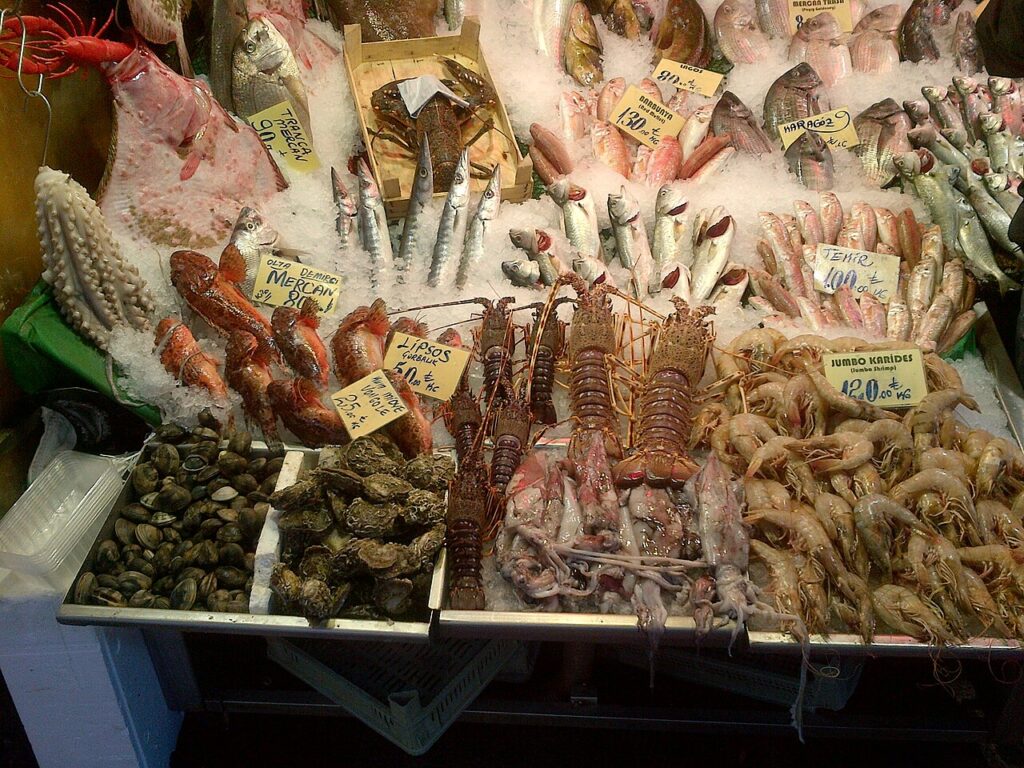
The practical notes for the foodie visit are the difference between the good day and the great one. Book the weekend brunch ahead, and arrive at the market early for the freshest produce. Carry cash for the street food and the smaller spots, and carry the appetite for the grazing. The quarter’s meals are unhurried, so the single most important item in the foodie kit is the time: the brunch that becomes the afternoon, the coffee that becomes the hour, the meyhane evening that becomes the night. And the honest guide is the queue: the lines mark the spots the residents favor, and the food at the end of the line is the food worth waiting for. Follow the queues, trust the season, and the quarter feeds you the way it feeds itself.
The Foodie’s Reflection
The foodie leaves Cihangir with the taste of the quarter: the coffee of the morning, the meze of the evening, the sweets of the afternoon, the flavors of the arrivals and the traditions. The neighborhood’s kitchen is the story of its people — the residents, the writers, the expats, the cooks who brought their homes to the hill — and the eating is the reading. The foodie who tastes across the tables has read the story, and the return visits are the re-readings. The reflection on the food is the reflection on the quarter, and the appetite for both is the reason to come back.
The Final Word on the Food
The foodie’s Cihangir, in the end, is the honest kitchen of the bohemian quarter: the meyhane that keeps the tradition, the international tables that reflect the arrivals, the brunch that draws the city, the coffee and the sweets that fill the afternoons. Eat at every level, from the köfte counter to the meyhane table, and you have eaten the story of the quarter. The food carries the character of the neighborhood in every bite, and the appetite that comes home with the traveler is the proof of the visit. Come hungry, come slowly, and let the tables of Cihangir do the introducing.
The foodie’s day in Cihangir is a day of queues and seasons and slow tables — and it is one of the best food days in Istanbul. Bring the appetite and the patience, and the quarter delivers the rest.
The foodie’s Cihangir, in the end, is the honest kitchen of the bohemian quarter, and the eating is the reading of the neighborhood’s story. Every table is a chapter — the meyhane of the tradition, the international of the arrivals, the brunch of the sociable, the coffee of the writers — and the full meal is the full story.
The Takeaway
Cihangir is a foodie’s neighborhood in miniature: the meyhane that keeps the tradition, the international kitchens that reflect the mix, the brunch that draws the city, the coffee that fills the afternoons, and the sweets that end the day. Eat at every level, from the köfte counter to the meyhane table, and you have eaten the story of the bohemian quarter. Bring an appetite, and bring time — the neighborhood’s meals are meant to be lingered over.
Frequently asked questions
What food is Cihangir famous for?
The meyhane tradition and the brunch culture, with the international kitchens and the coffee as the neighborhood’s other great strengths.
What is the best time to eat in Cihangir?
Morning for the coffee and the brunch, midday for the classics, and evening for the meyhane — with the patisserie for the sweet endings.
Is Cihangir good for a food tour?
Excellent — the quarter packs the meyhane, the international, the brunch, the coffee, and the classics into a short walk.
What should I take home from Cihangir?
Coffee beans, sweets from the patisseries, and the spices — the gifts that carry the quarter’s flavor home.

All Over Information
The All Over Information editorial team researches and writes practical English-language guides to Turkey. Facts are checked against official and local sources before publication, prices are published as dated ranges rather than quotes, and guides are revised when things change. We accept no sponsored posts, paid placements or paid links.
More guides like this

Cihangir Airport and Transport Guide
Cihangir sits at the center of European Istanbul, and its transport connections are among the best in the city.

Best Local Restaurants in Cihangir
Cihangir feeds the bohemian heart of Istanbul, and the neighborhood's tables reflect its character: the meyhanes that keep the tradition, the international…
Top 10 Things to Do in Cihangir
Cihangir is the bohemian heart of Istanbul — the steep, leafy quarter above Taksim where the artists and the cats share the…
Cihangir in Winter: What to Expect
Winter transforms Cihangir. The summer crowds and the brunch queues thin out, the streets empty, and the quarter returns to its residents…
A Solo Traveler’s Guide to Cihangir
Cihangir is a perfect neighborhood for the solo traveler.
The Best Day Trips from Cihangir
Cihangir sits at the center of European Istanbul, and its position makes it a perfect base for day trips in every direction.