Uçhisar feeds its visitors from the region’s larder: the volcanic soil grows the vegetables and the grapes, the villages raise the sheep and the cattle, and the kitchens of the town turn the produce into the dishes of Cappadocia. The foodie guide to Uçhisar is the tour of the regional table — the testi kebab, the breakfast spreads, the cheeses and the honey, the wines, and the slow meals on the terraces with the valley views.
The Testi Kebab: The Signature Dish
The testi kebab is the dish that Cappadocia claims as its own, and Uçhisar serves it with the proper ceremony. The clay pot — the testi — is filled with the meat, the vegetables, and the herbs, sealed with the dough, and slow-cooked in the embers until the contents collapse into tenderness. The pot arrives at the table, the waiter taps it with the small hammer, and the crack releases the steam and the fragrance of the hours of the cooking. The lamb version is the classic, the chicken the lighter option, and the vegetarian pots appear on the daily menus.
The testi kebab is the foodie’s essential Uçhisar dinner, and the choice of the house matters: the terrace restaurants add the view to the ceremony, and the local lokantas add the honest price. The practical notes: the pot is cooked to order, so the wait runs thirty to forty minutes, and the mezes should fill the time; the pot feeds two generously, and the bread for the dipping is the essential companion. The testi kebab of Uçhisar is the region’s signature, and the cracking of the pot is the moment of the meal.

The Breakfast Spread: The Region’s Great Meal
The breakfast is the great meal of Cappadocia, and the Uçhisar spreads are the full versions: the white cheese and the aged cheeses of the villages, the olives, the tomatoes and the cucumbers, the honey and the kaymak — the clotted cream that the Turks spread on the bread — the jams, the eggs, the menemen, the simit, and the fresh bread from the stone ovens. The table arrives covered in the small plates, the tea keeps coming in the tulip glasses, and the meal officially has no end time. The breakfast of Uçhisar is the civilized start to the day, and the foodie gives it the hour it deserves.
The breakfast experience also has its variations: the hotel spreads are the fullest, served on the terraces with the valley views; the café versions are the faster, lighter options; and the menemen — the eggs scrambled with the tomatoes and the peppers — is the dish to order as the centerpiece. The breakfast of Uçhisar is the region’s daily ritual, and the foodie who rises early and eats slowly starts the day the Cappadocian way.

The Cheeses and the Honey of the Region
The regional larder of Uçhisar holds the cheeses and the honey that the foodie should seek. The white cheeses — the salty, crumbly beyaz peynir — and the aged yellow cheeses of the villages come from the sheep and the cattle of the plateau, and the breakfast tables and the markets show the range. The honey of the region, from the flowers of the highlands, ranges from the light and the floral to the dark and the intense, and the kaymak paired with the honey is the classic sweet of the Turkish breakfast. The cheeses and the honey of Uçhisar are the pantry treasures, and the buying of them at the markets and the shops is the foodie’s duty.
The regional larder also includes the olives, the jams of the fruits, the dried apricots and the figs, and the pastırma and the sucuk — the cured meats of the Anatolian tradition. The market days bring the produce of the plateau to the stalls, and the foodie’s shopping list fills from the local hands. The cheeses and the honey of Uçhisar are the tastes of the region, and the traveler who takes them home takes the plateau with the luggage.

The Wines of the Volcanic Soil
The wines of Cappadocia deserve the foodie’s attention, because the volcanic soil gives the grapes a character found nowhere else. The vineyards of the region grow the ancient local varieties — the Emir, the Dimrit, and the Kalecik Karası — alongside the international grapes, and the wineries of the area produce the whites, the reds, and the rosés that the locals drink with pride. The volcanic terroir brings the minerality to the wines, and the altitude brings the cool nights that preserve the freshness. The Uçhisar restaurants and the region’s tasting rooms pour the local bottles, and the pairing with the testi kebab and the grills shows the wines at their best.
The wine experience of the region also includes the vineyard tours: the wineries of the area open for the tastings and the walks through the vines, and the harvest season brings the activity to the vineyards. The wine of Cappadocia is the region’s hidden foodie treasure, and the glass of the volcanic wine with the terrace dinner is the meal that the traveler remembers.
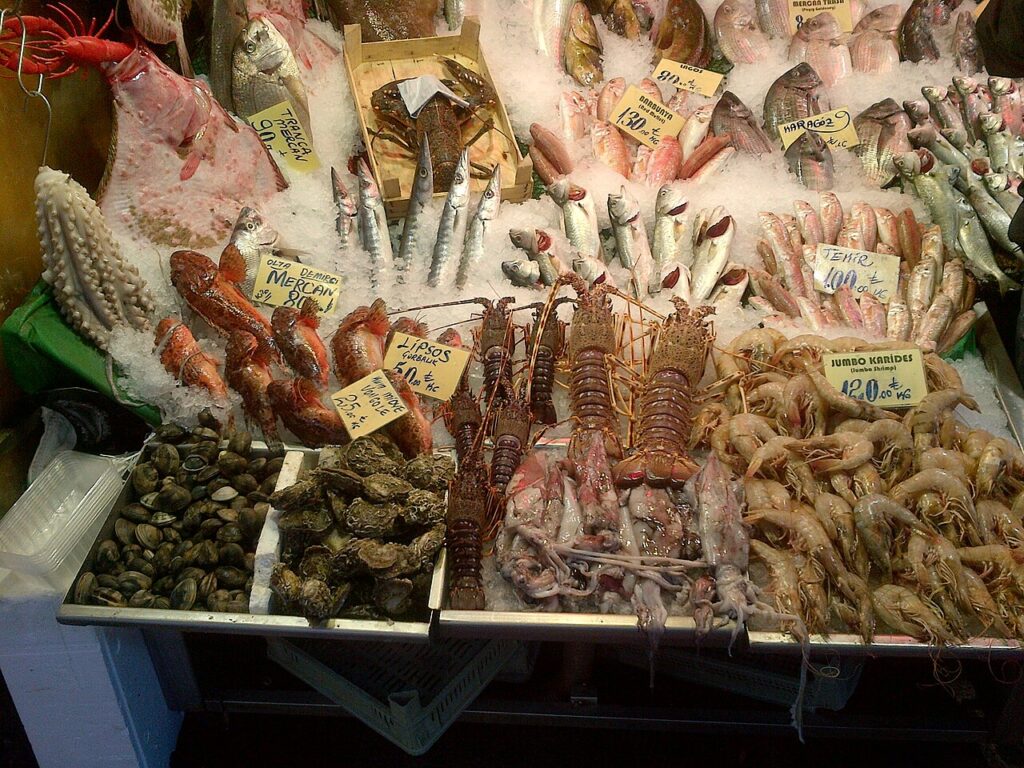
The Lokantas: The Everyday Tables
The lokantas of Uçhisar are the working kitchens of the town, and the foodie’s lunch belongs to them. The glass counters hold the cooked dishes of the day: the stews, the soups, the beans, the börek, the rice, and the grilled meats, served with the salad and the bread. The menu is the daily one, the price is the local one, and the pointing at the counter solves the language. The lokanta meal is the honest food of the region — the slow-cooked, home-style cooking that the tourist menus dress up — and the foodie who eats there eats where the town eats.
The lokanta experience also includes the specialties of the daily board: the soups of the region, the yaprak sarma, the stuffed vine leaves, the dolma, the stuffed vegetables, and the gözleme, the thin filled flatbreads that the women of the region roll and cook on the griddle. The lokantas of Uçhisar are the everyday tables of the town, and the foodie’s lunch there is the quick, cheap, honest meal that the day’s walking needs.
The Sweet Endings: Baklava, Delight, and the Tea Gardens
The sweet endings of the Uçhisar food tour come in the forms of the region: the baklava of the pastry shops, the Turkish delight in the rose and the pomegranate flavors, the walnut pastries, and the milk puddings of the Turkish kitchens. The sweets of the region follow the meals, and the tea gardens provide the setting — the tulip glasses of the çay, the plate of the delight, and the long afternoon of the conversation. The sweet endings of Uçhisar are the slow, social closes to the foodie’s day, and the tea garden hour is the region’s ritual.
The sweet endings also include the street foods: the simit from the carts, the corn on the cob, the roasted chestnuts in the cool months, and the dondurma — the stretchy Turkish ice cream — in the warm ones. The sweets and the street foods of Uçhisar are the small pleasures of the food tour, and the traveler who saves the room for them ends the day sweetly.
The Foodie’s Practical Notes
The foodie’s practical notes for Uçhisar keep the eating smooth. The first note is the timing: the lunch runs from noon to two and the dinner from seven, and the kitchens close between — the foodie plans the meals around the hours. The second note is the reservations: the terrace restaurants fill in the season, and the sunset table needs the booking. The third note is the money: the lokantas and the markets take the cash, and the restaurants and the hotels take the cards. The fourth note is the water: the bottled water is the order at every table. The fifth note is the asking: the daily specials, the local dishes, and the chef’s suggestions are worth the asking, because the best plates are the ones off the menu. The foodie’s practical notes are the small rules that make the meals the highlights.
The Takeaway
The foodie’s Uçhisar is the tour of the regional table: the testi kebab, the breakfast spreads, the cheeses and the honey, the volcanic wines, the lokanta lunches, and the sweet endings in the tea gardens. Eat where the town eats, save the terrace table for the sunset, and let the region’s larder do the rest. The small town above Göreme feeds its visitors like the guests they are.
Frequently asked questions
What is the signature dish of Uçhisar?
The testi kebab — the clay pot of meat and vegetables, slow-cooked in the embers and cracked open at the table — is the essential regional dish.
What should a foodie order for breakfast in Uçhisar?
The full spread — the cheeses, the honey and the kaymak, the olives, the menemen, the simit, and the endless tea — is the region’s great meal.
Where can I try the local wines near Uçhisar?
The region’s wineries offer the tastings and the tours, and the Uçhisar restaurants pour the local bottles of the volcanic vineyards.
Is the Cappadocian food vegetarian-friendly?
Partly — the mezes, the soups, the beans, the gözleme, and the vegetable pots are vegetarian, and the testi kebab has the vegetable versions on the daily menus.
What is the best time for a foodie day in Uçhisar?
The morning for the breakfast spread, the midday for the lokanta lunch, the afternoon for the wine and the sweets, and the evening for the testi kebab on the terrace.

All Over Information
The All Over Information editorial team researches and writes practical English-language guides to Turkey. Facts are checked against official and local sources before publication, prices are published as dated ranges rather than quotes, and guides are revised when things change. We accept no sponsored posts, paid placements or paid links.
More guides like this

A Solo Traveler’s Guide to Uchisar
Uçhisar is one of the best solo bases in Cappadocia: the town is small and safe, the views reward the alone-time, and…

Best Time of Year to Visit Uchisar
The best time to visit Uçhisar depends on what the traveler wants: the green valleys and the mild air of the spring,…

Uchisar in Summer: A Complete Travel Guide
Summer in Uçhisar is the season of the long days, the early starts, and the town at its liveliest.

Hidden Gems of Uchisar Most Tourists Miss
Uçhisar shows its famous face to every visitor — the castle, the viewpoint, the balloon show — but the town and its…

History and Culture of Uchisar
Uçhisar's history is written in its rock: the giant castle that served as the region's watchtower and refuge, the carved dwellings that…

Shopping Guide: What to Buy in Uchisar
The shopping of the Uçhisar area celebrates the crafts of Cappadocia, and the best purchases are the handmade pieces of the region:…