Two days in Ortakoy is the Bosphorus life at its fullest — the village’s square and shore, the mosque and the bridge, the kumpir and the fish tables, and the water routes that open the whole strait. The itinerary runs the village’s own rhythm: the square in the mornings, the water in the middays, the shore and the tables in the evenings. It assumes you arrive with a full first day and leave on the evening of the second, and it builds in the rides and the walks that make the village what it is.
Day One: The Village and the Bridge
Morning — the square at the quiet hour. Start at the village’s heart before the crowds: the square of Ortakoy at first light, the mosque standing at the water’s edge, the bridge leaping overhead, the strait calm in the morning. Walk the waterfront both ways — the shore path with the views of the Asian side, the fishing boats at the moorings, the gulls and the ferries — before the day-trippers arrive. The morning is the village at its own pace, and the photographs of the mosque and the bridge — the postcard without the crowds — are the best of the trip.
Late morning — the climb behind the square. As the village wakes, climb the streets behind the square: the old houses and the cafes of the village, the lanes climbing the hill above the water. The back streets are the village’s quiet face — the gardens and the doorways, the viewpoints over the strait, the life of the residents away from the square. The climb gives the second view of the postcard: the bridge and the mosque from above, the water and the Asian side beyond. The morning is the village whole: the square below, the hill above, the strait between.
Lunch — the kumpir at the square. The kumpir is the village’s meal, and the stalls of the square serve the classic version: the baked potato split and filled with the choice of the toppings — the cheese and the butter, the sausage and the corn, the olives and the salads. Take the potato in the hand, the square around, the bridge overhead — the essential Ortakoy lunch, eaten at the water’s edge.
Afternoon — the shore and the strait. The afternoon belongs to the water. Walk the shore past the village — the promenade, the fishermen, the villas of the strait — and take the ferry from the nearby piers: the crossing to the Asian side, the gulls and the spray, the two continents in twenty minutes. The crossing is the afternoon’s reward: the village from the water — the mosque and the bridge receding, the postcard from the deck.
Evening — the fish table and the sunset. As the light fades, return to the shore. The fish restaurants of the waterfront — the tables over the water — are the village’s dinner: the fish of the strait, the meze, the sunset over the Bosphorus. The sunset is the village’s golden hour: the bridge and the mosque lit, the water turning amber, the day’s end over the strait. The evening is the postcard at its most dramatic, and the fish table is the seat.

Day Two: The Water and the Villages
Morning — the Bosphorus cruise. Day two begins on the water: the Bosphorus cruise — the ferry that runs the length of the strait — from the piers near the village. The cruise passes the palaces and the fortresses, the villages and the bridges, the villas and the hills of the strait: Beşiktaş and Arnavutköy, Rumeli Hisarı and the fortress, Sarıyer and the villages beyond. The morning is the cruise at its best — the light clear, the water calm — and the route is the strait’s whole story, from the village’s bridge to the Black Sea’s approaches.
Midday — the villages of the Bosphorus. The cruise’s stops are the villages of the strait, and the midday belongs to them: the coffee at Arnavutköy, the fortress at Rumeli Hisarı, the fish lunch at the waterfront of the day’s stop. The villages are the Bosphorus life at its fullest — the waterside settlements, the old houses, the life of the strait — and the day’s stops are the village life beyond Ortakoy’s square. Return by the ferry in the afternoon, the village’s postcard approaching across the water.
Afternoon — the calm of the back streets. Back in the village, the afternoon belongs to the calm: the cafes of the back streets, the coffee and the cake in the old houses, the village’s quiet away from the square. The walk of the lanes — the gardens and the viewpoints, the life of the residents — is the village’s second visit: the Ortakoy behind the postcard, the neighborhood that the day-trippers miss.
Evening — the farewell at the water. The last evening belongs to the water. The square at the sunset, the mosque and the bridge lit, the ferries crossing in the low light; then the farewell dinner — the fish table on the shore, or the kumpir and the coffee at the square. Leave time for the last walk: the waterfront at night, the bridge’s lights overhead, the strait black and the Asian shore’s lights across — the memory that will bring you back.

The Practical Notes
A few things make the two days smooth. The card is the ticket: the Istanbulkart covers the buses and the ferries — buy it at the station and load it once, and the whole itinerary is covered. The water is the rhythm: the square in the mornings, the crossings in the days, the fish tables at night — the itinerary runs on the village’s water life. The cruise is the day: the Bosphorus run is the second day’s spine — check the schedules and take the morning departure. The evenings are the sunset: the golden hour over the bridge and the mosque is the village’s best hour — plan the dinners around it. And the village is walkable: the square, the shore, and the back streets are all on foot — the walker covers the two days completely.
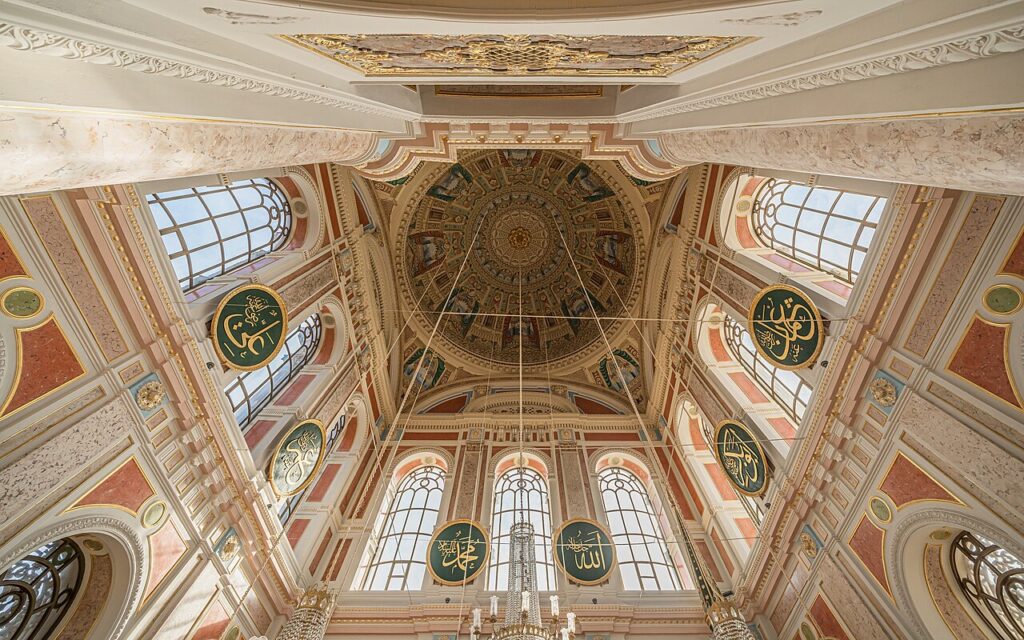
The Weekend Rhythm: The Village at Full
The weekends bring the village at full — the day-trippers of the city filling the square, the kumpir stalls at their busiest, the mosque and the bridge framed by the crowds. The weekdays are the calm: the square walkable, the tables findable, the village at its own pace. The visitor should follow the rhythm — the weekdays for the quiet village, the weekends for the full one — and the Ortakoy gives both versions. The early mornings of the weekends are the compromise: the square before the crowds, the postcard without the people, the village’s best hours taken before the day-trippers arrive. And the evenings of both: the day-trippers leave, the square returns to the village, and the sunset over the bridge belongs to the residents and the travelers who stay.

The Practical Notes on the Water
A few water-specific notes make the rides smoother. The ferries run from the nearby piers: the crossings and the cruise are on the Istanbulkart at the price of a metro ride. The decks are the views: the outdoor decks give the best sightlines — claim the rail on the sun side for the crossings. The gulls are the companions: they follow the ferries for the bread — hold the snacks close or share them, and the children will love the company. The light is the timing: the morning crossings give the clearest air, and the evening crossings give the amber over the bridge — plan the rides for the light you want. And the schedules are the season’s: the summer adds the crossings, the winter runs the reduced schedule — check the current times before you plan.
The Takeaway
Forty-eight hours in Ortakoy is the Bosphorus life at its fullest — the square and the shore, the mosque and the bridge, the kumpir and the fish tables, the crossings and the cruise, the villages and the back streets. The itinerary takes you from the morning square through the climb and the kumpir, across the strait and up the Bosphorus, back to the calm of the lanes and the farewell at the water — the village whole, in the time it deserves. It is the postcard of the Bosphorus, lived rather than shot — the two days that show why the smallest village of the strait is one of the most beloved corners of Istanbul.
Frequently asked questions
Can I see the old city in the 48 hours?
The itinerary focuses on Ortakoy and the Bosphorus — the old city’s monuments are a ride away, and a morning there fits if you want both.
What is the best time for the square?
The early morning, when the mosque and the bridge frame the postcard without the crowds — and the sunset, when they glow over the water.
Is the Bosphorus cruise worth it?
Yes — it is the classic ride of the city, the strait’s whole story in a morning, with the villages and the fortresses along the route.
What should I not miss?
The kumpir at the square, the crossing to the Asian side, and the sunset over the bridge — the three essentials of the village.
Is 48 hours too much for Ortakoy?
No — the village itself is a half day, but the two days let it breathe: the square and the shore, the cruise and the villages, the back streets and the sunsets, at the pace the Bosphorus deserves.

All Over Information
The All Over Information editorial team researches and writes practical English-language guides to Turkey. Facts are checked against official and local sources before publication, prices are published as dated ranges rather than quotes, and guides are revised when things change. We accept no sponsored posts, paid placements or paid links.
More guides like this
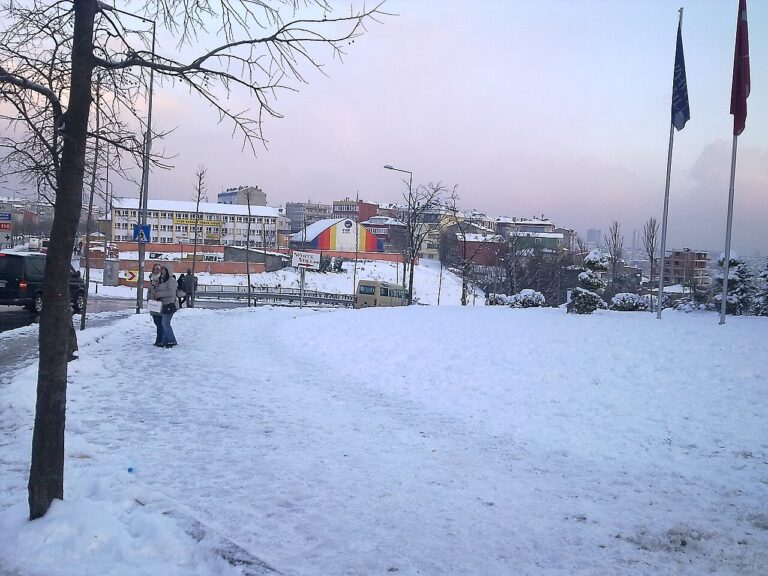
Ortakoy in Winter: What to Expect
Winter changes Ortakoy the way it changes every waterfront — the crowds thin, the square returns to the village, and the strait…
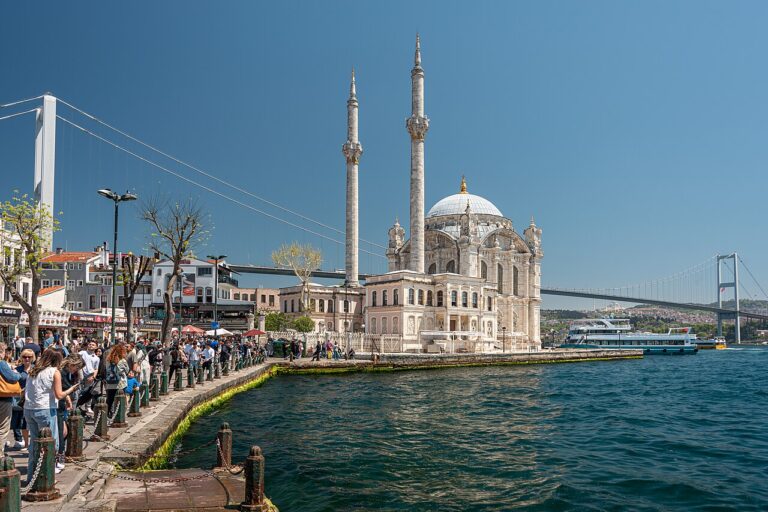
Photography Spots in Ortakoy You Can’t Miss
Ortakoy is a photographer's dream because the whole village is a set.

Ortakoy Airport and Transport Guide
Ortakoy sits on the European shore of the Bosphorus, in the heart of Istanbul's most scenic waterfront, and reaching it is easier…

A Solo Traveler’s Guide to Ortakoy
Ortakoy is one of the easiest places in Istanbul for the solo traveler — safe, small, and welcoming, with the postcard at…

Hidden Gems of Ortakoy Most Tourists Miss
Ortakoy has a famous face — the mosque and the bridge, the kumpir and the square — and most visitors never see…

Top 10 Things to Do in Ortakoy
Ortakoy is the postcard of the Bosphorus — the waterfront village where the baroque mosque stands beside the great bridge, where the…