Göreme is a serious eating town disguised as a balloon field. The testi kebab is the signature, the meze and the local wines fill the tables, the cave restaurants give the atmosphere, and the breakfasts with the balloons are the region’s most famous meal. For the food lover, Göreme is the tasting of the Anatolian plateau — the grains, the lamb, the vegetables, and the traditions of the Turkish kitchen, served against the landscape that no other dining room can match. This guide covers the food of Göreme from the clay pots to the vineyards.
The Testi Kebab: The Signature Dish
The testi kebab is the dish that defines Göreme dining, and the foodie’s first mission is the clay pot. The meat and the vegetables — the lamb, the onions, the peppers, the tomatoes — are sealed in the clay pot and cooked slowly, and the pot is cracked open at the table with a tap of the hammer: the steam, the aroma, the theater. The dish takes the time to prepare, so the ordering early is the habit, and the patience is the price of the perfection. The testi kebab is the taste of Cappadocia, and the foodie who eats it at the source has tasted the region’s signature.
The Meze Tradition
The meals of Göreme open with the meze, and the tradition is the foodie’s education. The procession of small plates — the haydari yogurt with herbs, the ezme, the stuffed vine leaves, the grilled cheeses, the eggplant dishes — is the map of the Turkish kitchen, and the tables of the town serve it generously. The meze are the shared plates, the conversation starters, and the courses that reward the slow eating. For the foodie, the meze of Göreme are the tasting menu of the region, and the variety is the point. Take the meze seriously, and the meal has already begun.

The Local Wines
Cappadocia has a wine tradition that reaches back millennia, and the volcanic soil gives the grapes their character. The local vineyards grow the varieties — the Emir, the Kalecik Karası, the Narince — that the region is known for, and the wines of Cappadocia are the companions to the meals. The wine tasting is the foodie’s excursion: the vineyards and the wineries of the region welcome the visitors, and the cellar tours and the tastings fill the afternoons. The local wines reward the trying, and the foodie who drinks the region’s vintages tastes the volcanic soil in the glass.
The Regional Dishes
Beyond the signature, the tables of Göreme serve the regional kitchen. The mantı — the tiny dumplings with the yogurt and the tomato sauce — are the comfort classic; the gözleme — the stuffed flatbreads, cooked on the griddle — are the street food; and the kavurma and the stews of the plateau fill the winter menus. The produce is the region’s: the grains, the lamb, the vegetables, the honey of the Anatolian highlands. The regional dishes are the kitchen of the plateau, and the foodie who eats across them tastes the land itself.

The Breakfasts
The Göreme breakfast is the ritual of the morning, and the cave hotels and the cafés serve the spreads. The Turkish breakfast — the eggs, the cheeses, the olives, the honey, the pastries, the endless tea — is the generous start, and the terrace setting, with the balloons rising in the morning light, is the show. The breakfast is the meal worth including in the stay, and the long table is the morning ritual. For the foodie, the breakfast is the tasting of the region’s pantry, and the spread is the canvas. The breakfasts of Göreme are the town’s most photographed meal, and the food lives up to the frame.
The Sweet Endings
The desserts of Göreme close the meals, and the sweets of the region are the foodie’s ending. The baklava, the künefe, the puddings, and the pastries of the Turkish tradition fill the patisserie windows, and the honey of the highlands is the local treasure. The Turkish coffee, brewed in the cezve, is the traditional close, and the lokum the sweet companion. The sweet endings of Göreme are the classic Turkish desserts, and the foodie who saves the room is rewarded. The sweets carry the region’s sugar, and the coffee carries the conversation into the evening.

Göreme Food: The Regional Larder
The food of Göreme is the food of Cappadocia, and the region’s larder is the source. The volcanic soil grows the vegetables, the vineyards produce the local wines, and the villages raise the sheep whose milk makes the cheeses and the yogurt. The foodie tour of Göreme starts in the kitchen and ends in the fields: the breakfasts of the guesthouses spread the local cheeses, the jams, the honey, and the olives across the morning table; the lunches of the lokantas simmer the stews and the soups of the region; and the dinners turn to the clay pots and the grills. The local pantry also gives the specialties that the traveler should seek: the pastırma of the region, the sucuk, the dried fruits, the walnuts, and the aromatic herbs that grow wild in the valleys. The foodie guide to Göreme is the guide to the region’s table, and the table is set from the soil up.
The Foodie Itinerary
A foodie day in Göreme builds itself around the region’s rhythms. The morning belongs to the breakfast table — the local cheeses, the fresh bread, the honey from the highlands, and the endless tea. The midday belongs to the lokanta, where the daily stews and the grilled kebabs are the honest food of the region, served with the bulgur pilaf and the shepherd’s salad. The afternoon belongs to the sweet tooth — the baklava and the Turkish delight of the local shops, and the walnut pastries that the region makes its own. The evening belongs to the testi kebab, the clay-pot dish that the region invented, and to the local wines that the volcanic soil grows. The night belongs to the tea gardens, where the glasses refill while the conversation runs. The foodie itinerary of Göreme is a full day of small pleasures, and the table never empties.
Göreme Food: The Wine and the Vineyards
The wines of Cappadocia deserve the foodie’s attention, because the volcanic soil gives the grapes a character found nowhere else. The vineyards of the region grow the ancient local varieties — the Emir, the Dimrit, and the Kalecik Karası — alongside the international grapes, and the wineries of the area produce the whites, the reds, and the rosés that the locals drink with pride. The volcanic terroir brings the minerality to the wines, and the altitude brings the cool nights that preserve the freshness. The foodie visit to the region should include the winery tour: the tasting rooms of the area welcome the visitors, the vineyards open for the walks in the harvest season, and the pairing with the local cheeses and the kebabs shows the wines at their best. The wine is the region’s hidden foodie treasure, and the glass of the volcanic wine with the testi kebab is the meal that the traveler remembers.
The Takeaway
Göreme is a foodie’s town in the heart of the plateau: the testi kebab, the meze, the local wines, the regional dishes, the breakfasts with the balloons, and the sweet endings. Eat at every level, from the gözleme stall to the cave restaurant, and you have tasted the Anatolian kitchen against the landscape. Bring an appetite, and bring time — the meals of Göreme are meant to be lingered over, with the rock glowing and the balloons overhead.
Frequently asked questions
What is Göreme’s most famous food?
The testi kebab — the meat and the vegetables sealed in the clay pot and cracked open at the table — is the signature dish.
Is the local wine worth trying?
Yes — Cappadocia’s volcanic soil gives the grapes their character, and the local varieties — Emir, Kalecik Karası, Narince — reward the trying.
What is the street food of Göreme?
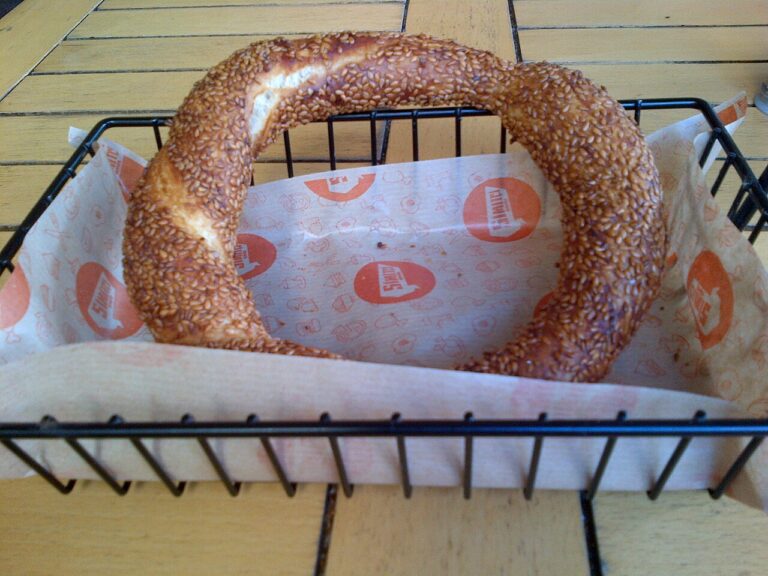
The gözleme — the stuffed flatbreads cooked on the griddle — is the street food, and the simit and the bakery goods cover the snacks.
Should I include the breakfast in my stay?
Yes — the Turkish spreads are generous, and the terrace breakfast with the balloons rising is the town’s most famous meal.
What dishes must a foodie try in Göreme?
The testi kebab, the local cheeses and honey at breakfast, the grills of the lokantas, the baklava, and the wines of the volcanic vineyards.
Where do the locals eat in Göreme?
The small lokantas and the family kitchens that serve the daily stews, plus the tea gardens and the pastry shops where the residents gather.
What are the local wines of Cappadocia?
The volcanic soil grows the ancient local varieties — Emir, Dimrit, and Kalecik Karası — along with the international grapes, and the local wineries offer the tastings.

All Over Information
The All Over Information editorial team researches and writes practical English-language guides to Turkey. Facts are checked against official and local sources before publication, prices are published as dated ranges rather than quotes, and guides are revised when things change. We accept no sponsored posts, paid placements or paid links.
More guides like this

History and Culture of Goreme
Göreme's history is the history of Cappadocia in miniature: the volcanic landscape carved by the wind and the water, the early Christians…
Goreme on a Budget: Money-Saving Travel Tips
Göreme has a reputation as the expensive end of Cappadocia, and the balloon flights and the cave hotels can eat a budget…
Best Local Restaurants in Goreme
Göreme feeds the travelers of Cappadocia, and the town's tables serve the regional kitchen with the landscape for the backdrop.

Goreme Airport and Transport Guide
Göreme sits in the heart of Cappadocia, and its transport connections serve the travelers of the whole region.

Photography Spots in Goreme You Can’t Miss
Göreme is a photographer's paradise, and the region concentrates its beauty in a compact set of locations: the balloons at dawn, the…

A First-Timer’s Guide to Goreme
Göreme is the heart of Cappadocia — the small town in the middle of the fairy chimneys, where the hot air balloons…