Ayran is more than a drink in Turkey; it is a daily ritual, a badge of identity, and one of the oldest tastes on the Turkish table. Where tea marks hospitality and coffee marks ceremony, ayran marks the everyday: the family meal, the kebab house, the summer afternoon, the roadside stop. This article explores the cultural role of ayran, from its nomadic origins to its place on the modern table, and shows why a glass of salted yogurt and water says so much about Turkish life.
The Nomadic Inheritance
Ayran was born on the move. The nomadic herders of Central Asia, the ancestors of the Turks, carried yogurt in their saddlebags, and adding water and salt turned it into a drink that traveled well and quenched thirst.
The drink came west with the migrations, across the steppes and into Anatolia, and it never left the table. Every empire that followed inherited the taste, and the modern Republic of Turkey received it as a living daily habit.
That nomadic origin explains ayran’s character: simple, portable, and made from what a herder had on hand. The drink is a direct link to a way of life that ended centuries ago but survives in a glass.
The drink also respects the seasons. In winter it appears at heavy meals, cutting the richness of stews and roasts, and in summer it becomes the light refreshment of the day. The same three ingredients serve both purposes, and the Turkish kitchen takes full advantage of that versatility.
The Table Companion
Ayran belongs to the table in a way few drinks do. It is poured at breakfast, lunch, and dinner, and it accompanies everything from bread and olives to the heaviest kebab feast.
Its role is partly practical: the salt and tang cut through fat and refresh the palate between bites. A Turkish meal without ayran is not quite a Turkish meal, and most tables keep the pitcher within reach.
The drink is also democratic. It costs little, is served everywhere, and is equally at home in a village kitchen and a city restaurant, which is exactly the way Turkish culture likes its essentials.
The glass matters as much as the drink: tall, cold, and topped with foam, it is poured from a pitcher that has been whisked to order. The server knows when you are running low before you do, and the refill arrives with the same quiet efficiency as the bread.

The Kebab House Ritual
The pairing of ayran with kebab is one of the fixed points of Turkish eating. Walk into any kebab house in the country and the scene is the same: grilled meat, flatbread, and a tall glass of frothy ayran.
The ayran is made fresh, whisked to a foam, and served ice-cold, and it is refilled as the meal goes on. In many places, the quality of the ayran is a point of pride and a measure of the house.
The ritual gives the meal its rhythm: a bite of meat, a swallow of ayran, a piece of bread, and back to the meat. The drink and the dish are so inseparable that it is hard to imagine one without the other.
The drink also solves a real problem that sweet sodas cannot: it hydrates without sugar, calms the stomach, and cools the body from the inside. That is why vendors in tourist towns sell ayran from coolers beside the sea, and why the glass is emptied as fast as it is filled.
The Summer Drink
Ayran is Turkey’s answer to the heat. On summer days, the drink appears in the same way ice cream does in other countries: constantly, coldly, and gratefully.
The salt in ayran is the secret. It replaces what the body loses in sweat, and the cold yogurt soothes and cools at once, which is why the drink is the traditional refreshment of the hot months.
From beach towns to village terraces, the summer ayran is served over ice, whisked fresh, and drunk in long swallows. It is the taste of Turkish summer, and it arrives with the first warm weather.
The churned version is also a seasonal memory for many Turks who grew up in the countryside. The smell of the fresh churn, the cold glass after the work, and the thick, creamy texture are remembered as the true taste of summer villages, long after the family has moved to the city.
The Village Churn
The old way of making ayran survives in the villages, and it is a culture of its own. The yayık, a tall wooden churn, is filled with yogurt, water, and salt, and churned by hand until the drink turns rich and creamy.
The churning was traditionally a social labor, shared among the women of the household, and it produced both butter and the prized yayık ayranı. The rhythm of the churn was part of village daily life.
Today, the wooden churn is rarer, but yayık ayranı is still made and still celebrated, and the phrase carries the taste of the old countryside. It is the closest thing ayran has to a gourmet version.
The fast-food counter has also given the drink a new generation of fans. Children who grow up on packaged ayran learn the taste early, and the habit carries into adulthood, which keeps the drink at the center of the national diet even as the serving method changes.
Ayran on the Modern Table
Ayran has adapted to modern life without losing its character. The street version, served in plastic cups from carts and shops, is the fastest way to drink it, and the kebab house version is the classic one.
The market shelves hold bottled and carton ayran, mass-produced and convenient, and even national fast-food chains serve it alongside their burgers and fries. The drink has crossed into every corner of modern Turkish eating.
What is remarkable is that the packaged versions still taste like ayran. The product has industrial scale, but the recipe, yogurt, water, salt, has not changed by a single ingredient.
The name crosses borders with remarkable ease: a traveler in Azerbaijan, Kazakhstan, or the Balkans hears the same word and understands the same drink. The shared vocabulary is a reminder that ayran belongs to a family of peoples, not to a single border, and that the glass is a kind of passport.

The Word and the Identity
Ayran is also a matter of words. The Turkish language has sayings built around the drink, and the word itself is instantly understood across the entire Turkic world, where the same or similar names appear.
The drink is a marker of Turkish identity abroad as well. Turkish communities carry ayran with them, and it is one of the tastes that defines Turkish food for outsiders, alongside kebab, baklava, and tea.
For Turks, the drink is a small proof of home. A glass of properly made ayran, salty and frothy, tastes like family kitchens and summer afternoons, wherever in the world it is poured.
The foam debate also shows the humor at the heart of Turkish culture. What could have been a small bureaucratic remark became a moment of national comedy, and the joke was told with affection rather than anger. It is a story Turks still tell, and it ends with everyone agreeing that ayran should simply taste good.
The Controversy and the Joke
Ayran even has its playful side. The drink became the center of a famous political controversy when a minister suggested that the proper way to drink ayran was without foam, and the country responded with a foam of jokes and defiance.
The incident revealed how seriously Turks take their ayran. Hundreds of people posted photographs of their frothy glasses, and the debate over foam versus no foam became a national joke that everyone understood.
The episode is worth remembering when you drink ayran: this is a country that will argue in public, with affection, about how to pour a glass of yogurt. That is how much the drink matters.
Even the smallest details are fixed: the drink is whisked before serving, the salt is added to the pitcher rather than the glass, and the foam is poured on top. The rules are unwritten, but every Turkish kitchen follows them, and the consistency of the ritual is part of its comfort.

Ayran in Turkish Cooking
Ayran is not only a drink; it is also an ingredient in the kitchen. It is the base of the cold soup called cacık, thickened with cucumber and herbs, and it is the sauce poured over the stuffed dumplings called mantı.
The drink also finds its way into marinades, where its tang tenderizes meat, and into the savory pastries of the region. Cooks use it the way other kitchens use milk, and the results carry the same bright, salty character.
The cooking uses explain the drink’s place in the culture: ayran is a product of the dairy tradition that runs through everything Turkish cooks make. The glass at the table and the sauce in the pan come from the same yogurt.
The Everyday Ritual
The deepest cultural role of ayran is the most ordinary one: the daily glass that appears without being asked for. It is the drink of school lunches, of family dinners, and of late-night snacks.
It is served to children as a matter of course, praised as healthy, and offered to guests who look hot or tired. The ritual is so smooth that most people do not notice it happening.
That is the true taste of Turkish culture in ayran: a drink so woven into daily life that it is simply there, cooling, salty, and constant, like the country itself.
Frequently asked questions
Why is ayran so important in Turkish culture?
Ayran is a daily companion of the Turkish table, served with nearly every meal and especially with grilled meat. It carries the heritage of the nomadic Turkic past, when herders thinned yogurt with water for a portable, thirst-quenching drink. The drink is also a marker of identity, understood across the Turkic world and carried abroad by Turkish communities as a taste of home.
Why is Turkish ayran salty?
The salt is traditional and practical. It sharpens the flavor of the yogurt, and it replaces the minerals lost through sweat, which is why ayran is the classic drink of the Turkish summer. The salt also makes the drink pair naturally with rich, smoky kebabs, cutting through the fat and refreshing the palate between bites.
What is yayık ayranı?
Yayık ayranı is the traditional village version, made by churning yogurt, water, and salt in a tall wooden churn called a yayık. The churning incorporates air and gives the drink a rich, creamy texture that differs from the simple whisked version. The churn once produced butter as well, and the labor was shared among the women of the household.

All Over Information
The All Over Information editorial team researches and writes practical English-language guides to Turkey. Facts are checked against official and local sources before publication, prices are published as dated ranges rather than quotes, and guides are revised when things change. We accept no sponsored posts, paid placements or paid links.
More guides like this

The History Behind Turkish Ice Cream (Dondurma)
Turkish ice cream is one of the oldest frozen desserts in the world, and its history reaches back into the mountains of…
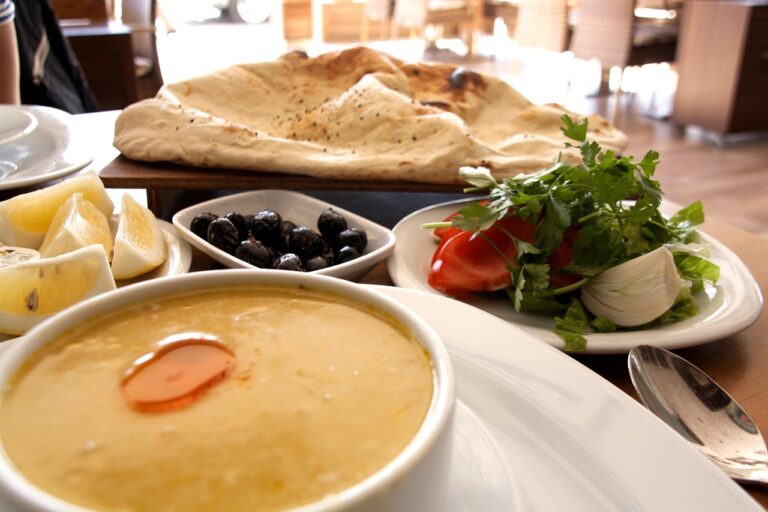
Manti (Turkish Dumplings) Vs. International Variations: What Makes It Turkish
Dumplings are the common food of half the world, from the ravioli of Italy to the jiaozi of China, and the Turkish…

Lahmacun: A Taste of Turkish Culture
Lahmacun is more than a thin flatbread with a meat topping; it is one of the great social foods of Turkey.
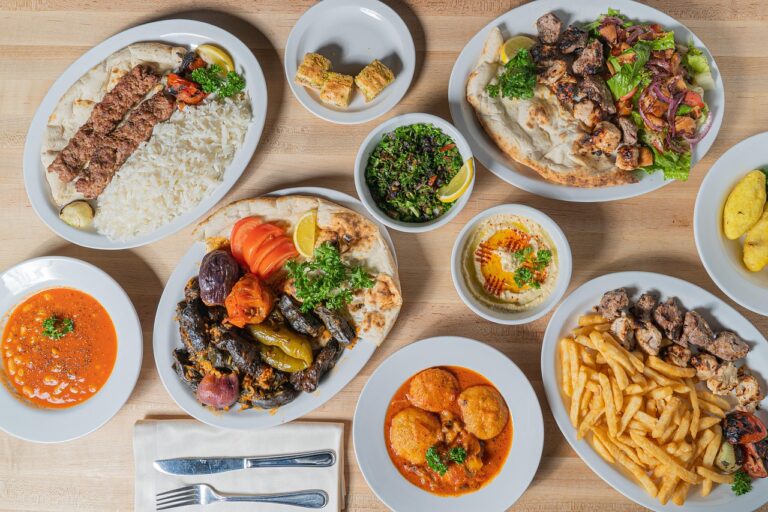
Where to Find the Best Kebab in Turkey
Turkey is a country of kebab cities, and each one argues passionately that it holds the crown. The good news for you…

Turkish Breakfast Culture: Why It Takes Hours
If you sit down to a Turkish breakfast expecting a quick bowl of cereal, you are in for a surprise.
The History Behind Turkish Breakfast (Kahvalti)
Turkish breakfast looks like a modern invention, a spread so abundant and so deliberate that it feels designed by a marketing department.