The Chora Church — the Kariye — has stood through the deepest history of Istanbul, and its story runs from the early Byzantine world to the present day. The church of the country outside the ancient walls has served the faith and the art of the city through the centuries: the foundation, the medieval restorations, the masterpiece of the Palaiologan age, the Ottoman transformation, and the modern rediscovery. This guide traces the Chora through the centuries, era by era.
The Fifth Century: The Foundation
The story of the Chora begins in the early centuries of the Byzantine world. The first church on the site was founded in the fifth century, in the fields beyond the walls of the old Constantinople — the country outside the city, from which the church took its name. The monastery of the Chora grew around the early church, and the religious life of the foundation carried through the early centuries of the empire.
The foundation of the fifth century set the pattern of the site: the church of the country outside the walls, the monastery of the fields, and the name of the Chora that the building has carried through the ages.
The Early Medieval Centuries
The centuries between the foundation and the late Byzantine era saw the Chora rebuilt and renewed through the ages. The church was restored after the earthquakes and the fires of the city, and the monastery of the Chora held its place among the foundations of the capital. The walls of the city were extended in the medieval centuries to enclose the quarter of the Chora, and the church of the country outside the walls became the church of the medieval city.
The medieval centuries were the centuries of the service: the monastery of the Chora, the religious life of the foundation, and the buildings of the site evolving through the ages of the empire.

The Twelfth Century: The Comnenian Restoration
The twelfth century brought the significant restoration of the Chora under the Comnenian dynasty. The church was rebuilt in this era, and the monastery of the Chora was restored to the prominence of the capital’s foundations. The Comnenian restoration shaped the building that the later age would decorate, and the church of the twelfth century carried the worship of the foundation through the century.
The Comnenian era was the preparation for the glory of the Chora: the restored church, the monastery of the capital, and the building that awaited the great decoration of the next era.
The Fourteenth Century: The Palaiologan Masterpiece
The great age of the Chora came in the early fourteenth century, under the Palaiologan dynasty. The restoration under Theodore Metochites — the statesman and the patron of the arts — rebuilt the church and decorated it with the finest art of the age: the outer narthex and the side chapel added to the building, and the whole covered with the mosaics and the frescoes of the life of the Virgin, the life of Christ, and the great scenes of the Resurrection and the Last Judgment.
The work of the early 1300s made the Chora the masterpiece of the late Byzantine art: the mosaics and the frescoes that survive nowhere else in such completeness, and the monument that the visitors come to see today.

The Fifteenth Century: The Conquest and the Mosque
The fall of Constantinople in 1453 changed the life of the Chora. The church passed into the hands of the Ottoman city, and in the years after the conquest it was converted into a mosque — the Kariye Mosque of the Ottoman era. The mosaics and the frescoes of the church were covered, as the figural images gave way to the requirements of the mosque, and the building of the Byzantine church served the Muslim worship of the Ottoman centuries.
The conversion of the fifteenth century hid the art of the Chora: the masterpiece of the Palaiologan age covered beneath the plaster, and the church of the Byzantines serving the mosque of the Ottomans.
The Ottoman Centuries
The long centuries of the Ottoman rule were the centuries of the Kariye Mosque. The building served the worship of the mosque through the ages, and the art of the Byzantines remained hidden beneath the coverings. The mosque of the Chora held its place in the life of the quarter, and the building of the Byzantine church continued its service in its new form.
The Ottoman centuries were the centuries of the hiding: the art of the Chora preserved by the very coverings that concealed it, and the building of the church carrying the worship of the mosque through the ages of the empire.

The Twentieth Century: The Rediscovery
The modern rediscovery of the Chora came in the twentieth century. The church was secularized as the museum in the mid-1940s, and the restoration that followed uncovered the art of the Byzantines: the coverings of the centuries removed, and the mosaics and the frescoes revealed in their glory. The discovery brought the Chora to the world — the museum of the Byzantine art, the Kariye Museum of the modern Istanbul — and the treasure of the church took its place among the great monuments of the city.
The twentieth century was the second great age of the Chora: the art of 1300 revealed after the centuries of the hiding, and the masterpiece of the Byzantine painting opened to the world.
The Twenty-First Century: The Return
The recent years have brought the new chapter of the Chora. The building has returned to the role of the mosque, and the question of the figural art — the mosaics and the frescoes of the church — has been the subject of the current arrangements, with the access to the art changing through the period. The visitor should check the current status of the church before the visit, as the arrangements of the moment govern the access.
The twenty-first century is the living chapter of the Chora: the building continuing its centuries of service, the question of the art and the worship ongoing, and the monument of the Byzantine world still standing in the west of the old city.
The Chora in the Story of the City
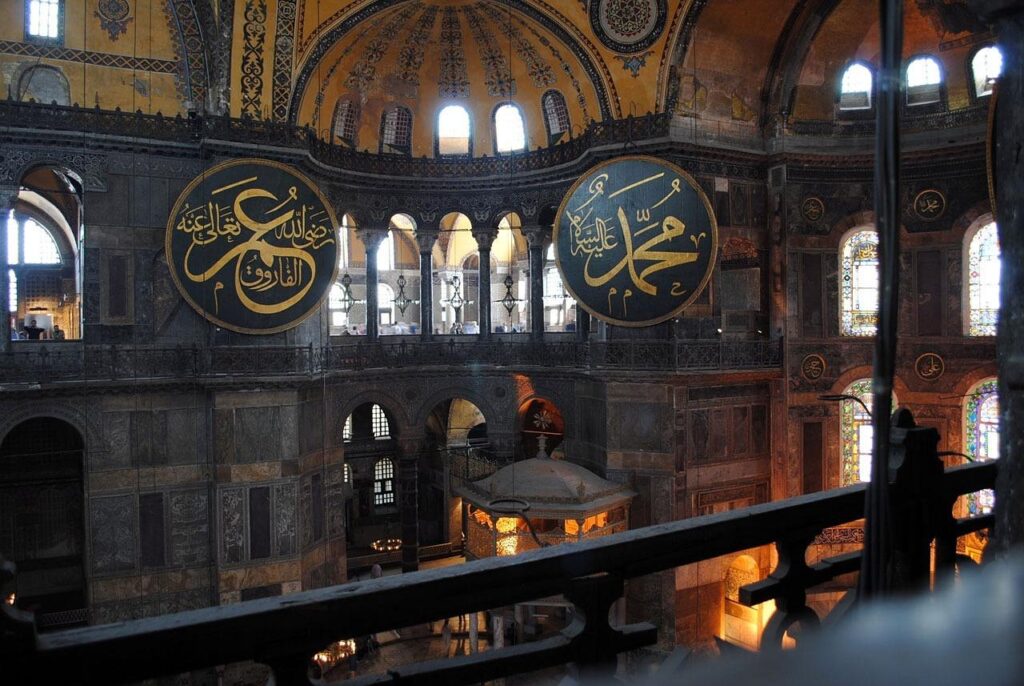
There is a deeper place for the Chora in the story of Istanbul: the church is the monument of the continuity. The building has served the worship and the art through the centuries — the Byzantine church, the Ottoman mosque, and the modern museum — and the layers of that history are written in its walls. The Chora is the history of the city in one building, the small church that has carried the faith and the art of the centuries, and the monument where the cultures of Istanbul meet.
The Experience of the Centuries
There is a particular quality to the visit of the Chora: the traveler stands in the building that has served the city for fifteen hundred years. The church gives the experience of the centuries — the foundation of the fifth century, the restorations of the medieval age, the masterpiece of the 1300s, and the transformations of the later eras — and the visit is the encounter with the deep story of the city, in the small church that holds the greatest art of the Byzantine world.
The Visitors Through the Centuries
The visitors of the Chora have changed with the centuries, and the church has received them all. In the Byzantine age, the pilgrims and the faithful came to the monastery church, and the worshippers filled the building of the foundation. In the Ottoman centuries, the mosque received the Muslims of the quarter, and the building served the daily worship of the community. And in the modern era, the visitors of the world have come to the museum — the travelers and the scholars, the photographers and the art-lovers, drawn by the treasure of the Byzantine painting.
The visitors through the centuries are the measure of the Chora’s endurance: the building that has received the faithful, the worshippers, and the visitors of fifteen hundred years, and that continues to receive them today. The small church in the west of the old city has served the people of every age of the city, and the story of the Chora is the story of the city’s people through the centuries.
Frequently asked questions
How old is the Chora Church?
The first church on the site was founded in the fifth century, and the building was rebuilt through the medieval centuries. The great decoration of the church came in the early fourteenth century, under the Palaiologan restoration.
What happened to the Chora after the conquest?
The church was converted into a mosque in the years after 1453, and the mosaics and the frescoes were covered. The building served as the Kariye Mosque through the Ottoman centuries, and was secularized as the museum in the twentieth century.
What is the current status of the Chora?
The building has recently returned to the role of the mosque, and the access to the art has been the subject of the current arrangements. The visitor should check the current status of the church before the visit.

All Over Information
The All Over Information editorial team researches and writes practical English-language guides to Turkey. Facts are checked against official and local sources before publication, prices are published as dated ranges rather than quotes, and guides are revised when things change. We accept no sponsored posts, paid placements or paid links.
More guides like this

The Complete History of Rumeli Fortress
On the European shore of the Bosphorus, where the strait narrows to its tightest point, stands one of the most dramatic monuments…

Mimar Sinan: Ottoman Turkey’s Master Architect
No single person shaped the skyline of Turkey more than Mimar Sinan, the chief architect of the Ottoman Empire in its golden…
Visiting Maiden’s Tower: Tickets, Hours, and Tips
The Maiden's Tower is one of the most romantic experiences in Istanbul, but it is also one of the least like a…

Best Time to Visit Maiden’s Tower to Avoid Crowds
The Maiden's Tower is a small site with a big reputation, and its crowds are limited by the water: only the people…

Why Grand Bazaar Should Be on Your Turkey Bucket List
Some places you visit; others you step into like a different world. The Grand Bazaar belongs firmly to the second category.

Turkey’s UNESCO World Heritage Sites Explained
Turkey is one of the great heritage countries of the world, and its UNESCO World Heritage Sites tell the story of ten…