The Spice Bazaar of Eminönü is one of the most accessible and rewarding sights in Istanbul, a compact, colorful market that you can enjoy in an hour or two and still carry its scent with you for days. Because it is a working bazaar rather than a museum, the practical rules of the visit are simple, but knowing them in advance makes the experience far better. This guide covers everything you need: how to get there, when to go, what to expect at the stalls, and how to shop, taste, and explore the market like a traveler who has been here before.
Getting There
The Spice Bazaar sits on the waterfront of Eminönü, in the heart of the old city, and it is easy to reach from almost anywhere in Istanbul. The tram is the simplest option, with a stop at Eminönü just a short walk from the bazaar’s gates.
The ferries are the scenic alternative. The Eminönü docks, at the foot of the Galata Bridge, serve the Bosphorus and the Marmara routes, and arriving by water, with the mosque and the bazaar rising ahead of you, is one of the great entrances to any market in the world.
From Sultanahmet, the historic center, the bazaar is a pleasant walk of twenty minutes or so, or a short tram ride. However you come, you will find the market impossible to miss: look for the dome of the Yeni Mosque and the vaulted mass of the bazaar beside it, right where the crowds gather at the water’s edge.
Opening Hours and When to Go
The Spice Bazaar is open every day, which makes it one of the most reliable sights in Istanbul, and its hours are generous by market standards. It opens in the morning and trades through the day into the evening, and it is usually at its most energetic in the late morning and early afternoon.
The best times for a relaxed visit are the early morning, when the merchants are still arranging their displays, and the late afternoon, when the day’s crowds have thinned. The middle of the day is busiest, especially when cruise passengers flood the waterfront.
The market stays open during the religious holidays as well, though the surrounding neighborhood and the mosque change their rhythms, so the atmosphere differs from the ordinary day. Whatever day you choose, the bazaar itself will be open, trading, and ready for you.
Tickets and Entry
The Spice Bazaar is free to enter, and no ticket is required. It is a working market, not a museum, and the lanes are public streets, so you can walk in, browse, photograph, and explore without paying anything at the gates.
The only costs are the ones you choose. Tasting is often offered freely at the stalls, and buying is entirely at your discretion, so a visit can cost nothing at all, or as much as your appetite for Turkish delight and saffron allows.
The lack of ticketing is part of the charm. You are not processed through turnstiles or guided along a set route; you simply walk into the life of the market, and the experience is as spontaneous as the market itself. It is one of the few great monuments of Istanbul that asks nothing of you but your presence.
What You’ll Find Inside
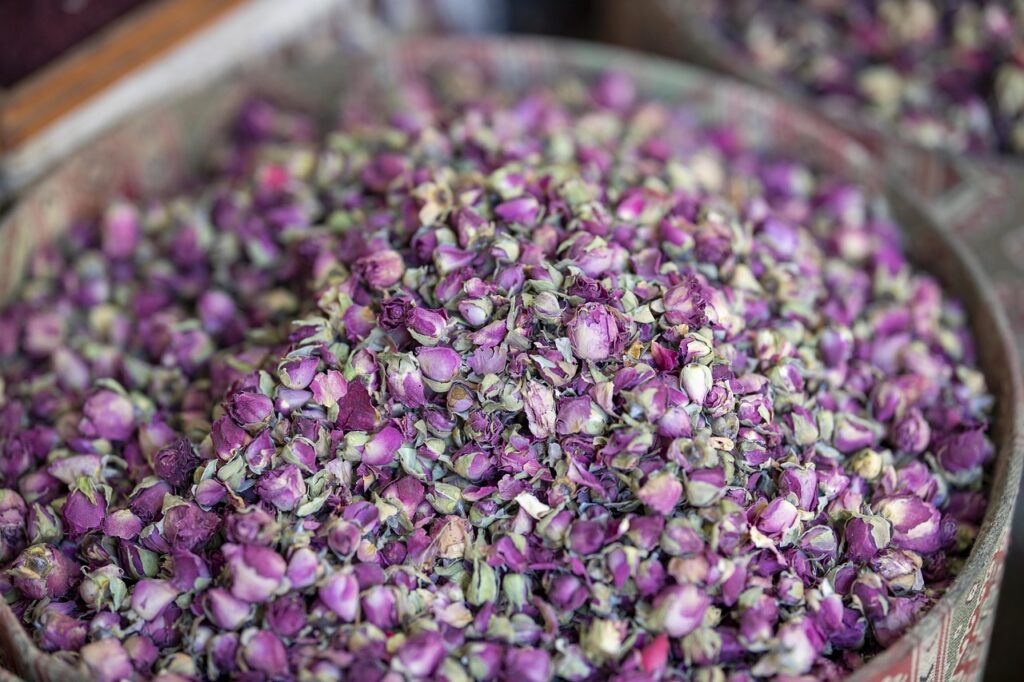
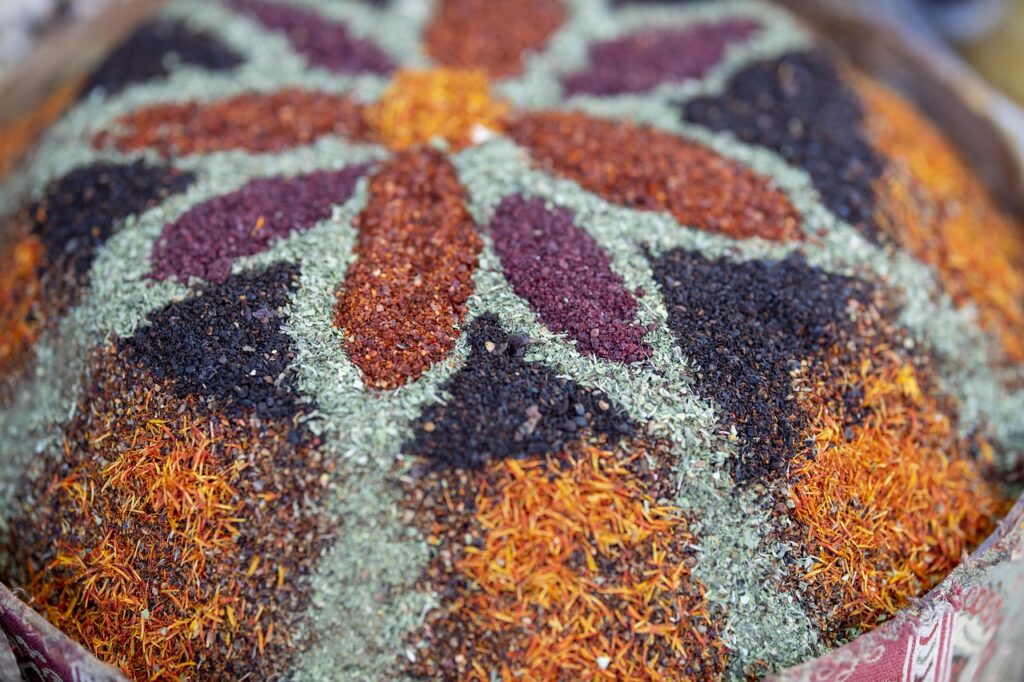
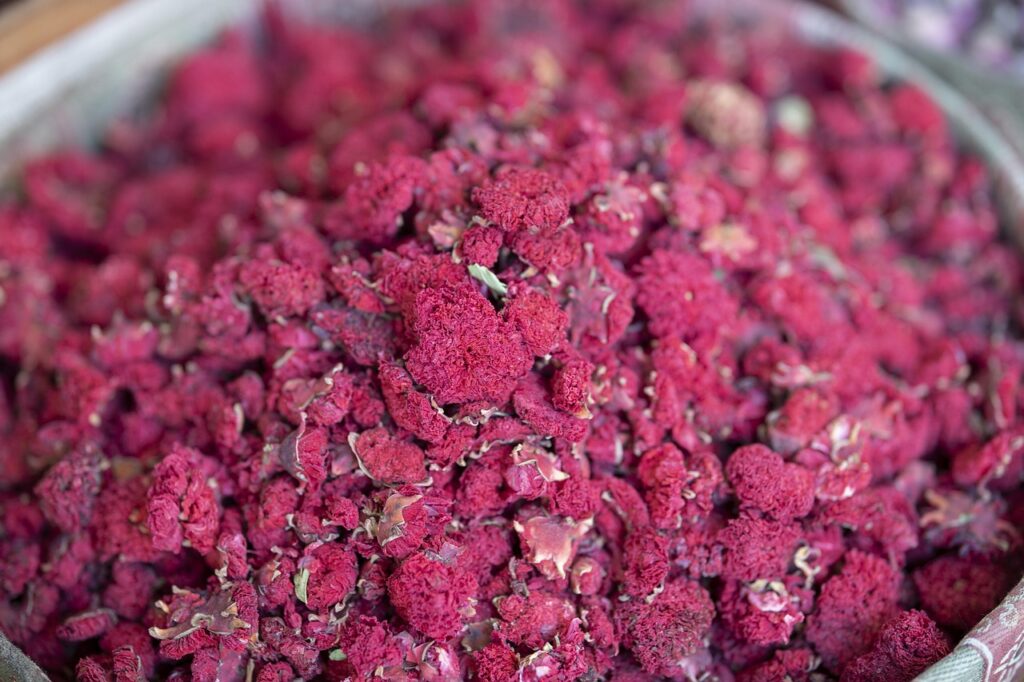
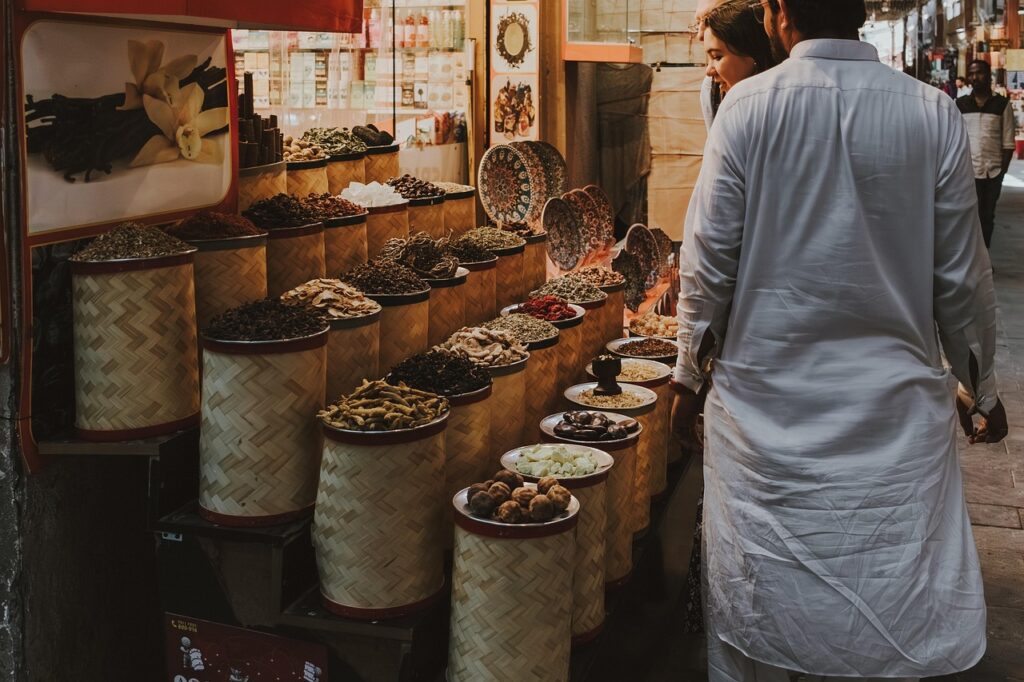
The stalls of the Spice Bazaar are arranged by the logic of taste and smell. The spice merchants dominate, their pyramids of pepper, cumin, sumac, and paprika glowing in every color of the earth, and beside them the herbalists display their dried flowers, roots, and traditional remedies.
The sweet side of the market is irresistible. Turkish delight in dozens of flavors, baklava stacked in golden layers, candied chestnuts, and dried fruits fill the counters, and the honey stalls gleam with jars from the Black Sea region and beyond.
You will also find teas, olives, cheeses, and the everyday provisions of Istanbul households, because the bazaar still serves the locals who buy their supplies here. Walking the lanes, you see the market in its double life: a monument for travelers and a neighborhood institution for the city.
The Layout: Two Arms and Six Gates
The Spice Bazaar is shaped like the letter L, two long covered arms meeting at a corner, and it opens to the streets through a series of gates around its perimeter. The layout is simple, and you cannot really get lost, but it rewards a little method.
Enter through the main gate on the square beside the Yeni Mosque, where the entrance is marked by its domed vestibule, and you will find the busiest stalls of all, the spice and sweet merchants who greet the crowds. The far arms of the L are quieter, with more provisions and local goods.
The whole circuit is short, and that is part of the market’s appeal. You can walk its full length in a few minutes, but the stalls invite you to linger, and most visitors find that an hour disappears quickly among the colors, the scents, and the conversation.
Tasting and Sampling
One of the great pleasures of the Spice Bazaar is that the merchants want you to taste. Sample the Turkish delight, try a piece of baklava, smell the saffron, and nibble the dried apricots; the sampling is free, generous, and part of the ritual of the market.
Tasting is also the smart way to shop. The quality of Turkish delight and baklava varies enormously from stall to stall, and the only reliable way to judge is to compare, so let your taste guide you from counter to counter before you decide where to buy.
Accept the samples with a smile and a thank you. The merchants are professionals who know that a taste can close a sale, and they offer it freely, without pressure. If you are not buying, a polite word of thanks is all that is required, and the ritual continues.
Buying and Bargaining
The Spice Bazaar is friendlier to buyers than many markets, and the rules are simple. The small stalls, the spices, sweets, and teas, usually have fixed prices, and bargaining is light, though a friendly smile and a bulk purchase may earn a small discount.
For larger purchases, the customs of the Grand Bazaar apply. If you are buying several kilos of sweets or a big bag of spices, it is reasonable to ask for a better price, and the merchants expect it. The key is to be warm and straightforward; the market works on goodwill.
The quality question deserves attention. Buy your Turkish delight and spices from stalls that are busy with locals, watch the goods being weighed and wrapped, and remember that the prettiest display is not always the freshest product. A little care at the counter pays off in quality at home.
Combining with the Yeni Mosque
The Spice Bazaar and the Yeni Mosque are one inseparable ensemble, and no visit to the market is complete without stepping into the mosque beside it. The mosque’s courtyard, its domes, and its tiled interior are among the finest in Istanbul, and they are free to visit.
The combination makes a perfect half day. Arrive in the morning, explore the bazaar while it is fresh, then cross to the mosque for its quiet, monumental interior, and finish with a walk along the waterfront, where the Galata Bridge and the ferries keep the district alive.
The square between them, crowded with pigeons and people, is also the meeting point of the neighborhood, and it is a fine place to sit with a tea and watch Istanbul do what it does best: move, trade, and argue over the price of fish. The whole ensemble is one of the great urban scenes in the world.
Beyond the Bazaar: The Waterfront World
The Spice Bazaar is the gateway to one of the liveliest districts of Istanbul, and the neighborhood around it deserves your time. The Galata Bridge, a few steps away, is famous for its fishing lines and its fish restaurants, and the view across the Golden Horn to Galata is one of the classic images of the city.
The ferry docks are the front door of the Bosphorus. From Eminönü you can board the boats that run along the strait, past the palaces, the fortresses, and the waterfront villages, and the trips are among the best-value experiences Istanbul offers.
Between the bazaar and the bridge, the streets of Eminönü are full of small eateries, tea gardens, and shops selling fish, produce, and household goods. Wander, taste a fish sandwich, and watch the ferries come and go; the neighborhood turns your market visit into a full morning by the water.
Practical Tips for a Smooth Visit
A few practical details will make your visit to the Spice Bazaar smoother. Carry small cash, because many stalls prefer it, though cards are increasingly accepted, and keep your wallet close, as the market is crowded and busy at its peak.
The bazaar is an indoor space, comfortable in summer and cool in winter, but the surrounding streets are open to the weather, so dress for the season. The lanes are easy to navigate, but a light bag is wise, because the sampling and the shopping accumulate quickly.
Finally, give yourself permission to linger. The Spice Bazaar is small, but it is dense with sensation, and the traveler who hurries through it misses the point. Sit, taste, talk, and let the market work its magic; an unhurried hour here is worth more than a rushed day anywhere else.
Frequently asked questions
Do I need a ticket to enter the Spice Bazaar?
No, the Spice Bazaar is free to enter. It is a working market, not a museum, and its lanes are open to everyone. The only money you will spend is what you choose to spend at the stalls.
What are the opening hours of the Spice Bazaar?
The Spice Bazaar is open every day of the week, from morning until evening. It is generally busiest in the middle of the day, so for a quieter visit, arrive early in the morning or in the late afternoon.
What is the best thing to buy at the Spice Bazaar?
Turkish delight and spices are the classic purchases, along with baklava, dried fruits, teas, and honey. Taste before you buy, compare a few stalls, and watch your goods being weighed and wrapped for the best quality.

All Over Information
The All Over Information editorial team researches and writes practical English-language guides to Turkey. Facts are checked against official and local sources before publication, prices are published as dated ranges rather than quotes, and guides are revised when things change. We accept no sponsored posts, paid placements or paid links.
More guides like this

Ishak Pasha Palace Through the Centuries
Few buildings in Turkey have witnessed a history as turbulent as the Ishak Pasha Palace.
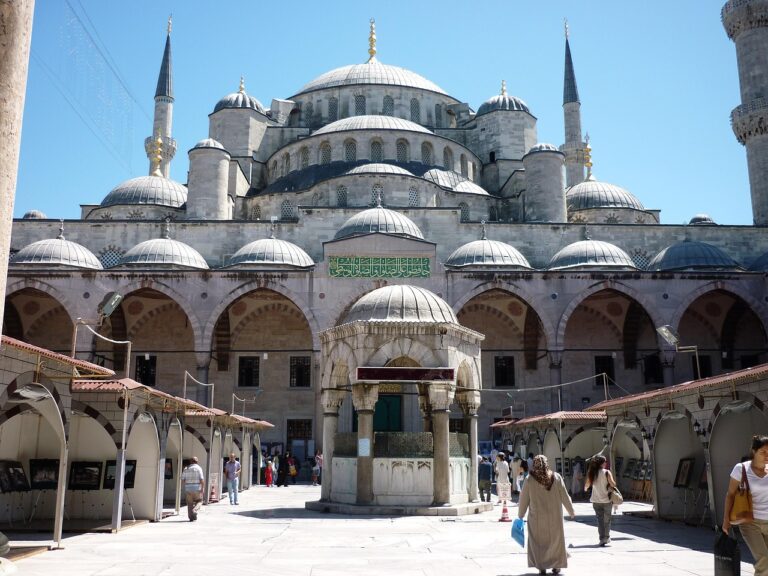
The Complete History of Blue Mosque
The Blue Mosque is the last great imperial mosque of the Ottoman classical age, and its history is a story of ambition,…

The Architecture of Topkapi Palace Explained
Topkapi Palace is not a palace in the European sense.

Best Time to Visit Maiden’s Tower to Avoid Crowds
The Maiden's Tower is a small site with a big reputation, and its crowds are limited by the water: only the people…
Best Time to Visit Chora Church to Avoid Crowds
The Chora Church — the Kariye — is one of the great monuments of the Byzantine art, and the visitors of the…

The Architecture of Rumeli Fortress Explained
The Rumeli Fortress is one of the great military buildings of the medieval world, a castle designed for a new kind of…