Eastern Anatolia has the most extreme climate in Turkey: a high plateau where winter is long and severe, summer is short and bright, and the seasons arrive with a drama unknown on the coasts. Temperatures here can fall far below freezing for months at a time, yet the same landscape delivers warm, golden summers and some of the clearest air in the country. Understanding this climate is the key to a successful trip, because it decides when the mountain passes open, when the lake is at its best, and when the region’s vast landscapes are at their most beautiful. This guide walks you through each season in turn.
The Climate of the High Plateau
Eastern Anatolia is a continental climate at altitude, and both words matter. Much of the region sits above fifteen hundred meters, and the cold is the defining fact: long winters, deep snow, and short, warm summers that arrive late and leave early.
Rainfall is modest, because the mountains to the north and west capture much of the moisture, so the region is drier than the rest of Turkey’s east. Sunshine is abundant, and the air at altitude is famously clear and dry, which makes the distant mountains seem startlingly close.
The practical meaning for travelers is that the region has a narrow comfortable season and a long cold one. The climate is not a hardship; it is simply the price and the reward of one of the most dramatic landscapes in the country, and those who dress for it will be comfortable in every season.
Winter: The Deep Cold (December to February)
Winter is Eastern Anatolia’s true season. Temperatures drop far below freezing, the plateau lies under deep snow, and the region becomes a landscape of white plains, frozen lakes, and smoking villages. It is harsh, beautiful, and utterly distinctive.
The cities of the region know how to live with winter, and they do it well: heated tea houses, steaming soup kitchens, and a warmth of welcome that makes the cold almost irrelevant. The ski slopes above Erzurum and the other mountains come into their own, with excellent snow.
Travel in winter is possible but serious. The mountain passes close, flights and trains become the reliable options, and day trips need planning around the daylight. For those who embrace it, winter is the region at its most dramatic.
Spring: The Slow Thaw (March to May)
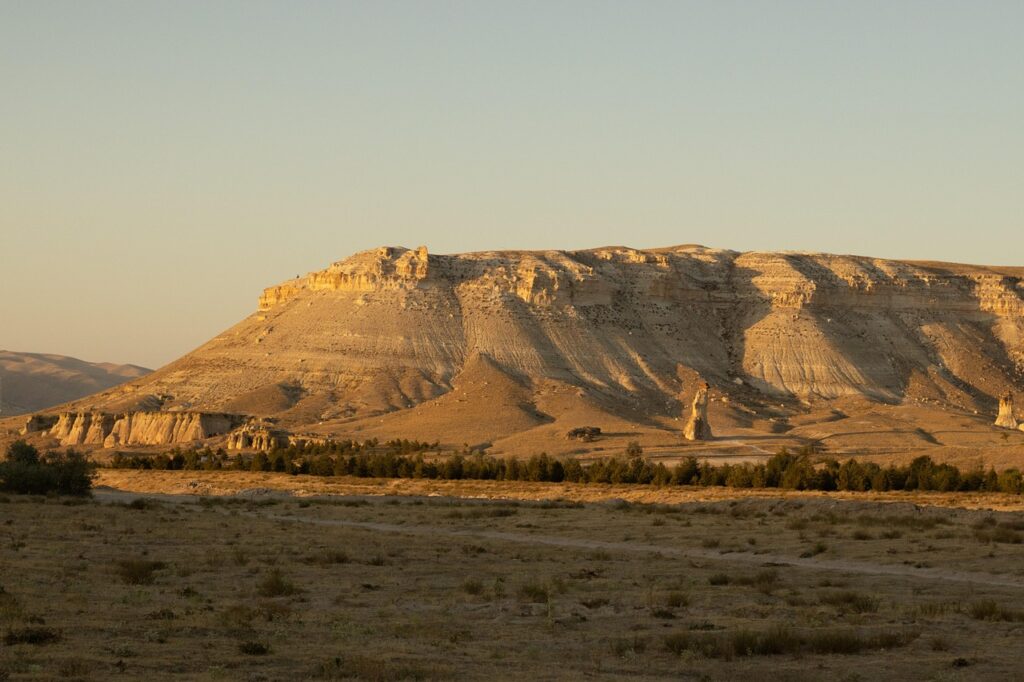
Spring in Eastern Anatolia comes slowly and late. March is still winter in most of the region, with snow on the ground and cold winds, and April brings the thaw: mud, rushing rivers, and the first green on the valleys. The high passes open gradually as the season advances.
May is the true turning point. The valleys turn green, the wildflowers appear in extraordinary numbers, and the lakes begin to welcome birds. The famous orchards of Malatya bloom, and the region begins to wake after its long sleep.
Spring travel is a gamble: early spring can still bring blizzards, while late May is often perfect, with clear air and green landscapes. The reward for early visitors is emptiness, the reward for May visitors is the region at its freshest.
Summer: Short and Bright (June to August)
Summer is the region’s gift, and it is shorter than travelers from the coasts expect. June brings settled warmth, July is the warmest month, with long, bright days, and August holds the summer’s fullness before the first cool nights of September.
The summer climate is superb for travel: clear skies, dry air, and daytime temperatures that are warm without being oppressive, though the sun at altitude is strong. Nights are cool, even cold in the mountains, and the light is extraordinary in the long evenings.
Summer is when the whole region opens: the mountain passes, the high valleys, the lakes, and the border country. It is the season when Eastern Anatolia shows its gentlest face, and for most travelers it is the obvious time to come.

Autumn: The Golden Window (September to November)
Autumn is arguably the finest season in Eastern Anatolia. September carries the summer’s warmth with cleaner air and fewer travelers, and October brings the golden transformation: the plateau turns brown and gold, the light softens, and the mountains stand out in perfect clarity.
The autumn weather is settled and dry, with crisp days and cold nights, and the visibility is unmatched. This is the season for photographers, for the great views of Ararat and the lake, and for the ancient sites, which sit empty in the golden light.
November brings the first serious cold and the return of winter, so the golden window is really September and October. For travelers who can manage it, it is the best of the region’s seasons.
Altitude and the Weather
Altitude is the master variable in Eastern Anatolia’s weather. The difference between the valley floors and the high passes can be dramatic: a warm day at fifteen hundred meters can be freezing at three thousand, and the mountain weather changes fast.
The high country is cold even in summer, with snow possible on the highest ground in any month, and the passes can be blocked by storms when the valleys are fine. The plateau’s cities sit lower and share a milder version of the same weather.
The practical rule is to plan around altitude: carry warm layers for the passes and the high views, check conditions before mountain roads, and accept that the weather will change as you climb. The variety is part of the region’s character.
Best Time for the Mountain Landscapes
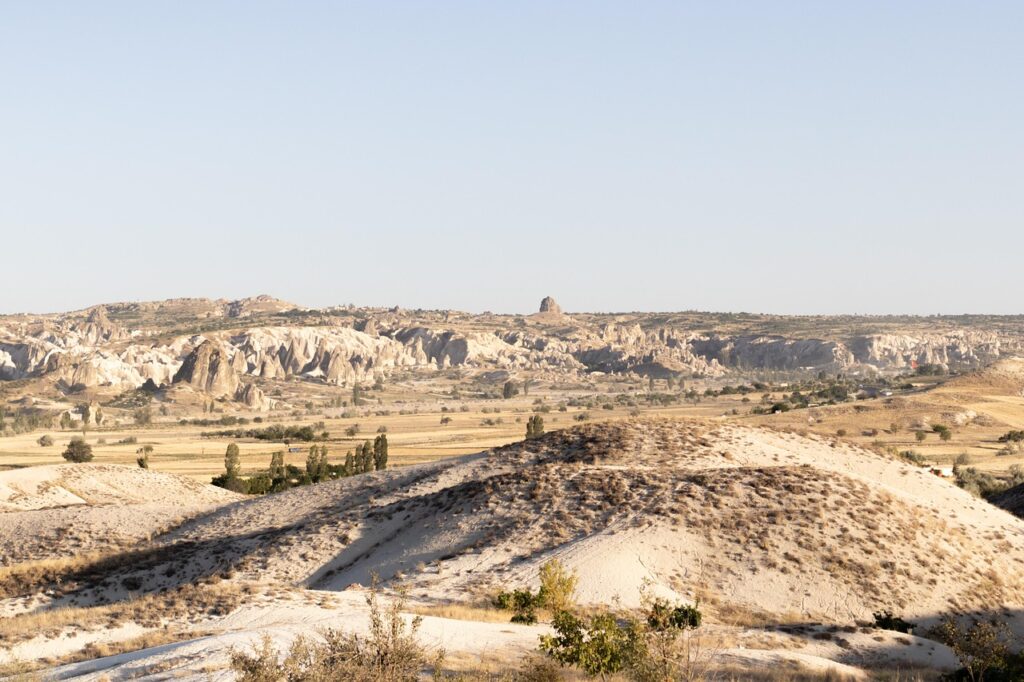
The great mountain landscapes of the region, from Ararat to the ranges around the lake, are best seen in summer and early autumn, when the passes are open, the snow is limited to the highest peaks, and the views are at their clearest.
June to October is the window for the high country, with September and October offering the best visibility and the golden light. The mountains are magnificent in winter, but they are a winter sports landscape then, not an easily traveled one.
For the classic viewpoints, from the ridge above Dogubeyazit to the roads around the lake, the settled weather of summer and autumn is the key. A clear day here is worth waiting for, and the region rewards patience.
Best Time for Lake Van and the Great Sites
Lake Van and the region’s ancient sites are best visited between May and October, when the roads are open and the weather is kind. The lake, with its changing colors and island churches, is at its most beautiful in the long light of summer and autumn, when the water is warm enough for the ferries and beach towns to come alive.
The archaeological sites, from the citadel of Van to the ruins of Ani, are summer and autumn destinations in practice, though spring offers green settings and winter offers drama for the hardy. The lake’s beaches and boats belong to the warm months.
For the fullest experience, plan the lake and the sites for June through September, when everything is open and accessible. The shoulder months of May and October offer quiet and lower prices, with only slightly less favorable odds.
Best Time for the Ski Resorts and Winter Sports
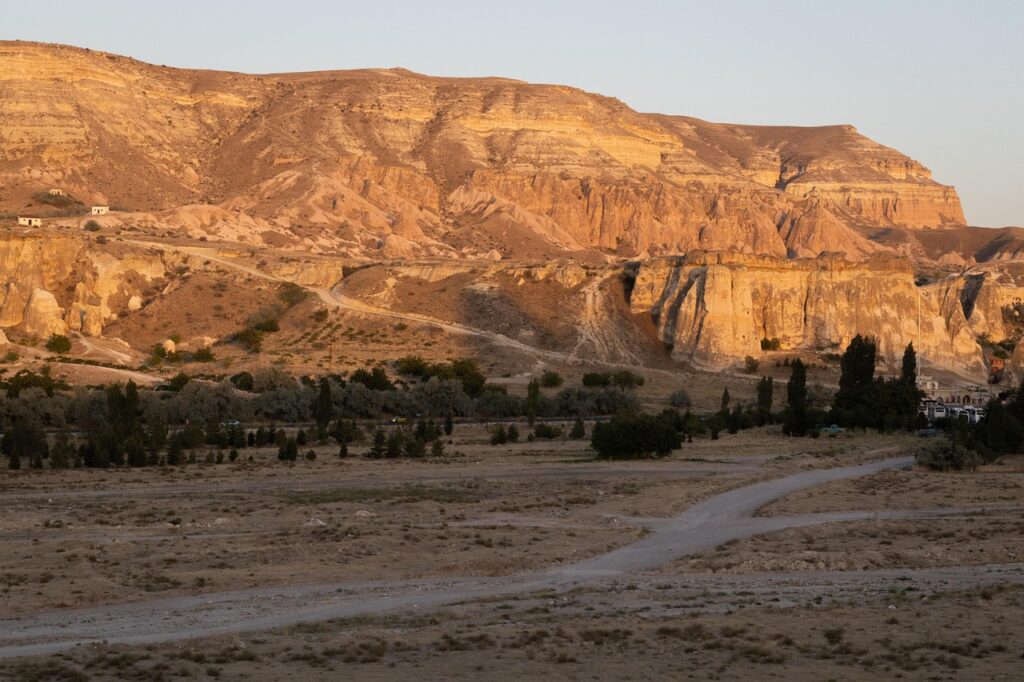
Eastern Anatolia’s winters are made for snow sports, and the region holds some of Turkey’s best-known ski areas. The slopes above Erzurum offer serious skiing with reliable snow, and the season typically runs from December into April.
The winter sports season is the region’s second life, drawing Turkish visitors to the resorts when the rest of the region sleeps. For skiers, the deep snow and the long season are the attraction, and the prices are far below the coastal resorts.
For non-skiers, the winter landscape is its own spectacle, from frozen lakes to snowbound villages, and the cities are cozy and welcoming. Winter travel here is a specialist’s choice, but a rewarding one.
Festivals, Crowds, and Seasonal Practicalities
The region’s calendar is shaped by its seasons. Summer brings the main travel season and the annual festivals, from cultural programs in the cities to local celebrations across the plateau, while winter belongs to the ski resorts and the region’s own life.
The practical essentials for any season: warm layers even in summer, especially for the high country; generous time for the vast distances; and flexibility, because the mountain weather can change any plan. The region’s hotels and transport thin out outside the summer season, so book ahead.
The honest summary is simple: May through October is the practical travel season, with the best months for most travelers being June, September, and October. Come in summer for access and warmth, in autumn for light and color, and in winter if you want the region at its most extreme. Whichever you choose, the plateau will leave a lasting impression.
Frequently asked questions
How cold does Eastern Anatolia get in winter?
The plateau is among the coldest places in Turkey, with night temperatures in the coldest weeks dropping far below freezing, and daytime highs often staying below zero as well. Snow lies deep on the ground for months. The cold is dry and the sun is bright, which makes it more bearable than the numbers suggest.
Can I travel to Eastern Anatolia in winter?
Yes, but plan carefully. The mountain passes close regularly, so rely on flights and trains between the main cities, and keep day trips short and within daylight. The cities are warm and welcoming in winter, and the snow landscape is spectacular, but flexibility is essential.
What is the best season for visiting the region overall?
For most travelers, June through September is the sweet spot: open roads, warm days, cool nights, and the whole region accessible. September and October add golden light and quieter sites. May works for green landscapes and flowers, and winter is for skiers and travelers who love deep snow.

All Over Information
The All Over Information editorial team researches and writes practical English-language guides to Turkey. Facts are checked against official and local sources before publication, prices are published as dated ranges rather than quotes, and guides are revised when things change. We accept no sponsored posts, paid placements or paid links.
More guides like this

Hidden Gems of the Black Sea Region
The Black Sea region is full of famous places, from the cliff-hugging Sumela Monastery to the tea terraces of Rize, and they…

Exploring the Black Sea Region: A Complete Travel Guide
The Black Sea region of Turkey is the country's greenest corner, a narrow coastal strip backed by steep mountains that catch the…
Exploring the Aegean Region: A Complete Travel Guide
The Aegean Region of Turkey is where the country's most storied history meets its most beautiful coastline.

Climate and Best Time to Visit the Central Anatolia Region
Central Anatolia is a high plateau, roughly a thousand meters above sea level, and its climate is one of extremes: cold winters,…

Best Cities and Towns in the Marmara Region
The Marmara Region packs an astonishing variety into its small territory: a world city, an Ottoman capital, a frontier town, and a…

Climate and Best Time to Visit the Black Sea Region
The Black Sea region is the rainiest corner of Turkey, and that single fact shapes everything about traveling there.