Eastern Anatolia is Turkey’s largest region, and its cities and towns are far apart, so choosing your bases well is the key to a successful journey. Each center has its own character: the fortress city of Erzurum, the lakeside bustle of Van, the frontier melancholy of Kars, and the apricot orchards of Malatya. None of them are resorts, and that is the point: these are working cities with real life, deep history, and remarkable hospitality. This guide introduces the region’s main centers and smaller towns, so you can build a route that fits your time, your interests, and your tolerance for mountain roads.
How to Choose Your Eastern Anatolia Base
Eastern Anatolia’s scale means you cannot base yourself in one place and see everything. The practical approach is to move through the region in a series of one- or two-night stops, choosing each base for what it opens up.
Erzurum anchors the north, Van anchors the east and the lake, and Kars serves the far frontier and the ruins of Ani. In the west of the region, Malatya and Elazig are the natural gateways from central Turkey, with their own histories and landscapes.
The region’s transport spine, along the main east-west roads and the railway, connects these centers, and flights link the biggest cities. Plan your route as a sequence of bases rather than a single point, and the distances become part of the adventure rather than a problem. The region rewards travelers who accept its scale and travel in daylight.
Erzurum: The Winter Capital
Erzurum is the largest city of the region and its historic heart, a high, cold city that has guarded the plateau’s eastern approaches for a thousand years. It is a working provincial capital, tough and warm-hearted, with a winter that shapes its character.
Its monuments are the finest Seljuk buildings in the region: the twin-towered Cifte Minareli medrese, the brickwork of the Yakutiye, and the citadel that crowns the old town. The covered market quarter and the hot springs on the city’s edge give it texture, and its food, built for the cold, is superb.
Erzurum is also a winter sports center, with one of Turkey’s main ski resorts above the city. For most travelers, it is the natural first or last stop of an eastern journey, and it deserves a full day.

Van City: Gateway to the Lake
Van is the liveliest city in the region, sitting on the shore of the great lake that bears its name, beneath the ancient Urartian citadel rock. The contrast between the deep blue water and the bare volcanic hills is the city’s setting, and it is unforgettable.
The city has a famous food culture, built around the legendary Van breakfast, and its streets and markets have a frontier energy. The citadel rock, with its inscriptions and temples, is the essential visit, and the lake’s boats and beaches spread out from the town.
Van is the natural base for the lake’s sights, from Akdamar Island’s carved church to the smaller islands and shore towns. It is the region’s most rewarding city to spend time in, and its people are among the friendliest in Turkey.
Kars: The Frontier Town
Kars is a city of the frontier, with a history that includes Armenian kingdoms, Ottoman rule, and a period under the Russian Empire that left it with a completely distinctive architecture: stone houses, wide streets, and a northern melancholy that feels like nowhere else in Turkey.
The city’s fort watches over the valley, its old buildings house museums and cafes, and its high pastures produce the famous local cheese, which is well worth seeking out. Kars has a quiet, literary atmosphere, and its position makes it the base for the ruined city of Ani, one of the great sites of the world.
Kars is the kind of place that grows on you. Give it an evening and a morning, eat well, and let the frontier mood settle in. It is the most atmospheric town in the region.
Dogubeyazit: Beneath Ararat
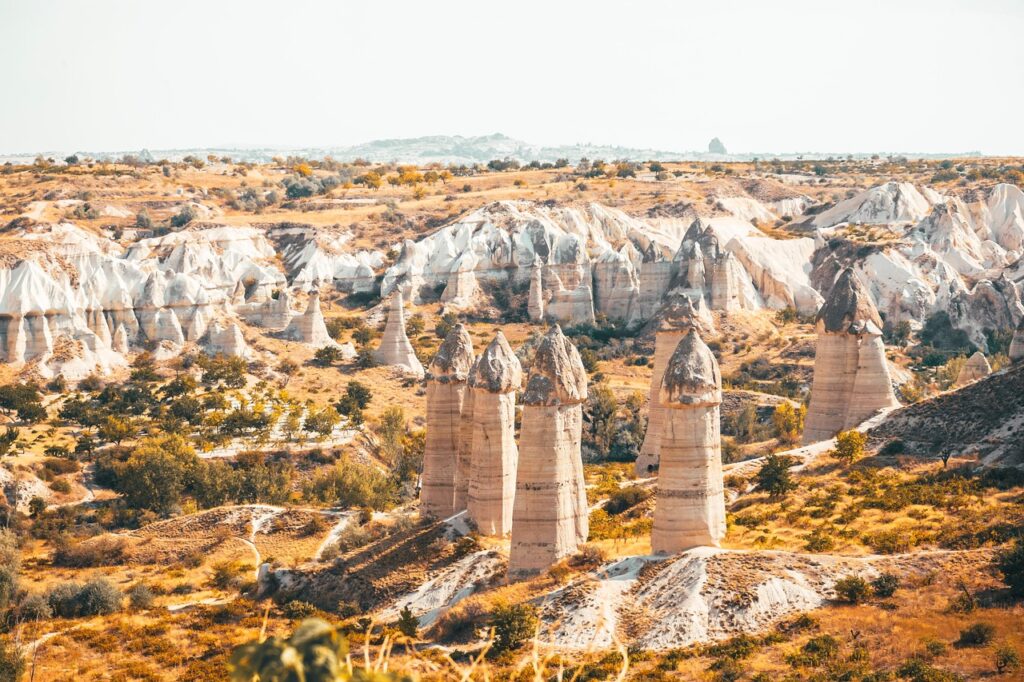
Dogubeyazit, in the far east near the Iranian border, is a town of one great sight and one great mountain: the ruined Ishak Pasa Palace, one of the most beautiful buildings in Turkey, and Mount Ararat, whose snow cone dominates every view.
The palace, perched on a ridge above the town, is a blend of Ottoman, Persian, and Armenian styles, with courtyards, domes, and carved stonework that repay a slow visit. The view across the plain toward Ararat is one of the great scenes of Anatolia.
The town itself is a working border town, lively and practical, with the region’s characteristic hospitality. It makes a fine overnight stop between Van and Kars, and for mountain lovers it is a destination in itself.
Malatya: The Apricot City
Malatya, in the western part of the region, is the world capital of apricots, and the orchards that surround the city color its entire identity. The dried apricots of the region are famous worldwide, and the harvest season brings the city to life.
The old town preserves a more traditional character, with mosques, markets, and the ruined citadel hill rising above it. Malatya is also the gateway to the great sites of the upper Euphrates, from the archaeological mounds of the region to the dramatic river gorges.
For most travelers, Malatya is the natural entry point from central Turkey, a gentle introduction to the east before the landscape grows wilder. It is a friendly, prosperous city with a distinctive local pride.
Elazig and the Euphrates
Elazig, further east along the Euphrates, is a modern city built around the lake formed by the great Keban Dam, and its surroundings hold a landscape of water and mountains that is entirely unexpected in the region.
The lake has created a new geography: long shorelines, ferry routes, and villages that were relocated when the waters rose. The old city of Harput, on a hill above Elazig, preserves the Ottoman past, with its castle, mosques, and the famous Harput houses, which are worth the climb alone.
Elazig works as a base for the western part of the region, with the Euphrates country and the mountains of the south within reach. It is less visited than the region’s bigger names, and that quiet is part of its appeal.
Bitlis and the Mountain Towns
Bitlis is one of the most dramatic towns in Turkey, climbing a steep valley between the mountains south of Lake Van, with a fortress, mosques, and old stone houses stacked on the slopes. Its setting is extraordinary, and its history is deep.
The town’s architecture, built from the local dark stone, gives it a severe, ancient beauty, and the Seljuk and Ottoman monuments along its main street repay a slow walk, with tea houses and markets adding to the atmosphere. The mountain roads around Bitlis offer some of the most spectacular scenery in the region.
Bitlis is a stop rather than a base for most travelers, but it is one of the most memorable places in Eastern Anatolia. The drive through its valley, beneath the fortress and the cliffs, is a highlight of any eastern journey.
Agri, Igdir, and the Border Country
The far eastern towns of Agri and Igdir serve the plain beneath Ararat and the border country toward Iran and Armenia. Agri is a modern provincial city, practical as a staging point, while Igdir, on the plain below the mountain, is known for its orchards and its views.
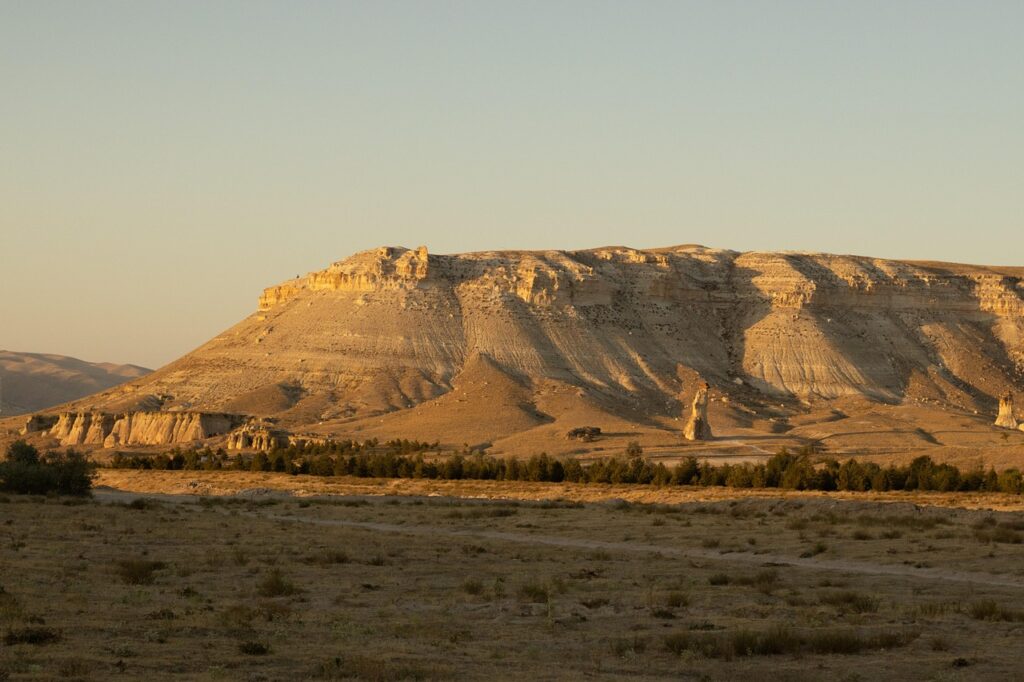
The border country has its own atmosphere: wide plains, customs posts, and a sense of being at the meeting point of empires. The roads here see few travelers, and the landscapes, dominated by Ararat, are magnificent.
For travelers making the full circuit of the region, these towns offer the practical links between Van, Dogubeyazit, and Kars. They are not destinations in themselves, but the country between them is some of the wildest in Turkey.
Building Your Eastern Anatolia Route
The classic route through the region starts in Malatya or Elazig in the west, moves east through Erzurum, and continues to Kars for Ani, then south to Van and the lake, finishing with Ararat and Dogubeyazit before heading back west or south. It is a loop of a week to ten days.
The distances are the planning challenge: each leg is several hours, and the mountain roads reward daylight driving. The railway, especially the Eastern Express to Kars, adds a legendary journey, and flights connect the main cities for those in a hurry.
Whatever your route, give each base a night at least, and let the region’s pace set your own. Eastern Anatolia is the most spacious region in Turkey, and the traveler who matches its rhythm sees the best of it. Rushing from city to city only adds fatigue; a relaxed loop reveals far more.
Frequently asked questions
Which city is the best base for Eastern Anatolia?
There is no single base, because the region is so vast. Van is the most enjoyable city to spend time in and the key to the lake, Erzurum anchors the north with the best connections, and Kars serves the frontier and Ani. Plan a sequence of stops rather than a single home base.
Is Kars worth a visit?
Absolutely. The city’s Russian-era architecture, frontier atmosphere, and excellent local cheese make it one of the most distinctive places in Turkey, and it is the only practical base for the extraordinary ruined city of Ani. Give it at least one full day, plus travel time.
What is the best way to travel between these cities?
A rental car offers the most freedom on the vast distances, and the roads are generally good outside winter. The Eastern Express train to Kars is a legendary journey worth planning around, and buses link all the main towns. In winter, check conditions carefully, as mountain passes can close.

All Over Information
The All Over Information editorial team researches and writes practical English-language guides to Turkey. Facts are checked against official and local sources before publication, prices are published as dated ranges rather than quotes, and guides are revised when things change. We accept no sponsored posts, paid placements or paid links.
More guides like this

Hidden Gems of the Marmara Region
Beyond the famous skyline of Istanbul and the grand mosques of Bursa, the Marmara Region hides a quieter world: lakeside towns, thermal…

Hidden Gems of the Eastern Anatolia Region
Eastern Anatolia is the least visited part of Turkey, so in a sense the whole region is a hidden gem.

Hidden Gems of the Black Sea Region
The Black Sea region is full of famous places, from the cliff-hugging Sumela Monastery to the tea terraces of Rize, and they…

Climate and Best Time to Visit the Marmara Region
The Marmara Region has a transitional climate, sitting where the Mediterranean, the Black Sea, and the continental interior meet.

Climate and Best Time to Visit the Black Sea Region
The Black Sea region is the rainiest corner of Turkey, and that single fact shapes everything about traveling there.
Exploring the Marmara Region: A Complete Travel Guide
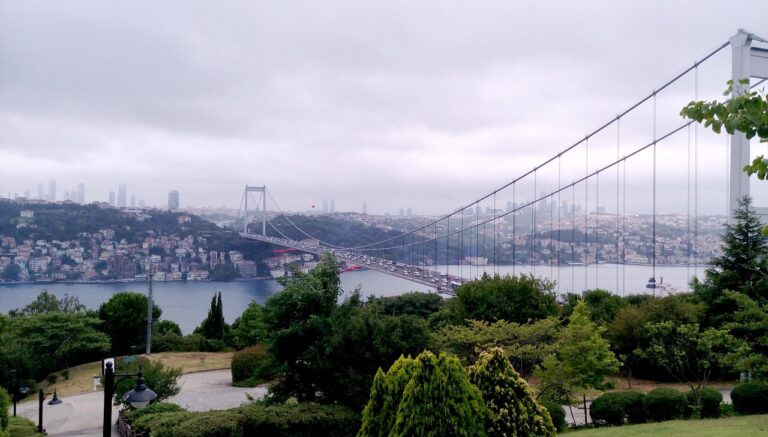
The Marmara Region is Turkey's smallest but most dynamic region, wrapped around the Sea of Marmara at the meeting point of Europe…