Sivas is a rewarding base for exploring the eastern Anatolian plateau, a vast, quiet landscape of rivers, mountains, and small towns where some of Turkey’s most unusual attractions hide in plain sight. Some of these day trips are long, some are gentle, but all of them show a side of Turkey that mass tourism never reaches. Here are the best ways to spend a day away from the city.
Divriği: The UNESCO Masterpiece
The grandest day trip from Sivas is also the longest. Divriği, about 180 kilometers to the east, holds the Ulu Cami and Darüşşifa, a mosque and hospital complex built between 1228 and 1243 that has been a UNESCO World Heritage Site since 1985.
Its fame rests on the stone portals, covered with geometric and floral carvings so intricate that no two motifs repeat. The architect Hürrem Şah of Ahlat designed the whole, and the result is widely considered one of the supreme achievements of medieval Islamic architecture.
The drive takes about three hours each way, so plan a full day: leave at first light, spend two hours at the monument, and return in the evening. Public buses and minibuses run the route, but a rental car makes the journey far more flexible.
Kangal: Dogs and Doctor Fish
Eighty kilometers east of Sivas, the town of Kangal is famous for two of the oddest attractions in Turkey. The Kangal shepherd dog, a massive white livestock guardian bred here for centuries, is one of the country’s most recognizable breeds and a source of fierce local pride.
Even stranger is the Balıklı Kaplıca, a thermal spring where small fish known as doctor fish nibble dead skin from bathers’ bodies. The tradition is centuries old and is regarded locally as a treatment for skin conditions, with visitors coming from across the country for repeated sessions.
You can visit the springs for the experience alone, or combine the dogs, the baths, and a simple lunch in town. The landscape en route, rolling plateau and river valley, is part of the pleasure.

Şarkışla: The Land of Aşık Veysel
West of Sivas, the quiet town of Şarkışla is hallowed ground for lovers of Turkish folk music. It is the home of Aşık Veysel, the blind folk poet and bağlama player whose songs, about love, nature, and the Anatolian earth, are known and loved throughout Turkey.
A small museum and the poet’s memory anchor the town, and the surrounding villages still carry the tradition of aşıks, traveling poet-singers who have kept the oral culture of the plateau alive for centuries. If you are lucky, you may hear live bağlama music over tea.
Şarkışla is a gentle half-day excursion, about an hour and a half from Sivas by road. Pair it with the scenery of the Kızılırmak valley and a village meal, and it becomes a deeply pleasant introduction to rural Anatolia.
Zara: Rivers and Villages
Northeast of Sivas, the district of Zara stretches along the upper reaches of the Kızılırmak and its tributaries, a green, watered landscape of poplar groves, orchards, and stone villages that feels a world away from the bare plateau around the city.
The town itself is a friendly market center, and the countryside around it rewards slow exploration: riverside picnic spots, old stone bridges, and village tea gardens where conversation is easy even across a language barrier.
Zara works well as a relaxed half-day or full-day trip, especially for travelers with a car who enjoy simply drifting. It is also a good place to buy the local honey and dairy products that the district is known for in the region.

Gürün: Canyons and Orchards
To the southeast, Gürün sits in a deep valley among the foothills of the Taurus, and its orchards and canyon scenery make it one of the prettiest corners of the province. Apples and other fruit are the district’s pride, and the surrounding cliffs are popular with walkers.
The town is old, with a castle and stone houses that hint at a long history as a trading post on the plateau. For visitors, the appeal is simple: fresh air, green valleys, and a very local lunch of produce from the surrounding farms.
Gürün is about two hours from Sivas, which makes it a slightly long day trip, but the road passes through genuinely lovely scenery, and the valley’s calm is a real contrast to the city.
Hafik and the Kızılırmak Valley
The most accessible escape from Sivas is the country east of the city, around the small town of Hafik, where the Kızılırmak winds through a green valley below the plateau. This is the classic Sivas countryside: trout streams, poplar lines, and the great river itself.
A day here is spent at its simplest: following the valley roads, stopping at riverside spots, eating a simple fish or meat lunch, and watching the light move across the hills. In summer, the valley is noticeably cooler than the city.
You do not need a destination, only a car and time. The roads are quiet, the villages are welcoming, and the river does what rivers do: it draws the eye and slows the clock.
Yıldızeli and the Northern Hills
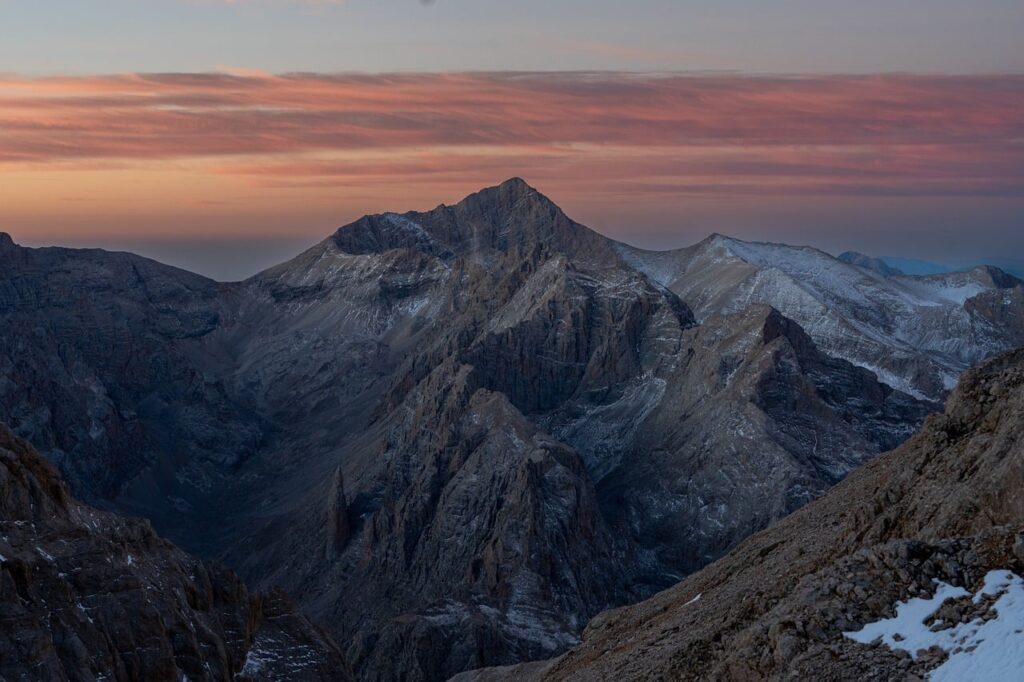
North of Sivas, the road toward Yıldızeli climbs through the hills that separate the plateau from the Black Sea watershed, a landscape of pine forest, high pastures, and stone villages. The town itself is a modest market center, and the region around it is made for walking.
In summer, the high pastures fill with grazing flocks, and the plateau meadows, dotted with wildflowers, are at their best. Winter turns the same landscape deep in snow, and the roads demand care.
This is the trip for travelers who want quiet and green rather than monuments. Bring walking shoes, a picnic, and time, and let the hills do the rest.
Ulaş and the Railway Country
Southeast of the city, the small district of Ulaş is railway country, where the old Ankara-to-the-east line crosses the plateau. The landscape here is pure steppe: long horizons, drifting clouds, and the occasional freight train threading through the emptiness.
The appeal is contemplative. A day spent crossing this country, watching trains, and stopping in small towns gives you the truest sense of the plateau’s scale and silence, the thing that first-timers to Turkey rarely experience.
Combine Ulaş with a loop back through Gürün or the valley roads for a full day of unhurried travel. The reward is not a sight but a feeling: the immense quiet of inner Anatolia.

How to Plan Your Day Trip
Whatever destination you choose, a little planning goes a long way. Fill up with fuel in Sivas, where the choice of stations is wide, carry water and snacks, and start early, because distances are real and the plateau sun and cold are both serious.
Public buses and minibuses cover the main towns, but a rental car transforms the experience, letting you stop at villages, bridges, and viewpoints that the bus rushes past. Check weather forecasts in winter, when snow can close the higher roads.
Finally, carry cash, because village restaurants and tea gardens do not always take cards, and remember that lunch in rural Anatolia is served early, usually by one o’clock. Plan your day around that rhythm, and everything will go smoothly.
The Eastern Express: A Rail Adventure
For travelers who love trains, the historic Eastern Express offers a day trip with a difference. The slow overnight service between Ankara and Kars passes through Sivas, and riding a segment of it, even just to the next town, gives you the plateau at its most cinematic.
The line crosses long viaducts, threads river valleys, and climbs the bare eastern plateau, with villages and stations that have barely changed since the route opened in the 1930s. It is the most atmospheric way to see the country between Sivas and Divriği.
Check current schedules carefully, because the service pattern changes with the seasons, and book your seat in advance. Combine a rail segment with a return by bus or car for a loop that shows the landscape from two very different speeds.
Seasons and Timing for Day Trips
The plateau seasons shape every excursion from Sivas. From May to June, the landscape is at its greenest, with wildflowers on the pastures and the rivers running full; this is the best window for valley drives and village walks.
September and October bring golden light, harvest markets, and comfortable temperatures, while July and August are hot on the bare plateau, best taken early in the day. Winter, from December to February, turns the country deep in snow, and the higher roads can close, so check conditions before heading out.
Whatever the season, start early and plan lunch around one o’clock, when the village kitchens are at their best. The distances are real, and the reward for an early start is the plateau’s finest light and emptiest roads.
Half the pleasure of a Sivas day trip is the stopping. The plateau is dotted with small pleasures: stone bridges over the Kızılırmak, roadside tea gardens, village bakeries selling fresh bread, and seasonal fruit stalls along the main roads.
Keep an eye out for the old caravanserais and hans that survive along the former trade routes, quiet stone courtyards where silk, spice, and wool caravans once rested. Many are unmarked and overgrown, which makes finding one feel like a genuine discovery.
The local rule is simple: when something catches your eye, stop. A ten-minute pause at a village spring or a bridge will stay with you longer than any itinerary, and it costs nothing but a little time.
Frequently asked questions
Which day trip from Sivas is the most worthwhile?
Divriği is the standout, with its UNESCO-listed mosque and hospital and its unmatched stone carving, but it demands a full day of driving. For a gentler option, Kangal offers the famous shepherd dogs and the doctor fish springs.
How far is Divriği from Sivas?
Roughly 180 kilometers, about a three-hour drive each way. Most visitors make it a long day trip from Sivas, leaving early and returning in the evening, though a very small number stay overnight in Divriği itself.
Do I need a car for day trips from Sivas?
Not strictly. Public buses and minibuses serve the main towns, including Divriği and Kangal. However, a rental car makes the trips far more flexible, allowing you to stop at villages and viewpoints along the way, and it is essential for the more exploratory routes.

All Over Information
The All Over Information editorial team researches and writes practical English-language guides to Turkey. Facts are checked against official and local sources before publication, prices are published as dated ranges rather than quotes, and guides are revised when things change. We accept no sponsored posts, paid placements or paid links.
More guides like this

A First-Timer’s Guide to Sivas
Few Turkish cities reward the curious traveler as generously as Sivas, yet most visitors rush past it on the way to Cappadocia…
History and Culture of Sivas
Sivas is one of the most historically layered cities in Turkey, a place where Seljuk scholarship, Ottoman provincial life, and the birth…
Top Things to Do in Sivas
Sivas is one of central Anatolia's most rewarding cities, and nearly all of its highlights sit within a compact, walkable old town.

Best Local Food in Sivas
Sivas sits on a high plateau where winter lasts half the year, and its cuisine is the delicious consequence: warming soups, hand-cut…
Where to Stay in Sivas
Sivas is a compact city, and the good news for visitors is that nearly everything worth seeing sits within a small historic…