For several weeks every summer, the Aegean city of Izmir hosts one of Turkey’s most elegant cultural events, the International Izmir Festival. Since the late 1980s, the festival has brought world-class classical music, ballet, and opera to the city, with performances staged in settings that are themselves unforgettable: ancient theatres, historic fortresses, and open-air venues along the Aegean coast. For a foreign visitor, the festival is a rare combination of high culture and Mediterranean pleasure, music under the stars in one of the loveliest regions of Turkey. This guide shows you how to experience it.
Understanding the Festival
The International Izmir Festival is an annual event held in Izmir, Turkey’s third-largest city, on the Aegean coast. It was founded in the late 1980s and has grown into one of the most respected cultural festivals in the eastern Mediterranean.
The programme centres on classical music, with symphony orchestras, chamber ensembles, and celebrated soloists from around the world. Ballet and opera companies also appear, along with jazz and world music acts in recent editions.
The festival’s defining feature is its venues. Performances take place in ancient theatres, historic buildings, and spectacular open-air settings, and the setting is as much part of the experience as the music.
The festival runs in June and July, drawing audiences from across Turkey and from abroad. For many visitors, it is the highlight of a summer spent on the Aegean coast.
When the Festival Takes Place
The festival is held every year in the summer, with the programme running for roughly three weeks in June and July. The exact dates vary from edition to edition and are announced in advance.
The performances are concentrated in the evenings, when the summer heat gives way to the cool of the night and the open-air venues come into their own. The concerts typically begin after sunset.
The summer timing is part of the festival’s charm. The Aegean weather is at its best, the sea is warm, and the region’s beaches and towns are in full season. The festival adds a cultural layer to a classic summer holiday.
If you plan to attend, allow several days, and book your accommodation early, as the festival period is one of the busiest of the Izmir summer.
The Venues
The festival’s venues are its signature. The most celebrated is the ancient theatre at Ephesus, a magnificent Roman amphitheatre where concerts are staged among the ruins under the open sky.
Other performances take place in the historic venues of Izmir itself, including old buildings and cultural centres in the city centre. The city’s waterfront provides the setting for some events.
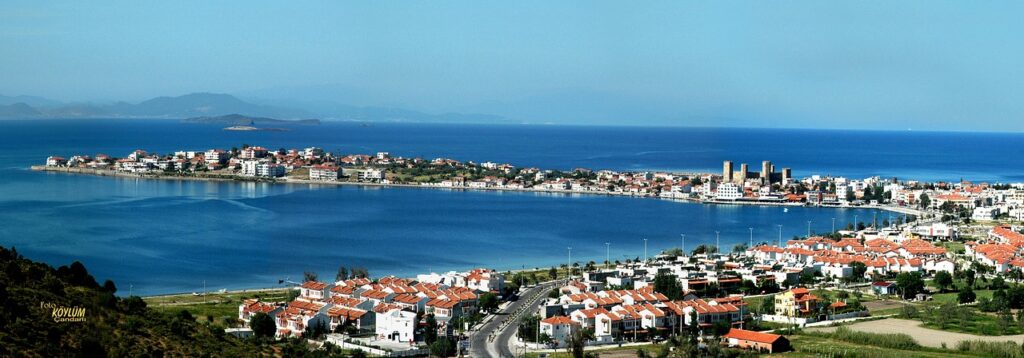
Further afield, the festival uses venues along the Aegean coast, from the castle and harbour settings of the peninsula towns to the ancient sites scattered through the region. Each venue has its own atmosphere.
For the visitor, the venues are destinations in themselves. The journeys to the ancient theatres and the coastal settings are part of the festival experience, and the music is heard against the most beautiful backdrops.
Getting There and Around
Izmir is well connected by air, with flights from Istanbul and other Turkish cities, and from international hubs in summer. The city’s airport lies close to the centre, and the journey is short.
The festival venues are spread across the city and the surrounding region. Within Izmir, taxis and the city’s transport network reach the central venues easily.
The venues beyond the city, such as the ancient theatre at Ephesus, are reached by road, and the festival provides transport or directions for ticket holders. The journeys along the Aegean coast are part of the pleasure.
A hire car gives you the freedom to combine the festival with the region’s sights, and the distances are manageable. Alternatively, the organised excursions from the city are simple and reliable.
Buying Tickets
Tickets for the festival are sold through the festival’s box office and the standard ticketing channels, both online and in the city. The online sale opens before the festival begins.
The prices vary with the venue and the artist, and the open-air concerts at the great ancient theatres are the most sought after. Reduced rates are available for students.
For a foreign visitor, buying online in advance is the simplest option, and the ticketing systems accept international cards. The most popular nights, especially at Ephesus, sell out well ahead.
If you are flexible, tickets are often available close to the performance dates, and the box office in the city centre is helpful. The festival staff are accustomed to international visitors.
The Performances
The festival’s programme spans the classical repertoire, from symphony concerts and chamber music to opera and ballet. The international artists who appear are among the finest of their generation.
The opening and closing nights are the grand occasions, with major orchestras and celebrated soloists. The mid-festival programme is more varied, with recitals, chamber evenings, and special collaborations.
The concerts at the ancient venues are the festival’s crown. Hearing a symphony in a Roman theatre, with the ruins around you and the stars above, is an experience that stays with you.
The festival also programmes jazz and world music, and these evenings are often the most relaxed. The variety means there is something for every taste across the festival’s weeks.
The Festival Atmosphere
The atmosphere of the festival is elegant and relaxed in equal measure. The audiences dress up for the great evenings, yet the mood is Mediterranean and warm.
The outdoor concerts have a particular magic. The sun sets over the Aegean, the lights come up among the ruins, and the music begins as the night settles in. The interval brings wine and conversation under the stars.
The festival is a social season for the Aegean region, and the audiences include visitors from across Turkey and abroad. The conversations between the acts are part of the occasion.
For the visitor, the festival offers a glimpse of the region’s summer life at its most refined, and the atmosphere is welcoming to newcomers.
Practicalities for Visitors
The practical side of the festival is straightforward. Buy your tickets, dress for the summer nights, and arrive in good time, as the outdoor venues have their own entry routines.
The evenings by the coast can be cool even in summer, and a light layer is worth carrying for the open-air concerts. Comfortable shoes matter for the ancient sites, where the seating is often stone.
The festival provides programmes, and the printed materials include English for the international visitors. The staff at the venues are helpful and used to questions.
Bring a picnic spirit for the intervals at the outdoor concerts, where the queues for refreshments can be long. The setting is informal, and the enjoyment is part of the experience.

Language and Communication
The festival is easy to attend without speaking Turkish. The announcements are in Turkish, but the music needs no introduction, and the printed programmes include English.
The festival’s staff and volunteers are welcoming and accustomed to foreign visitors, and they will help with directions and questions. The ticket office in the city centre speaks English.
In the city itself, English is more common than in much of Turkey, and the Aegean coast is used to international visitors. A few words of Turkish are always appreciated.
The music itself is the common language, and the shared pleasure of the performances makes the festival an easy place for a foreign visitor to feel at home.
Combining the Festival with the Region
The festival is best enjoyed as part of a wider visit to the Aegean region. Izmir itself is a lively, attractive city, with a grand waterfront, a rich food culture, and easy access to the surrounding coast.
The ancient sites of the region are world-class: Ephesus, the most famous, is joined by the ruins at Pergamon, Sardis, and the many smaller sites along the coast. The festival’s venues at these sites make the music and the history one experience.
The beaches and seaside towns of the Aegean, from Cesme to the peninsula resorts, are a short drive from the city, and the sea is warm through the festival season.
A festival visit can easily become a two-week holiday, with the concerts giving structure to days of sightseeing, swimming, and dining along one of the most beautiful coasts in the Mediterranean.
Meeting People and Sharing the Experience
The festival is a sociable occasion, and the intervals and the evenings after the concerts are full of conversation. The audiences are curious about international visitors, and the shared pleasure of the music makes connection easy.
The artists are approachable, and at the smaller events they often mingle with the audience. A word of thanks is appreciated, and the encounters are part of the festival’s charm.
The festival community is tight-knit, and the regulars return year after year. Their stories of past editions, of nights at Ephesus and performances in the castle settings, add a layer to the experience.
For solo travellers, the festival is a good companion. The evenings have structure, the setting is beautiful, and the audiences are friendly.
Making the Most of Your Visit
To get the best of the festival, choose a mix of performances: a grand night at an ancient theatre, a chamber concert in the city, and a discovery you know nothing about.
Book the headline events early, and leave room in your schedule for the smaller concerts. The intimate evenings are often the most memorable.
Spend your days exploring the region, and let the evenings be for music. The contrast between the ancient stones by day and the concert lights by night is the festival’s own magic.
And allow time simply to enjoy the coast. The festival is a summer pleasure, and the sea, the food, and the long evenings are as much part of the experience as the concerts.
Frequently asked questions
When does the International Izmir Festival take place?
The festival is held every year in the summer, running for about three weeks in June and July. The exact dates are announced in advance, together with the programme of performances and the ticket sale dates.
Where are the festival’s performances held?
The performances take place in a range of venues, from the historic halls of Izmir to spectacular open-air settings. The most celebrated is the ancient theatre at Ephesus, where concerts are staged among the Roman ruins, and other venues lie along the Aegean coast.
How do I buy tickets as a visitor?
Tickets are sold online through the festival’s ticketing channels, which accept international cards, and at the festival box office in Izmir. The most popular concerts, especially those at the ancient theatres, sell out early, so it is best to book in advance.

All Over Information
The All Over Information editorial team researches and writes practical English-language guides to Turkey. Facts are checked against official and local sources before publication, prices are published as dated ranges rather than quotes, and guides are revised when things change. We accept no sponsored posts, paid placements or paid links.
More guides like this
When and Where to See the Istanbul Biennial
The Istanbul Biennial transforms the city every two years, and seeing it is a matter of planning rather than luck.

The History and Meaning of the Istanbul Tulip Festival
The Istanbul Tulip Festival turns the city into a garden every April, but the story behind the flower is far older than…

Experiencing Ramadan in Turkey as a Foreign Visitor
Ramadan is the holiest month of the Islamic calendar, and in Turkey it transforms daily life in ways that every visitor notices.

The History and Meaning of the Istanbul Film Festival
The Istanbul Film Festival has grown from a small cinematic gathering into one of the most important cultural events in Turkey and…
When and Where to See the Istanbul Film Festival
The Istanbul Film Festival fills the cinemas of the city every April with the best of world and Turkish cinema, and attending…
Experiencing the Istanbul Film Festival as a Foreign Visitor
Every spring, Istanbul transforms into a city of cinema as the Istanbul Film Festival fills its screens with the best of world…