Kalkan is the photographer’s town, and the whitewashed houses, the turquoise bay, the bougainvillea-covered lanes, and the dramatic sunsets give the endless material. The town photographs beautifully at every hour, and the region around it adds the ruins, the beaches, and the mountains. This guide covers the photography spots of Kalkan that you can’t miss, with the practical notes for the best light and the best angles.
The Rooftop View over the Bay
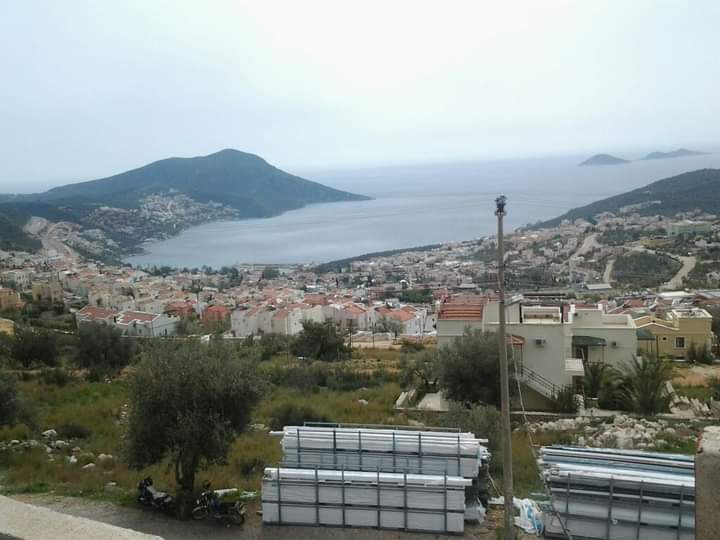
The rooftop view over the bay is the defining image of Kalkan, and it is the first photograph the visitor takes. The view from the hillside above the town shows the whitewashed rooftops tumbling toward the harbor, the turquoise water of the bay, and the mountains beyond; the terraces of the hotels and the bars give the vantage points, and the golden hour turns the scene into the postcard. The rooftop photograph is the classic one, and the wide-angle lens captures the sweep of the town.
The practical note: the late afternoon gives the best light, with the sun warming the white houses; the sunset adds the color, and the blue hour after it gives the lights of the town; and the high viewpoint compresses the layers of the town, the bay, and the mountains.
The Harbor at the Blue Hour
The harbor of Kalkan photographs best in the blue hour, when the last light leaves the sky and the boats and the restaurants turn on their lights. The moored boats, the lights reflecting on the water, and the hillside houses glowing above make the atmospheric scene; the long exposure smooths the water and turns the lights into the streaks; and the evening scene is the one the visitor frames from the waterfront. The harbor at the blue hour is the essential Kalkan photograph.
The practical note: the blue hour comes about twenty minutes after the sunset, and the tripod helps for the long exposures; the reflections on the water double the lights, and the low angle at the water’s edge gives the best composition; and the crowds thin as the evening settles.
The Old Town Lanes
The lanes of the old town are the endless source of the photographs, and the wanderer frames the shots at every turn. The whitewashed houses with the blue shutters, the bougainvillea cascading over the walls, the cobbled steps, and the little squares give the compositions; the cats, the doorways, and the hanging plants add the details; and the morning light and the evening light bring out the textures of the stone and the whitewash. The old-town photography is the walking photography, and the lanes give the variety.
The practical note: the early morning gives the empty lanes and the soft light, and the photographers get the streets to themselves; the details — the doorways, the bougainvillea, the shadows — make the best frames; and the vertical compositions suit the narrow lanes.
The Sunset from the Western Headland
The sunset over the water is the daily show of Kalkan, and the western headland gives the unobstructed view. The far side of the bay, the points beyond the town, and the elevated spots along the coastal road look out over the water as the sun drops; the oranges, the pinks, and the purples reflect on the sea, and the silhouettes of the boats and the headlands frame the scene; and the sunset photographs of the region are the ones that win the hearts. The western viewpoint gives the sunset without the buildings in the way.
The practical note: the sunset times change through the year, and the arrival comes ahead for the good spot; the graduated filters or the bracketing handle the bright sky and the dark sea; and the silhouette shots — the boats, the figures, the rocks — make the striking images.

Kaputaş Beach from the Road
Kaputaş Beach gives the dramatic photograph, and the view from the road above is the iconic one. The turquoise water fills the narrow cove between the cliffs, the beach curves in the crescent, and the color of the water is the almost unreal one; the view from the road, high above, shows the whole cove in the frame; and the descent to the beach gives the closer shots of the water and the pebbles. Kaputaş is the postcard image of the Turkish coast, and the photograph is the essential one.
The practical note: the midday sun gives the brightest turquoise, though the shadows of the cliffs fall in the afternoon; the viewpoint from the road is the easy one, and the pull-off gives the parking; and the drone shots are the regulated ones in the area, and the check comes before the flying.
The Ancient Sites in the Golden Light
The ancient sites of the region photograph beautifully, and the ruins in the golden light make the dramatic images. The columns of the Apollo Temple at Side, the theater at Patara, the tombs of the Lycian sites — all of them come alive in the low light of the morning and the evening; the warm light on the stone, the long shadows, and the sky behind the columns give the compositions; and the emptiness of the sites in the early hours gives the clean frames. The ancient-world photography of the region is the rewarding one.
The practical note: the golden hour — the first and the last hour of the daylight — gives the best light on the stone; the sites open early, and the morning visits give the light and the emptiness; and the wide and the detail shots both work, with the columns and the textures as the subjects.

The Mountains and the Hinterland
The mountains behind Kalkan give the landscape photographs, and the views from the roads and the villages are the sweeping ones. The snow-capped peaks in the winter, the pine forests, the valleys, and the terraced fields make the landscapes; the viewpoints along the mountain roads look out over the coast and the sea beyond; and the winter light on the mountains is the dramatic one. The hinterland photography gives the contrast to the coast, and the mountains frame the region.
The practical note: the mountain roads give the pull-offs and the viewpoints; the morning and the evening light models the mountains best; and the telephoto brings the distant peaks and the details into the frame.
The Lycian Way Trails
The Lycian Way gives the walking photography, and the trails above the coast offer the views that the roads miss. The sections around Kalkan climb above the sea, and the viewpoints over the bays, the coves, and the headlands open along the path; the wildflowers of the spring, the goats on the trail, and the ancient stones add the subjects; and the light on the sea from the height is the special one. The trail photography combines the walking and the shooting, and the rewards come at the viewpoints.
The practical note: the morning light gives the clearest air and the longest views; the water and the sun protection come along for the longer walks; and the wide shots from the height capture the coastline in the sweep.

The Villages and the Local Life
The villages of the region give the photographs of the local life, and the authenticity is the subject. The village squares, the tea houses, the old men playing the backgammon, the children, and the daily routines make the candid images; the stone houses, the gardens, and the mountain settings give the settings; and the respectful photography — the asking, the smiling, the tea shared — opens the doors. The local-life photography of the region gives the different record of the stay, and the images carry the warmth.
The Practical Notes for the Photographers
The practical notes for the Kalkan photographers: the golden hours — the first and the last hour of the daylight — give the best light, and the midday sun is the harshest; the tripod helps for the blue hour and the long exposures; the walking shoes serve the lanes and the trails; and the drone flying follows the local regulations, with the check before the takeoff. The camera of the Kalkan visitor comes out often, and the town delivers the images.
The Takeaway
Kalkan gives the photographer the full range: the rooftops over the bay, the harbor at the blue hour, the lanes of the old town, the turquoise coves, the ancient ruins, and the mountains behind. The light of the region is the generous one, and the subjects change with the hour. The camera of the visitor to Kalkan comes out often, and the photographs carry home the beauty of the Mediterranean town.
Frequently asked questions
What is the best photography spot in Kalkan?
The rooftop view over the bay, and the harbor at the blue hour.
What is the best time for photos in Kalkan?
The golden hours around the sunrise and the sunset, and the blue hour after the sunset.
Can I fly a drone in Kalkan?
The drone use follows the Turkish regulations and the local restrictions, and the check comes before the flying.
Where can I photograph the sunset in Kalkan?
The rooftops of the town, and the western headland across the bay.
Is Kaputas Beach worth photographing?
Yes — the turquoise cove from the road above is one of the iconic images of the Turkish coast.

All Over Information
The All Over Information editorial team researches and writes practical English-language guides to Turkey. Facts are checked against official and local sources before publication, prices are published as dated ranges rather than quotes, and guides are revised when things change. We accept no sponsored posts, paid placements or paid links.
More guides like this
The Best Day Trips from Kalkan
Kalkan sits in the middle of one of the richest stretches of the Turkish coast, and the day trips from the town…
Family-Friendly Activities in Kalkan
Kalkan suits the family holiday beautifully, and the town offers the beaches, the boat trips, the swimming, and the relaxed evenings that…
A Solo Traveler’s Guide to Kalkan
Kalkan is the elegant, the safe, the walkable town that suits the solo traveler beautifully, and the Mediterranean atmosphere rewards the traveler…

A Foodie’s Guide to Kalkan
Kalkan is the small town with the outsize food scene, and the foodie finds a remarkable concentration of the good eating in…
How to Get to Kalkan from Istanbul
The journey from Istanbul to Kalkan crosses the country from the Marmara Sea to the Mediterranean coast, and the routes divide between…

Hidden Gems of Kalkan Most Tourists Miss
Kalkan gives its best to the visitors who look a little further, and beyond the harbor restaurants and the famous beaches lies…