Avanos shows its famous face to every visitor — the pottery, the river, the old town — but the town and its surroundings keep the secrets close. The hidden Avanos is the quieter workshops, the back lanes, the lesser viewpoints, the local rituals, and the corners that the tour schedules skip. These are the hidden gems of the town and the region, the spots that reward the curious and the early.
The Back-Lane Workshops
The famous workshops of Avanos line the main streets, but the back-lane workshops are the hidden craft of the town. The smaller ateliers, tucked into the lanes behind the river, work the clay without the showroom polish: the potters at the wheels, the kilns firing, and the pieces drying on the racks. The back-lane workshops welcome the curious, and the watching is the deeper view of the craft — the work without the performance, the daily production of the town’s art. The pieces from the back lanes often carry the better prices, and the finding is the pleasure.
The back-lane workshops also include the specialists: the potters who work the traditional forms, the painters who decorate the glazes, and the young artists who experiment with the modern shapes. The hidden workshops of Avanos are the town’s craft in its working state, and the traveler who follows the lane sounds finds the art behind the showrooms.

The Riverside Backstreets
The riverside backstreets of Avanos — the lanes between the river and the old town — are the hidden corners that the visitors rarely walk. The alleys hold the old houses, the gardens, the workshops’ back doors, and the quiet life of the town: the cats on the walls, the washing on the lines, the old men at the tea tables. The backstreets give the real Avanos, the town behind the tourist face, and the walking is the discovery. The riverside backstreets are also the shortcut routes and the hidden photo positions, and the traveler who wanders them sees the town’s daily life.
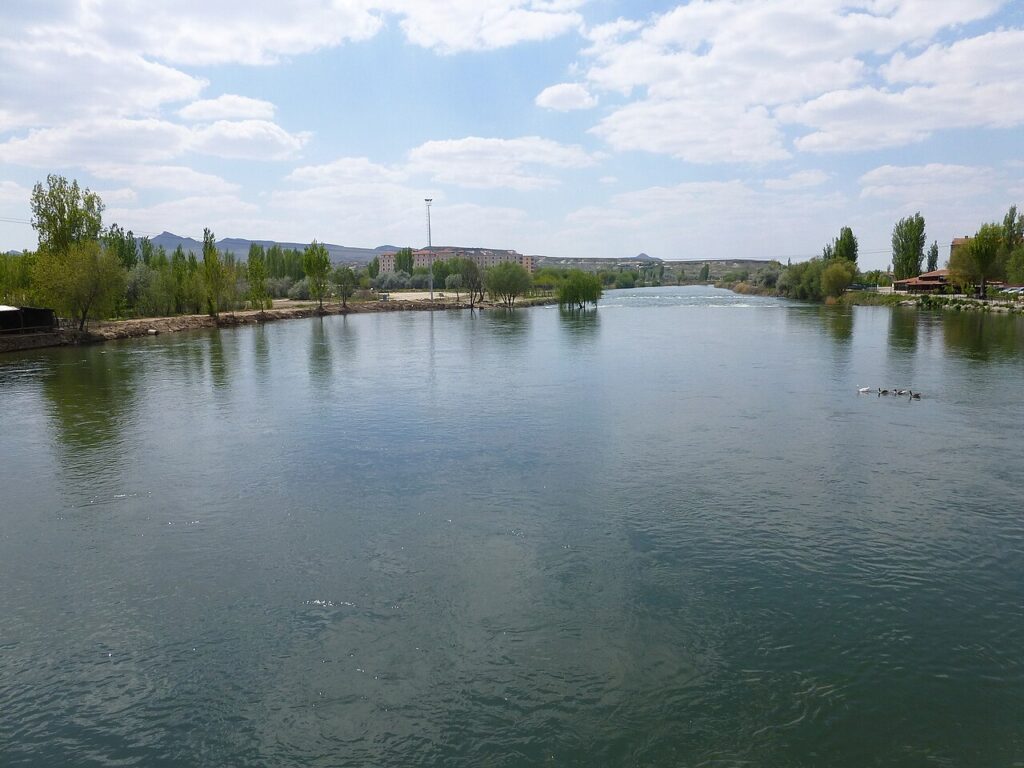
The riverside backstreets also include the water’s edge itself: the lesser banks beyond the main promenade, where the willows hang over the water and the fishermen sit with the rods. The hidden banks give the quiet river views and the picnic spots, and the sunset from the lesser banks is the private show. The riverside backstreets of Avanos are the town’s quiet layer, and the wanderer finds the peace behind the bustle.

The Hilltop Viewpoints
The hilltop viewpoints of Avanos, above the town, give the panoramas that the river level cannot. The hills rise behind the town, and the paths to the tops give the views over the rooftops, the river, and the surrounding valleys: the Kızılırmak winding below, the fairy chimneys on the horizon, and the town laid out like the map. The hilltops are the hidden positions of the photographers, and the sunsets from the heights are the golden-hour shows that the riverbanks cannot match.
The hilltop viewpoints also include the surroundings of the town: the ridges toward the neighboring villages, the valley edges, and the open fields of the plateau. The walks to the viewpoints take the half-hour each way, and the rewards are the panoramas and the peace. The hilltop viewpoints of Avanos are the town’s hidden heights, and the traveler who climbs them sees the town from the top.
The Sarıhan and the Old Caravanserais
The old caravanserais of the Avanos area are the hidden monuments of the trade routes, and the Sarıhan — the Seljuk-era caravanserai on the edge of the town — is the grandest of them. The stone complex, built in the thirteenth century to shelter the caravans of the Silk Road, stands restored and open: the great hall, the courtyard, and the carved portals of the Seljuk architecture. The Sarıhan hosts the events and the dervish ceremonies, and the visit gives the glimpse of the region’s trading history. The caravanserai is the hidden cultural gem of the Avanos area, and the stone halls hold the centuries.
The other caravanserais of the region — the Öresin and the Alay Han on the roads toward the south — add the further glimpses, and the drives between them trace the old trade routes. The caravanserais of the Avanos area are the hidden monuments of the plateau, and the traveler who seeks them reads the region’s history in the stone.

The Vineyards and the Fields
The vineyards and the fields around Avanos are the hidden countryside of the town. The volcanic soil of the region grows the grapes of the local vineyards, and the fields spread between the town and the villages; the walks and the drives through the countryside give the rural Cappadocia that the tourist circuits skip. The vineyards open in the harvest season, the orchards bloom in the spring, and the farmers work the fields through the year. The countryside of Avanos is the hidden layer of the region, and the traveler who leaves the river for the fields finds the working landscape.
The countryside also includes the villages beyond the town: the smaller settlements with the old houses, the mosques, and the local life, reached by the short drives and the dolmuş routes. The countryside of Avanos is the region’s quiet heart, and the wanderer through the fields and the villages sees the Cappadocia beyond the pottery and the postcards.
The Local Rituals
The hidden Avanos shows itself in the local rituals. The morning deliveries of the clay to the workshops, the firing of the kilns on the schedule, and the tea breaks of the potters — the rituals of the craft are the town’s daily rhythm. The river rituals — the morning fishermen, the evening promenades, the tea gardens filling at the dusk — are the town’s social life. And the market mornings, the mosque calls, and the seasonal festivals mark the town’s calendar. The rituals of Avanos are the town’s daily life, and the traveler who stays through the day sees the Avanos that the visitors share with the residents.
The local rituals also include the seasonal ones: the harvests of the vineyards and the orchards, the pottery festivals of the town, and the celebrations of the region. The hidden rituals of Avanos are the town’s rhythm, and the traveler who slows to it — the morning kilns, the riverside evenings — sees the daily life that the postcards crop out.
The Hidden Gems in the Seasons
The hidden Avanos changes with the seasons, and each season gives the hidden sites a different face. The spring brings the green to the fields and the orchards — the back-lane workshops open their courtyards, and the hilltop viewpoints look over the blossoming countryside. The summer brings the long light, and the hidden banks and the lesser viewpoints are the cool evening spots. The autumn brings the golden hour, and the hidden viewpoints are the photographers’ secret — the low sun paints the river and the rooftops in the warm colors. The winter brings the quiet, and the hidden Avanos is at its most intimate — the back lanes empty, the kilns warm against the cold, and the tea gardens cozy. The hidden gems in the seasons are the town’s variations, and the returning traveler sees a different secret each time. Whatever the season, the constants hold: the kilns burn, the river flows, and the back lanes keep their quiet life — and the hidden Avanos is always there for the wanderer who leaves the main streets behind.
The Takeaway
The hidden Avanos is not hidden at all — it is the town’s everyday life and its quieter corners, visible to anyone who wanders the back lanes, climbs the hills, and follows the craft. The back-lane workshops, the riverside backstreets, the hilltop viewpoints, the caravanserai, and the fields: these are the details that make the postcard real. Leave the main streets, take the lesser paths, and the town will show you its best self.
Frequently asked questions
What are Avanos’s best-kept secrets?
The back-lane workshops, the riverside backstreets, the hilltop viewpoints, the Sarıhan caravanserai, and the vineyards and the fields beyond the town.
Where can I see the real, non-tourist Avanos?
The back lanes, the lesser riverbanks, the hilltop paths, and the countryside beyond the town — the places the tour schedules never reach.
Are the hidden corners of Avanos free to explore?
Most are — the backstreets, the hilltops, the riverbanks, and the fields are open and free, with the small admissions for the monuments and the museum.
What is the best time for the hidden Avanos?
The dawn for the kilns and the quiet banks, the mornings for the back-lane workshops, the afternoons for the fields, and the off-season for the whole.
Can I find the hidden viewpoints on my own?
Yes — the paths above the town are the walkable routes, and the half-hour climbs give the panoramas that the river level cannot.

All Over Information
The All Over Information editorial team researches and writes practical English-language guides to Turkey. Facts are checked against official and local sources before publication, prices are published as dated ranges rather than quotes, and guides are revised when things change. We accept no sponsored posts, paid placements or paid links.
More guides like this

A Solo Traveler’s Guide to Avanos
Avanos is one of the best solo bases in Cappadocia: the town is small, safe, and easy, the craft invites the hands-on…
Family-Friendly Activities in Avanos
Avanos is a natural base for the family trip to Cappadocia: the pottery is the hands-on craft that the children love, the…
48 Hours in Avanos: The Perfect Itinerary
Two days in Avanos is enough to master the pottery, walk the old town, cross the river, descend into the underground museum,…

How to Get to Avanos from Istanbul
Getting to Avanos from Istanbul is the straightforward journey to the crafty corner of Cappadocia: the flight to the regional airports, the…
A First-Timer’s Guide to Avanos
Avanos is the pottery town of Cappadocia, built on the banks of the Kızılırmak — the Red River whose clay has fed…

Where to Stay in Avanos: Neighborhood Guide
Avanos is a small town, and the choice of where to stay is less about the neighborhoods than about the style and…