Göreme shows its famous face to every visitor — the balloons, the museum, the main valleys — but the town and its surroundings keep their secrets close. The hidden Göreme is the quieter valleys, the lesser churches, the local rituals, and the corners that the tour buses never reach. These are the hidden gems of the town and the region, the spots that reward the curious and the early.
The Lesser Churches
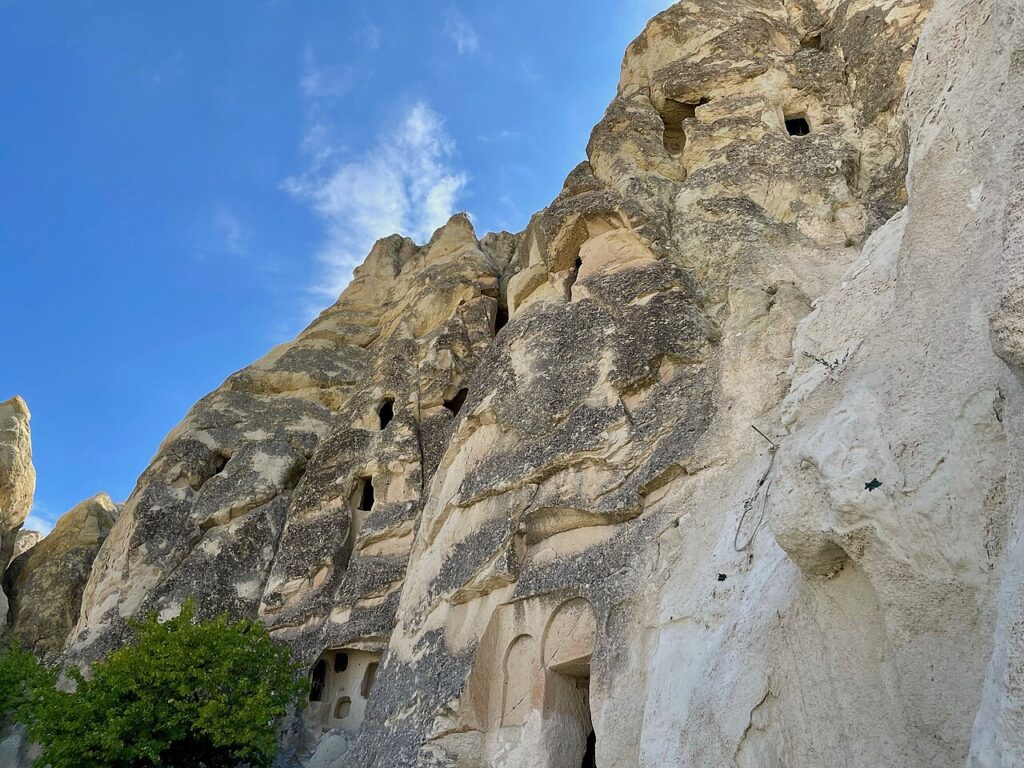
Beyond the Open Air Museum, the region hides the lesser churches and the cave chapels that the crowds skip. The churches of the valleys — the painted chapels of the Rose and the Red Valleys, the hermitages of the cliffs — are the hidden treasures of Cappadocia’s Byzantine history. Some are open and quiet, some are locked and glimpsed through the grilles, and all of them reward the walking that reaches them. The lesser churches give the frescoes without the queues, and the silence that the museum cannot. For the traveler who has seen the Open Air Museum, the valley churches are the deeper chapter.
The Quiet Viewpoints
The famous viewpoints of Göreme fill at dawn and dusk, but the quiet ones are the residents’ secret. The ridges and the terraces off the main trails give the same valleys without the crowds, and the light at the sunrise and the sunset is no less beautiful. The quiet viewpoints are the spots where the locals watch the balloons and the sunsets, and the finding is the pleasure. Ask the guesthouse owners, follow the lesser trails, and the region will share its seats. The quiet viewpoints give the panorama with the peace, and the peace is the gift.

The Local Tea Gardens
The tea gardens of Göreme are where the residents gather, and they are the hidden social heart of the town. The simple tables, the endless glasses of tea, the backgammon boards, and the conversations — the tea garden is the local living room, and the travelers who find it are the guests. The tea gardens are not the tourist spots, and that is the point: the tea is the local price, the company is the local life, and the hour is the local rhythm. Sit, sip, and watch the town go about its day — the tea garden is the hidden Göreme, and it is the most authentic hour in the town.
The Morning Market
The small market of Göreme, on its market days, is the town’s pantry in the open air. The produce of the region — the vegetables, the fruit, the honey, the cheeses — fills the stalls, and the residents shop for the week. The market is the hidden commerce of the town, and the travelers who wander it see the daily life that the tour schedules miss. The market is small and local, and the early morning is the time. The morning market is the hidden Göreme of the residents, and the browsing is the window into the town’s life.
The Valley Villages
The villages beyond Göreme — Ortahisar, Çavuşin, Uçhisar — are the hidden region, and each has its character. The rock-cut houses, the castle formations, the quieter valleys, and the local life — the villages give the Cappadocia that the town’s bustle cannot. The walks between the villages, and the shuttles that connect them, make the region the day’s exploration. The valley villages are the hidden gems of the wider area, and the traveler who reaches them has found the region beyond the postcards.
The Local Rituals
The hidden Göreme shows itself in the local rituals. The dawn launch of the balloons, watched from the quiet ridges; the sunset gatherings at the lesser viewpoints; the tea garden afternoons; the market mornings — the rituals are the town’s daily life, and they are the moments that the tour schedules miss. The traveler who stays through the day, who walks the lesser trails, who sits in the tea gardens, sees the Göreme that the visitors share with the residents — and the daily life that the postcards crop out.

Hidden Gems: The Practical Guide
Finding the hidden Göreme takes a little planning, because the lesser sites are not signposted and the quiet viewpoints are not on the maps. The practical approach is to ask: the guesthouse owners of Göreme know the region better than any guidebook, and they will point you to the hidden valleys, the lesser churches, and the viewpoints that the tour buses skip. The second practical tool is the walking trail — the valleys around Göreme are laced with marked and unmarked paths, and the walkers reach what the drivers cannot. The third is the timing: the hidden sites are busiest between ten and four, so the early morning and the late afternoon give the quiet that the crowds cannot. The fourth is the transport: the small dolmuş routes and the village shuttles connect Göreme to the hidden region, and a day with a local driver can reach three villages that the tours never visit. The practical hidden Göreme is the region that the tours do not schedule, and the planning is simple: ask, walk, and go early.
Hidden Gems: The Seasons
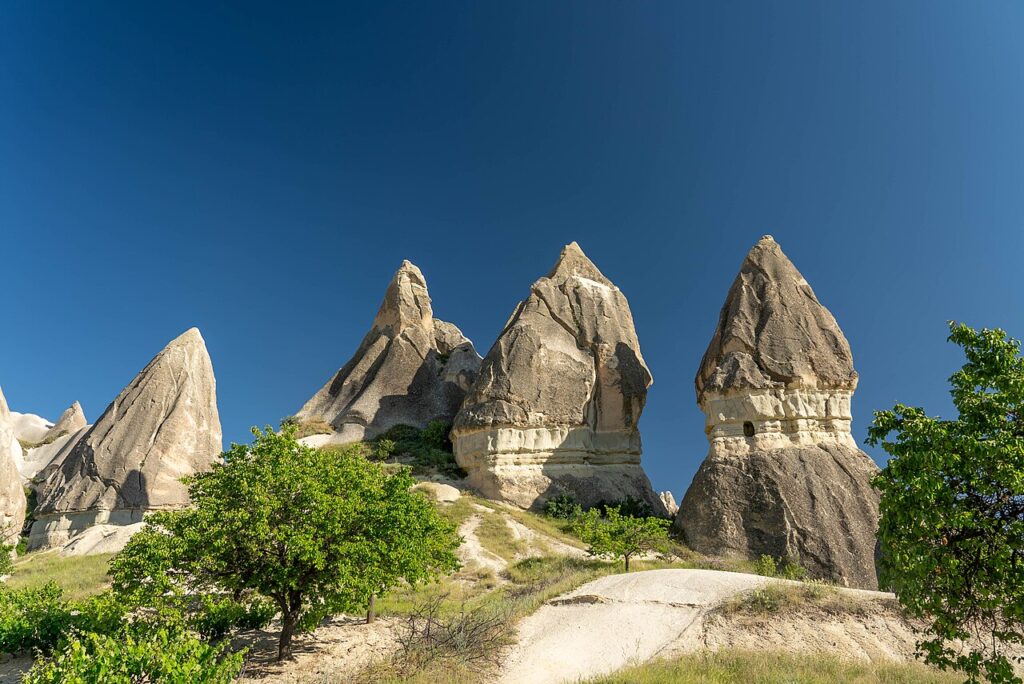
The hidden Göreme changes with the seasons, and each season gives the hidden sites a different face. The spring brings the green to the valleys — the hidden churches sit in the wildflowers, and the quiet viewpoints look over the blossoming orchards. The summer brings the heat, and the hidden sites are the cool ones: the cave churches, the underground rooms, and the shaded valleys of the lesser trails. The autumn brings the golden light, and the hidden viewpoints are the photographers’ secret — the low sun paints the tuff walls in the warm colors that the postcards never capture. The winter brings the snow, and the hidden Göreme is at its most dramatic: the white dusting over the fairy chimneys, the quiet valleys in the silence, and the cave rooms warm against the cold. The seasons give the hidden sites their variety, and the traveler who returns through the year sees a different hidden Göreme each time. The off-season is also the practical season — the lesser sites are quieter, the prices are lower, and the hidden region feels even more like a secret.
Hidden Gems: The Local Tips
The local tips of Göreme come from the people who live with the hidden sites every day. The first tip is the direction: the hidden valleys lie off the main roads, and the locals point the way to the paths that the maps miss. The second tip is the timing: the tour buses arrive between the mid-morning and the mid-afternoon, so the hidden sites are best in the early morning and the late afternoon, when the buses are elsewhere. The third tip is the walking: the hidden Göreme reveals itself on foot, and the locals walk the valleys daily, so the walking shoes are the essential kit. The fourth tip is the courtesy: the hidden sites include the working villages and the family homes, so the respectful distance keeps the welcome warm. The fifth tip is the asking: the guesthouse owners, the shopkeepers, and the tea garden regulars know the region better than any guidebook, and the question is the key to the secret. The local tips of Göreme turn the visitor into the guest, and the guest sees the hidden region as the residents do.
The Takeaway
The hidden Göreme is not hidden at all — it is the region’s everyday life, visible to anyone who walks the lesser trails and sits in the local rooms. The valley churches, the quiet viewpoints, the tea gardens, the market, and the villages: these are the details that make the postcard real. Leave the tour schedule, take the lesser path, and the region will show you its best self.
Frequently asked questions
What are Göreme’s best-kept secrets?
The lesser valley churches, the quiet viewpoints, the local tea gardens, the morning market, and the surrounding villages.
Where can I see the real, non-tourist Göreme?
The tea gardens, the market mornings, the lesser trails, and the surrounding villages — the places the tour schedules never reach.
Are the lesser churches worth finding?
Yes — the valley churches give the frescoes without the queues, and the silence that the Open Air Museum cannot.
What is the best time for the hidden Göreme?
The dawn for the quiet viewpoints, the mornings for the market, the afternoons for the tea gardens, and the off-season for the whole.
Are the hidden gems of Göreme free to visit?
Most are — the valley churches, the viewpoints, and the trails are open and free, though some cave churches charge a small entry fee and the Open Air Museum has its own ticket.
How much time do I need for the hidden Göreme?
Two to three days lets you walk the lesser valleys, visit the villages, and see the hidden churches without rushing.
Can I visit the hidden gems of Göreme on my own?
Yes — most are on the marked trails and the village roads, and the walking and the dolmuş connections make the self-guided visit easy.

All Over Information
The All Over Information editorial team researches and writes practical English-language guides to Turkey. Facts are checked against official and local sources before publication, prices are published as dated ranges rather than quotes, and guides are revised when things change. We accept no sponsored posts, paid placements or paid links.
More guides like this
Best Time of Year to Visit Goreme
Göreme is a region of seasons, and each one paints the rock differently.

Best Local Restaurants in Goreme
Göreme feeds the travelers of Cappadocia, and the town's tables serve the regional kitchen with the landscape for the backdrop.

Top 10 Things to Do in Goreme
Göreme is the heart of Cappadocia — the small town where the balloons rise at dawn, the cave churches hide in the…

Shopping Guide: What to Buy in Goreme
Göreme is the shopping hub of Cappadocia, and the town's shops carry the crafts of the whole region: the pottery of Avanos,…

Goreme on a Budget: Money-Saving Travel Tips
Göreme has a reputation as the expensive end of Cappadocia, and the balloon flights and the cave hotels can eat a budget…

48 Hours in Goreme: The Perfect Itinerary
Göreme is compact enough to see in two days, and the 48-hour visit is the classic Cappadocia introduction: the balloons at dawn,…