Ortahisar shows its famous face to every visitor — the castle, the old town — but the town and its surroundings keep the secrets close. The hidden Ortahisar is the quieter corners of the rock, the lesser valleys, the hidden churches, the local rituals, and the details that the tour schedules skip. These are the hidden gems of the town and the region, the spots that reward the curious and the early.
The Hidden Rooms of the Castle
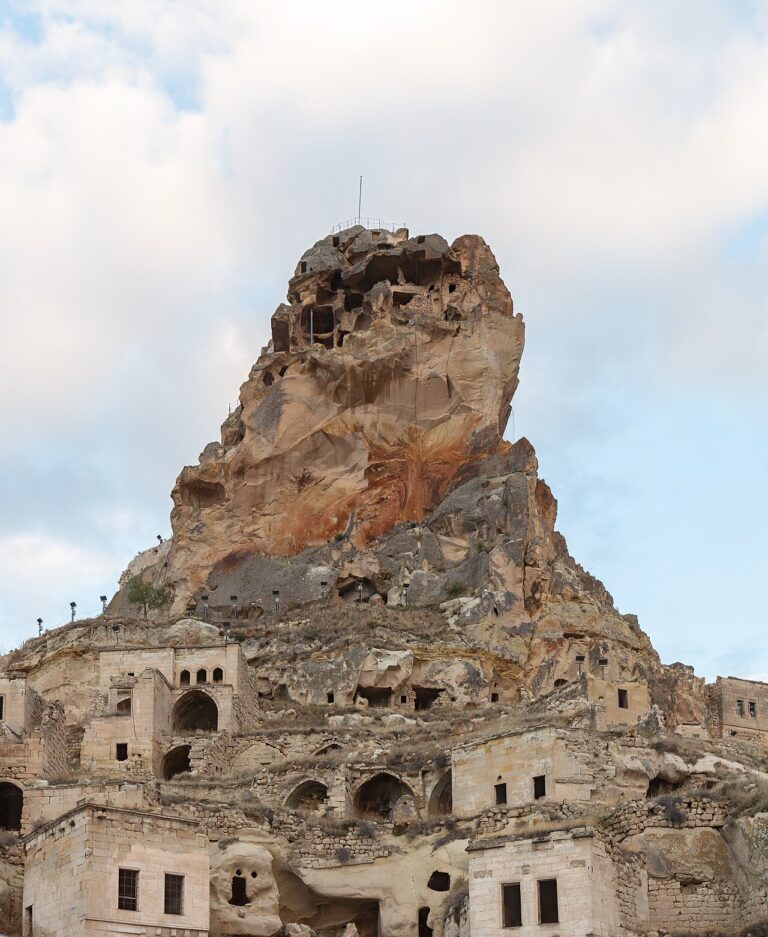
The castle of Ortahisar shows its summit to the visitors, but the hidden rooms of the rock keep their own stories. The carved chambers below the summit path — the old storerooms, the living rooms, the cisterns — are the parts that most visitors pass without noticing, and the quiet corners of the rock hold the atmosphere of the centuries of the dwelling. The hidden rooms are reached by the smaller passages and the unmarked doorways, and the exploration is the gentle adventure: the cool of the rock, the shafts of the light, and the silence of the empty chambers.
The hidden rooms also include the outer rock: the smaller outcrops around the castle, honeycombed with the old dwellings, stand empty and open, and the curious walker can peer into the abandoned rooms of the town’s past. The hidden rooms of the Ortahisar rock are the free museum of the town’s history, and the explorer who wanders them sees the life that the summit view cannot show.

The Hidden Valley Churches
The famous valleys of the region draw the walkers, but the hidden churches of the lesser valleys are the secrets of the Ortahisar area. The rock-cut churches, tucked into the side gullies and the quiet valleys, hold the frescoes that the crowds never reach; the painted interiors glow in the dim light, and the silence of the settings adds the atmosphere. The hidden churches are found by the walking and the asking — the locals point the way, and the side paths reveal the carved facades. The hidden churches of the area are the region’s quiet monuments, and the explorer who finds them sees the frescoes without the queues.
The hidden churches also include the smaller ones of the town itself: the old churches of the Greek settlement of Sinasos, tucked into the lanes and the courtyards, hold the traces of the town’s history. The hidden churches of Ortahisar are the cultural gems of the area, and the seeking is the pleasure.

The Orchard Corners
The orchards of Ortahisar are the town’s green frame, but the hidden corners of the orchards — the spring-fed terraces, the old trees, the irrigation channels — are the details that the passing visitors miss. The orchards hold the town’s agricultural history: the apple country that made the town’s name, the terraces carved into the slopes, and the seasonal work of the farmers. The walks through the orchards, off the main paths, reveal the hidden corners: the old stone walls, the water channels, the views over the terraces. The orchard corners of Ortahisar are the town’s green secrets, and the wanderer finds them between the rows.
The orchard corners also include the seasonal details: the blossoms of the spring, the fruit of the summer, the harvest of the autumn, and the bare, quiet trees of the winter. The hidden orchard corners of Ortahisar are the town’s countryside, and the walks through them are the hours of the peace.

The Local Rituals
The hidden Ortahisar shows itself in the local rituals. The morning bread from the bakeries, the tea gardens filling with the residents, the afternoon backgammon, and the evening promenades — the rituals of the working town are the daily rhythm. The market mornings bring the produce of the region to the stalls, and the harvest season brings the apples and the grapes to the town. The rituals of Ortahisar are the town’s daily life, and the traveler who stays through the day, who sits in the tea gardens, who walks the lanes, sees the Ortahisar that the visitors share with the residents.
The local rituals also include the seasonal ones: the harvest celebrations of the region, the religious observances, and the festivals of the area’s calendar. The hidden rituals of Ortahisar are the town’s rhythm, and the traveler who slows to it sees the daily life that the postcards crop out.

The Lesser Valleys
The valleys beyond the famous Red and the Rose Valleys hold the hidden region of Ortahisar. The side valleys and the gullies off the main trails — the quieter arms of the valley system, with the springs, the orchards, and the abandoned cave dwellings — are the walker’s secret, and the full walks reach the lesser valleys that the tour routes never enter. The hidden valleys of the area give the rock formations, the churches, and the silence that the famous valleys have lost, and the walking is the discovery.
The lesser valleys also include the routes toward the neighboring villages and the hidden viewpoints of the region. The hidden valleys of the Ortahisar area are the region’s quiet layer, and the traveler with the walking shoes and the time finds the Cappadocia beyond the postcards.
The Cave Dwellings of the Edges
The cave dwellings of the town’s edges — the abandoned rock-cut homes that ring Ortahisar — are the hidden history of the area. The dwellings, carved into the outcrops and the slopes, housed the families through the centuries, and the empty rooms hold the traces of the life: the niches, the hearths, the storage. The cave dwellings are the free museum of the rock-cut life, and the explorer who peers into them sees the town’s past. The cave dwellings of the edges also include the dovecotes and the storage caves of the old agriculture.
The cave dwellings of the edges are the hidden layer of Ortahisar, and the wandering among them is the hour of the history. The cave dwellings of the Ortahisar area are the region’s quiet monuments, and the traveler who seeks them reads the rock-cut life in the empty rooms.
The Hidden Gems in the Seasons
The hidden Ortahisar changes with the seasons, and each season gives the hidden sites a different face. The spring brings the green to the orchards and the valleys — the hidden churches sit among the blossoms, and the quiet viewpoints look over the flowering terraces. The summer brings the heat, and the hidden sites are the cool ones: the shaded castle rooms, the valley springs, and the deep gullies of the lesser trails. The autumn brings the golden light and the harvest — the apples and the grapes, and the hidden viewpoints at their most dramatic. The winter brings the snow, and the hidden Ortahisar is at its most intimate — the white valleys, the quiet lanes, and the firelit rooms. The hidden gems in the seasons are the town’s variations, and the returning traveler sees a different secret each time. Whatever the season, the constants hold: the castle stands, the orchards grow, and the quiet lanes keep their life — and the hidden Ortahisar is always there for the wanderer who leaves the main paths behind. The hidden town rewards the same qualities in every season: the early start, the curious step, and the willingness to ask the locals where the churches and the views are best. The hidden Ortahisar is the reward of the traveler who treats the town as a place to live in rather than a list to check off — and the reward grows with every visit, the way the orchards bear with the years.
The Takeaway
The hidden Ortahisar is not hidden at all — it is the town’s everyday life and its quieter corners, visible to anyone who walks the lesser paths and slows to the local rhythm. The hidden castle rooms, the valley churches, the orchards, the rituals, and the lesser valleys: these are the details that make the postcard real. Leave the tour schedule, take the lesser path, and the town will show you its best self.
Frequently asked questions
What are Ortahisar’s best-kept secrets?
The hidden rooms of the castle, the hidden valley churches, the orchard corners, the local rituals, and the lesser valleys beyond the town.
Where can I see the real, non-tourist Ortahisar?
The tea gardens, the market mornings, the orchard walks, and the lesser lanes — the places the tour schedules never reach.
Are the hidden corners of Ortahisar free to explore?
Most are — the castle rooms, the valley churches, the orchards, and the cave dwellings are open and free.
What is the best time for the hidden Ortahisar?
The dawn for the castle and the viewpoints, the mornings for the market and the lanes, the afternoons for the valleys, and the off-season for the whole.
Can I find the hidden churches on my own?
Yes — the side paths and the asking of the locals reveal the carved churches, and the walking is the finding.

All Over Information
The All Over Information editorial team researches and writes practical English-language guides to Turkey. Facts are checked against official and local sources before publication, prices are published as dated ranges rather than quotes, and guides are revised when things change. We accept no sponsored posts, paid placements or paid links.
More guides like this
How to Get to Ortahisar from Istanbul
Getting to Ortahisar from Istanbul is the straightforward journey to the heart of Cappadocia: the flight to the regional airports, the transfer…

History and Culture of Ortahisar
Ortahisar is the fortress town of Cappadocia, and its history is written in the rock.
Best Time of Year to Visit Ortahisar
Every season gives Ortahisar a different face, and the best time to visit depends entirely on what the traveler wants from the…

Photography Spots in Ortahisar You Can’t Miss
Ortahisar is the photographer's town of Cappadocia.

Ortahisar Airport and Transport Guide
Getting to Ortahisar is easier than the travelers expect, and moving around the area is simpler than the map suggests.

Best Local Restaurants in Ortahisar
Ortahisar's restaurant scene is the honest, authentic one: fewer places, more local tables, and the same regional food served with the town's…