Safranbolu is one of Turkey’s great historic towns, and the crowds follow a well-worn circuit — the main lanes of Çukur, the famous house museums, the bazaar, and the classic viewpoints. But the town and its region hold a quieter layer that the day-trippers miss: the back lanes of the old quarter where the crowds thin, the lesser-known houses and the courtyards, the workshops and the crafts of the town’s working life, the hillside districts beyond the main route, and the moments when the famous town belongs to almost no one at all. This guide collects the genuinely under-the-radar experiences of Safranbolu — the places and the moments that reward the traveler who goes a little further and stays a little longer.
The Back Lanes of Çukur
The crowds concentrate on the main lanes of the old quarter. The back lanes — the narrower, quieter streets between the main routes, where the konaks and the ordinary houses stand side by side — are the hidden Safranbolu: the washing hung between the houses, the doorways, the cats, and the daily life of the historic town away from the crowds.
The secret is the direction and the pace. Most visitors follow the main lanes; the traveler who turns into the side streets and wanders finds the town as it lives rather than as it is shown.
The Lesser-Known Houses and the Courtyards
The famous house museums draw the crowds, but the town holds many more historic houses — some open quietly, some still lived in, and many with their courtyards visible through the doorways. The courtyards and the lesser-known interiors give the domestic world of the town without the queues, and the sense of the houses as homes rather than exhibits.
The secret is to look and to ask. The town’s people are proud of their houses, and a courteous question often opens a courtyard or a doorway that the guidebooks never reach.

The Workshops and the Crafts
Safranbolu was a craft town, and the working crafts survive in the old quarter: the coppersmiths, the local artisans, and the workshops of the traditional trades. The visitors see the bazaar’s shops; the hidden version is the workshops themselves — the craftsmen at work, the coppers beating, and the making of the town’s goods.
The secret is to look beyond the shopfronts. The workshops of the old town are the working heart of the place, and the traveler who watches and asks finds the crafts alive.
The Hillside Districts
The hillside districts beyond the main old town — Kıranköy and the surrounding quarters — hold more of the town’s houses and lanes, quieter than the center and often just as beautiful. The walking gives the views back over the whole historic town, and the districts give the fuller sense of Safranbolu.
The secret is the climb. The traveler who goes up, beyond the main quarter and into the hillside districts, finds the wider town and the views that the center cannot give.

The Town in the Evenings
Everyone photographs Safranbolu in the daylight; the evening version — the lanes lit, the houses quiet, and the town’s centuries around you — is the hidden hour. The old town empties in the evening, the day-trippers gone, and the historic place returns to its residents.
The secret is simply to stay. The traveler who lingers after the crowds leave gets the town at its quietest and most atmospheric — the lamps, the shadows, and the sense of the place belonging to the night.
The Empty Mornings
The hidden Safranbolu is as much about timing as place. The early morning, before the day-trippers arrive, is the old town at its best: the clean light on the konaks, the lanes empty, and the town waking to its day. The museums at opening time, the bazaar before the crowds, and the viewpoints in the morning light are the hidden hours.
The secret is to rise early. The traveler who gets up for the morning finds the town that the postcards suggest and the crowds obscure.
The Region Beyond the Town
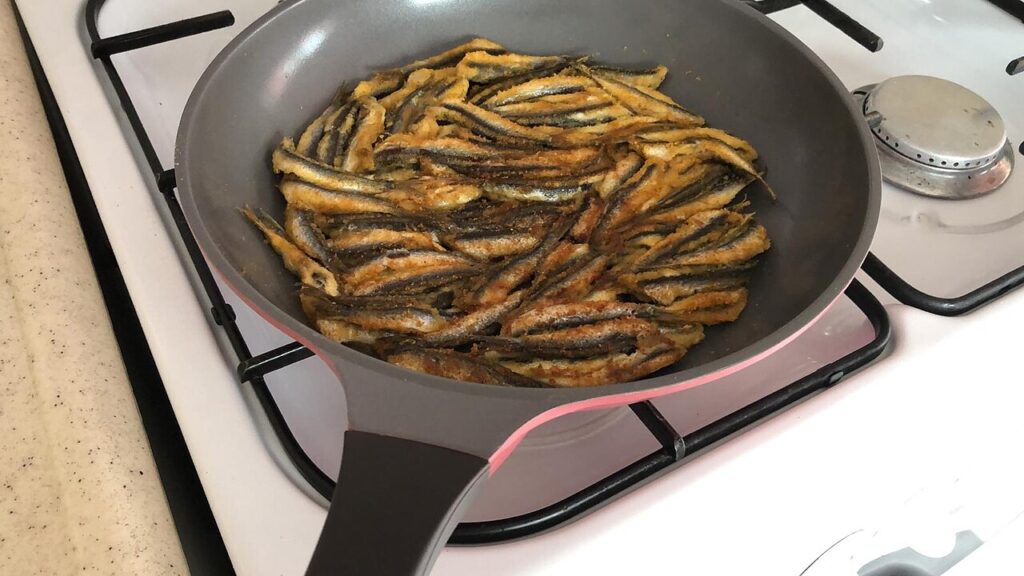
The countryside around Safranbolu — the valleys, the villages, and the western Black Sea landscape — is the hidden region. The villages with their own old houses, the river valleys, and the hills reward the drive, and the landscape gives the context of the town’s history.
The secret is the detour. The traveler who turns off the main roads and follows the valleys and the villages finds the countryside that the town-bound visitor never sees.
How to Find the Hidden Safranbolu
- Ask locally. The konak hosts, the shopkeepers, and the town’s people know every corner — the courtyards, the workshops, the quiet hours. A question or two unlocks the town.
- Walk beyond the obvious. Nearly all the hidden gems are a short walk past where the crowds stop.
- Stay the night and the hours. The evenings and the early mornings are the hidden Safranbolu, and they belong to the traveler who lingers.
- Take the side streets and the hills. The back lanes and the hillside districts are the town beyond the main circuit.

The Hidden Seasons
The hidden Safranbolu is not only a matter of place but of season. In the summer, the town is at its fullest — the lanes busy, the konaks full, and the holiday energy at its peak — and the hidden corners are found by going early, staying late, and taking the side streets. In the shoulder months of May, June, September, and October, the crowds thin and the town’s real rhythm shows through: the back lanes, the courtyards, and the evenings that belong to the few. And in the winter, the hidden Safranbolu is the whole town — the snow dusting the konaks and the lanes, the warmth of the courtyards, and the historic place at its quietest and most atmospheric. The gems in this guide are always there; the difference between seeing them and missing them is mostly a matter of when you look and how far you go.
The Hidden-Seeker’s Practical Kit
Finding the hidden Safranbolu takes a little more than a map. The back lanes and the hillside districts need comfortable shoes and a willingness to walk and climb; the courtyards and the workshops need the courtesy to ask; and the quiet hours need the discipline to rise early and linger late. Carry cash for the small places and the workshops, ask the town’s people where they would send a friend, and take the side streets that the tour groups cannot. And leave the hidden places as you find them — take your rubbish away, respect the private houses and the working workshops, and let the courtyards and the back lanes stay the way the town keeps them. The reward is a Safranbolu that belongs to the traveler who looked for it.
The Town as a Home
The final hidden gem is the understanding that Safranbolu is not a museum but a home — a place where the families of the town live, work, and raise their children in the Ottoman houses. The hidden gems are the reflections of that life: the children in the lanes, the cooking smells from the courtyards, the tea gardens where the townspeople sit, and the ordinary days that continue around the visitors. The traveler who comes with that understanding finds the town’s real richness — not in the exhibits and the viewpoints, but in the living place that the postcards can only hint at. Respect that life, move through the town gently, and the hidden Safranbolu — the working, living town beneath the famous lanes — reveals itself in the greetings, the courtyards, and the quiet hours that belong to its people.
The Takeaway
The hidden gems of Safranbolu are not secret rooms with rope access — they are the back lanes, the courtyards, the workshops, the hillside districts, and the evenings and the mornings when the crowds are gone. The town repays the traveler who walks a little further, asks a little more, and stays a little later. Do that, and you will find a Safranbolu that most of the people who came for a day never see.
Frequently asked questions
What is there to do in Safranbolu besides the main circuit?
Walk the back lanes of the old quarter, find the lesser-known houses and the courtyards, watch the workshops and the crafts, and explore the hillside districts.
Are the hidden gems hard to reach?
No, most are short walks from the main lanes. The difficulty is simply knowing they exist.
What is the best hidden spot in Safranbolu?
The old town in the evening, when the crowds are gone and the lanes are lit — or the back lanes, where the town lives away from the main routes.
Is there a quiet side of the old town?
Yes — the back lanes and the hillside districts are quieter and more lived-in than the main circuit.
What is the best way to see the hidden Safranbolu?
Stay the night, rise early, linger late, and take the side streets and the hills.
Do I need a car for the hidden Safranbolu?
For the region beyond the town, a car helps; the in-town gems are reached on foot.

All Over Information
The All Over Information editorial team researches and writes practical English-language guides to Turkey. Facts are checked against official and local sources before publication, prices are published as dated ranges rather than quotes, and guides are revised when things change. We accept no sponsored posts, paid placements or paid links.
More guides like this

Safranbolu in Summer: A Complete Travel Guide
Summer is Safranbolu at its fullest — the old town at its liveliest, the konaks full, the lanes busy with visitors, and…
How to Get to Safranbolu from Istanbul
Getting from Istanbul to Safranbolu is a manageable journey — roughly 400 kilometers by road, and several ways to do it, each…
A Foodie’s Guide to Safranbolu
Safranbolu is a town of the Ottoman table, and for the food traveler it is one of the most interesting stops in…
48 Hours in Safranbolu: The Perfect Itinerary
Two days in Safranbolu is enough to feel the town properly — the old quarter's lanes and konaks, the house museums, the…
Shopping Guide: What to Buy in Safranbolu
Safranbolu is one of the best shopping towns in Turkey for the traveler who wants something genuine — not because it has…

Safranbolu in Winter: What to Expect
Winter in Safranbolu is the town at its most atmospheric — and for the right traveler, its most beautiful.