Turkey is a country of regional cuisines, and each city tells its own culinary story. While the country as a whole is famous for kebabs and baklava, the details change dramatically from one region to the next. For a food-loving traveler, the question is not whether to eat well in Turkey, but which cities to visit. This guide ranks and profiles the best destinations for eating, so you can build a trip around flavors as much as sights.
Gaziantep: The Culinary Capital
Gaziantep, in the southeast, holds the country’s most celebrated food culture. UNESCO recognized the city’s cuisine, and locals take enormous pride in their cooking. The signature ingredient is pistachio, which appears in baklava, kebabs, and even savory dishes, always with a deep, roasted intensity.
The kebab culture here is serious. Adana-style spicy minced meat, grilled over charcoal, is served with grilled peppers, onions, and flatbread. Beyond kebabs, the city excels at lahmacun, beyran soup, and a dizzying array of meze. Every meal feels like a masterclass.
For sweets, Gaziantep baklava is the standard by which all others are judged, made with hand-rolled pastry and generous pistachio filling. The city also produces katmer, a crisp pastry with clotted cream and pistachio, served for breakfast. A day in Gaziantep is a day of constant, joyful eating.
Istanbul: The Great Melting Pot
Istanbul cannot be beaten for variety. As Turkey’s largest city and historic crossroads, it gathers every regional cuisine under one sky. In a single day you can eat a Black Sea anchovy pilaf, a southeast-style kebab, an Aegean meze spread, and a breakfast worthy of Van.
The street food alone justifies a visit: simit, balık ekmek, midye dolma, and chestnuts appear on every corner. The city also leads the country’s fine dining scene, with tasting menus and modern interpretations of Ottoman classics. Whatever you crave, Istanbul has it somewhere.
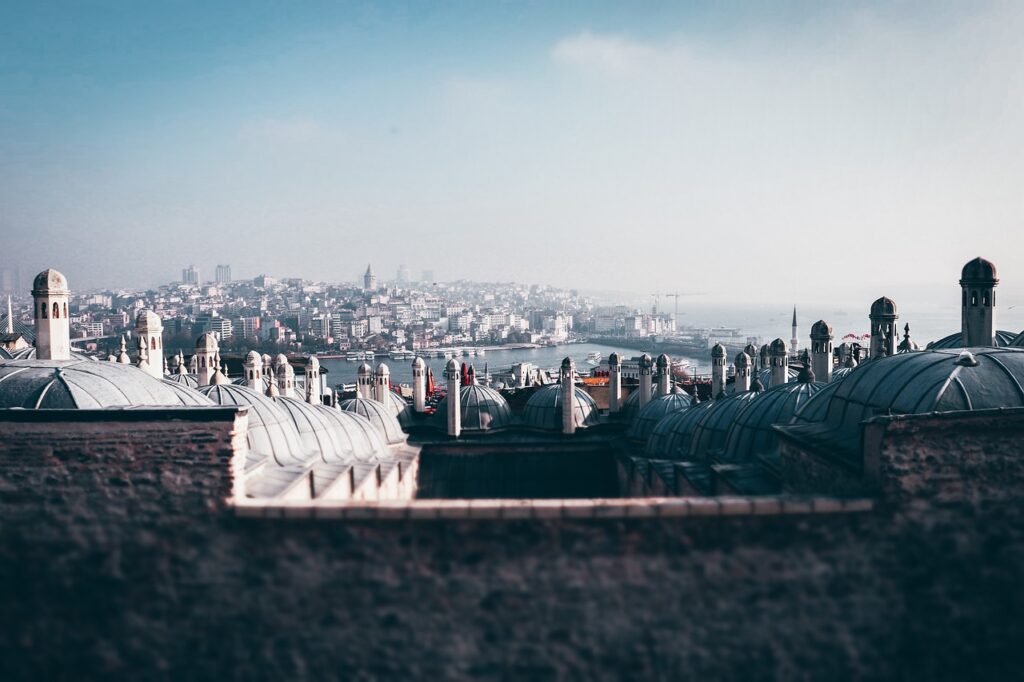
What makes Istanbul special is the atmosphere. Eating here is accompanied by the Bosphorus, the ferries, and the buzz of millions of people. The same meal tastes different when the seagulls are circling and the call to prayer drifts across the water.
Hatay: The Flavors of the South
Hatay, on the Mediterranean coast near the Syrian border, has a cuisine shaped by centuries of cultural exchange. The city of Antakya is famous for künefe, the hot cheese dessert with syrup and pistachio, served fresh from copper pans. It is worth the journey alone.
But Hatay is far more than künefe. Its olive-based cooking, spicy dips, and fragrant breakfasts reflect a rich mix of Arab, Armenian, and Anatolian traditions. The hummus, olive oils, and pepper pastes are exceptional, and the local breads are baked in traditional ovens.
The markets are the heart of Hatay food culture, piled with spices, olives, and dried fruits. Visitors are welcomed with generosity, and it is common to be handed a taste before you even ask. Few places combine flavor and warmth so completely.
Izmir: The Aegean Table
Izmir represents the Aegean way of eating, which is lighter, greener, and built on olive oil. The city’s cuisine features fresh vegetables, wild herbs, and seafood, with meze at the center of every table. Dining here feels Mediterranean in the truest sense.
The meyhane culture of Izmir is legendary. Small taverns serve plates of stuffed vine leaves, fried zucchini, and fresh fish, accompanied by rakı and conversation. The pace is slow, the portions are shareable, and the evening stretches on pleasantly.
Around Izmir, the region offers olive groves, vineyards, and coastal towns with their own specialties. The famous boyoz, a flaky pastry, is a local breakfast obsession. For seafood and vegetables at their freshest, the Aegean coast is unbeatable.

Bursa: The Ottoman Heritage
Bursa, the first capital of the Ottoman Empire, preserves a cuisine that reached the heights of palace cooking. The city’s most famous contribution is İskender kebab, sliced döner served over pide with tomato sauce and melted butter. It is a dish of theater as much as flavor.
The city is also known for its chestnut desserts, especially kestane şekeri, candied chestnuts, and for its hearty regional specialties. The kebab houses of Bursa are institutions, with long histories and devoted regulars. The food here feels rooted in centuries of tradition.
Bursa’s position near the sea of Marmara brings seafood to the table, while the surrounding countryside provides peaches, olives, and dairy. A food tour of Bursa is a journey into Ottoman history, with every dish carrying a story from the palace kitchens.
Ankara: The Capital’s Table
Ankara, the modern capital, is not usually the first name in Turkish food, but it rewards the curious. The city’s classic is ankara tava, a baked lamb and rice dish, along with the simit that locals insist is the best in the country. The dining scene is growing, with new restaurants joining old favorites.
The city is also the gateway to central Anatolia, whose cuisine features bulgur, lamb, and yogurt in countless forms. Local breakfasts are generous, and the region’s cheeses and pastries deserve attention. Ankara offers authenticity without the crowds of the coastal cities.
For visitors, Ankara is a place to eat like a local, away from tourist menus. The kebab houses of Ulus, the capital’s historic quarter, are particularly atmospheric. It is a city where food reflects the steady, honest character of central Anatolia.

Antalya and the Mediterranean Coast
Antalya, the Riviera of Turkey, pairs beach life with a distinctive coastal cuisine. The region’s cooking uses plenty of citrus, fresh vegetables, and the wild herbs that grow on the surrounding slopes. Seafood is central, grilled simply and served with lemon and olive oil.
The old town of Kaleiçi is packed with restaurants, from rooftop terraces to garden courtyards. Beyond the tourist strip, the surrounding villages offer piyaz, a white bean salad, and local pastries. The Mediterranean lightness of the food is a refreshing change from the heavier eastern cuisines.
The coast also produces some of Turkey’s best ice cream and citrus fruits. A food trip here means long lunches by the sea, fresh juice at every corner, and the pleasure of eating in the open air. It is relaxed dining at its best.
Şanlıurfa: The Land of Legend
Şanlıurfa, in the southeast, claims to be the birthplace of Abraham and is equally proud of its food. The city is famous for Urfa kebab, a milder, sweeter cousin of the Adana kebab, and for its spectacular breakfasts. The morning table here is an event.
Urfa’s cuisine uses lamb, bulgur, and a distinctive blend of spices, including the local isot pepper. The lahmacun is exceptional, as are the stuffed vegetables and the region’s breads. The food is generous, aromatic, and deeply tied to the city’s ancient history.
The evening scene revolves around the long promenades, where families eat, drink tea, and enjoy the cool night air. For a visitor, Urfa offers a chance to taste the southeast in its most traditional form, far from the tourist trail.

Other Cities Worth Your Appetite
Beyond the famous names, several Turkish cities deserve a place on a food lover’s map. Trabzon, on the Black Sea, is known for its anchovy dishes, corn bread, and the famous akçaabat meatballs. The region’s cooking is distinctive, built on local fish, hazelnuts, and hearty mountain flavors.
Kayseri is the home of mantı, the beloved dumpling, and of pastırma, the cured beef that seasons breakfasts across the country. The city takes its culinary identity seriously, and its restaurants are proud guardians of the tradition. A mantı lunch in Kayseri is a pilgrimage for many food lovers.
Mardin, in the southeast, offers a cuisine shaped by its diverse communities, with saffron, almonds, and a sophisticated blend of spices. Its stone-built restaurants and terraces make dining here as atmospheric as it is delicious. Each of these cities adds a new chapter to the story of Turkish food.
Food Markets and Bazaars
The best way to understand a Turkish city’s food is to visit its market. Every city has its market day, when farmers bring produce, cheese makers bring their wares, and butchers display the day’s cuts. The colors, smells, and sounds are overwhelming in the best way.
The markets are also where you will find regional specialties in their purest form: honey from the mountains, olive oil from the groves, and spices ground to order. Vendors are generous with samples, and a smile goes a long way. Shopping where locals shop guarantees that your hotel room fills with treats.
For visitors, a market visit doubles as a cultural experience. You will see the ingredients that define the local table and hear the recipes that go with them. Arrive early, bring cash, and be ready to taste whatever is offered; the market is the truest introduction to any Turkish city’s cuisine.
How to Plan a Food Trip
If you have limited time, choose two or three cities that complement each other. Istanbul and Gaziantep make a strong pairing, covering both variety and depth. Adding Hatay or Izmir gives you a third dimension, whether you prefer southern spice or Aegean lightness.
Build your itinerary around markets and meal times. Breakfast in Gaziantep, lunch in a Bursa kebab house, and dinner at an Izmir meyhane each offer different experiences. Leave room in your schedule for the unexpected, because the best meals are often discovered by accident.
Finally, talk to locals. Turks love discussing food, and a question about where to eat can lead to a meal you will remember for years. With a flexible plan and an open appetite, you will eat your way through Turkey exactly as it deserves.
Frequently asked questions
Which Turkish city has the best food?
Gaziantep is widely considered Turkey’s culinary capital, with UNESCO recognition for its cuisine. Istanbul offers the greatest variety, and Hatay, Izmir, and Bursa each excel in their own regional traditions. The best city depends on the flavors you love most.
Is Gaziantep worth a visit just for the food?
Absolutely. The city’s baklava, kebabs, and breakfasts are considered the best in the country, and food is the main reason most travelers come. A short visit can easily be built around eating, with markets and restaurants at the center of every day.
How many cities should I include in a food-focused trip?
Two to four cities is ideal. Istanbul plus Gaziantep covers variety and depth, and adding Hatay or Izmir brings a third regional perspective. Each city deserves at least two days, so plan your time around meals and markets rather than rushing.

All Over Information
The All Over Information editorial team researches and writes practical English-language guides to Turkey. Facts are checked against official and local sources before publication, prices are published as dated ranges rather than quotes, and guides are revised when things change. We accept no sponsored posts, paid placements or paid links.
More guides like this

How to Make Authentic Turkish Coffee at Home
Making authentic Turkish coffee at home is simpler than it looks, and it requires only a few tools and a little patience.

Where to Find the Best Turkish Meze Platters in Turkey
The best meze platters in Turkey are found in the cities where the tradition runs deepest, and the search is one of…
The History Behind Gozleme
Gozleme is one of the oldest foods still eaten in Turkey, a flatbread whose history reaches back to the nomadic past of…

Midye Dolma (Stuffed Mussels): A Taste of Turkish Culture
No Turkish street food sounds quite like midye dolma. There is the hiss of the steaming pot, the tap of the vendor's…

How to Make Authentic Kazandibi Dessert at Home
Kazandibi looks like a professional pastry chef's creation, but it is surprisingly simple to make at home with just milk, sugar, and…
The Ultimate Guide to Turkish Meze Platters
The Turkish meze platter is a meal disguised as an appetizer: a table full of small dishes that can be served before…