Safranbolu is a town of the Ottoman table, and for the food traveler it is one of the most interesting stops in Turkey — a place where the traditional domestic cooking of the western Black Sea is still eaten in the restored konaks and the old-town lokantas, where the lokum (Turkish delight) is made fresh in the town’s confectioners, and where the saffron that gives the town its name still flavors its dishes. The food is the domestic Ottoman cooking at its most traditional — home-style, generous, and served in the historic settings of the town. This guide is for the food lover who wants to eat Safranbolu properly — the dishes, the places, the seasons, and the practical details.
The Safranbolu Table: The Ottoman Domestic Cooking
The town’s food is defined by its history: a prosperous Ottoman trading town, whose domestic cooking became the traditional table of the region. The cuisine is built on:
- The home-style dishes of the western Black Sea — the stews, the soups, and the cooking of the domestic kitchen.
- The lokum and the sweets — the town’s great confectionery, made fresh in its shops.
- The saffron — the town’s namesake, flavoring the local dishes and the products.
- The traditional drinks — the Turkish coffee and the çay, with the hospitality of the town.
For a food traveler, this is the Ottoman domestic table at its most authentic — and Safranbolu is its most complete survival.

The Essential Dishes of the Safranbolu Table
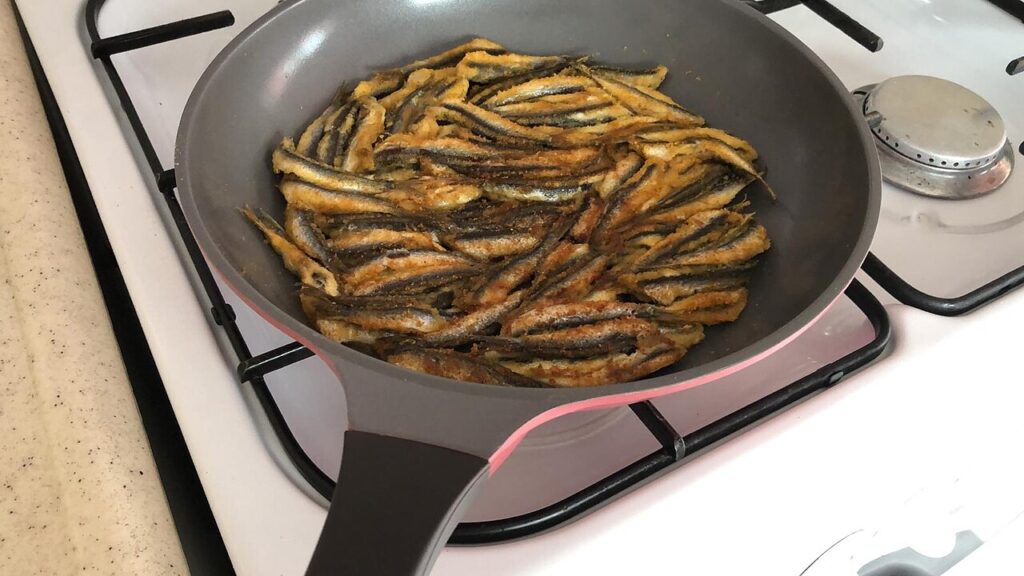
The home-style dishes. The cooking of the region is the domestic Ottoman table: the stews and the soups, the seasonal vegetables, the fresh bread, and the generous, home-cooked meals of the western Black Sea kitchen. The konaks and the lokantas serve it, and it is the food the town actually eats.
The lokum (Turkish delight). The town’s great confectionery — the fresh lokum made in the confectioners of the bazaar, in the flavors of the region. It is among the best in Turkey, and the fresh, made-in-the-town version is the taste of the place.
The saffron dishes. The town’s namesake flavors its cooking: the saffron rice, the saffron-flavored dishes, and the saffron products — the teas, the soaps, and the cosmetics — that the town is known for. The saffron is the thread that runs through the table, connecting the modern kitchens to the trading town that built the konaks.
The pastries and the desserts. The sweet dishes of the Ottoman table — the pastries, the puddings, and the desserts of the region — are the sweet finish to the town’s meals.
The köfte and the grills. The classics of the lokantas — the meatballs and the grilled dishes of the region, done properly.
The Turkish coffee. The traditional coffee, prepared the traditional way, is the taste of the town’s hospitality — and the tea gardens and the houses serve it at its best.
The Places That Matter
The Konak Tables: The Domestic Dinner
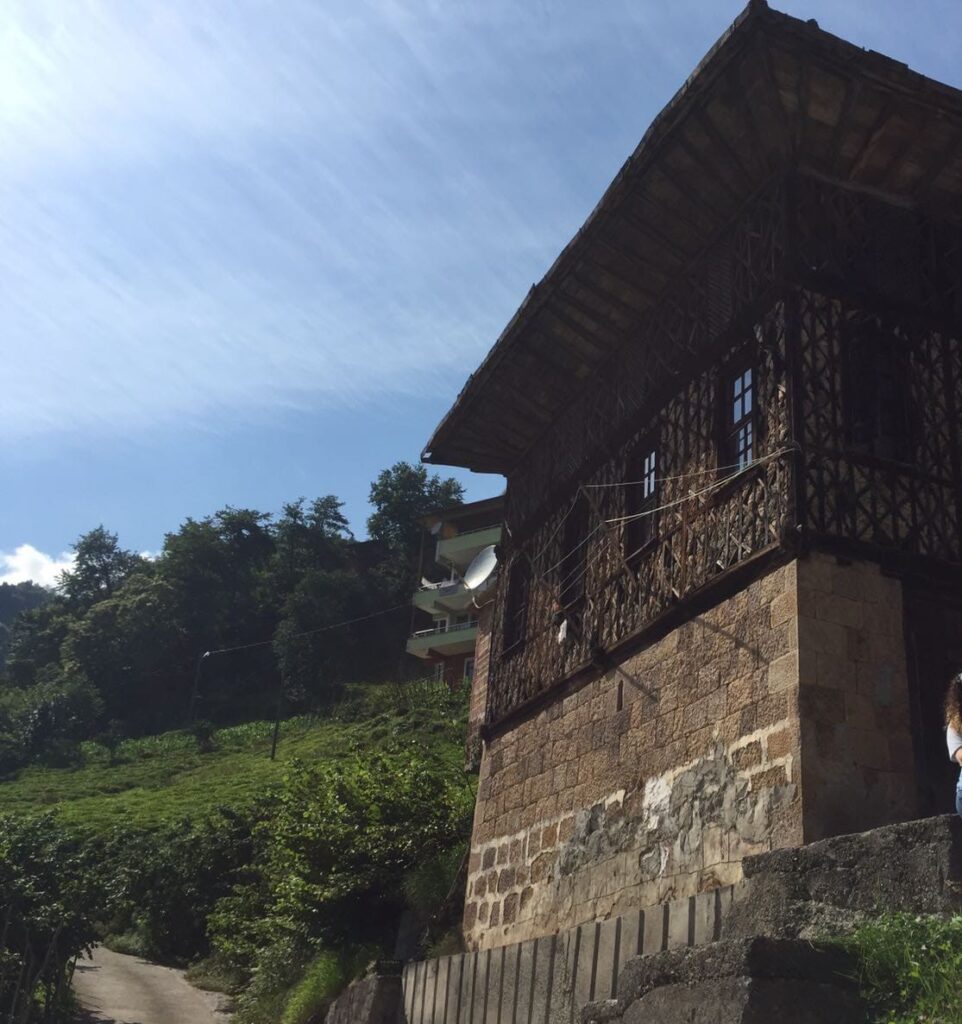
The restored konaks are not only places to sleep — many serve the local food, and the dinner in a konak, with the wooden rooms and the courtyard as the backdrop, is the classic Safranbolu meal.
For the foodie, the konak dinner is the town’s domestic table at its most authentic — the home-style dishes, the hospitality of the house, and the setting that no restaurant can reproduce. If your konak serves dinner, it is the meal to plan around.
The Old-Town Lokantas: The Regional Table
The restaurants and the lokantas of the old quarter do the regional cooking for the town and its visitors — the meze, the grills, the home-style dishes, and the fresh bread. These are the places where the town eats, and the cooking is honest and the portions generous.
For the foodie, the lokantas are the working table of the town — the food of the region at its most direct, eaten where the town’s people eat.
The Confectioners and the Bazaar: The Sweets
The confectioners of the bazaar make the lokum and the sweets fresh — the town’s great culinary claim, and the shops worth visiting for the tasting and the buying. The bazaar also sells the saffron products and the local specialties.
For the foodie, the confectioners are the sweet heart of the town — the fresh lokum, the pastries, and the saffron products, made in the town and sold at its source.
The Tea Gardens and the Coffeehouses
The tea gardens and the coffeehouses of the old town serve the çay and the traditional coffee with the setting of the town — the lanes, the courtyards, and the unhurried pace. The Turkish coffee, prepared the traditional way, is the local custom.
For the foodie, the coffeehouse is the ritual — the coffee, the setting, and the conversation of the town.
The Story of the Saffron
The saffron deserves its own note, because it is the town’s great food story. Safranbolu’s name carries it — saffron and the fortified town — and for centuries the region grew the saffron that was the town’s great trade. The saffron appears in the town’s cooking: the saffron-flavored dishes, the rice, and the sweets, along with the saffron products sold in the bazaar. The saffron cultivation continues in the region, small and precious, and tasting the saffron dishes is tasting the town’s history. For the food traveler, the saffron is the ingredient that connects the modern kitchens to the trading town that built the konaks and the caravanserai.

Seasonal Eating in the Town
The town’s food follows the seasons, and eating in season is the smartest thing a foodie can do:
- Summer: the fullest tables — the produce of the region at its height and the long warm evenings.
- Autumn: the saffron harvest and the golden light — the local dishes at their most traditional.
- Winter: the comfort food of the region — the stews and the soups, and the sweets that suit the cold.
- Spring: the fresh produce and the new season.
The Foodie’s Practical Playbook
- Eat at your konak. If the house serves dinner, it is the town’s domestic table at its most authentic.
- Follow the town’s diners. The busy lokantas where the town eats are the genuine ones.
- Buy the lokum fresh. The confectioners sell the local delight fresh — it is the souvenir that tastes of the place.
- Try the saffron. The town’s namesake is its culinary signature — the saffron dishes and the products are worth seeking out.
- Take the coffee. The traditional Turkish coffee, in a tea garden or a coffeehouse, is the taste of the town’s hospitality.
- Carry cash. The smaller places, the bazaar, and the tea gardens prefer lira.
A Foodie’s Day in the Town
- Breakfast: at the konak or a café — the local bread, the cheese, the olives, and the çay, with the setting.
- Midday: the lokantas — the home-style dishes and the meze, eaten where the town eats.
- Afternoon: the confectioners and the bazaar — the lokum, the pastries, and the saffron products, and the Turkish coffee.
- Evening: the konak dinner — the domestic table in the historic setting, with the saffron dishes and the hospitality of the house.
The Takeaway
A foodie’s guide to Safranbolu is a guide to the Ottoman domestic table at its most authentic: the home-style cooking in the konaks and the lokantas, the fresh lokum of the confectioners, and the saffron of the town’s namesake — served in the historic settings that no other town can offer. Eat at your konak, follow the town’s diners, buy the lokum fresh, and let the saffron be the thread that runs through the table — the ingredient that connects the modern kitchens to the trading town that built the konaks and the caravanserai. The town will feed you the way it has always fed its people — traditionally, warmly, and with the taste of its own history, in a style you will find nowhere else.
Frequently asked questions
Is Safranbolu a good destination for food lovers?
Yes — it is the Ottoman domestic table at its most authentic, with the home-style cooking, the fresh lokum, and the saffron of the town’s namesake.
What is the must-eat dish in Safranbolu?
The home-style dishes of the region in a konak setting, the fresh lokum from the confectioners, and the saffron dishes of the town.
What is Safranbolu’s local specialty?
The lokum (Turkish delight) and the saffron — the sweets and the namesake of the town.
Can vegetarians eat well in Safranbolu?
Yes — the meze, the soups, the pastries, and the sweets give vegetarians plenty of good options.
Should I eat at my konak?
Yes, if it serves dinner — the domestic table in the historic setting is part of the Safranbolu experience.
What should I buy to eat?
The lokum from the town’s confectioners and the saffron products — the tastes of the town, and the souvenirs that carry.

All Over Information
The All Over Information editorial team researches and writes practical English-language guides to Turkey. Facts are checked against official and local sources before publication, prices are published as dated ranges rather than quotes, and guides are revised when things change. We accept no sponsored posts, paid placements or paid links.
More guides like this

A First-Timer’s Guide to Safranbolu
Safranbolu is a town that stops first-time visitors in their tracks: a perfectly preserved Ottoman city of whitewashed houses, cobbled streets, and…

Where to Stay in Safranbolu: Neighborhood Guide
Safranbolu is a town of two parts — the historic old town across the valley and the modern new town above it…
A Solo Traveler’s Guide to Safranbolu
Safranbolu is a destination that suits the solo traveler beautifully, and it works on both of the solo registers at once.

Best Local Restaurants in Safranbolu
Safranbolu is a town of the Ottoman table — and the local cooking is part of the experience of staying in the…
Safranbolu in Winter: What to Expect
Winter in Safranbolu is the town at its most atmospheric — and for the right traveler, its most beautiful.
Hidden Gems of Safranbolu Most Tourists Miss
Safranbolu is one of Turkey's great historic towns, and the crowds follow a well-worn circuit — the main lanes of Çukur, the…