Ayder looks like a landscape without a history — a green valley in the mountains, the way it might have been for centuries. But the plateau has a real story, and it is the story of the eastern Black Sea highlands themselves: a land shaped by its geography, its hardworking people, and its position at the meeting of cultures. The thermal waters that draw the modern visitors were known for centuries before the resort; the highland life of the herders and the farmers shaped the valleys around the plateau; and the culture visible today — the food, the music, the hospitality — is the living continuation of that long story. This guide unpacks the history and culture of Ayder and the Kaçkar highlands: how the plateau was settled, who lived here, and how the culture around the thermal waters today continues a distinctive and deep-rooted tradition.
The Setting: The High Country and the Thermal Waters
Ayder sits at about 1,350 meters in the Kaçkar Mountains, at the head of a high green valley. The setting explains everything about the plateau’s history: the mountains that isolated the valley, the streams and the meadows that supported the highland life, and — the key to Ayder’s special story — the thermal waters that rise in the valley’s heart.
The hot springs have drawn people to the plateau for centuries. Before the resort, before the crowds, the thermal waters were known to the people of the high country as a source of healing — the hot water, the steam, and the mountain air used for their health-giving properties. The name Ayder itself is tied to the region’s association with the waters and the highland air, and the plateau’s modern identity as a spa destination grows directly out of that centuries-old reputation.

The People of the High Country
The human history of the region around Ayder is the history of the eastern Black Sea highlands, and it is ancient and distinctive. The Kaçkar mountains and their valleys have been home to settled communities for centuries — a land of steep valleys, hard farming, and a people known for their independence and their hard work. The communities of the Black Sea — including the Laz and the Hemshin, with their own languages and traditions — shaped the region’s identity, isolated by the mountains that separated the valleys from each other and from the rest of the world.
For the villages around the plateau, life was built on the seasonal rhythm of the high country: the winter in the valley villages, the summer on the high meadows (yayla), where the herders took their animals to the summer pastures and made the cheese, the butter, and the honey of the mountains. This transhumance — the annual movement between the low and the high — is the oldest and deepest culture of the region, and the yayla meadows around Ayder still live it today.
The Empires and the Crossing of Cultures
The eastern Black Sea has been a crossroads of cultures for most of its recorded history. The ancient world knew the region’s coast — the Greeks founded colonies along it, and the mountains beyond were the lands of the peoples of the eastern Black Sea, known in Greek myth as the land of the Golden Fleece. The Romans, the Byzantines, and then the great medieval empires — the Seljuks, the Ottomans — each held the region in turn, and the coast and the valleys absorbed the influences.
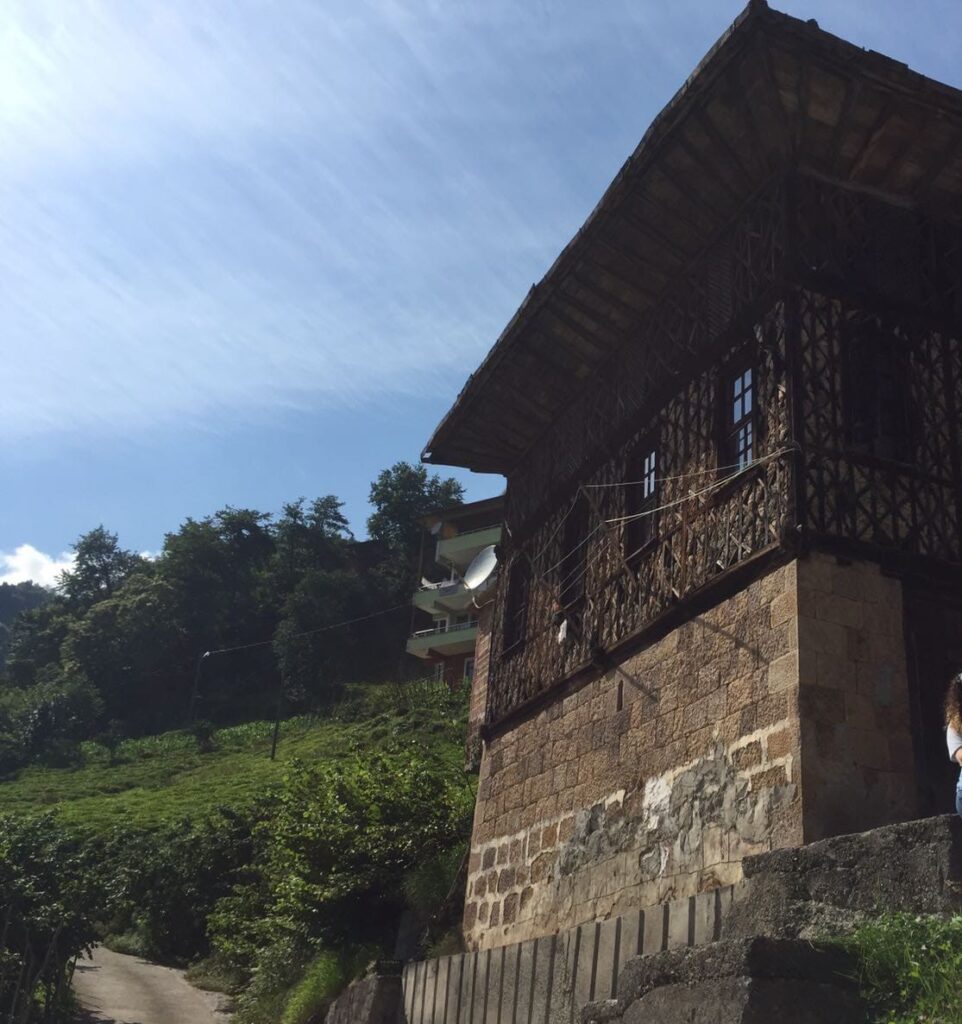
For the high country around Ayder, the empires mattered less than the geography. The steep valleys kept the communities relatively self-contained, and the region’s own culture — its languages, its music, its food, its seasonal life — survived the centuries of imperial rule. The mosque at the heart of the modern plateau is the visible sign of the region’s Ottoman and Islamic centuries, but the culture around it is the older culture of the Black Sea highlands.
The Modern Plateau: From the Yayla to the Resort
The modern history of Ayder is the story of the plateau’s discovery. For centuries, Ayder was one of the region’s highland settlements — a summer pasture and a seasonal village, known locally for its thermal waters and its highland beauty. In the late 20th century, the plateau’s reputation grew: the thermal waters, the scenery, and the highland air drew visitors from across Turkey, and the yayla village became the resort it is today.
The modern Ayder is the meeting of the old highland culture and the new tourism economy. The chalets and the hotels grew up around the thermal waters and the stream; the restaurants and the shops serve the visitors; and the plateau’s life expanded around the resort. But the old culture is not gone — the yayla meadows above the plateau still carry the herders’ life, the food of the region is the old highland food, and the hospitality is the warmth of the mountain people.

The Culture of Ayder Today
The living culture of the plateau and the region is a fusion of the layers:
- The highland life. The yayla meadows, the herders, and the seasonal rhythm are the oldest and deepest culture of the region, and the highlands around the plateau still live it.
- The thermal tradition. The healing waters that drew people for centuries are the plateau’s heart — the spa culture of today grows directly out of the old reputation of the springs.
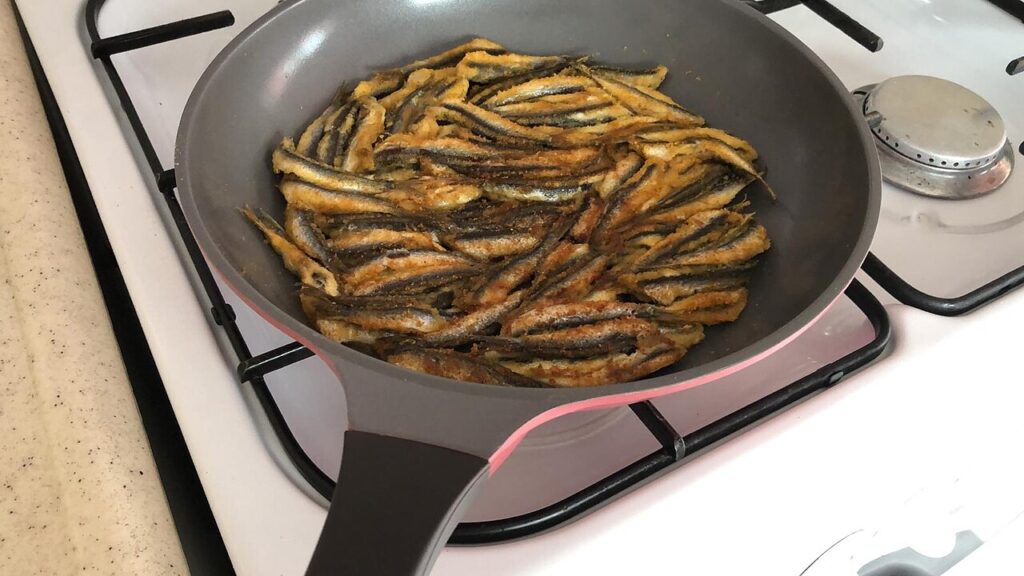
- The regional food. The trout, the hamsi, the muhlama, the corn breads, and the cheese and the honey of the mountains are the region’s distinctive table, shared at the plateau’s tables.
- The music and the language. The Black Sea’s music — the folk songs and the dance of the region — and its languages survive in the valleys, and the traveler who listens hears a culture apart.
- The working landscape. The herding, the farming, and the tea-growing continue around the tourism, and the plateau’s real life is the working highland that the visitors share.
- The hospitality. The region’s warmth — the tea offered, the help given, the welcome of the mountain people — is the culture that the traveler experiences first.
Visiting the History: What to Look For
A stay in Ayder is a stay inside the region’s culture, if you know where to look:
- The thermal waters — the springs that have drawn people for centuries, the heart of the plateau’s identity.
- The highlands — the yayla meadows and the herders’ life, the oldest culture of the region.
- The mosque — the visible sign of the region’s Ottoman and Islamic centuries.
- The food — the trout, the hamsi, the muhlama, and the çay, the region’s distinctive table.
- The music and the people — the Black Sea’s songs and its people, the living culture of the high country.
The Continuity of the Plateau
The remarkable thing about Ayder is how much of its old culture survives within the modern resort. The traveler who comes for the thermal waters and the chalets finds, around them, the working highland: the herders moving their animals to the summer pastures, the women making the cheese and the butter at the yayla, the corn and the tea of the region’s farming, and the music and the food of the Black Sea. The plateau has grown into a resort without erasing its past — the highland life continues beside the tourist life, and the two have learned to share the valley. That continuity is the plateau’s real story: not a landscape frozen in time, but a living highland that has opened its doors to the wider world while keeping its own rhythms. The visitor who notices it sees the famous resort as the latest chapter in a long, continuous history.
The Takeaway
Ayder’s history is the story of a landscape and a people: a thermal valley in the Kaçkar Mountains, settled for centuries by the hardworking people of the Black Sea highlands, and transformed in the modern era into the resort it is today. The thermal waters that draw the visitors, the yayla meadows with their herders, and the food and the music of the region are all part of the same long story. To stay in Ayder is to see the famous plateau with the history beneath it — and to understand why this small valley, and the people who made it their home, are so distinctive.
Frequently asked questions
What is the history of Ayder?
The plateau has been a highland settlement of the eastern Black Sea for centuries, known for its thermal waters and its highland life, and it grew into the resort it is today in the late 20th century.
How old are the thermal waters at Ayder?
The springs have been known and used for their healing properties for centuries — the plateau’s spa identity grows directly out of that long reputation.
What is the culture of the region around Ayder?
The culture of the eastern Black Sea highlands — the highland herding, the thermal tradition, the regional food, the music and the languages, and the working landscape.
Who are the people of the Kaçkar highlands?
The communities of the eastern Black Sea — including the Laz and the Hemshin — with their own languages, music, and traditions, shaped by the mountains that isolated the valleys.
What is the yayla?
The highland meadows where the region’s herders take their animals in the summer — the oldest and deepest culture of the region, still visible around Ayder.
Is Ayder a modern resort?
Yes — the plateau’s tourism is a late 20th-century development, and the modern resort grew around the thermal waters on top of the region’s older highland culture.

All Over Information
The All Over Information editorial team researches and writes practical English-language guides to Turkey. Facts are checked against official and local sources before publication, prices are published as dated ranges rather than quotes, and guides are revised when things change. We accept no sponsored posts, paid placements or paid links.
More guides like this
48 Hours in Ayder Plateau: The Perfect Itinerary
Two days in Ayder is enough to feel the plateau in all its moods — the mist in the morning, the green…
How to Get to Ayder Plateau from Istanbul
Getting from Istanbul to Ayder Plateau is a proper journey — over a thousand kilometers by road, across the width of northern…
Photography Spots in Ayder Plateau You Can’t Miss
Ayder is one of the most photographed highlands in Turkey, and the reason is visible from the first moment you see it:…

Best Local Restaurants in Ayder Plateau
Ayder's food is the eastern Black Sea's own, and the plateau serves it with the mountains as the backdrop — the trout…
Nightlife Guide to Ayder Plateau
Let's be clear about what nightlife means in Ayder, because the plateau has nothing to do with neon, DJs, and queues —…
Ayder Plateau in Winter: What to Expect
Winter in Ayder is the plateau transformed — and for the traveler who loves the mountain winter, it is one of the…