Besiktas is a neighborhood of layers. The travelers who come here — most of them on the way to the Dolmabahce Palace or the ferry — tend to see the same strip: the terminal, the palace, a fish-market dinner, a ferry back. It is a good strip. But the real Besiktas sits behind it and around it: the hilltop gardens, the waterside mansions, the backstreet markets, the villages to the north, the views that the waterfront cannot give you. This guide collects the hidden gems — the places the guidebooks skip and the day-trippers never reach.
The Yıldız Park and Palace: The Imperial Garden
Most visitors leave Besiktas without ever climbing the hill behind it, which means they miss the neighborhood’s most beautiful secret: the Yıldız Park, the vast imperial garden laid out in the 19th century for the sultans who preferred its hillside calm to the formality of the palaces below. The park is a landscaped wonder — the groves and the lawns, the ponds and the pavilions, the peacocks that strut the paths — and it is one of the great free escapes in Istanbul, a world away from the waterfront crowds a ten-minute walk below. The Yıldız Palace within it, the last great imperial residence, opens its state rooms and gardens to visitors. Go on a weekday morning and you may have the whole hillside to yourself — the view over the Bosphorus from the park’s upper terraces is the hidden panorama of the district.
The Backstreet Markets: Akaretler and the Working Streets
Besiktas’s famous fish market is the tourist version; the neighborhood’s other markets are the local version, and they are the better find. The Akaretler district, the planned row-housing estate built in the 19th century for the palace’s staff, has become a lane of boutique shops, galleries, and cafes — the gentrified face of the neighborhood — but the streets around it still hold the working markets where the residents actually shop: the green grocers, the cheese sellers, the butchers, the bakeries that the palace’s staff would recognize. The morning market streets, behind the center and up the hills, are where the real life of the district happens, and they are the shopping that travelers never find because they never look past the terminal.

The Waterside Mansions: The Yalıs of the Bosphorus
The ferry north from Besiktas passes the neighborhood’s most exclusive secret, and the travelers who notice it are the ones who know what they are seeing: the yalıs, the great waterside mansions of the Bosphorus. These wooden palaces — some centuries old, some recently restored to a shine worth millions — belong to the families who have held the waterfront since the Ottoman centuries, and the stretch between Besiktas and Bebek is one of the densest collections in the city. The ferry is the free gallery: ride north in the late light and the mansions slide past — the painted facades, the boathouses, the gardens running down to the water. The locals’ version is the walk of the same shore on the Asian side, or the small boat tours that hug the coast; either way, the yalıs are the neighborhood’s hidden museum.
The View from the Hills: The Elevated Besiktas
The hills that climb behind the center hold the district’s best-kept photographic secret: the elevated views back down over the Bosphorus. The streets above the terminal open onto panoramas that the waterfront cannot give you — the whole strait laid out, the bridge and the Asian shore beyond, the ferries crossing below, the palace and the stadium in their setting. The views are free, the climb is steep but short, and the late-afternoon light is the magic hour. The rooftop terraces of the hill restaurants and the tea gardens are the civilized version, and the hill cemeteries — the great Ottoman and Republican burial grounds of the heights — are the quietest, most atmospheric viewpoints of all, their cypress trees framing the water.

The Ortakoy Beyond the Kumpir
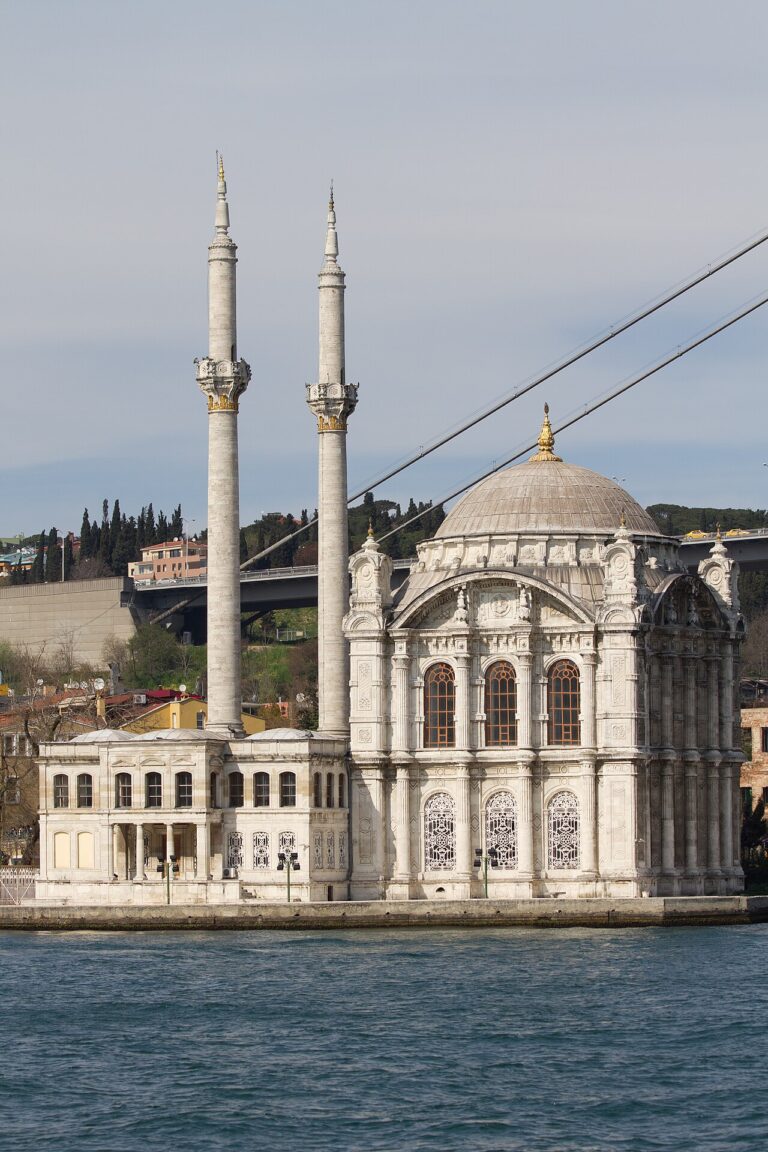
Ortakoy, ten minutes north of Besiktas, is on every itinerary for its mosque and its famous kumpir — but the village’s other layers are the ones the crowds miss. The weekend market fills the square with the handmade goods and the antiques; the backstreets behind the mosque hold the village’s older life — the workshops, the small restaurants, the lanes where the Bosphorus life predates the bridge; and the walk south along the shore from Ortakoy’s mosque, past the yalıs and the small parks, is the peaceful version of the tourist square. The village is also the base for the day’s best excursion: the small boats that leave from its shore for a close look at the bridge and the waterfront mansions, at a fraction of the terminal’s tour prices.
The Dolmabahce Clock Tower: The Detail the Crowds Rush
Everyone photographs the palace; almost no one studies its clock tower. The four-faced tower at the palace gate, completed in 1895, is one of the finest examples of the Ottoman baroque — the stonework, the ironwork, the delicate proportions reward a close look that the selfie crowds never give it. The same attention repays the palace’s other details: the gates, the fountains, the carvings of the waterfront wall. The neighborhood’s history is written in such details, and the traveler who walks the palace’s perimeter slowly — the marble, the ironwork, the small inscriptions — sees the building the way its builders intended.

The Breakfast Houses Beyond the Famous
The neighborhood’s breakfast culture is a hidden gem in itself: the famous houses of the center are on the maps now, but the hills and the backstreets hold the local versions — the small rooms where the spread of cheeses, olives, menemen, honey and kaymak, and tea is served to a room of regulars, at prices below the tourist layer. The rule is the district’s rule: walk the extra block, follow the queues of the residents, and the breakfast will be better and cheaper. The tea gardens of the hills, with their views over the rooftops and the water, are the same story — the local version of the same pleasure, found by walking past the obvious.
The Football Culture Without the Ticket
The stadium and the match-day crowds are on the maps; the neighborhood’s deeper football life is the hidden layer. The club shops and the bars of the Çarşı hold the history — the scarves, the photos, the memorabilia of a club founded in 1903 — and the walls of the district are its gallery: the graffiti and the murals of the Black Eagles, the black-and-white that is the neighborhood’s true flag. The training ground sessions, when the team trains in the open, are the free glimpse; the match-day walk through the streets is the full immersion. For the fan, the club’s museum and stadium tours are the deep dive; for everyone, the football is the neighborhood’s soul, visible to anyone who looks.

The Night Waterfront: After the Crowds
Last, a moment rather than a place: the Besiktas waterfront at night, after the terminal has emptied and the ferries have thinned. The palace’s floodlights pick out the marble against the dark water; the bridge’s lights string across the strait; the fishermen settle onto the seawall with their rods; and the late ferries cross with their lit decks like small worlds. It is the same shore that draws the daytime crowds, transformed — quieter, darker, more intimate, and all yours. The night walk from the terminal to the palace is the hidden gem of the hidden gems: the neighborhood’s most beautiful hour, kept by the locals who know it.
Frequently asked questions
Is the Yıldız Park free?
The park is free and open daily; the palace within it charges entry. It is the neighborhood’s great free escape.
How do I see the yalıs?
The ferry north from Besiktas — a transit fare — is the free gallery, at its best in the late-afternoon light.
Are the hill views worth the climb?
Yes — the panoramas over the Bosphorus are the district’s best-kept secret, and the tea gardens and the cemeteries make the climb an afternoon.
Is Ortakoy worth the trip beyond the kumpir?
Yes — the weekend market, the backstreets, and the small boats from the shore are the village’s real layers.
Where do the locals eat breakfast?
The small houses of the hills and the backstreets, away from the tourist layer — follow the queues of the residents.
Is the Yıldız Park easy to find?
The entrances are off the main roads behind the palace — a short walk or bus from the center. The park is signposted, and the walk through it is half the experience.
Can I visit the Yıldız Palace interior?
Yes — the state rooms and the gardens open to visitors, with the interior ticket separate from the park’s free entry. The rooms are the last imperial residence, ornate and fascinating.
Are the hidden gems doable in one day?
The park, the hills, and the backstreet markets are all within a walk of each other — a day of wandering covers the district’s hidden layer, with the yalıs and the villages as the ferry-and-bus extension.

All Over Information
The All Over Information editorial team researches and writes practical English-language guides to Turkey. Facts are checked against official and local sources before publication, prices are published as dated ranges rather than quotes, and guides are revised when things change. We accept no sponsored posts, paid placements or paid links.
More guides like this
Top 10 Things to Do in Besiktas
Besiktas is the Bosphorus neighborhood that has everything: a world-class palace, a legendary football culture, a fish market that feeds the district's…
Shopping Guide: What to Buy in Besiktas
Shopping in Besiktas is a different experience from the tourist bazaars of the old city — and a better one. The Grand…

Where to Stay in Besiktas: Neighborhood Guide
Besiktas is one of the best bases in Istanbul for the traveler who wants the water, the food, and the real city…

Besiktas in Winter: What to Expect
Besiktas in winter is the neighborhood's true character revealed.
Photography Spots in Besiktas You Can’t Miss
Besiktas is a photographer's neighborhood, and it offers a rare combination: one of the great palaces of the world, a waterfront that…
A First-Timer’s Guide to Besiktas
Besiktas is the Istanbul neighborhood that travelers keep stumbling into and then refusing to leave.