Göbekli Tepe is one of the most important archaeological sites in the world — a place that has rewritten the understanding of human history. On a windswept hilltop above the Mesopotamian plain, prehistoric people built the oldest monumental structures ever found: great circular enclosures of massive carved stone pillars, erected more than 11,000 years ago, at the dawn of civilization. The site’s discovery overturned the accepted story of how civilization began, and its meaning continues to unfold with every season of excavation. This guide unpacks the history and culture of Göbekli Tepe: how it was built, what it means, and how the discovery has changed our understanding of the human past.
The Setting: A Hill Above the Ancient Land
Göbekli Tepe sits on a ridge in southeastern Turkey, about 15 kilometers northeast of the city of Şanlıurfa, in the rolling country between the mountains and the Mesopotamian plain. The name means “potbelly hill,” and the hill rises from the surrounding land — a natural prominence chosen, more than eleven thousand years ago, by the people who built there.
The setting matters. The site stands at the edge of the Fertile Crescent, the arc of land where agriculture first arose, and above the plain where the earliest civilizations of the world developed. The hilltop commanded the landscape, and the people who built there chose it deliberately — a place of meaning, overlooking the land where the human story was beginning.
The Builders: Hunter-Gatherers at the Dawn
The builders of Göbekli Tepe are the wonder of the site. The enclosures were erected in the 10th millennium BC — before agriculture, before writing, before the wheel — by people who lived by hunting and gathering, with no permanent settlements and no domestic crops or animals. Yet they created monumental architecture: great circular enclosures, with pillars weighing many tons, carved with the figures of the wild animals around them.
The construction required organization and labor on a scale previously thought impossible for their era — the quarrying, the carving, the transport, and the raising of the stones. The builders were not the settled farmers of the old story; they were hunter-gatherers who built a temple, and their achievement changed the understanding of what prehistoric people could do.

The Enclosures: The Oldest Temple
The heart of the site is the enclosures: great circular structures, each ringed by massive T-shaped pillars, with two even larger pillars at the center. The pillars are carved with the figures of animals — foxes, snakes, birds, boars, and the wild creatures of the prehistoric world — and the enclosures were built, used, and then deliberately buried, generation after generation, for a thousand years.
The interpretation of the site is a matter of ongoing scholarship, but its religious character is widely accepted: Göbekli Tepe is the oldest known temple, a place of ritual and meaning built by people who had not yet discovered farming. The temple came first — and the settled world may have followed from it.
The Significance: The Temple That Came First
The significance of Göbekli Tepe can be stated simply: it is the temple that came first. Before the site was built, the accepted story of civilization was that farming came first — that settled agriculture led to villages, and villages to monumental building. Göbekli Tepe overturned that: the enclosures were built by hunter-gatherers, and their monumental construction required the organization and the shared purpose that the old story placed much later.
The implication is profound: at Göbekli Tepe, the sacred came before the fields, and the building of the temple may have been what drew people together into the settled world — the ritual site that made the first villages possible. It is a place that changes the story of how civilization began, and its discovery has been called one of the most important in the history of archaeology.

The Discovery and the Excavation
The story of the discovery is part of the site’s wonder. The hill was known to the local people as a curious mound, and surveys in the 1960s noted its ancient remains — but it was the German archaeologist Klaus Schmidt, working from the 1990s, who recognized what the hill held. What emerged was beyond expectation: the great enclosures, buried and preserved for more than eleven thousand years.
The excavation continues, and the site is still being uncovered — each season adds to the story. The site was inscribed as a UNESCO World Heritage site, and its excavation is one of the great ongoing projects of world archaeology. For the visitor, the site is a living dig — the wonder still being revealed.
The Culture of the Region Today
The living culture of the region around the site is the frame of its history:
- The city of Şanlıurfa. The city of prophets, with its old town, its bazaars, and its food, is the living present of the region.
- The deep history. Harran, the ancient town, and the archaeological landscape of the region carry the story that Göbekli Tepe begins.
- The welcome. The hospitality of the southeast — the tea, the greetings, and the warmth — is the culture the traveler experiences.
- The food. The table of the southeast, one of the great cuisines of Turkey, is the daily culture of the region.
Visiting the History: What to Look For
A visit to Göbekli Tepe is a walk into the dawn of civilization, if you know what to look for:
- The enclosures — the great circular structures, the oldest monumental buildings in the world.
- The carved pillars — the massive T-shaped stones, carved with the animals of the prehistoric world.
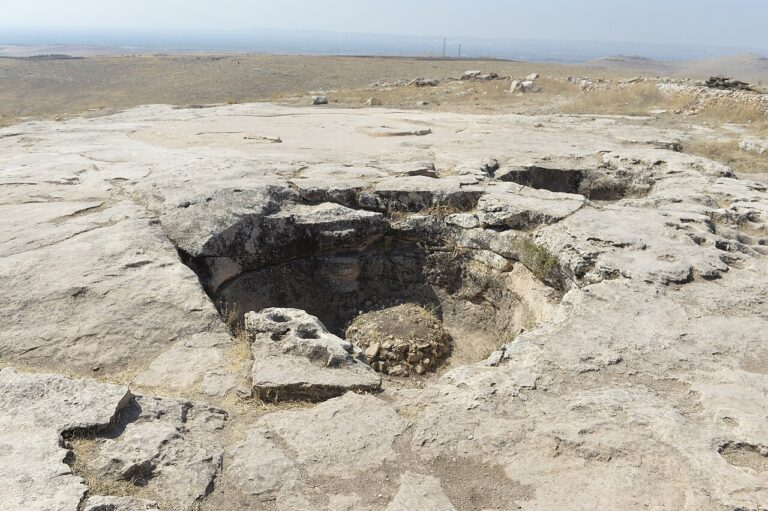
- The mound — the hill itself, with the layers of the excavation.
- The setting — the hilltop and the plain, the landscape the builders chose.
- The region — the city of Şanlıurfa and the ancient land, the living frame of the site.
The Carvings and Their Meaning
The carvings of Göbekli Tepe are one of its great mysteries and its great treasures. The pillars are decorated with the figures of the animals of the prehistoric world — foxes, snakes, birds, boars, and the wild creatures that the builders knew — carved in low relief with a skill that astonishes. The meaning of the carvings is a matter of ongoing interpretation: they may record the world of the builders, the mythology of their ritual, or the meanings of the animals to the people who hunted them. What is certain is their power: the carvings are the earliest large-scale art in the world, and they carry the direct expression of the people who made them, eleven thousand years ago. For the visitor, the carvings are the human connection across the ages — the hands of the prehistoric people, and their world, worked into the stone.
The Symbolism and the Mystery
The deeper meaning of Göbekli Tepe remains a mystery, and the mystery is part of its wonder. The deliberate burial of the enclosures — the filling-in that preserved them for eleven thousand years — suggests a ritual purpose that scholars are still working to understand. The symbolism of the T-shaped pillars, the animal carvings, and the circular enclosures points to a complex religious world among the builders, far richer than the old story of simple hunter-gatherers allowed. The site raises questions that may never be fully answered: what did the builders believe? What rituals did they perform? And what moved them to build, and then to bury, the oldest temple in the world? The mystery is part of the meaning — the dawn of civilization, still not fully understood.
The Takeaway
Göbekli Tepe’s history is the story of the dawn of civilization — the oldest temple, built by hunter-gatherers on a hilltop above the Mesopotamian plain, eleven thousand years before the present. Its discovery overturned the story of how civilization began, and its excavation continues to unfold the wonder. To stand before the great stones is to stand at the beginning of the human story — and to understand why this hilltop is one of the most important places in the world.
Frequently asked questions
What is Göbekli Tepe?
The oldest monumental structures in the world — great circular enclosures of carved stone pillars, built more than 11,000 years ago by prehistoric people.
How old is the site?
The enclosures date to the 10th millennium BC — about 11,000 to 12,000 years old, thousands of years older than the pyramids.
Who built it?
Hunter-gatherers, people with no agriculture, no writing, and no permanent settlements — yet capable of monumental construction.
Why is it so significant?
It is the temple that came first — built before farming, overturning the assumption that settled agriculture preceded monumental building.
Who discovered it?
The German archaeologist Klaus Schmidt, working from the 1990s, recognized what the hill held — and the excavation continues today.
Is the site still being excavated?
Yes — the site is a living dig, and each season of excavation adds to the story.

All Over Information
The All Over Information editorial team researches and writes practical English-language guides to Turkey. Facts are checked against official and local sources before publication, prices are published as dated ranges rather than quotes, and guides are revised when things change. We accept no sponsored posts, paid placements or paid links.
More guides like this
48 Hours in Gobekli Tepe: The Perfect Itinerary
Two days around Göbekli Tepe is enough to see the great site properly and to reach the region's other wonders — and…
A Solo Traveler’s Guide to Gobekli Tepe
Göbekli Tepe is a destination that suits the solo traveler beautifully, and it works on both of the solo registers at once.
Nightlife Guide to Gobekli Tepe
Let's be clear about what nightlife means around Göbekli Tepe, because the great site has nothing to do with neon, DJs, and…
Best Local Restaurants in Gobekli Tepe
Göbekli Tepe is an archaeological site, not a food destination — but the region around it is the heart of one of…

The Best Day Trips from Gobekli Tepe
Göbekli Tepe is a destination you could build a whole trip around — the oldest monumental structures in the world, and the…
Top 10 Things to Do in Gobekli Tepe
Göbekli Tepe is a place where the list of things to do is short, deep, and centered on the extraordinary: the oldest…