Ürgüp’s history is written in its stone and its vineyards: the old town of the Ottoman mansions, the rock-cut dwellings of the region, and the wine tradition that the volcanic soil has fed for the centuries. The culture of the town continues the layers — the wineries, the square’s life, the crafts, and the daily rhythms of the working place. This guide reads the history and the culture of Ürgüp from the town itself.
The Ancient Roots
Ürgüp’s history reaches into the ancient layers of the Anatolian past. The region of Cappadocia was the Hittite heartland, and the area around Ürgüp holds the traces of the earliest settlements: the rock-cut dwellings, the tombs, and the fields that the ancient peoples worked. The town’s name and its history connect to the deep layers of the region, and the volcanic landscape that shaped the Cappadocian life also shaped the town’s site. The ancient roots of Ürgüp are the foundation, and the rock and the soil carry the millennia.
The ancient layers also include the later eras: the Persian, the Hellenistic, and the Roman centuries, when the region’s towns and their trades flourished. The underground cities and the rock-cut settlements of the surrounding region date from these times, and the vineyards that the ancient peoples planted began the wine tradition that continues today. The ancient roots of Ürgüp are the deep story, and the land holds the layers.

The Byzantine and the Seljuk Centuries
The Byzantine centuries brought the monastic and the rock-cut life to the region, and the churches and the settlements of the surrounding valleys date from this era. Ürgüp’s own history in these centuries follows the region’s patterns: the rock-cut dwellings, the agricultural life, and the trade of the plateau. The Seljuk centuries that followed brought the caravanserais of the trade routes and the towns’ growth, and the region’s position on the routes enriched its settlements. The rock-cut life and the trade of the centuries shaped the town’s setting.
The Byzantine and the Seljuk centuries also shaped the wine tradition: the vineyards of the region continued through the eras, and the wine of Cappadocia was known across the trade networks. The caravanserais of the area and the old settlements carry the marks of the eras, and the cultural thread of the wine runs through them. The Byzantine and the Seljuk centuries of Ürgüp are the middle layers, and the stones and the vines tell their stories.

The Ottoman Town
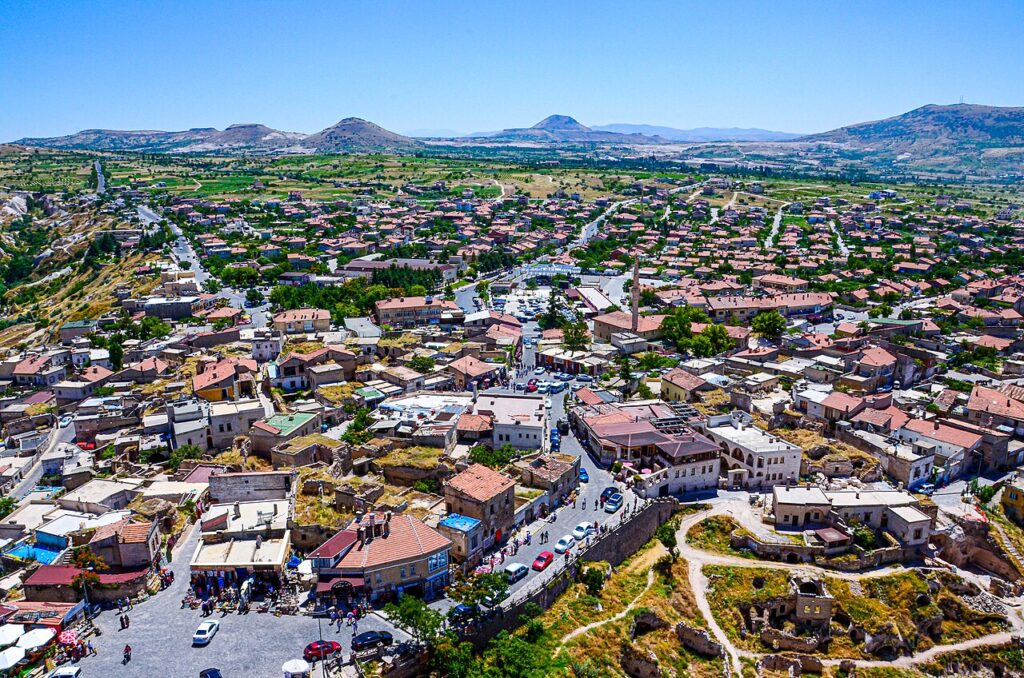
The Ottoman centuries shaped the Ürgüp that the visitors see today: the old town of the stone mansions, the mosques, and the squares. The Ottoman-era houses — the stone walls, the wooden beams, the overhanging upper floors — line the lanes of the old town, and the town’s architecture dates largely from these centuries. The Ottoman period also continued the trade and the wine: the town’s position on the routes and its vineyards sustained the prosperity that built the mansions. The Ottoman town of Ürgüp was the working, trading place, and its buildings carry the era’s character.
The Ottoman centuries also brought the town’s modern shape: the square, the market, and the daily rhythms that continue today. The mosques of the town, the old houses, and the public buildings date from the period, and the preservation of the old town keeps the Ottoman character alive. The Ottoman town of Ürgüp is the visible layer of the history, and the lanes of the old town walk the visitor through it.

The Wine Tradition
The wine tradition is Ürgüp’s signature, and its history runs deep in the volcanic soil. The ancient peoples of the region planted the first vines, and the wine of Cappadocia traveled the trade routes through the millennia; the modern wineries of the town continue the tradition with the ancient local varieties — the Emir, the Dimrit, and the Kalecik Karası — grown in the volcanic terroir that gives the wines their character. The wineries of Ürgüp — led by the Turasan — preserve the craft, and the cellars carved into the hillside age the bottles in the tradition of the region.
The wine tradition also shapes the culture: the harvest in the autumn, the tastings through the year, and the wine’s place at the table of every meal. The wine is the town’s identity, and the travelers who taste it enter the tradition. The wine tradition of Ürgüp is the unbroken thread, and the glasses of the volcanic wine carry the centuries.
The Living Culture: The Square and the Crafts
The living culture of Ürgüp continues the history in the present. The square gathers the town’s daily life — the tea gardens, the cafés, the promenades, and the conversations — and the rhythms of the working town keep the culture current. The crafts of the region — the pottery of Avanos, the carpets, the stonework — are the hands-on traditions that the visitors buy and the locals continue. The festivals of the region — the wine celebrations, the harvest events, the music nights — keep the traditions alive, and the wineries that teach the craft pass the knowledge to the visitors and the young.
The living culture also shows in the daily details: the morning bread, the market days, the backgammon tables, and the hospitality of the guesthouses and the cafés. The living culture of Ürgüp is the town’s answer to its own history — the wine, the square, and the life continue, and the traveler steps into the middle of the story.
The Cultural Etiquette
The cultural etiquette of Ürgüp keeps the visits respectful. The mosques of the town and the region ask for the modest dress and the quiet, and the removal of the shoes at the entrances; the museums ask for the no-flash photography and the care with the pieces. The tea offered by the shopkeepers is the local hospitality, and the acceptance is the courtesy; the bargaining is the expected dance, and the polite back-and-forth is the norm. The villages and the homes of the region ask for the respect of the private life, and the photographs of the people ask for the asking first.
The etiquette also includes the practical notes: the modest dress helps beyond the mosques — the conservative villages appreciate the covered shoulders and knees; the haggling stays light and friendly; and the greetings of the Turkish — the merhaba, the teşekkürler — open the doors. The cultural etiquette of Ürgüp is the small courtesy that makes the big difference, and the respectful visitor is the welcome guest.
The Cultural Continuity
The cultural continuity of Ürgüp links the past to the present in the visible ways. The vineyards of the town grow the same varieties that the ancient peoples planted, and the cellars age the wine in the tradition of the centuries. The old town houses stand as they have stood, and the square gathers the life as it has gathered for the generations. The continuity is also in the daily life: the bread baked in the morning, the tea served in the tulip glasses, and the hospitality offered to the guests as it has been offered for the centuries. The cultural continuity of Ürgüp is the town’s quiet magic, and the traveler who notices it sees the present in the light of the past — the wine in the glass, the stones in the lanes, and the life in the square, all the centuries deep. The visitor who drinks the wine and walks the lanes becomes part of the continuity, however briefly, and the town keeps its story going.
The Takeaway
The history and the culture of Ürgüp are written in the stone and the vines: the ancient roots, the Byzantine and the Seljuk layers, the Ottoman town, and the living wine tradition of the present. Climb the hill, walk the old lanes, and taste the volcanic wines — and the town tells its story in the buildings and the bottles. The wine town of Cappadocia is the living museum of the region.
Frequently asked questions
What is Ürgüp famous for historically?
The old Ottoman town, the rock-cut heritage of the region, and the wine tradition that the volcanic soil has fed for the centuries.
How old is the wine tradition of Ürgüp?
The ancient peoples of the region planted the first vines, and the wine of Cappadocia traveled the trade routes through the millennia.
What are the ancient local grape varieties?
The Emir and the Dimrit for the whites, and the Kalecik Karası for the reds — the varieties that the volcanic terroir grows uniquely.
What is the Turasan?
It is the largest winery of Ürgüp, with the cellars carved into the hillside, the tours, and the tastings of the regional wines.
How does Ürgüp keep its culture alive?
The square’s life, the wineries, the festivals, and the crafts continue the traditions, and the daily rhythms of the working town keep the culture current.

All Over Information
The All Over Information editorial team researches and writes practical English-language guides to Turkey. Facts are checked against official and local sources before publication, prices are published as dated ranges rather than quotes, and guides are revised when things change. We accept no sponsored posts, paid placements or paid links.
More guides like this

Best Time of Year to Visit Urgup
The best time to visit Ürgüp depends on what the traveler wants: the green valleys and the mild air of the spring,…

Urgup Airport and Transport Guide
The airports and the transport of the Ürgüp region are the practical skeleton of the trip: the flights land at the regional…

Urgup in Winter: What to Expect
Winter transforms Ürgüp into the cozy, wine-soaked version of the Cappadocian town: the snow dusts the Temenni hill and the vineyards, the…
Photography Spots in Urgup You Can’t Miss
Ürgüp is the photographer's town of Cappadocia, and its positions run from the Temenni hill to the vineyard rows: the panoramas over…
How to Get to Urgup from Istanbul
Getting to Ürgüp from Istanbul is the straightforward journey to the heart of Cappadocia: the flight to the regional airports, the transfer…
Shopping Guide: What to Buy in Urgup
The shopping of Ürgüp celebrates the wine and the crafts of Cappadocia, and the best purchases are the local bottles, the region's…