Göreme’s history is the history of Cappadocia in miniature: the volcanic landscape carved by the wind and the water, the early Christians who hid in the rock, the monasteries and the churches of the Byzantine centuries, and the modern town that the travelers discovered. The rock is the thread that runs through the whole story — the soft tuff that the people carved into the homes, the churches, and the cities. This is the story of the town and the region that the rock made.
The Volcanic Landscape
The story of Göreme begins with the volcanoes. Millions of years ago, the eruptions of the region’s volcanoes covered the plateau with the ash and the tuff, and the wind and the water carved the soft rock into the valleys and the fairy chimneys — the cones and the towers, the ridges and the canyons. The landscape is the region’s foundation, and the soft tuff — easy to carve, slow to erode — became the material of the civilization. The volcanic landscape is the first chapter of the Göreme story, and the rock is the page that the history is written on.
The Early Christians
The first great chapter of the human history begins with the early Christians. The region’s remoteness and its soft rock made it the refuge, and the communities carved their homes and their churches into the tuff — the cave dwellings, the chapels, the monasteries that the valleys still hold. The Göreme region became the center of the monastic life, and the rock-cut architecture spread through the valleys. The early Christians are the foundation of the region’s heritage, and their caves are the monuments that the visitors still enter.

The Byzantine Centuries
The Byzantine centuries were the golden age of the rock-cut Cappadocia. The monasteries and the churches multiplied, and the frescoes — the painted interiors that survive in the valley churches — reached their peak. The Göreme Open Air Museum holds the greatest concentration: the churches of the complex, with the carved facades and the painted interiors, are the treasure of the Byzantine heritage. The region’s remoteness preserved the monasteries into the later centuries, and the frescoes that the iconoclasts and the centuries spared are the region’s greatest art. The Byzantine centuries are the heart of the Göreme story, and the frescoes are the evidence.
The Ottoman Era and the Decline
The Ottoman era brought the changes that reshaped the region. The monastic life declined, and the rock-cut settlements became the homes of the region’s people — the cave houses of the villages, the dovecotes of the farmers, the storage and the stables of the daily life. The region became the quiet backwater of the empire, and the rock that had sheltered the monks sheltered the farmers. The Ottoman era is the chapter of the transition, and the cave houses of the villages are the legacy.

The Modern Discovery
The twentieth century brought the travelers and the discovery. The region’s wonders — the fairy chimneys, the cave churches, the underground cities — drew the world’s attention, and Göreme became the gateway. The UNESCO listing of the Göreme Open Air Museum and the region’s valleys cemented the fame, and the town transformed from the village into the tourism center. The modern chapter is the discovery, and the town’s growth is the measure. The region that the Christians hid in is now the region that the world visits.
The Culture of the Town
The culture of Göreme today is the culture of the travelers and the residents: the dawn balloons, the valley walks, the tea gardens, and the crafts of the region. The town runs on the rhythms of the tourism — the early starts, the day-trippers, the evening terraces — and the residents have made the welcome their craft. The pottery, the carpets, the local food, and the hospitality are the culture in the daily life, and the region’s heritage is the backdrop. The culture of Göreme is the meeting of the ancient and the modern, and the town is the place where the travelers and the rock meet.
History and Culture of Göreme: The Layers
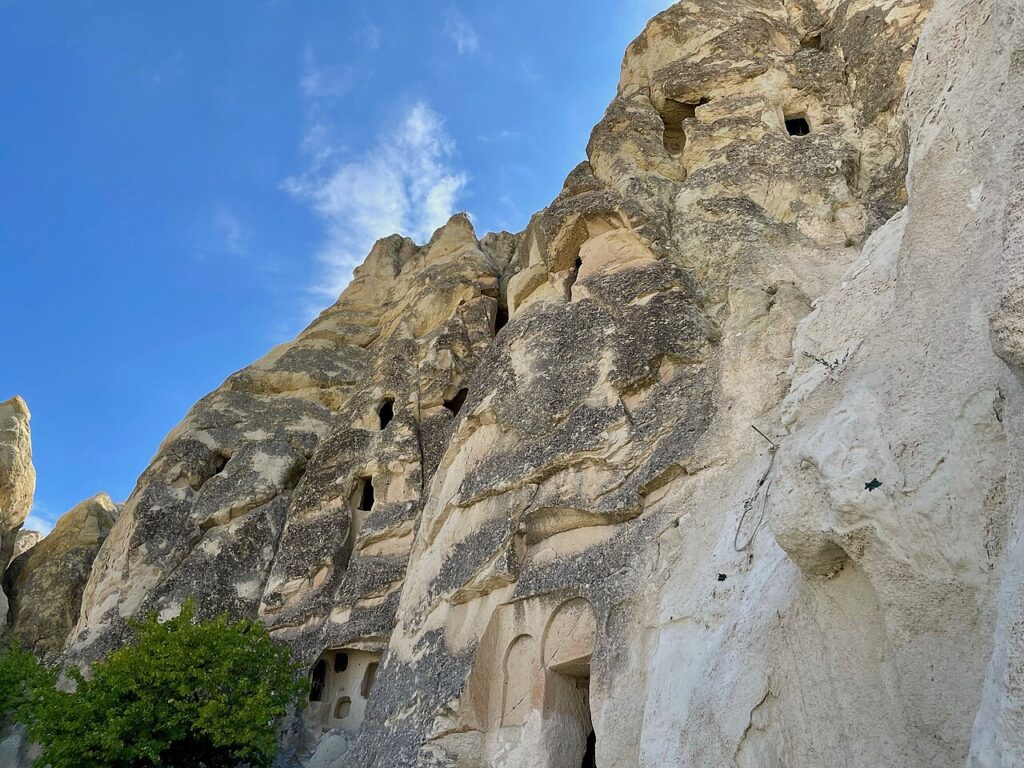
The history of Göreme runs in layers, and each layer is written in the rock. The first layer is the geological: the volcanic eruptions of the ancient Erciyes and Hasan Dağı laid the soft tuff, and the wind and the water carved the valleys and the fairy chimneys. The second layer is the ancient: the Hittites and the early peoples of the region dug the first caves and the first storage rooms. The third layer is the Christian: the early monks and the refugees of the Byzantine centuries carved the churches, the monasteries, and the underground cities, and painted the frescoes that still glow in the dark. The fourth layer is the Seljuk and the Ottoman: the caravanserais of the trade routes, the pottery towns, and the settlements that grew around the rock. The layers of Göreme’s history are stacked in the landscape, and the traveler reads them in the valleys and the caves.
History and Culture of Göreme: The Living Culture
The living culture of Göreme continues the layers in the present. The pottery of Avanos carries the clay tradition of thousands of years, and the workshops spin the same red clay that the region has always used. The carpet weaving, the stone carving, and the wine making continue the crafts of the region. The cave dwellings — abandoned for the modern houses, but increasingly restored as the hotels and the homes — show the continuity of the rock-cut life. The food of the region, the hospitality of the guesthouses, and the rhythms of the market and the tea garden keep the daily culture alive. The living culture of Göreme is the region’s answer to its own history: the crafts, the foods, and the life continue, and the traveler steps into the middle of the story.
History and Culture of Göreme: The Museums and the Sites
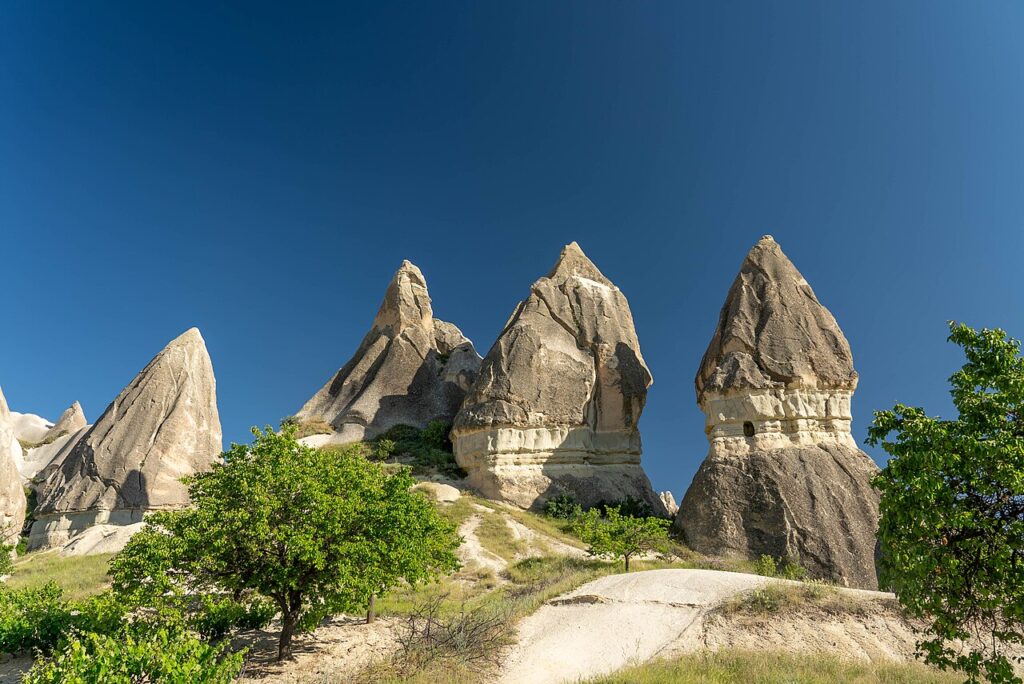
The museums and the sites of Göreme tell the history in the stone. The Göreme Open Air Museum is the centerpiece — the monastic complex of the rock-cut churches with the frescoes, carved between the ninth and the eleventh centuries and now a UNESCO World Heritage Site. The Zelve Valley, the abandoned cave settlement, shows the rock-cut life of the centuries, with its tunnels, its houses, and its churches. The underground cities of Derinkuyu and Kaymaklı plunge into the earth through the eight levels of the tunnels, the rooms, and the stone doors — the hidden refuges of the ancient communities. The museums of the region — the archaeological collections, the ethnographic displays — fill in the daily life and the crafts. The sites of Göreme’s history are the open-air lessons, and the traveler who walks them reads the region’s story in the rock itself.
The Cultural Continuity
The cultural continuity of Göreme links the past to the present in the visible ways. The cave rooms that once stored the grain now hold the hotel beds. The old churches and the monasteries, no longer in the daily use, are preserved as the museums and the monuments. The pottery wheels of Avanos spin the same clay that the ancient potters used, and the vineyards of the region grow the grapes of the ancestors. The continuity is also in the daily life: the bread baked in the stone ovens, the carpets woven on the looms, the tea served to the guests as it has been served for the centuries. The cultural continuity of Göreme is the region’s quiet magic, and the traveler who notices it sees the present in the light of the past.
The Takeaway
Göreme’s history is the story of the rock: the volcanic landscape, the Christian refuges, the Byzantine monasteries, the Ottoman village, and the modern gateway. The layers are all visible — the fairy chimneys, the cave churches, the frescoes, the village houses, the town of today — and the visitor who reads them understands the region’s wonder. The rock made the history, and the history made the wonder, and both are the Göreme that the travelers come to see.
Frequently asked questions
What is the history of Göreme?
The volcanic landscape, the early Christian refuges, the Byzantine monasteries, the Ottoman village, and the modern tourism center — the layers of the region’s story.
Why are there so many cave churches in Göreme?
The early Christians carved their churches into the soft volcanic rock, and the remote region sheltered the monastic life for centuries.
When was Göreme discovered by travelers?
The twentieth century brought the discovery, and the UNESCO listing of the region’s monuments cemented the fame.
Is Göreme still a living town?
Yes — behind the tourism lies a living community, and the residents are the keepers of the region’s culture.
Why are there so many caves in Göreme?
The soft volcanic tuff was easy to carve, giving the ancient peoples shelter, storage, churches, and whole underground cities.
Who carved the cave churches of Göreme?
The early Christian monks and communities of the Byzantine centuries, who carved the churches and painted the frescoes between the fourth and the eleventh centuries.
What is the Göreme Open Air Museum?
It is the monastic complex of rock-cut churches with Byzantine frescoes, carved between the ninth and the eleventh centuries and listed as a UNESCO World Heritage Site.

All Over Information
The All Over Information editorial team researches and writes practical English-language guides to Turkey. Facts are checked against official and local sources before publication, prices are published as dated ranges rather than quotes, and guides are revised when things change. We accept no sponsored posts, paid placements or paid links.
More guides like this

A First-Timer’s Guide to Goreme
Göreme is the heart of Cappadocia — the small town in the middle of the fairy chimneys, where the hot air balloons…
Goreme in Winter: What to Expect
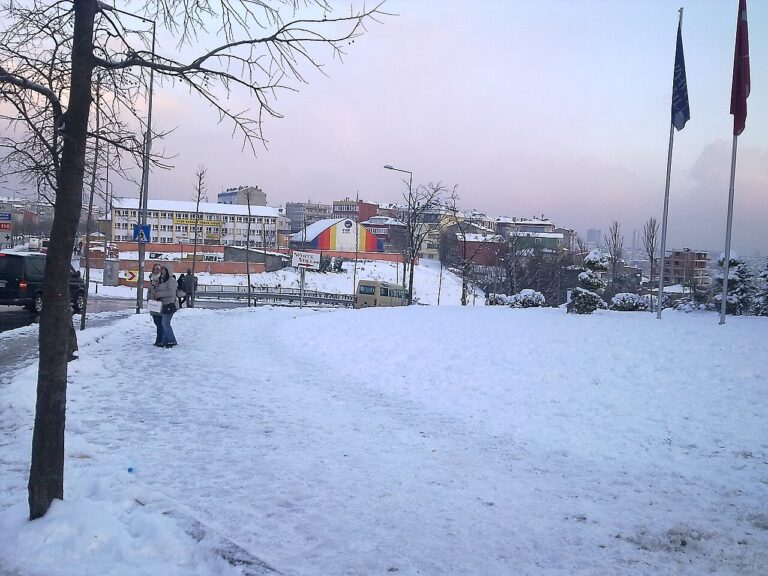
Winter transforms Göreme. The crowds vanish, the valley trails empty, and the town returns to its residents — with the landscape transformed…

48 Hours in Goreme: The Perfect Itinerary
Göreme is compact enough to see in two days, and the 48-hour visit is the classic Cappadocia introduction: the balloons at dawn,…

The Best Day Trips from Goreme
Göreme is the hub of Cappadocia, and the region's greatest sights lie within a short ride of the town.
Best Time of Year to Visit Goreme
Göreme is a region of seasons, and each one paints the rock differently.

Goreme on a Budget: Money-Saving Travel Tips
Göreme has a reputation as the expensive end of Cappadocia, and the balloon flights and the cave hotels can eat a budget…