Kalkan sits at the crossroads of the ancient civilizations, and the history of the town and its region runs deep beneath the whitewashed surface. The Lycians, the Romans, the Byzantines, and the Ottomans all left their marks, and the region around Kalkan holds some of the most important ancient sites of Turkey. This guide explores the history and the culture of Kalkan, from the ancient Lycian cities to the modern fishing town turned holiday destination.
The Ancient Lycian Land
The region around Kalkan was the heart of the ancient Lycia, the federation of the city-states that flourished in the first millennium BC. The Lycians were the seafaring people, and their cities — Xanthos, Letoon, Patara, Tlos — dotted the coast and the valleys around Kalkan; they left the rock-cut tombs, the sarcophagi, and the inscriptions that still mark the landscape; and their federation, the Lycian League, was the model of the democratic government that the later republics admired. The Lycian heritage surrounds Kalkan, and the tombs and the ruins lie within the short drives of the town.
The practical note: the Lycian sites around Kalkan — Xanthos, Letoon, Patara — are the UNESCO-listed ones, and the visitor explores them easily; the Lycian Way, the long-distance trail, follows the ancient routes and connects the sites; and the tombs of the region are the visible reminders of the ancient people.
The Ancient City of Patara
Patara, half an hour from Kalkan, was the great port of the Lycian League, and its ruins tell the story of the region’s golden age. The city served as the capital of the League and the seat of the assemblies; its harbor made it the rich one, and its oracle and its temples made it the sacred one; and it is known as the birthplace of Saint Nicholas, the fourth-century bishop who became the model for the Santa Claus. The ruins of Patara — the theater, the baths, the granary, the colonnaded street — spread beside the great beach, and the city’s story is the remarkable one.
The Roman and the Byzantine Eras
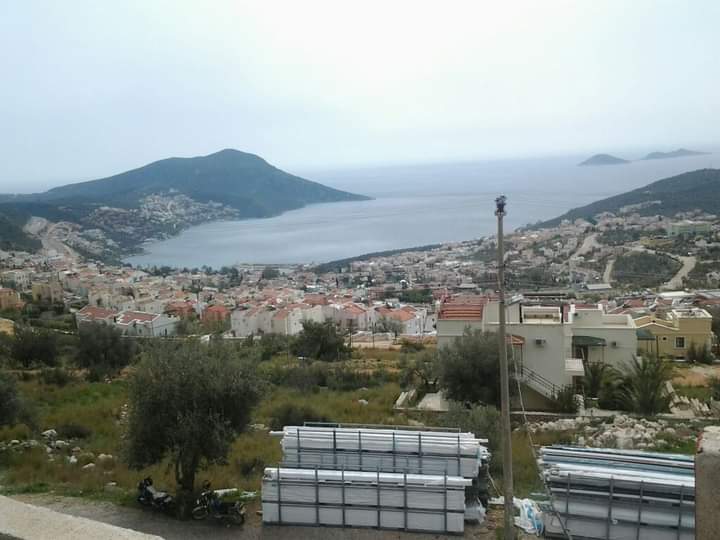
The Romans took over the Lycian region, and their era brought the theaters, the baths, the aqueducts, and the roads. The Roman theaters of the region — the one at Patara, the one at Tlos, the one at the nearby Side — still stand in the impressive condition; the Roman roads connected the coastal cities; and the prosperity of the era is written in the ruins. The Byzantine era followed, with the churches and the fortifications, and the region’s ports kept the trade moving through the early medieval centuries. The classical layers of the region’s history are the visible ones, and the visitor walks the streets of the ancient world.
The Era of the Pirates and the Forts
The medieval centuries brought the instability to the coast, and the region defended itself with the forts and the towers. The pirates worked the Mediterranean waters, and the coastal settlements built the defenses against them; the fortifications of the region — the castles, the watchtowers — date from these centuries; and the coast’s history of the raiding and the trading shaped the settlements. The defensive heritage of the region is the quieter one, and the fortresses of the area — the one at Kaleköy above the sunken city, the castles of the hinterland — remain to be explored.

The Ottoman Era and the Fishing Town
The Ottoman era brought the long stability to the region, and Kalkan grew as the small port and the fishing town. The Ottoman records place Kalkan among the coastal settlements of the Antalya region; the town’s harbor served the local trade, the fishing, and the shipping of the region’s produce — the timber, the charcoal, the olive oil; and the population of the era mixed the Turkish and the Greek communities, as was the pattern of the Anatolian coasts. The old stone houses of Kalkan date from these centuries, and the town’s character as the working port shaped its later life.
The Population Exchange
The twentieth century brought the great change to Kalkan and the region. The population exchange of 1923, which moved the Greek communities of Anatolia to Greece and the Turkish communities of Greece to Turkey, emptied the Greek villages of the region; the ghost town of Kayaköy, near Fethiye, is the haunting monument to this exchange, its hundreds of stone houses standing empty; and the town of Kalkan itself was affected, as the local Greek community departed. The exchange reshaped the demographics of the region, and the empty villages stand as the memory of the lost communities.

The Modern Holiday Town
The modern Kalkan began to take its current shape in the late twentieth century, when the visitors discovered the coast. The fishing town grew into the holiday destination, with the hotels and the villas climbing the hillside; the British and the European visitors came in the increasing numbers, and the town developed the restaurants, the bars, and the services of the tourist economy; and the whitewashed, the bougainvillea-covered Kalkan of today emerged from the working port. The transformation has been the remarkable one, and the town now lives by the tourism it once lacked.
The Culture of the Town
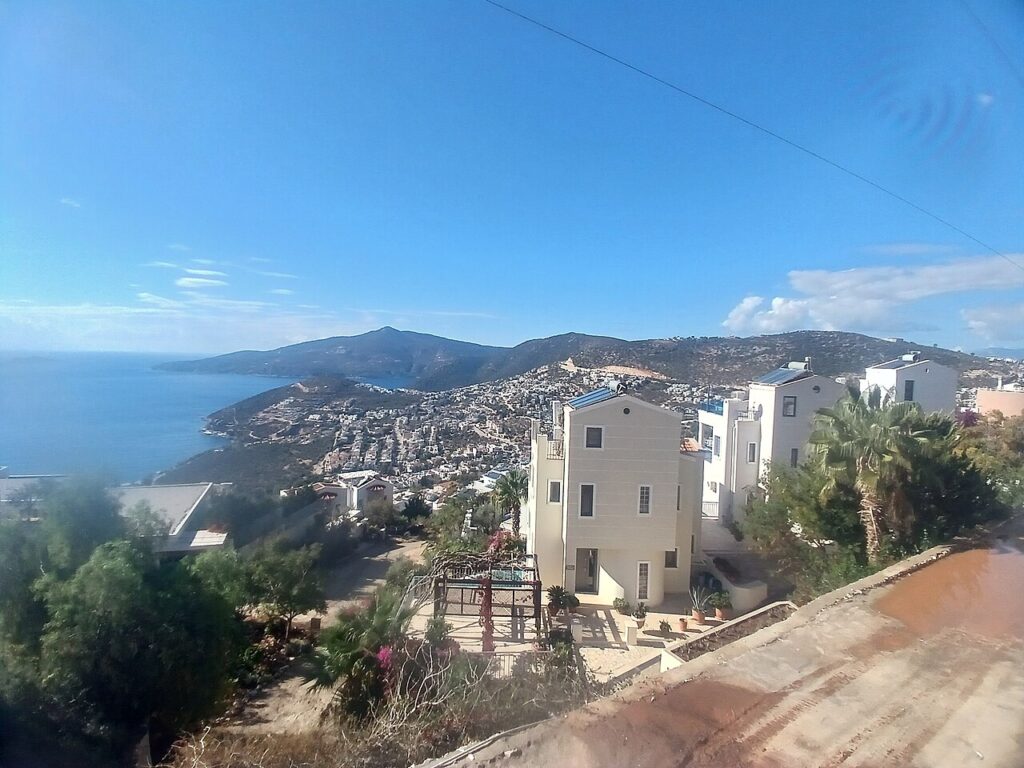
The culture of Kalkan blends the Turkish and the Mediterranean traditions, and the daily life of the town shows the mix. The çay and the Turkish coffee mark the social life, and the tea houses and the cafés are the centers of the conversation; the food of the town is the Mediterranean-Turkish one, with the meze, the fish, and the breakfasts of the region; and the hospitality is the warm one, with the visitors treated as the guests. The culture of the town is the relaxed one, and the pace of the life follows the sea and the seasons.
The Festivals and the Traditions
The festivals and the traditions of the region give the color to the year. The local festivals celebrate the harvests, the saints, and the seasons; the village celebrations of the hinterland bring the music, the dancing, and the feasting; and the religious holidays of the Turkish calendar — the Ramadan and the Kurban Bayramı — mark the year with the family gatherings. The visitor who arrives during the festivals sees the culture in the celebration, and the events of the region are the welcoming ones.
The Heritage of the Region
The heritage of the region is the deep one, and the visitor to Kalkan walks through the layers of the history. The Lycian tombs, the Roman theaters, the Byzantine churches, the Ottoman houses, and the modern town all lie within the reach of the visitor; the UNESCO-listed sites of Xanthos and Letoon, the sunken city of Kekova, and the ghost town of Kayaköy preserve the memories; and the Lycian Way connects the ancient routes. The heritage of the region is the accessible one, and the history is the living one.
The Culture of the Hospitality
The hospitality of the region is the defining cultural trait, and the visitor experiences it from the arrival. The Turkish hospitality — the çay offered, the help given, the conversation shared — is the warm one, and the small-town atmosphere of Kalkan keeps it genuine; the shopkeepers invite the visitors in for the tea, the hoteliers treat the guests as the family, and the locals greet the travelers on the lanes; and the culture of the welcome makes the stay the memorable one. The hospitality of Kalkan is the culture in action, and the visitor feels it daily.
The Local Life of the TownnnThe local life of Kalkan follows the rhythms of the sea and the seasons, and the visitor sees the daily patterns of the town. The morning brings the fishermen to the harbor, the coffee to the tea houses, and the first ferries and the boats to the water; the midday heat brings the siesta and the quiet lanes; and the evening brings the promenade, the dinners, and the conversations of the town. The locals of Kalkan live the coastal life, and the seasons turn the town from the busy summer to the quiet winter. The visitor who watches the local life sees the town beyond the tourism, and the rhythms of the place become part of the stay.n
The Takeaway
The history and the culture of Kalkan run deep beneath the holiday surface, and the region holds the ancient Lycian cities, the Roman theaters, the Byzantine heritage, and the Ottoman-era town. The modern Kalkan is the fishing port transformed into the holiday destination, and the culture of the hospitality remains the constant. The visitor who looks beyond the beaches finds the layers of the history, and the region tells the long, the rich story.
Frequently asked questions
What is the history of Kalkan?
Kalkan grew from the small Ottoman-era port and the fishing town into the modern holiday destination, surrounded by the ancient Lycian cities.
What ancient sites are near Kalkan?
Patara, Xanthos, Letoon, Tlos, and the sunken city of Kekova are all within the day-trip reach.
Who were the Lycians?
The ancient people of the region, whose federation of the city-states was the model of the democratic government.
What is the ghost town near Kalkan?
Kayaköy, the abandoned Greek village near Fethiye, emptied in the population exchange of 1923.
What is the culture of Kalkan like?
The relaxed Mediterranean-Turkish culture, with the hospitality, the tea culture, and the slow pace of the coastal life.

All Over Information
The All Over Information editorial team researches and writes practical English-language guides to Turkey. Facts are checked against official and local sources before publication, prices are published as dated ranges rather than quotes, and guides are revised when things change. We accept no sponsored posts, paid placements or paid links.
More guides like this
The Best Day Trips from Kalkan
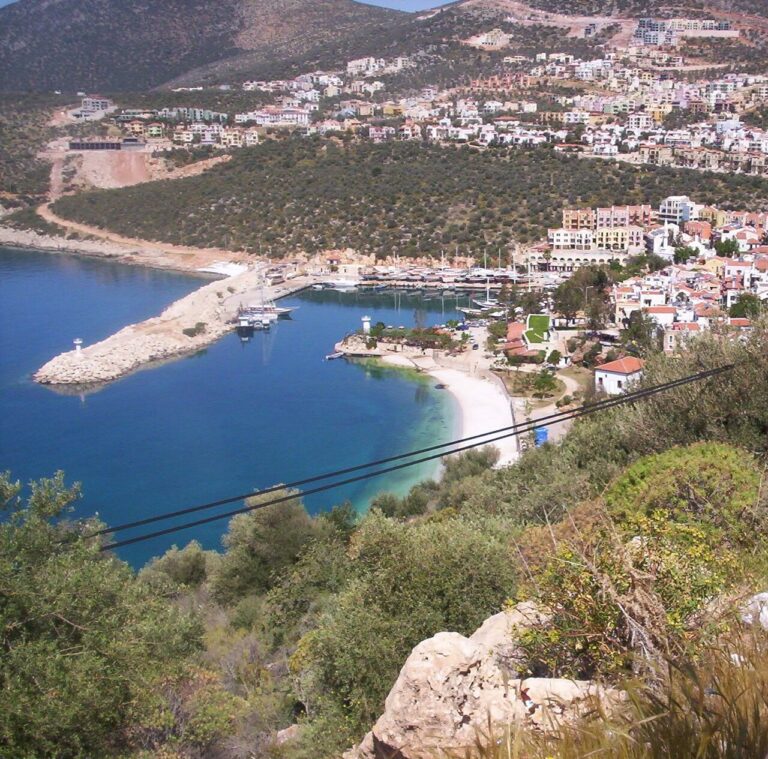
Kalkan sits in the middle of one of the richest stretches of the Turkish coast, and the day trips from the town…
Shopping Guide: What to Buy in Kalkan
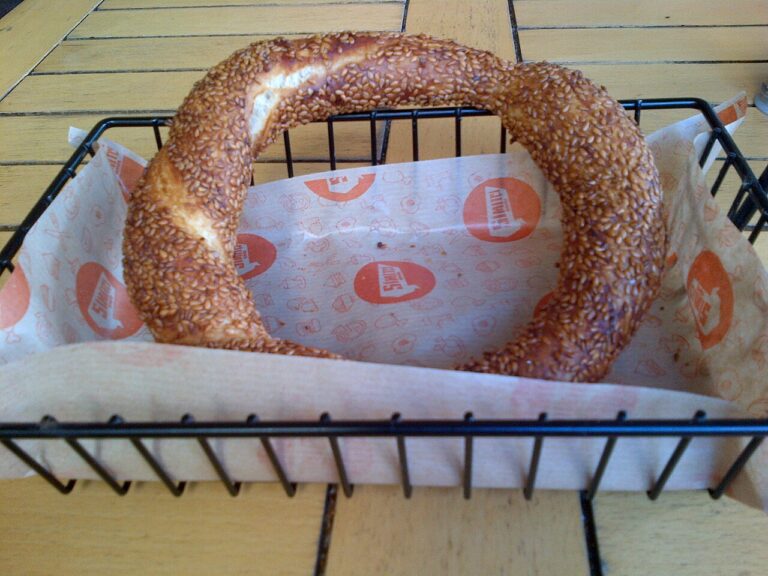
The shopping of Kalkan is the charming, the atmospheric one, and the lanes of the old town hide the shops full of…
A First-Timer’s Guide to Kalkan
Kalkan is the elegant harbor town of the Turkish Mediterranean, and it surprises the first-time visitor with its whitewashed houses, its bougainvillea-covered…
A Solo Traveler’s Guide to Kalkan
Kalkan is the elegant, the safe, the walkable town that suits the solo traveler beautifully, and the Mediterranean atmosphere rewards the traveler…

A Foodie’s Guide to Kalkan
Kalkan is the small town with the outsize food scene, and the foodie finds a remarkable concentration of the good eating in…
48 Hours in Kalkan: The Perfect Itinerary
Two days in Kalkan is enough to fall for the town and to taste the best of the coast, and the perfect…