Moda’s history is the history of the Asian side in miniature: a seaside village, a summer retreat of the wealthy, a cosmopolitan quarter of the late Ottoman era, and now the creative, café-lined neighborhood that the young of Istanbul call home. The name itself — “Moda” — points to its character: the fashionable quarter, the place of style. This is the story of how a small shore settlement became one of the most beloved neighborhoods in the city.
The Village Years
Before the cafés and the promenade, Moda was a modest seaside settlement on the Asian shore. The area was part of the wider Kadıköy district, which has claims to be among the oldest inhabited places in the region — the ancient Chalcedon stood nearby, and the shoreline has been lived on for millennia. The Moda of the Ottoman centuries was a village of gardens and summer houses, its life organized around the sea and the farms of the hills behind. The name appears in the records as a quiet corner of the Asian shore, the kind of place where the city’s families kept their summer retreats.
The Nineteenth Century: The Fashionable Quarter
The nineteenth century transformed Moda, as it transformed so much of the Ottoman shore. The city’s wealthy families — the Levantines, the Greeks, the Armenians, the Muslims of the capital — built their summer villas along the Asian shore, and Moda became a fashionable resort quarter. The name itself, from the French “mode,” captured the new character: the place of fashion, where the city’s elite came to be seen. The villas lined the shore, the gardens climbed the hills, and the ferries brought the day-trippers and the residents across the water. The Moda of the late Ottoman era was the summer address of the cosmopolitan Istanbul, and its character — elegant, relaxed, stylish — was set in those decades.

The Republic and the Modern Era
The twentieth century brought the changes that shaped the modern Moda. The Republic’s reforms and the population movements redrew the neighborhood’s composition, and the villas of the old families gave way to the apartment buildings of the growing city. The tram line, opened in the early twentieth century, connected Moda to the Kadıköy center and the ferry piers, and the neighborhood became a commuter quarter. The intellectual and the artistic life of Istanbul found a home on the Asian side, and Moda’s cafés and its streets became the territory of the writers, the musicians, and the students.
The Music and the Culture
Moda holds a special place in the culture of Turkish music. Cem Karaca, the legendary rock musician, lived in the neighborhood, and his statue now stands in its heart — the meeting point of the quarter, the tribute of the residents to their most famous son. The neighborhood’s musical life continues in its venues and its streets, and the statue is the symbol of the connection. Moda’s cultural character — the creative, the independent, the slightly bohemian — has made it the home of artists and writers, and the neighborhood’s identity is bound up with the cultural life of the Asian side.
The Modern Neighborhood
Today’s Moda is the product of the last decades’ transformation. The brunch culture made the neighborhood a destination, the seaside promenade became one of the most beloved walks in the city, and the property values climbed with the popularity. The neighborhood that was a summer resort is now a year-round community of the creative and the fashionable, and its social life — the promenade, the cafés, the market — is the visible surface of a deep pool of character. The changes have their critics, who mourn the old Moda, but the residents defend the character that remains: the sea, the pace, the sense of a place that has always known its worth.
The Culture of the Neighborhood
The culture of Moda is the culture of the Asian-side quarter: the café table as the social stage, the promenade as the daily ritual, the market as the pantry, and the sea as the constant. The neighborhood’s festivals are the city’s, but its daily life is its own: the morning joggers, the brunch crowds, the evening promenade, the musicians at the square. The cats of the streets are fed by the residents, the bookshops and the record stores curate the taste, and the whole neighborhood runs on the slow, social rhythm of the sea. Moda’s culture is a culture of belonging, and the visitor feels it the moment the tram arrives.
The Diplomats and the Internationals
The twentieth century made Moda an international neighborhood, and the mix remains part of its character. The neighborhood’s position on the Asian shore, its sea views, and its schools drew the international community — the diplomats, the business families, the teachers — and the mix of cultures shaped the quarter’s open character. The cafés and the shops serve the polyglot mix, the English and the Turkish mingling on the promenade, and the international community has become as much a part of Moda as the old families. The mix gives the neighborhood its cosmopolitan feel, and it is one of the reasons the quarter feels both deeply Turkish and entirely of the world.
The Preservation Debates
Like every beloved neighborhood, Moda lives with the tension between preservation and change. The old villas and the apartment buildings of the characterful streets are the prize in every argument, and the development pressure is constant. The residents debate the new buildings, the traffic, and the crowds, and the neighborhood’s character is the stake. The balance struck so far — the shore for the visitors, the streets for the residents, the old buildings saved where they can be — is fragile but real. For the visitor, the lesson is to respect the balance: enjoy the promenade, and leave the neighborhood’s daily life to the people who guard it.
A final reflection on the history: Moda’s past is written in its layers — the seaside village beneath the resort, the villas of the fashionable quarter, the tram of the modern era, the cafés of today. The traveler who reads the layers reads the whole story of the Asian shore in a single neighborhood, and the reading is the reward of the visit.

The Reading of the Neighborhood
The history of Moda is best read on foot, and the walking tour is the reading. Start at the shore, where the village began, and trace the layers inward: the villas of the fashionable quarter, the tram line of the modern era, the statue of Cem Karaca in the heart, the cafés of the present day. Each layer is visible, each is a generation, and the walk connects them into the single story of the neighborhood. The reading is the historian’s pleasure, and it is available to anyone with the feet and the curiosity. Walk the layers slowly, let each one speak, and the neighborhood tells its own history — the way it has always done, to anyone who takes the time to listen.
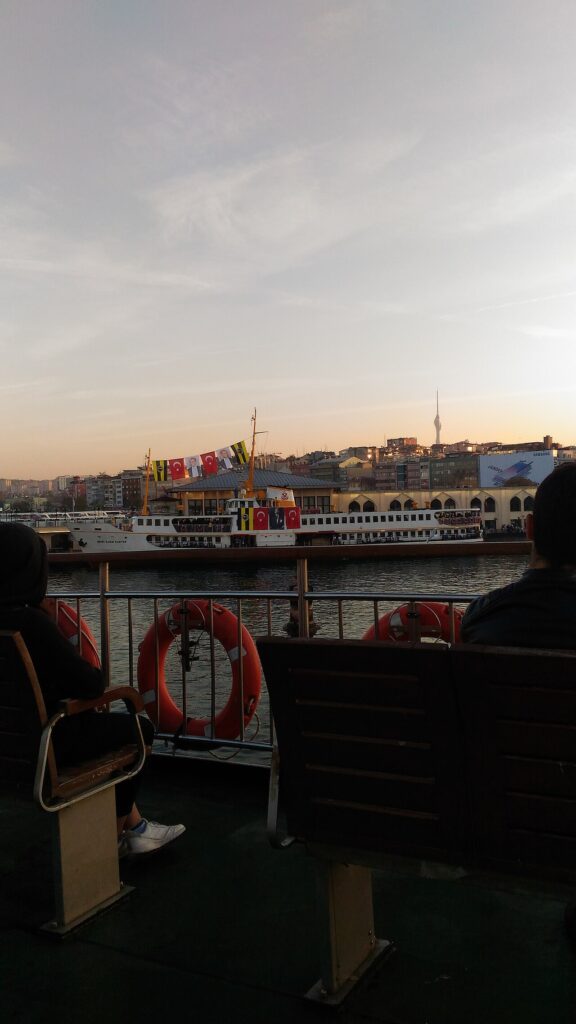
The history of Moda ends where it began: at the sea. The water that made the village, the resort, and the fashionable quarter has carried every era of the neighborhood’s life, and it still carries the ferries that bring the visitors and the residents alike. The neighborhood’s story is the Asian shore’s story, and the reading of either is the reading of both — a story that continues with every crossing, every season, every day on the promenade.
The layers of Moda — village, resort, quarter, community — are all visible to the traveler who walks and reads. The neighborhood is the fashionable quarter the name promises, and the story continues with every day on the shore.
The story of Moda is written in its layers, and the writing continues with every season on the shore.
The Takeaway
Moda’s history is the Asian side’s story in one neighborhood: the seaside village, the fashionable resort, the commuter quarter, the creative community of today. The layers are all visible — the old villas, the tram, the statue, the cafés, the promenade — and the visitor who reads them understands why the neighborhood is so beloved. It is the fashionable quarter the name promises, grown into the cultural heart of the Asian shore.
Frequently asked questions
What does the name Moda mean?
It comes from the French “mode” — fashion or style — reflecting the neighborhood’s character as the fashionable quarter of the Asian shore.
Why is Cem Karaca’s statue in Moda?
The legendary rock musician lived in the neighborhood, and the statue in its heart is the residents’ tribute to their most famous son.
When did Moda become fashionable?
The nineteenth century made it the summer resort of the city’s wealthy; the last decades made it the creative, café-lined neighborhood of today.
Is Moda still a residential neighborhood?
Yes — behind the cafés and the promenade lies a lively residential community, and the neighborhood’s everyday life continues around the visitor attractions.

All Over Information
The All Over Information editorial team researches and writes practical English-language guides to Turkey. Facts are checked against official and local sources before publication, prices are published as dated ranges rather than quotes, and guides are revised when things change. We accept no sponsored posts, paid placements or paid links.
More guides like this

How to Get to Moda from Istanbul
Moda sits on the Asian shore of Istanbul, and reaching it is one of the most scenic journeys in the city.

Hidden Gems of Moda Most Tourists Miss
Moda is a neighborhood that keeps its secrets close.
Best Time of Year to Visit Moda
Moda is a neighborhood of seasons, and each one gives the Marmara a different character.

Moda Airport and Transport Guide
Moda sits on the Asian shore of Istanbul, and its transport connections are among the best in the city.

Family-Friendly Activities in Moda
Moda is one of the most family-friendly corners of Istanbul, and the neighborhood seems designed for children.

Best Local Restaurants in Moda
Moda feeds the Asian side of Istanbul, and the neighborhood's tables have a following that crosses the Bosphorus.