Ordu looks like a young city, its waterfront rebuilt and its hills covered in modern houses, but the coast it stands on has been traveled, traded and settled for millennia. The history here is layered: ancient Greek colonies, Roman and Byzantine towns, the medieval kingdoms of the Black Sea, centuries of Ottoman rule, and the hazelnut economy that built the modern province.
This guide traces that story and shows you where each chapter is still visible in the city and its region.
The Land Between Sea and Mountains
The character of Ordu begins with its geography. A narrow strip of coast runs between the Black Sea and a wall of green mountains, and every settlement in the province is shaped by that squeeze: the towns hug the shore, and the hinterland climbs steeply into the hazelnut orchards and the high pastures above.
The sea gave the coast its trade and its connections, while the mountains gave it protection and pasture. The result is a culture that looks two ways at once, toward the water and toward the highlands, and the double life of coast and mountain runs through the whole history of the region.
To understand Ordu, start with the contrast between its shore and its peaks.
The Ancient Coast: Colonies and Kingdoms
The Black Sea coast was known to the ancient Greeks from the earliest age of exploration, and settlements and trading posts dotted the shore from the first millennium BC. The region lay within the sphere of the great Anatolian kingdoms, and the coast’s harbors served the trade in timber, metals and other goods of the mountains.
In the Hellenistic age, the coast fell within the kingdom of Pontus, whose rulers built their power along these shores, and the Roman conquest that followed absorbed the region into the empire. The ancient layers are thin on the surface of Ordu, but they are there, beneath the modern streets and in the museums.
The coast has been a place of ships and traders for three thousand years.

The Roman and Byzantine Centuries
Under Rome and its Byzantine successor, the coast was organized into the provinces that structured the eastern Black Sea, and the small towns of the region took their place in the imperial economy. Christianity spread along the coast, and churches and monasteries followed the trade routes.
The Byzantine centuries were a long, quiet age, punctuated by the raids and wars that crossed Anatolia. The region’s isolation, hemmed in by mountains, let it keep its own pace, and the coastal towns grew slowly on fishing, farming and the sea trade. The evidence of this era survives in the older monuments of the region’s churches and in the place names that still echo the Byzantine world.
Byzantine Ordu was a modest, rural corner of a great empire.
The Seljuk Frontier and the Empire of Trebizond
When the Seljuk Turks entered Anatolia in the eleventh century, the Black Sea coast became a contested frontier. The region was drawn into the struggles between the Turkish powers of the interior and the Byzantine world of the coast, and the mountains saw repeated campaigns.
In the centuries that followed, much of the eastern Black Sea fell under the influence of the Empire of Trebizond, the Byzantine successor state that ruled the coast from its capital far to the east. Its hold was strongest in the cities, while the highlands kept their own ways. The frontier life of this era left its mark on the castles and the fortified towns of the region.
Ordu’s medieval history is a story of borders, defended and redrawn.
The Ottoman Era and the Name of Ordu
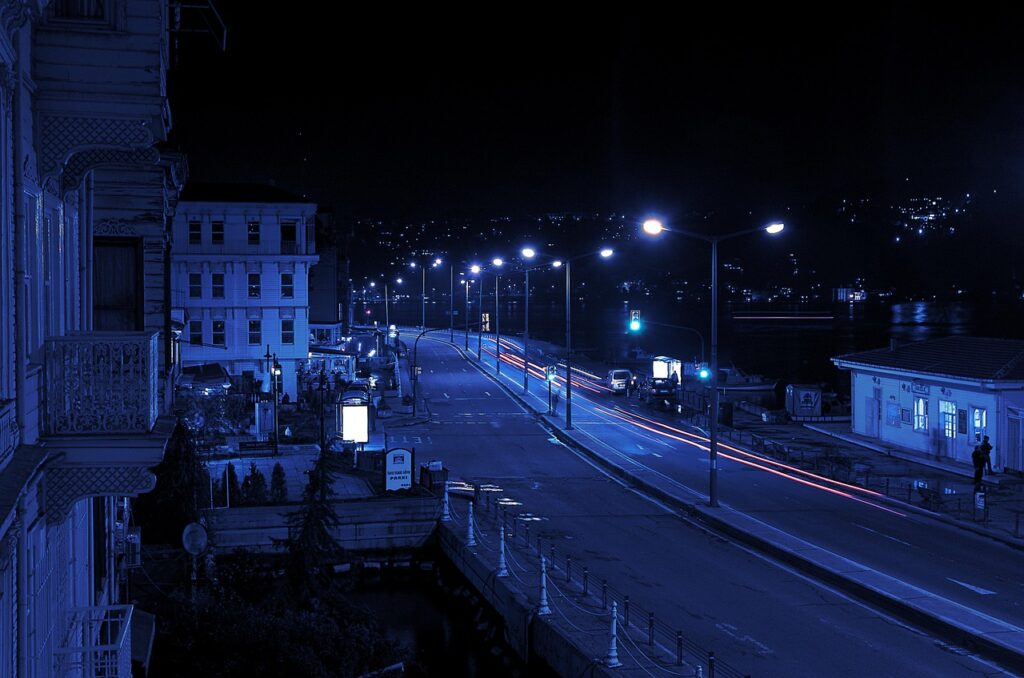
The Ottoman conquest of the region in the fifteenth century brought the coast firmly into the empire, and the area settled into centuries of provincial life. The town that became Ordu grew as a port and a market center, and it took its name, which means army in Turkish, from the military camps associated with the Ottoman campaigns of the Black Sea.
Under the Ottomans, the coast prospered quietly. The hinterland produced grain, timber and later the tobacco and hazelnuts that would shape the modern economy, and the town’s merchants traded along the sea. The Ottoman centuries also gave the region its settled Islamic character, while old Christian communities continued alongside.
The name of the city carries the memory of its Ottoman birth.
The Greek Community and the Exchange
For centuries, the coast of Ordu was home to a significant Greek-speaking community, whose fishermen, farmers and merchants shared the towns with the Muslim population. The relationship between the communities shaped the everyday culture of the region, from the architecture to the food.
In 1923, in the population exchange that followed the Turkish War of Independence, the Greek communities of the coast left for Greece, and their departure changed the region forever. The traces remain: in the old houses, the churches that became other buildings, and the family histories that still connect the two shores of the Black Sea.
The old quarter of Ordu holds the most visible memory of that lost world.
The exchange was part of the great reshaping of populations that followed the war, and it emptied the old Greek quarters of the coast almost overnight. The houses they left were taken over by families from the wider region, and the life of the town continued, changed but unbroken. Visitors today can read this history in the fabric of the old quarter, where the houses of the pre-exchange world still stand, and in the region’s museums, which preserve photographs and records of the era.

The Hazelnut Revolution
The modern history of Ordu is the history of a nut. From the late nineteenth century onward, the hazelnut spread across the hills of the coast and became the region’s dominant crop, transforming the landscape, the economy and the society of the province.
Hazelnut farming made the coast prosperous and shaped the rhythm of its year: the pruning of winter, the harvest of late summer, and the drying and trading that follow. The orchards climbed the hills until they covered the horizon, and the prosperity they brought built the modern towns of the region. Ordu is still the heart of Turkey’s hazelnut country today.
To understand the region, walk the orchards and talk to the growers.
The Republic and Modern Ordu
The Republic of Turkey inherited Ordu as a modest provincial capital and watched it grow through the twentieth century. The coast road, the port and later the airport, built on an island in the sea, tied the city to the wider country, and the hazelnut trade kept the economy moving.
The modern city has expanded along the shore and up the slopes, and its waterfront has been remade as a civic space, but the connection to the land remains. The universities, the markets and the daily life of the city all carry the region’s character, and the balance of sea, orchard and mountain still defines the place.
Modern Ordu is the old coast, repaved and rebuilt but recognizably itself.

Yayla Culture and the Highland Life
One of the great traditions of the region is the yayla, the summer migration to the high pastures. When the coastal heat arrives, families move up to the plateaus with their livestock, living in the mountain settlements, cutting hay and celebrating the highland summer with music and food.
The yayla culture is older than any empire on this coast, and it still shapes the year. The plateaus of Aybastı and Çambaşı fill each summer, the festivals draw crowds, and the cheeses and butter of the highlands find their way to the coastal tables. For the people of Ordu, the mountains are not scenery; they are a second home.
To meet the living culture of the region, go up in summer.
Music, Food and the Living Tradition
The daily culture of Ordu is warm, musical and tied to the table. The folk music of the Black Sea, with its quick rhythms and its keening songs, is carried by the region’s instruments and voices, and the evenings fill with songs at family gatherings and festivals.
The food is the other pillar of the tradition: the anchovies and the greens of the coast, the cheese and butter of the highlands, and the hazelnuts that sweeten everything. Hospitality is absolute, and a guest is fed as a matter of honor. The old customs, from weddings to harvest feasts, keep the region’s identity alive.
In Ordu, culture is not in the museums; it is in the kitchens and the songbooks.
A visitor who comes with time and an open ear will find the tradition still breathing: a fisherman singing as he mends his nets, a wedding that runs until dawn, a plateau festival where the whole village dances. These are not performances for tourists; they are the way the region lives. Join in as far as you are welcome, and you will leave with more than photographs.
Frequently asked questions
What does the name Ordu mean?
Ordu means army in Turkish, and the town took its name from the Ottoman military camps established on the coast during the campaigns of the Black Sea. The name reflects the city’s origin as a settlement of the Ottoman era.
How did hazelnuts shape Ordu?
From the late nineteenth century, hazelnuts spread across the hills and became the region’s dominant crop, transforming the economy, the landscape and the rhythm of life. The orchards still cover the hills today, and the harvest remains the central event of the provincial year.
What is the yayla culture of Ordu?
The yayla is the traditional summer migration to the high pastures, where families move up with their livestock to escape the coastal heat. The plateaus fill with mountain life each summer, and the festivals, food and music of the highland season remain one of the region’s defining traditions.

All Over Information
The All Over Information editorial team researches and writes practical English-language guides to Turkey. Facts are checked against official and local sources before publication, prices are published as dated ranges rather than quotes, and guides are revised when things change. We accept no sponsored posts, paid placements or paid links.
More guides like this

Top Things to Do in Ordu
Ordu is a city of small, deep pleasures: a cable car ride over the rooftops, a slow walk along a Black Sea…
A First-Timer’s Guide to Ordu
Ordu is the Black Sea city that most travelers miss, and that is precisely its charm.

Day Trip Ideas from Ordu
Ordu is a superb base for exploring the Black Sea coast and the mountains behind it.

Where to Stay in Ordu
Ordu is a compact city, and its accommodation choices are refreshingly simple.
Best Local Food in Ordu
Ordu cooks with what the sea and the hills provide: anchovies in every form, the cheese and butter of the highlands, collard…