Rize is a province whose history is written in its landscape. The steep coast and the mountains behind it shaped every chapter of its story, from the ancient peoples of the Black Sea to the tea plantations that transformed the hillsides in the twentieth century. The culture that grew here, the music, the food, the rhythms of the yayla, is among the most distinctive in Turkey, and it is still alive in every valley. This guide traces the history and culture of Rize.
The Ancient Coast: From Colchis to the Pontus
The coast of Rize has been inhabited since deep antiquity, when it lay within the world of the ancient Black Sea peoples. The region was connected to the legendary lands of Colchis, the country of the Golden Fleece, and to the Greek trading colonies that lined the coast from the first millennium BC.
The Greek cities of the Black Sea, from Sinop to Trapezus, drew the region into their networks of trade and settlement, and the coastal peoples of the area, the ancestors of today’s communities, lived between the sea and the mountains.
This ancient world left its mark in the region’s deep continuity: the same valleys, the same harbors, and the same mountain pastures have sustained the same ways of life for thousands of years. The landscape is the oldest document of Rize’s history.
Byzantine and the World of Trebizond
With the Roman and Byzantine centuries, the region became part of the Christian world of the eastern Black Sea. The coast carried the trade and the faith of the empire, and the valleys filled with the churches and the monasteries of a deeply Christian countryside.
After the fall of Constantinople in the thirteenth century, the coast became the heartland of the Empire of Trebizond, the successor state that ruled the eastern Black Sea from its capital at Trabzon. Rize lay within this empire’s lands until the Ottoman conquest.
The Byzantine and Trebizond centuries left their traces in the castles, the churches, and the place names of the province, and the memory of that Christian world survives in the region’s architecture and its layers of history.

The Ottoman Conquest and Settlement
The Ottoman conquest of the eastern Black Sea in 1461, which ended the Empire of Trebizond, brought Rize into the Ottoman world. The new rulers settled the region, built mosques and bridges, and drew the coast and the valleys into the empire’s networks.
The centuries that followed were a long period of settlement and conversion, during which the coastal and mountain peoples of the region became Muslim while keeping much of their language and their ways of life. The mosques of the province date largely from these centuries.
The Ottoman period also fixed the region’s administrative shape, with Rize emerging as a district center of the coast, and its traditional economy of fishing, farming, and mountain herding continued much as before.
The Hemşin and the Laz
The culture of Rize is carried by its peoples, above all the Laz and the Hemşin. The Laz, who speak a language of the ancient South Caucasian family, live along the coastal districts, and the Hemşin, whose origins reach into the highlands of the province, inhabit the mountain valleys.
Both communities have preserved their languages, their music, and their traditions through the centuries of change, and both have spread beyond the province, carrying the Black Sea culture across Turkey. Their identity is a matter of pride and deep roots.
For the visitor, the cultural texture of Rize is inseparable from these communities: in the place names, the music, the food, and the accents of the valleys. Understanding them is the key to understanding the province.

The Coming of Tea
The transformation of modern Rize began with tea. Encouraged by the republic from the 1920s, when the new state sought a domestic tea supply, and spreading rapidly after the 1940s, the plantations climbed the hillsides and remade the landscape and the economy.
The state tea enterprise, ÇAYKUR, organized the production and the processing, and tea became the identity of the province: its fields, its factories, its rituals, and its prosperity. The hillsides that once carried corn and hazel became seas of green.
Tea changed everything: the calendar, the work, the money, and the self-image of the region. The story of modern Rize is, above all, the story of the leaf that carpets its mountains.
The Yayla Culture
The high country of Rize is the home of the yayla culture, the seasonal migration of people and herds to the summer pastures. Each spring, the families of the valleys move their animals up to the plateaus, and the high meadows come alive with wooden houses and the work of the season.
The yayla is more than an economy; it is a whole way of life, with its own calendar, its own festivals, and its own social world. The plateaus of Ayder, Pokut, and the rest are the summer capitals of the region’s culture.
For the visitor, the yayla season, from June to September, is the best time to meet the region’s traditions in motion. The plateaus are the stage on which the culture of the highlands performs itself each year.

Folk Music: Horon and Kemençe
The music of Rize is the music of the Black Sea, and its emblem is the horon, the whirling chain dance of the coast. The dance, with its quick steps and its shoulder-shaking figures, is performed at every celebration, and its energy is the signature of the region.
The kemençe, the small three-stringed fiddle of the Black Sea, is the instrument of the horon, and its keening sound carries the region’s songs of the sea, the mountains, and the seasons. The tradition is alive in every village and wedding hall.
The music of Rize is accessible to visitors through the festivals of the summer, the weddings that welcome guests, and the recordings of the region’s famous players. It is the sound of the province, and it is unforgettable.
The Mountain Economy: Honey and the Highlands
Beyond tea, the mountains of Rize sustain a smaller, older economy of herding, beekeeping, and the harvest of the high meadows. The plateaus graze the cattle that supply the region’s dairy, and the wildflowers feed the bees that make its honey.
The most famous product of this mountain economy is Anzer honey, made on the high plateau of Anzer and prized across Turkey for its flavor and its traditional reputation. Its production is small, seasonal, and entirely dependent on the high country.
This economy keeps the yayla culture alive and gives the province its character beyond the tea terraces. The highlands are not scenery; they are working landscape, and their products arrive on every Rize table.
Modern Rize
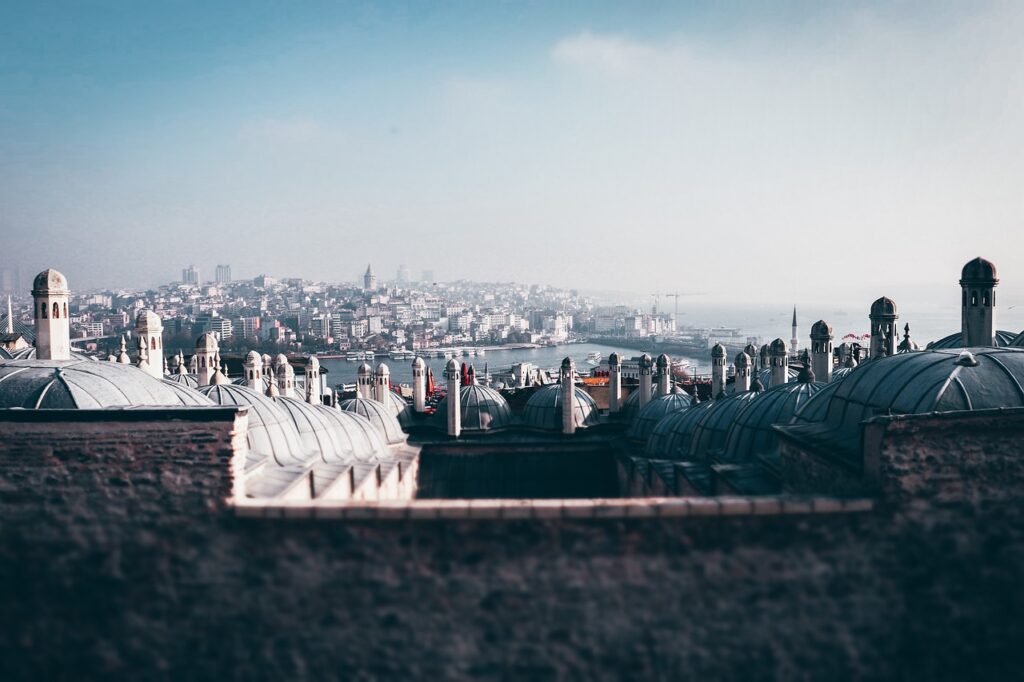
Modern Rize is a provincial capital of the republic, its economy built on tea, its society shaped by migration, education, and the universities that now anchor the city. The opening of the Rize-Artvin Airport in 2022, built on a peninsula in the sea, tied the province more closely to the rest of Turkey.
The city has grown along the narrow coastal strip, while the valleys have emptied as young people moved to the cities of the west. The tension between the old mountain world and the new coastal economy is the texture of modern Rize.
For the visitor, modern Rize is a working, welcoming city, proud of its tea and its landscape, and increasingly practiced at showing both to the world. The airport has opened it, and the world has begun to come.
Daily Life and the Tea Ritual
Daily life in Rize runs on tea. The morning begins with the first glass, the working day pauses for the ritual, and the evening settles into the long session of the tea garden, where the glass is refilled until the conversation is done.
The tea ritual is the social institution of the province, the medium of hospitality, courtship, business, and friendship. To be in Rize is to be drawn into it, and the visitor who resists will be gently, endlessly resupplied.
Beyond the tea, daily life follows the rhythms of the coast and the valleys: the fishing boats, the school runs, the market days, and the long Black Sea evenings. The province is unhurried, and the tea is the clock.
The Culture of the Table
The table of Rize is the daily expression of the province’s history. The anchovy of the sea, the corn and cabbage of the gardens, the cheese and honey of the highlands, and the tea of the plantations all meet on the same plate.
The meals are generous and communal, built around the family and the seasons, and the hospitality is the warmest in Turkey. The highland breakfast of cheese, honey, and corn bread, and the winter pots of the coast, tell the story of the land that feeds them.
To sit at a Rize table is to receive the province’s culture in its most direct form. The food is the memory of the place, and the welcome is its character.
Frequently asked questions
Who are the Laz and the Hemşin?
The Laz are a people of the eastern Black Sea coast who speak a language of the South Caucasian family, and the Hemşin are a mountain community of the province with their own origins and traditions. Both have preserved their languages, music, and ways of life within Rize.
When did tea come to Rize?
Tea was encouraged by the Turkish republic from the 1920s, when the new state sought a domestic supply, and the plantations spread rapidly after the 1940s. The state tea enterprise, ÇAYKUR, organized production, and tea transformed the province’s landscape and economy.
What is the yayla culture?
The yayla is the seasonal migration of families and herds to the high summer pastures of the Kaçkar country. Each year, from June to September, the plateaus come alive with wooden houses, festivals, and mountain work, and the tradition remains the living heart of the region’s highland culture.

All Over Information
The All Over Information editorial team researches and writes practical English-language guides to Turkey. Facts are checked against official and local sources before publication, prices are published as dated ranges rather than quotes, and guides are revised when things change. We accept no sponsored posts, paid placements or paid links.
More guides like this

Best Local Food in Rize
The food of Rize is the cooking of the eastern Black Sea, one of the most distinctive regional kitchens in Turkey.
Top Things to Do in Rize
Rize offers a concentration of landscape that few provinces of Turkey can match: the endless green terraces of the tea country, the…
Day Trip Ideas from Rize
Rize is one of the best-situated bases on the Black Sea coast, with the tea terraces, the gorges, and the high plateaus…

Where to Stay in Rize
Rize offers two completely different places to sleep, and the choice between them shapes your whole trip.
A First-Timer’s Guide to Rize
Rize is the greenest province of Turkey, a narrow strip where the Black Sea meets mountains that rise to nearly four thousand…