Everyone asks this question, and the honest answer is: it depends more on you than on Turkey. The country spans a remarkable range, from shoestring backpacker territory to luxury resort living, and the same week can cost dramatically different amounts depending on your choices. What is true for everyone is that Turkey remains a destination where your money goes far, especially compared with Western Europe, and where the gap between tourist prices and local prices is unusually wide. This guide breaks down the costs of a week in Turkey honestly, item by item, so you can budget with your eyes open and make your money work as hard as you do.
The Honest Overview: What a Week Really Costs
The first thing to understand is that there is no single answer to the cost question, only a range, and the range is wide. The three great variables are where you go, how you travel, and when: Istanbul and the resort coasts cost more than the interior, comfort costs more than basics, and the summer season costs more than winter.
The second thing is that Turkey is generally a mid-to-low-cost destination for most visitors, and the exchange rate of the Turkish lira has made it more affordable for many travelers in recent years. Your week will cost a fraction of what the same week costs in London, Paris, or New York.
The third thing is that the tourist economy and the local economy are two different price worlds. Eat, sleep, and travel where the locals do, and your money stretches enormously; stick to the tourist strips, and costs rise quickly toward home-country levels.
Flights: The First Big Line Item
For most visitors, the flight is the single largest cost of the trip, and it is the item that varies most with where you come from. Turkey is served by two airports in Istanbul and dozens of regional airports, and the country’s airline connects them all at low prices.
The practical advice is the same as for any destination: book early, fly midweek, and compare the Istanbul airports. Once in Turkey, domestic flights between the major cities and the resorts are inexpensive by international standards, and they turn a week into a comfortably paced trip.
For travelers coming from Europe, the flight options are especially plentiful, with low-cost carriers serving the coasts and the cities. The flight is worth planning around, because it is the one cost you cannot reduce with local choices.

Getting Around: Transport Budgets
Turkey’s transport network is one of the great travel bargains of the region, and how you use it shapes your costs. The intercity bus network is extensive, comfortable, and cheap, and it is the backbone of budget travel across the country.
Trains are growing in reach, with high-speed services between the main cities, and the ferries that cross the country’s seas are an experience in themselves. Within cities, the metro systems, trams, and the reloadable transit cards keep urban transport costs minimal.
A rental car changes the picture: it adds a significant daily cost, plus fuel, and it is worth it mainly for the regions where buses are thin and the countryside is the point. For most travelers, a mix of buses, trains, and the occasional domestic flight is the most cost-effective way to see the country.
Accommodation: The Range of Choice
Accommodation is where the range of Turkish travel costs shows most clearly. At the basic end, hostels, guesthouses, and simple pensions deliver some of the best value in Europe, with clean, sociable beds in excellent locations for modest sums.
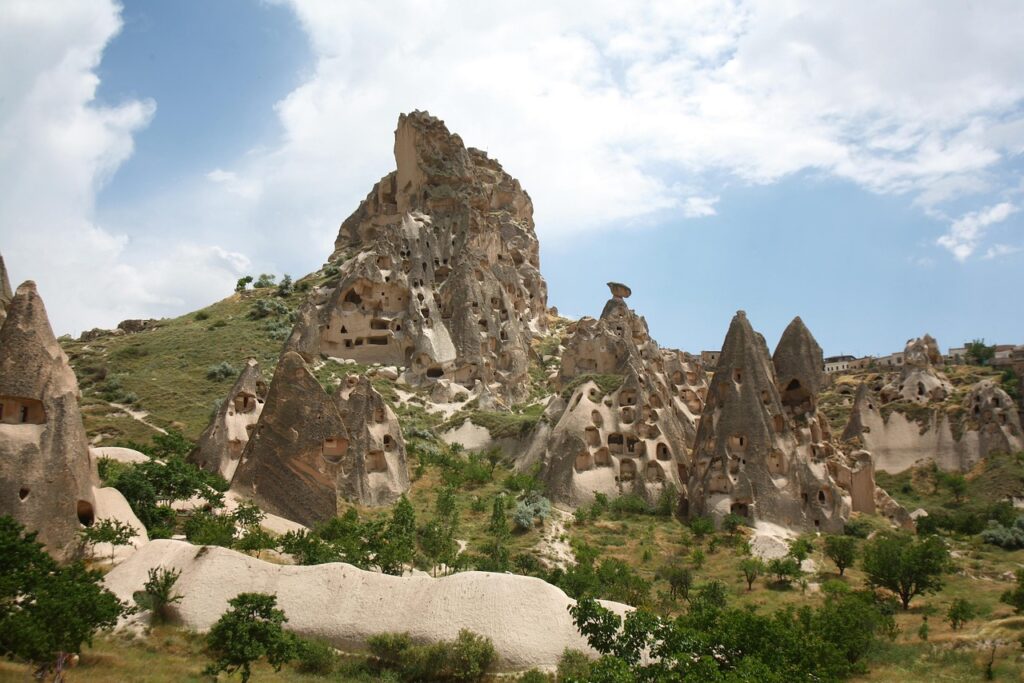
At the middle level, boutique hotels, family-run pensions, and apartment rentals offer comfort and character without breaking the bank, and this is the sweet spot for most travelers. The famous cave hotels of Cappadocia and the luxury resorts of the coasts sit at the top of the range, and they cost accordingly.
The seasons move the numbers: the summer peaks on the coasts and the spring and autumn peaks in Cappadocia push prices up, while winter brings the year’s best accommodation values almost everywhere. Location matters too, with the tourist quarters costing more than equally pleasant neighborhoods a few streets away.
Food: Eat Well, Spend Wisely
Food in Turkey is a highlight of travel, and it can cost almost nothing or as much as anywhere, depending entirely on where you eat. The neighborhood lokantas, the street stalls, and the bakeries serve excellent meals at prices that would be unthinkable in most of Western Europe.
The tourist restaurants with the multi-language menus and the waiters at the door charge several times more for the same quality, sometimes more. The rule that serves every traveler is to eat where the locals eat: the lunch crowd, the working neighborhood, the market street.
Breakfast is its own institution, and the traditional Turkish breakfast, loaded with cheeses, eggs, and bread, is both a pleasure and a value. Between the simit stands, the lokantas, and the occasional special meal, a week of eating well in Turkey is a modest line in the budget.
Sights and Activities: Where the Money Goes
Entry fees and activities are the area where Turkish prices have risen most, and they are the costs to plan around. The headline sights, from the museums of Istanbul to the ancient sites of the coasts, charge entry fees that add up over a week.
The good news is that many of the country’s pleasures are free: the mosques, the bazaars, the old towns, the beaches, and the landscapes. The great value lies in walking cities, exploring neighborhoods, and enjoying the public life that makes Turkey so enjoyable.
The big optional costs are the experiences: balloon flights over Cappadocia, boat trips along the coasts, and guided tours. They are the memory-makers of a Turkish trip, and they deserve a place in the budget, but they are the line items where prices rise fastest, so decide which ones matter to you.

Istanbul vs. The Rest of Turkey
Istanbul is the country’s most expensive city, and the gap between it and the rest of Turkey is real. The same hotel room, the same meal, and the same taxi ride cost noticeably more in Istanbul than in almost any other Turkish city.
The coasts are the next level up, especially in the high season, while the interior cities, the plateau, and the east offer the lowest prices in the country. Cappadocia is the exception: its popularity has pushed its prices above the surrounding region.
The practical implication is that the mix of your itinerary drives your budget. A week split between Istanbul and Cappadocia costs more than a week in the interior or the smaller coasts, and travelers who blend the expensive highlights with the affordable interior get the best of both.
How to Make Your Money Go Further
The single most effective budget strategy in Turkey is to shift your money from the tourist economy to the local economy. Stay a neighborhood away from the main square, eat where the workers eat, use the public transport, and shop at the markets, and your money stretches remarkably.
The second strategy is season. The shoulder months of spring and autumn deliver the best weather and the lowest prices, and winter is cheaper still, especially for accommodation. The summer peaks are the most expensive window for almost everything.
The third is planning: book the flights and the headline experiences early, keep the rest flexible, and avoid the paid extras that are never quite what they promise. A week in Turkey, planned this way, delivers extraordinary value for money.

Where the Money Leaks: Hidden Costs
The costs that quietly inflate a Turkish budget are rarely the big items. Tourist-marked taxis, commission-driven tour sellers, and restaurants with menu prices that change at the table are the classic leaks, and they are avoidable with awareness.
The small charges add up too: the sightseeing tours that were not planned, the souvenirs bought at the first shop rather than the market, and the transport upgrades that seemed small at the time. None of these is a problem in itself; together, they drift a budget.
The honest advice is to build a small buffer into the budget for the unplanned pleasures, and to treat the obvious tourist traps with skepticism. The travelers who overspend in Turkey are usually the ones who never left the tourist strip, not the ones who explored.
Sample Weekly Budgets: From Shoestring to Comfort
A shoestring week in Turkey, with hostel dorms, local food, buses, and free sights, is one of the great budget trips in Europe, achievable at a fraction of what the same standard of travel costs elsewhere. The trade-offs are comfort and time, not quality.
A mid-range week, with pleasant hotels, restaurant meals, a couple of experiences, and the occasional domestic flight, remains genuinely affordable, and this is the standard that most travelers report as the best value for money in Turkey.
A comfortable week, with boutique hotels, good restaurants, private transport, and the full menu of experiences, costs a sensible sum that still undercuts comparable weeks in Western Europe. The range is enormous, and the honest summary is that a week in Turkey costs what you decide it costs.
Frequently asked questions
How much should I budget per day for a trip to Turkey?
There is no fixed number, but the range is wide: shoestring travelers can keep daily costs very low with dorms and local food, mid-range travelers spend a moderate daily amount on hotels and restaurants, and comfort travelers spend significantly more, especially in Istanbul and the resorts. The best approach is to price the big items, then add a daily estimate that matches your style.
Is Turkey an expensive country for tourists?
No, by most standards Turkey is good value, and for many visitors it is clearly affordable, with the lira’s exchange rate making it cheaper than Western Europe for hotels, food, and transport. The exceptions are the headline sights, the balloon flights, and the high-season resort prices, which are best budgeted in advance.
What is the biggest cost of a Turkey trip?
For most visitors, the international flight is the single largest cost, followed by accommodation if you choose comfort, and then the experiences such as balloon flights and boat trips. Food and transport are the bargains. A week’s budget built around these priorities will be honest and realistic.

All Over Information
The All Over Information editorial team researches and writes practical English-language guides to Turkey. Facts are checked against official and local sources before publication, prices are published as dated ranges rather than quotes, and guides are revised when things change. We accept no sponsored posts, paid placements or paid links.
More guides like this

How Does the Turkish School System Work for Expat Children?
Moving to Turkey with school-age children raises questions that no packing list can answer.

Is Turkey a Good Destination for Retirees?
Turkey has become a popular destination for retirees, and for good reasons: a warm climate, a lower cost of living than most…
Is Turkey Expensive Compared to Europe Right Now?
The honest answer is that Turkey is still cheaper than most of Western Europe for travelers, but the gap has narrowed, and…
What Is the Difference Between Turkish and Greek Cuisine?
Turkish and Greek food look like siblings, and that is because they are: two cuisines that grew from the same Mediterranean soil,…
What Are the Residency Requirements for Retirees in Turkey?
Turkey has become one of the most popular retirement destinations in the Mediterranean, and for good reason: warm winters, a low cost…

What Is Life like for Digital Nomads in Turkey?
Turkey has become one of the most talked-about destinations for remote workers, and the reputation is deserved.