Tipping in Turkey is a gentle practice rather than a rigid rule, and understanding it helps you navigate restaurants, hotels, tours, and taxis with confidence. Service charges are not always included in bills, so a tip of around ten percent is appreciated in sit-down restaurants, while rounding up is fine for taxis and small services. Tipping is not expected with the same insistence as in some other countries, and the amounts are generally modest. This guide explains where tipping applies, how much is appropriate in each situation, and the small habits that ensure your gratitude is received warmly, wherever your Turkish travels take you.
The Short Answer
Turkey’s tipping culture is flexible and friendly. In restaurants, a tip of around ten percent of the bill is the norm in tourist areas, while locals often leave a little less. For taxis, rounding up the fare is customary. For tour guides and hotel staff, a few notes go a long way.
The key distinction is between service businesses, where tips are expected and appreciated, and everyday purchases, where they are not. Shopkeepers, market vendors, and supermarket staff do not expect tips, and none will be offended if you do not leave one.
The overall feel is relaxed. Turks are gracious hosts, and a fair tip delivered with a smile is remembered far better than a large one given grudgingly. Generosity is welcome, but precision is not required.
Tipping in Restaurants
In sit-down restaurants, tipping is the standard practice, and ten percent of the total is the common guideline in places that serve tourists. Many restaurants include a service charge on the bill, so check before adding a tip, and leave something extra only if the service was notably good.
Locals tend to leave between five and ten percent, sometimes simply rounding up the bill. In fine dining, a full ten percent is appropriate, while in casual lokantas, the small eateries that serve home-style food, a modest tip or rounding up is plenty.
When you pay by card, you can usually add a tip in cash on the table, since card machines often do not include a tip option. Leaving cash on the table with a smile is understood perfectly well everywhere.

Tipping in Cafes and Bars
In cafes, where you order at the counter, tipping is minimal. Leaving loose change in the tip jar or rounding up to the nearest note is the norm, and regulars may leave a little more at their favorite spot.
In bars and pubs with table service, treat the staff like restaurant waiters: around ten percent is appreciated for served drinks, while drinks collected at the bar carry no tipping expectation at all.
The universal drink in Turkey is tea, served everywhere in small glasses, and nobody expects a tip for a glass of tea, even at the most scenic viewpoint cafe. A smile and thanks are the currency that matters most there.
Tipping Hotel Staff
Hotel staff appreciate small tips for services rendered. A few notes for the porter who carries your bags to the room is standard, and housekeeping staff appreciate a small daily tip left in the room, which is a kindness travelers often overlook.
The concierge, who arranges restaurants, tickets, and tours, deserves a more generous tip for significant assistance, especially in luxury hotels. If the service is exceptional, the tip should reflect it.
The amounts are modest by international standards. What matters is the gesture, and hotel staff in Turkey respond to it with genuine warmth, remembering guests who treat them well.

Tipping Tour Guides and Drivers
Tour guides and drivers are the people whose income depends most on tips, and they are the ones who most deserve generosity. For a full-day group tour, a tip per person is standard, with more for exceptional guiding and private tours.
Drivers who take you through long distances, such as the multi-day tours of Cappadocia or the coast, should be tipped separately from the guide, and the amounts depend on the length and quality of the trip.
The timing matters too: tips are usually given at the end of the tour, and a brief, sincere thank-you in Turkish, “tesekkur ederim,” accompanies the gesture well. Guides remember generous travelers, and the feeling is mutual.
Tipping in Taxis
Taxis follow the simplest rule of Turkish tipping: round up the fare and move on. A fare of ninety lira becomes a hundred, and the driver is satisfied. Nobody calculates percentages for short city rides.
For longer trips, such as airport transfers, a similar rounding up works, and for help with heavy luggage, an extra note is a kind gesture. App-based rides include the price upfront, and adding a tip through the app is optional.
Drivers in Turkey do not pressure passengers for tips, and they will not chase you for one. The rounding-up habit is enough to keep the relationship friendly, which is exactly how Turkish tipping is meant to feel.

Tipping at Spas and Hamams
The hamam, the traditional Turkish bath, is a ritual with its own tipping customs. The attendant who washes and massages you is typically tipped, and the amount depends on the length and type of service, with an extra note for a massage.
In upscale hotel spas, tips follow the same logic, and the ten percent guideline applies to the service total. Some spas include a service charge in the price, so check the bill before adding anything.
As with restaurants, cash tips are the most practical, and a note handed directly with thanks is received exactly as intended. The hamam attendant’s smile is the best confirmation that your gesture was right.
When Tipping Is Not Expected
Equally important is knowing where tips do not belong. Shops, markets, and bazaars have no tipping culture; the price you negotiate is the price, and nothing extra is expected or appropriate.
Fast food, street food, and takeaway counters sit outside the tipping circle too, and public transport, whether bus, tram, or ferry, involves no tipping at all. Even in the most touristic settings, these transactions are tip-free.
This absence of expectation is a relief for travelers. In Turkey, you can enjoy a meal, take a taxi, and buy a souvenir without constantly calculating gratuities, and your generosity can be focused where it truly matters.

How to Tip: Cash and Card
Cash remains the practical way to tip in Turkey. Restaurants, taxis, and guides all respond well to notes handed over directly, and small denominations make the gesture simple.
Card tipping is possible in some modern restaurants and hotels, where the machine offers a tip option, but it is less common. When in doubt, carry a supply of small notes, which are useful for everything from tips to market purchases.
The final rule is a smile. A tip delivered warmly is a thank-you; a tip delivered coldly is a transaction. Turkish culture values the human connection, and the friendliest tipper is remembered as the most generous.
A Simple Rule of Thumb
If you remember nothing else, remember this: ten percent in restaurants, rounded-up fares in taxis, and generous thanks for guides. These three habits cover ninety percent of your tipping situations in Turkey.
For everything else, follow the local lead. Watch what the people around you do, and match their behavior. In a country as hospitable as Turkey, that instinct will rarely steer you wrong.
And when in doubt, a little extra is never resented, while a little less is rarely noticed. Turkish tipping is forgiving by design, and travelers who approach it with goodwill always get it right.
Tipping on Boat Trips and Day Excursions
Boat trips along the coast, from the Bosphorus cruises of Istanbul to the gulet tours of the Mediterranean, involve their own tipping logic. On a day boat trip, tipping the captain or crew is appreciated, and the amount reflects the service and the size of the group.
On multi-day gulet cruises, a collective tip for the crew is customary at the end of the voyage, and the amount is usually decided by the group, handed over with thanks to the captain. The crew work long days, and their hospitality defines the trip.
Day-excursion drivers and the staff at rural sites follow the same pattern as city guides: modest tips, delivered with warmth, keep the local economy smiling. Wherever you are carried, fed, or guided, a tip is the natural way to say thanks.
Cultural Notes on Gratitude
Tipping in Turkey is best understood as part of a culture of hospitality. Turks express gratitude with words, tea, and gestures, and money is just one channel. A tip combined with a genuine “tesekkur ederim” carries far more weight than notes alone.
You will also be on the receiving end of generosity: shopkeepers offering tea, locals buying you coffee, strangers helping with directions. The culture expects you to receive these graces warmly, and reciprocating in kind is the elegant response.
In practice, this means tipping without fuss: hand the note over naturally, meet the person’s eyes, and smile. The Turkish way is to make money feel personal, and travelers who adopt that spirit find their kindness remembered long after the notes are spent.
Frequently asked questions
Is tipping expected in Turkish restaurants?
Yes, around ten percent is standard in sit-down restaurants, though locals often leave a little less. Check whether a service charge is already included in the bill. In casual eateries and cafes, rounding up or leaving loose change is perfectly acceptable.
Do I tip taxi drivers in Turkey?
Rounding up the fare is the usual practice, and no percentage calculation is expected. For airport transfers and help with luggage, an extra note is a kind gesture. App-based rides handle tips digitally if you wish to add one.
How much should I tip a tour guide?
For a full-day group tour, a per-person tip is standard, with more for exceptional service. Private guides and multi-day drivers are typically tipped more generously. Guides depend on tips, so treat them well, and give the tip at the end of the tour.

All Over Information
The All Over Information editorial team researches and writes practical English-language guides to Turkey. Facts are checked against official and local sources before publication, prices are published as dated ranges rather than quotes, and guides are revised when things change. We accept no sponsored posts, paid placements or paid links.
More guides like this
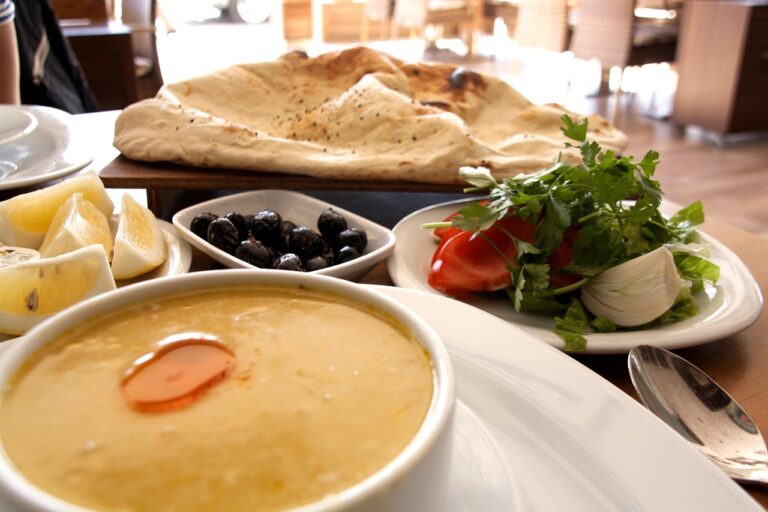
What Is the Difference Between Turkish and Greek Cuisine?
Turkish and Greek food look like siblings, and that is because they are: two cuisines that grew from the same Mediterranean soil,…

Are There Direct Flights from the US to Turkey?
For American travelers, the question of how to reach Turkey usually comes down to one thing: is there a nonstop flight? The…

How Do Public Holidays Affect Travel in Turkey?
Turkey loves its holidays, and the calendar is crowded with them.

Is English Widely Spoken in Turkey?
The short answer is that English is widely spoken in Turkey's tourist areas, but it is not a country where you can…

Is It Customary to Remove Shoes When Entering a Turkish Home?
If you are invited to a Turkish home, the first question that crosses your mind at the door is probably about your…

What Is the Best Area to Stay in Istanbul for First-Timers?
Istanbul is a city of two continents and a hundred neighborhoods, and choosing where to stay is the first big decision of…